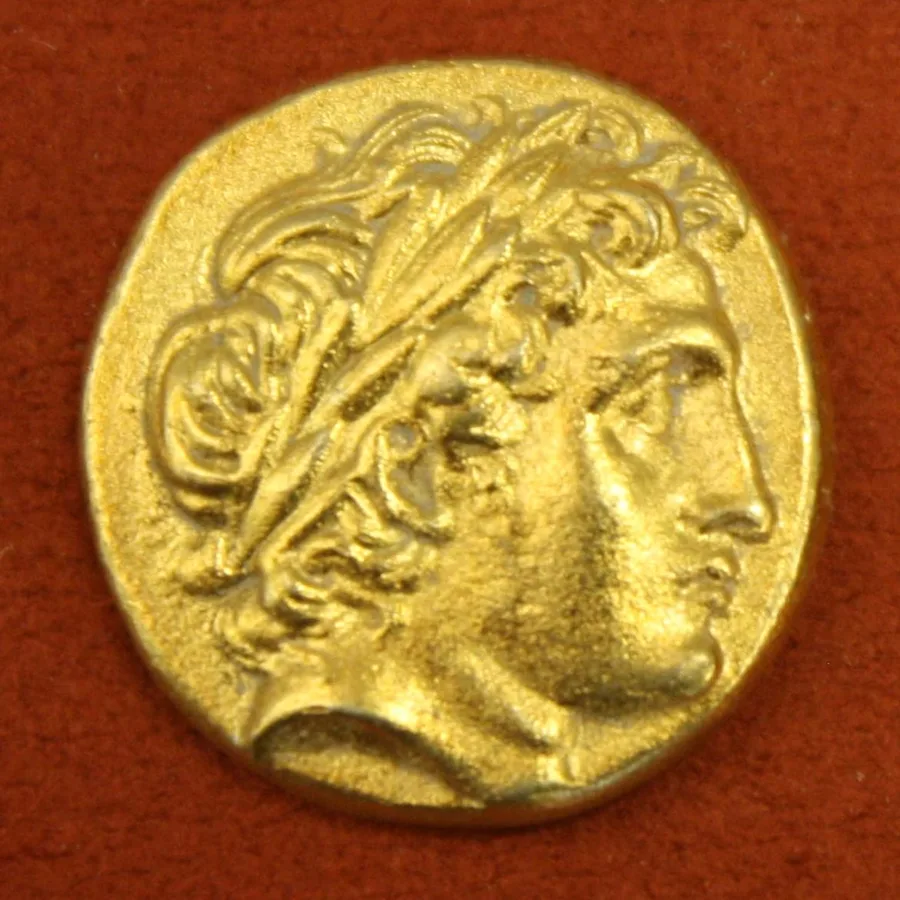
Macedon was an ancient kingdom located in the north of the Greek peninsula first inhabited by the Mackednoi tribe whose identity was challenged by some southern Greeks but who, according to Herodotus (5:22), were Greek. It is famously known as the birthplace of Alexander the Great.
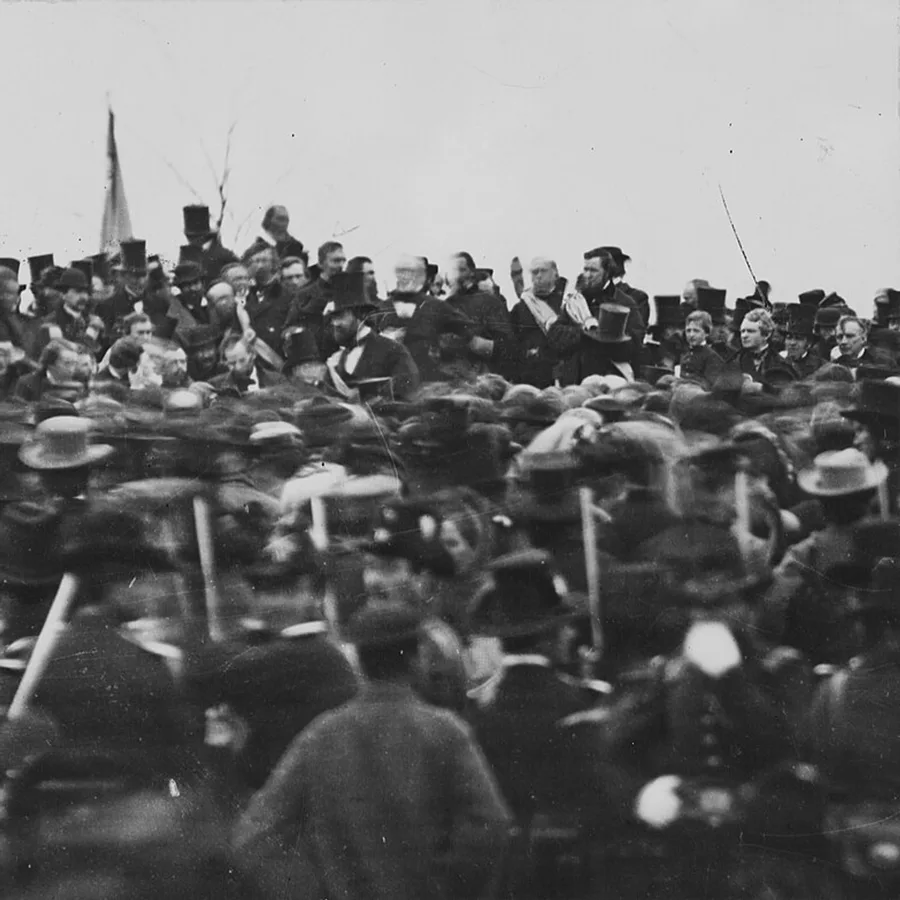
On November 19 1863, President Abraham Lincoln stood on the battlefield of Gettysburg and delivered one of the most important and memorable speeches of his career. Only 271 words long, the Gettysburg Address answered the question of 'why' the Civil War was being fought, at a time when mounting casualties and general war weariness were making many question if the conflict should be prolonged. With…
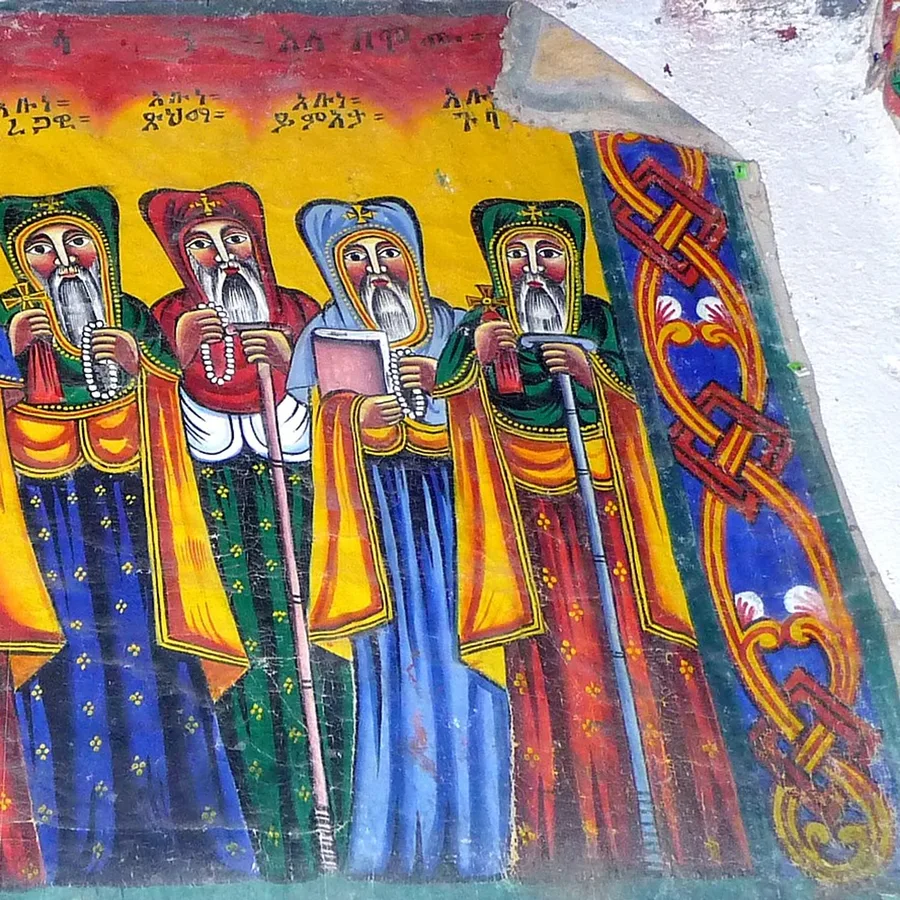
Many world religions have elevated individuals with the title of "saint," which often simply means "pious one," "devout," or "holy one." The reference is to their moral lifestyle or teachings and their loyalty and obedience to the law codes established by the gods. Another term was "wise men" or "sages," often elderly men, who could be consulted for advice.
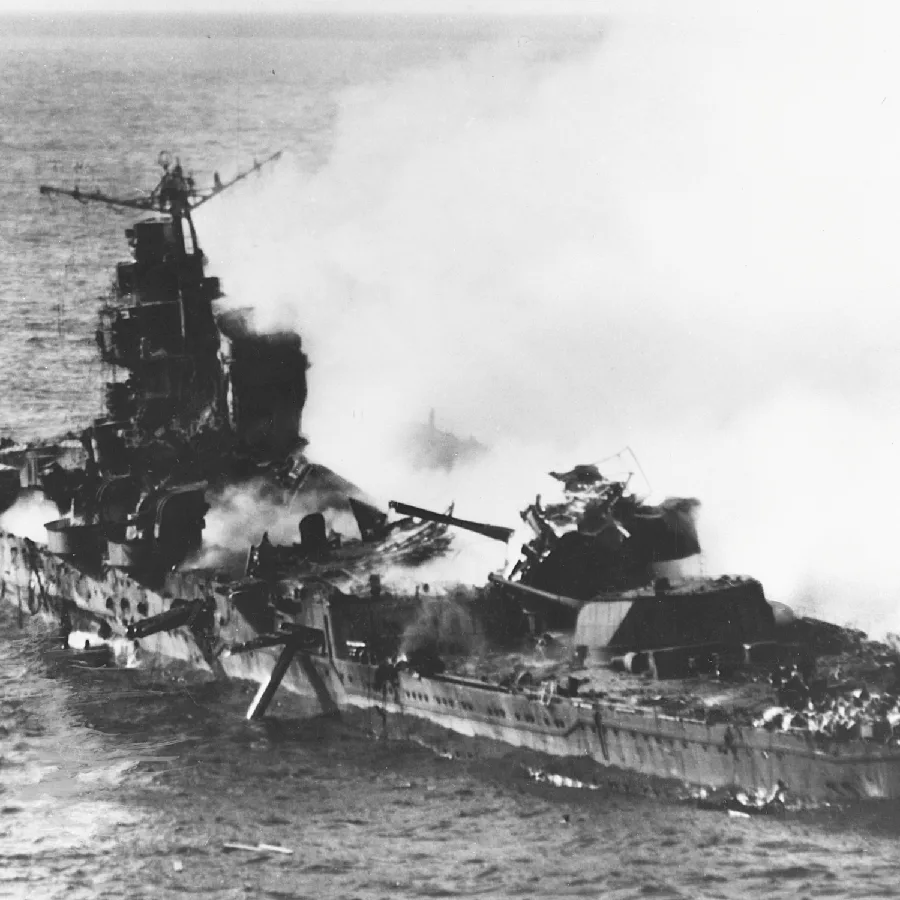
The Battle of Midway, 4-6 June 1942, was the turning point of the Pacific War. The US Pacific fleet sank four Japanese aircraft carriers for the loss of only one US carrier, the Yorktown, and destroyed nearly 250 Japanese aircraft. After Midway, the Imperial Japanese Navy, which had suffered its first major defeat since the 16th century, was obliged to go on the defensive in the Second World War …
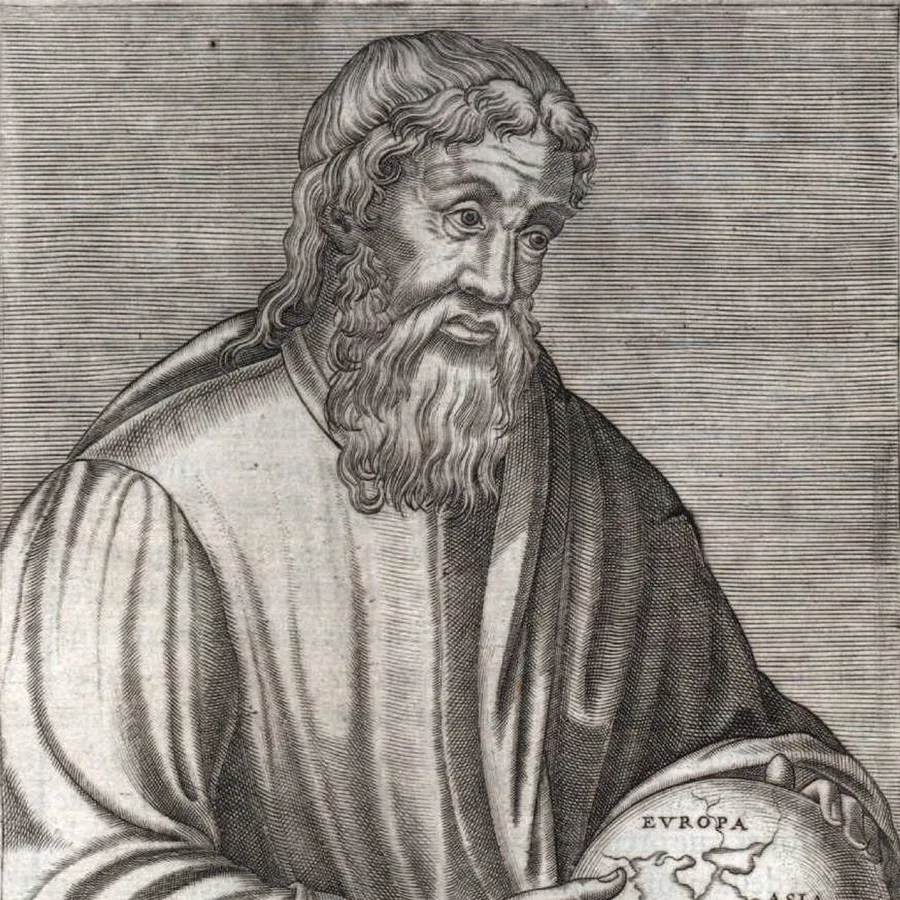
Strabo of Amasia (c. (c. 64 BCE - c. 24 CE) was the author of Geography, a 17-book geography of the world as it was known to the Greeks and Romans of the time, extending from Iberia and Mauria (Mauretania) in the west to India as recorded by Alexander the Great’s companions, and from Ethiopia to ‘Farthest Thule’, an unidentified island north of Britain. Strabo lived during the 1st centuries BCE a…
"The Army of Alexander the Great" is a detailed and engaging study of the Macedonian army that powered Alexander’s legendary conquests. It explores the organisation, weapons, tactics, and soldiers behind victories rather than focusing only on Alexander himself. With strong historical research and excellent illustrations, the book offers valuable insight into ancient warfare and is ideal for milit…
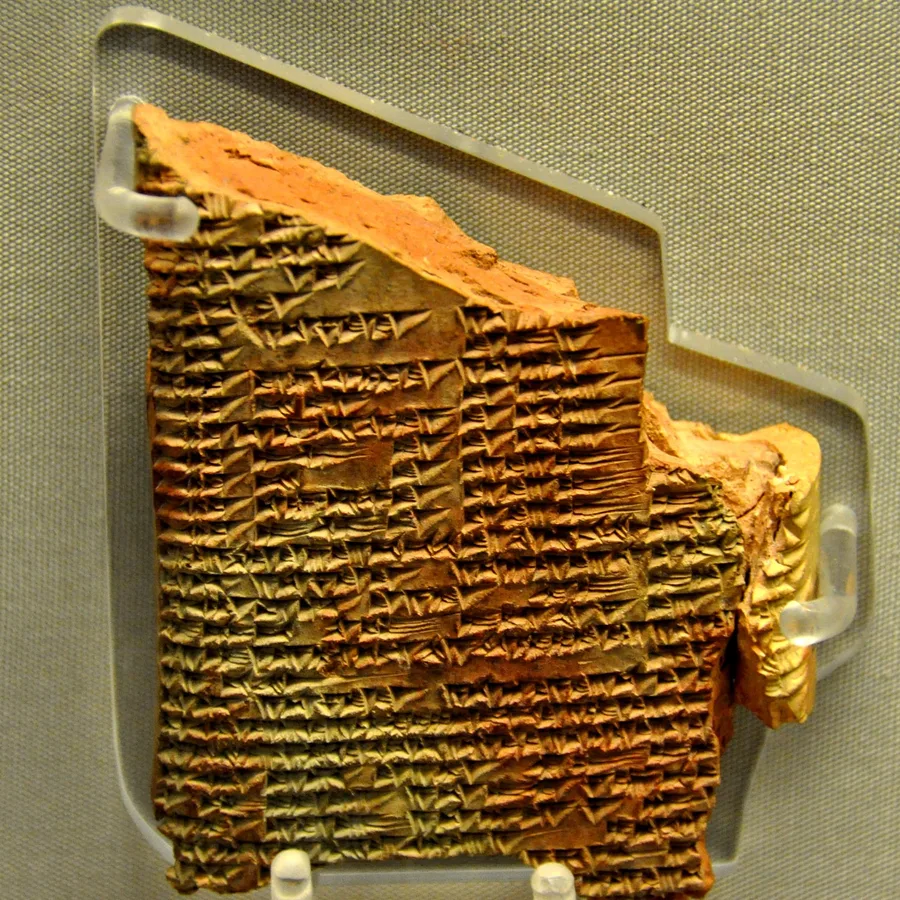
The Myth of Etana is the story of the Sumerian antediluvian King of Kish who ascends to heaven on an eagle to request the Plant of Birth from the gods so that he might have a son. Etana is named as the first king of Kish in the Sumerian King List which claims he reigned early in the 3rd millenium BCE. The text was first recognized in 1894 on fragments found in the ruins of the Library of Ashurban…
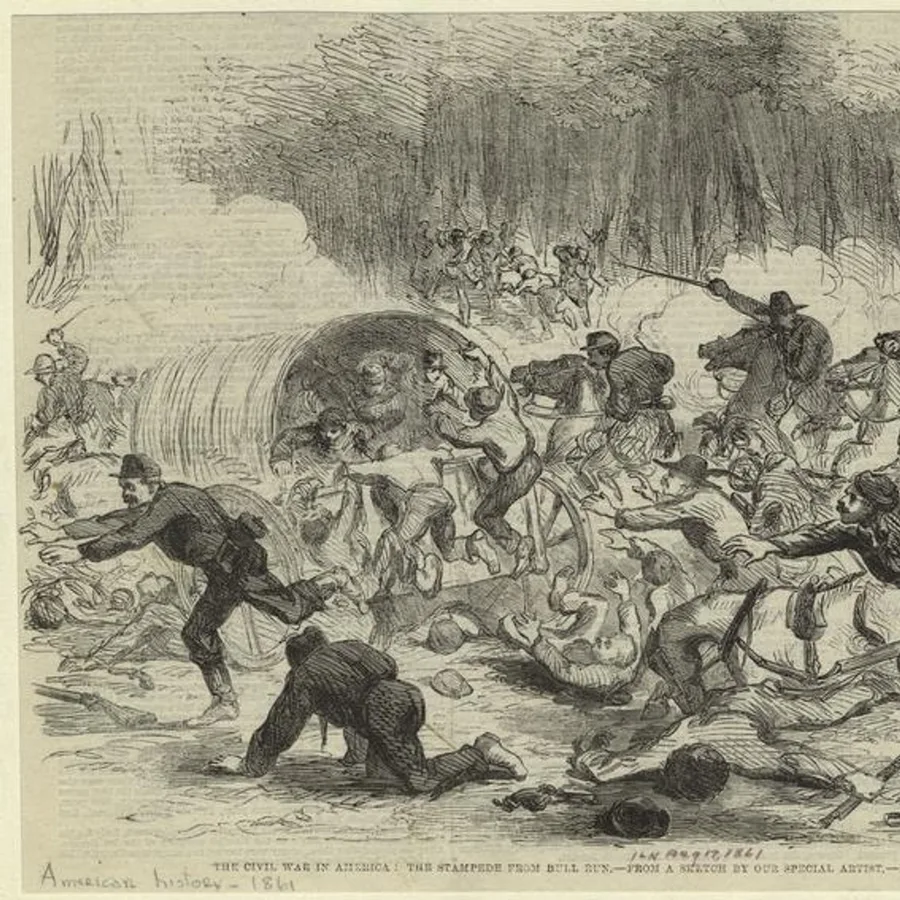
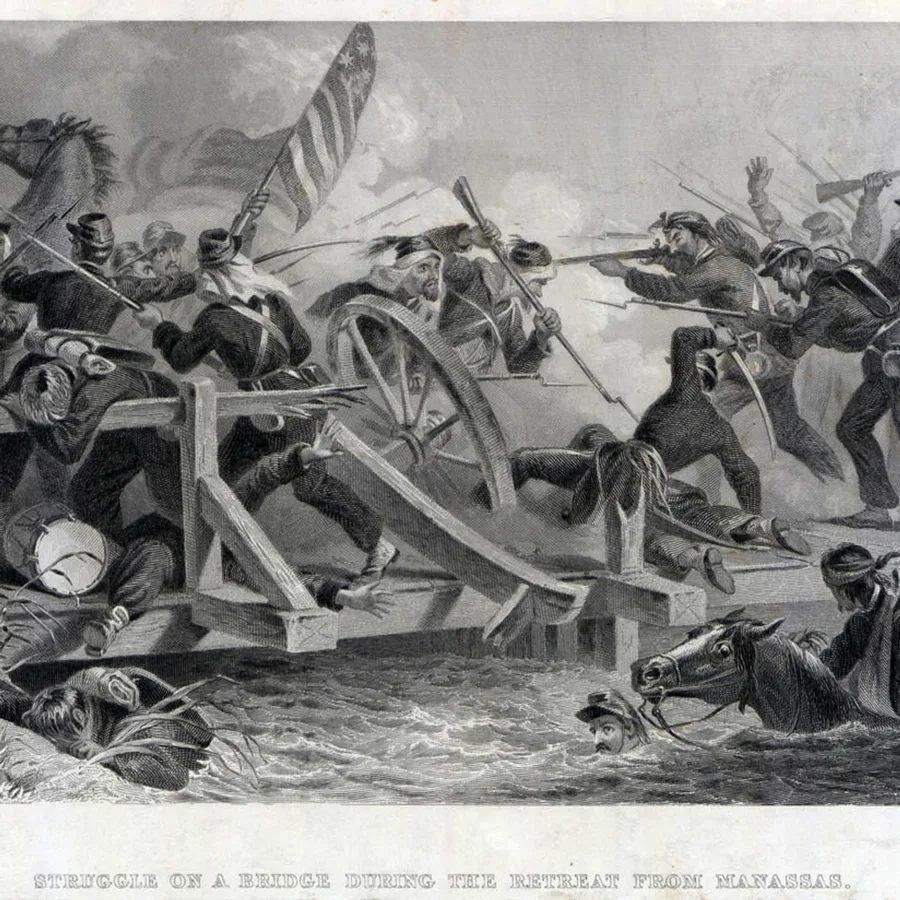
William H. Russell’s account of the Union retreat at the First Battle of Bull Run (First Manassas) on 21 July 1861 became famous almost a month after the engagement (see Panic at Bull Run). Less attention was given, at least in the North, to the missed opportunity of the Confederate Army to press their advantage during that retreat.
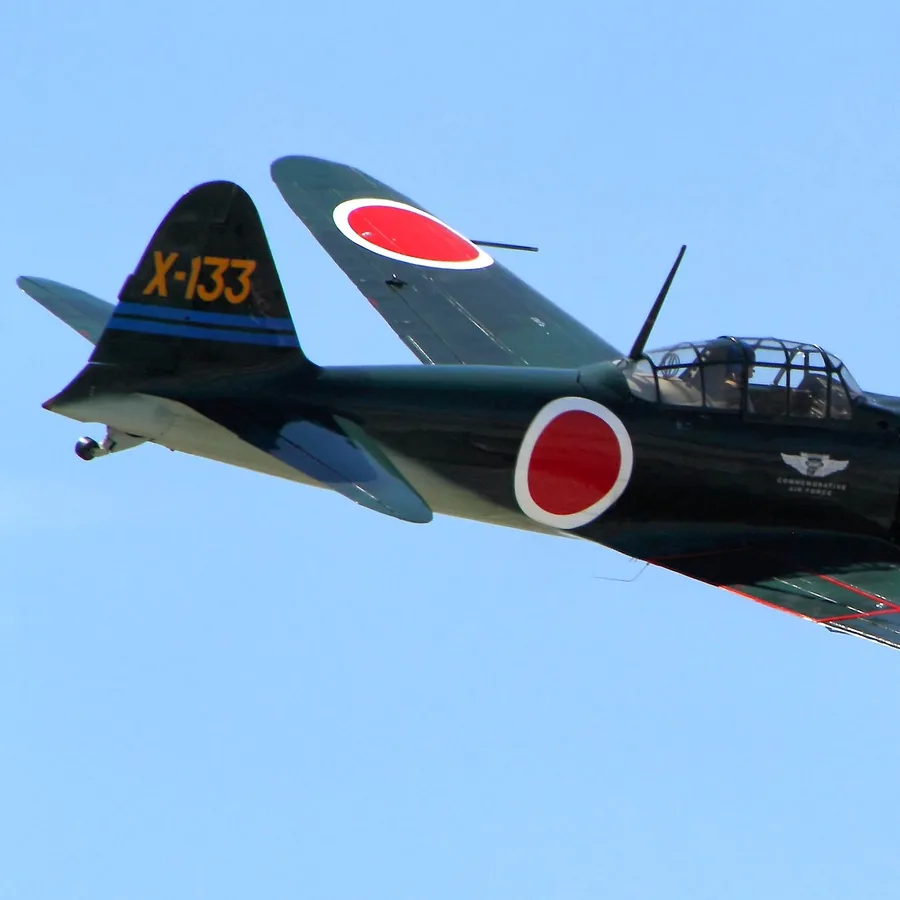
The Mitsubishi A6M Zero-sen is the most famous Japanese fighter of the Second World War (1939-45). The single-seater aircraft was a leap forward for the Japanese air force and navy; indeed, this was the fastest and most manoeuvrable of all fighter planes in the early years of the war. Deployed very often from aircraft carriers, the Zero was used as both a fighter and dive-bomber in such key battl…
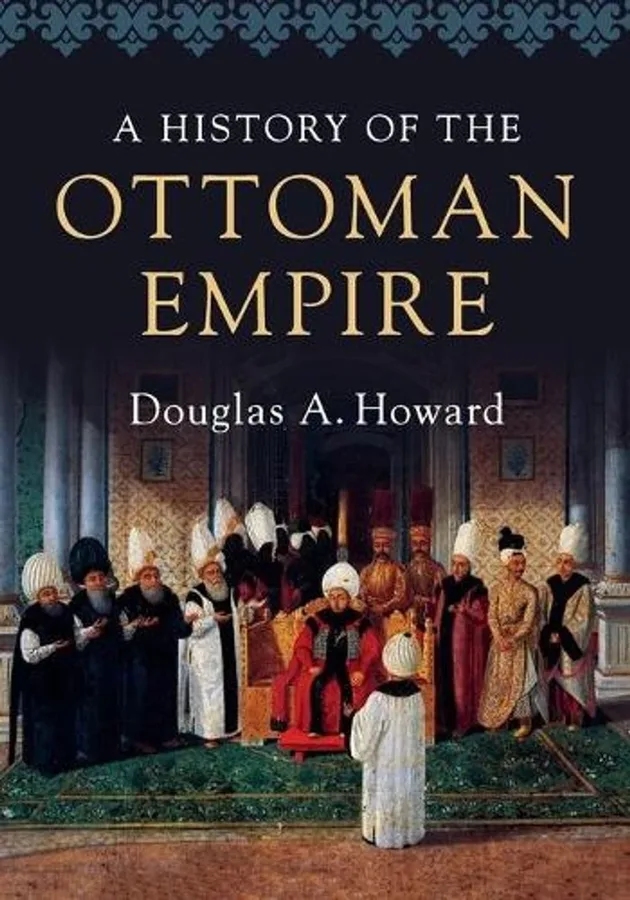
"A History of the Ottoman Empire" is recommended to people seeking to learn about the Ottoman world from its inception to its dissolution. Designed in the form of a textbook, it is intended primarily for the general public and history students. As a unique contribution, it refutes widespread assumptions regarding the Ottoman society and economy from a revisionist perspective.
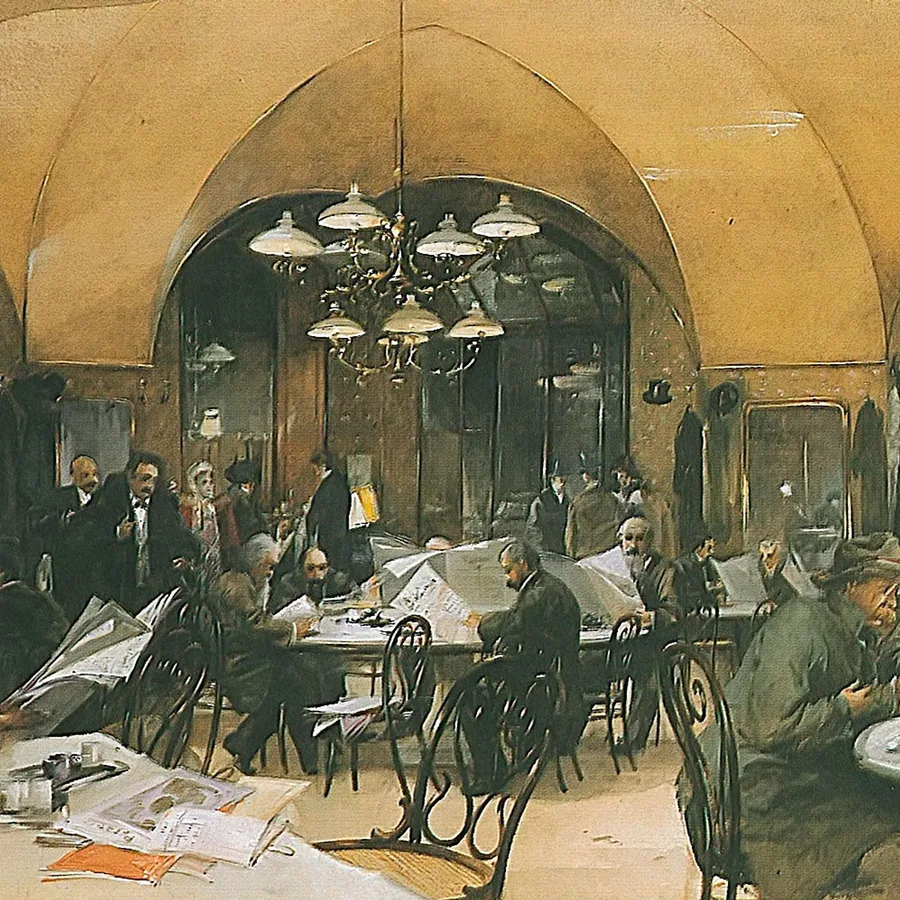
While most people today know about the influence of London, Paris, and New York on modern thought, Vienna makes few appearances in people’s discussions. However, Vienna, and such individuals as Sigmund Freud and Robert Musil, had a profound impact on modern thinking. The intellectual scene in Vienna, the capital of the Habsburg Empire in Central Europe, in the later part of the 19th century and t…
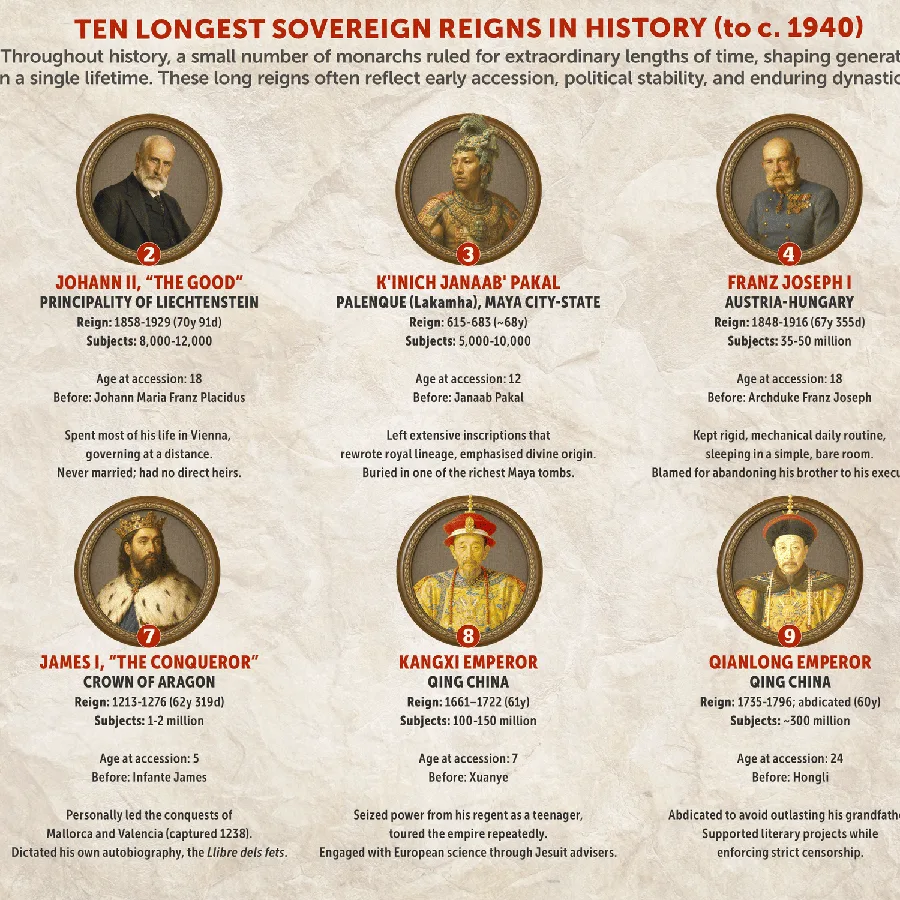
History is filled with numbers: years of rule, distances travelled, armies mobilized, cities besieged, territories conquered, and generations transformed. History by the Numbers brings together a collection of visual infographics that use rankings, timelines, comparisons, and carefully selected examples to explore patterns across world history. From long-lived dynasties and imperial expansion to …
Panic at Bull Run is an excerpt from a longer article, The Battle of Bull Run, by the famous English journalist William H. Russell (1827 to 1907, also known as Sir William Howard Russell), one of the most widely read writers of his day. Russell was an eyewitness to the First Battle of Bull Run (First Manassas) on 21 July 1861 during the American Civil War, but his article focused primarily on onl…
In the ancient world, "religion" and society were not separate entities. Various gods dictated covenants, "law-codes," and social conventions. Such law-codes were most often the responsibility of the king, endowing him with authority to punish any violations. The rationalization for this concept was that the gods or God endowed the ruler with a share of "divinity," as a unified society and politi…
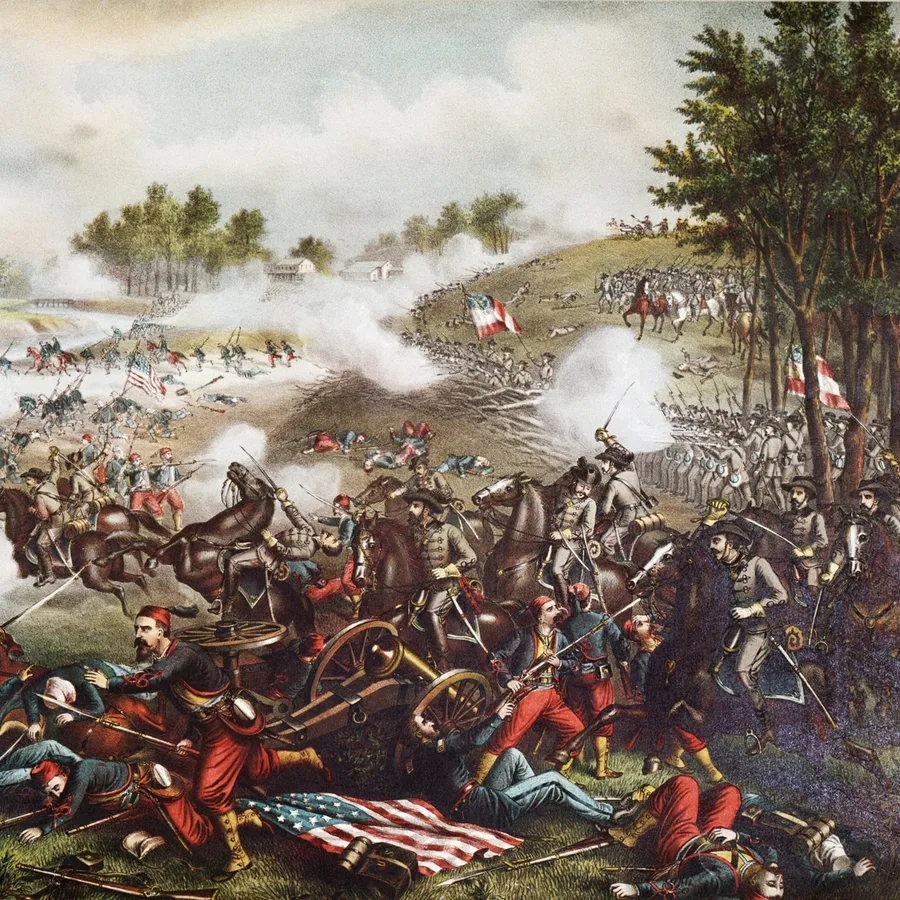
The First Battle of Bull Run (First Manassas) on 21 July 1861 was the first major battle of the American Civil War and a wake-up call for both sides which, until then, believed that the war would be over quickly, and they would come out the winner. Each side pointed to earlier, smaller, battles to support their claim.
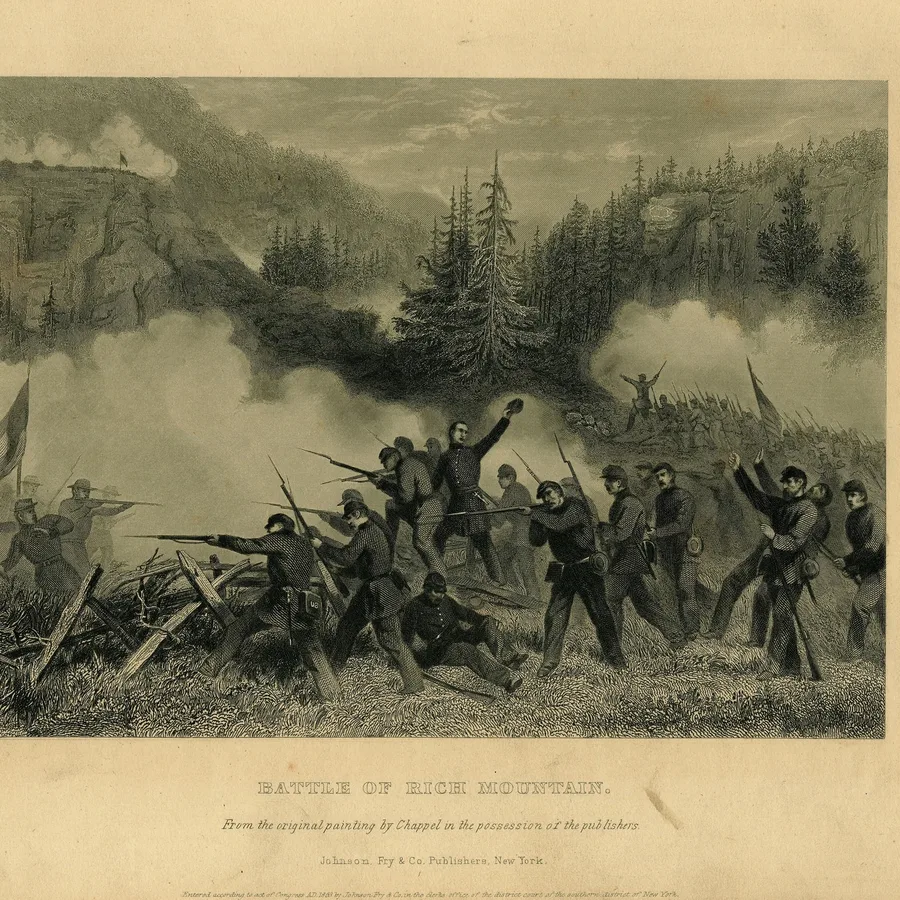
The Battle of Rich Mountain (11 July 1861), fought in Randolph County, Virginia (now West Virginia) was the second Union victory attributed to Major General George B. McClellan in the beginning of the American Civil War. The first was the Battle of Philippi (Philippi Races) on 3 June 1861.
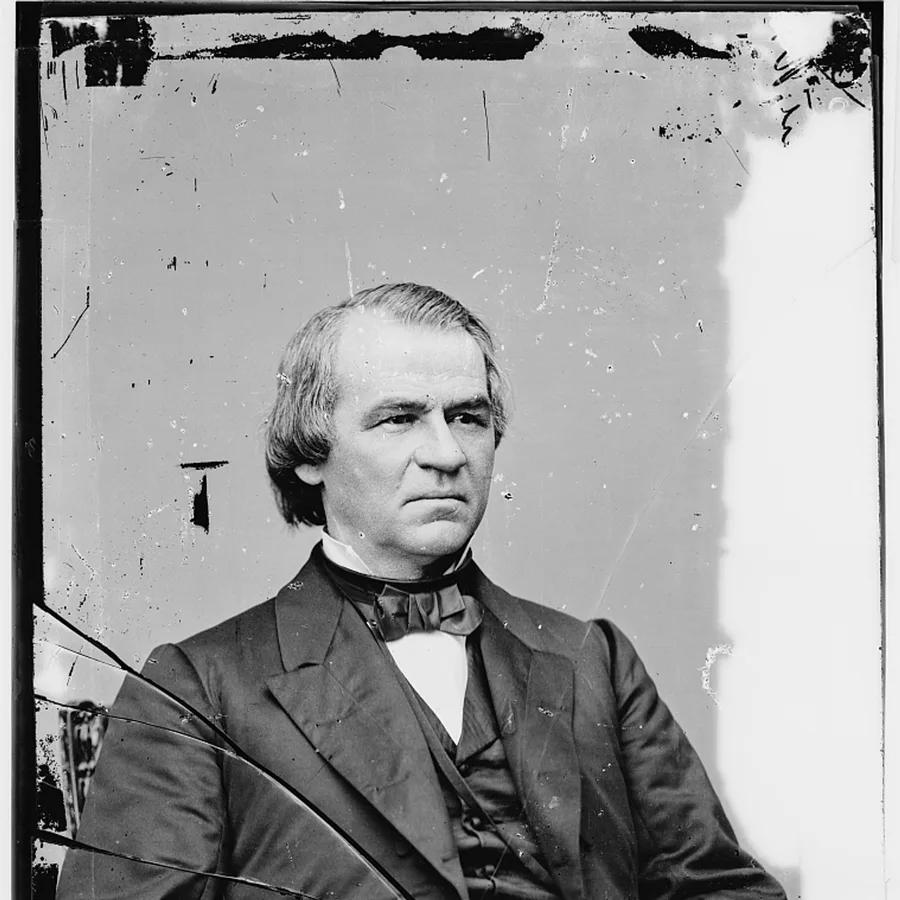
Andrew Johnson (1808-1875) was the 17th President of the United States, who was suddenly thrust into the office in 1865 after the assassination of Abraham Lincoln. A gruff Southern Democrat, Johnson favored a quick end to Reconstruction (circa 1863-1877), which pitted him against the Radical Republicans in control of Congress. His opposition to 'Radical Reconstruction' led to his impeachment in 1…
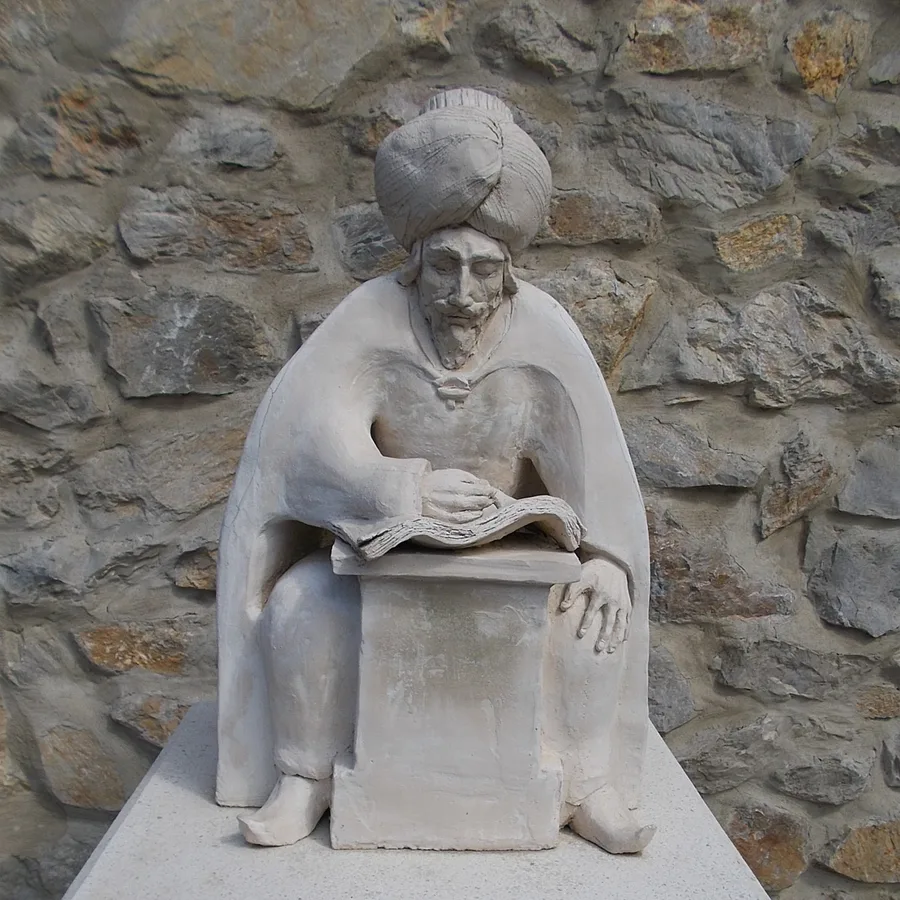
Evliya Çelebi (1611 -1682/85) is the most famous Ottoman Turkish traveler and explorer. He is well-known for his ten-volume travelogue, the Seyahatnâme ('Book of Travels'), a monumental narrative of his travels spanning over 40 years. In this account, he gives a broad perspective of the Ottoman world of the 17th century. Calling himself a "world traveler" (seyyâh-ı ‘âlem), Evliya was also a music…
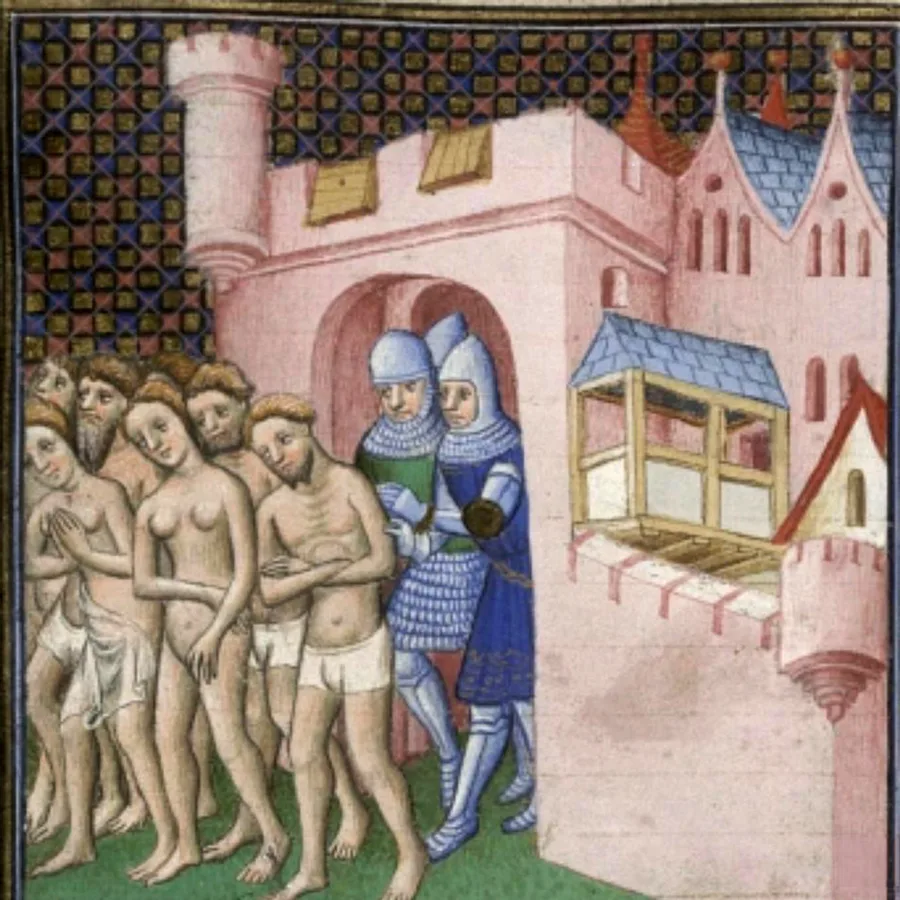
The Inquisition was the official institution of the medieval Catholic Church that established ecclesiastical judges to investigate and judge divergent opinions and practices that went against what became "systematic Catholic theology." An inquisition was a Catholic judicial procedure in which ecclesiastical judges could initiate, investigate and try cases in their jurisdiction. Popularly, the Inq…
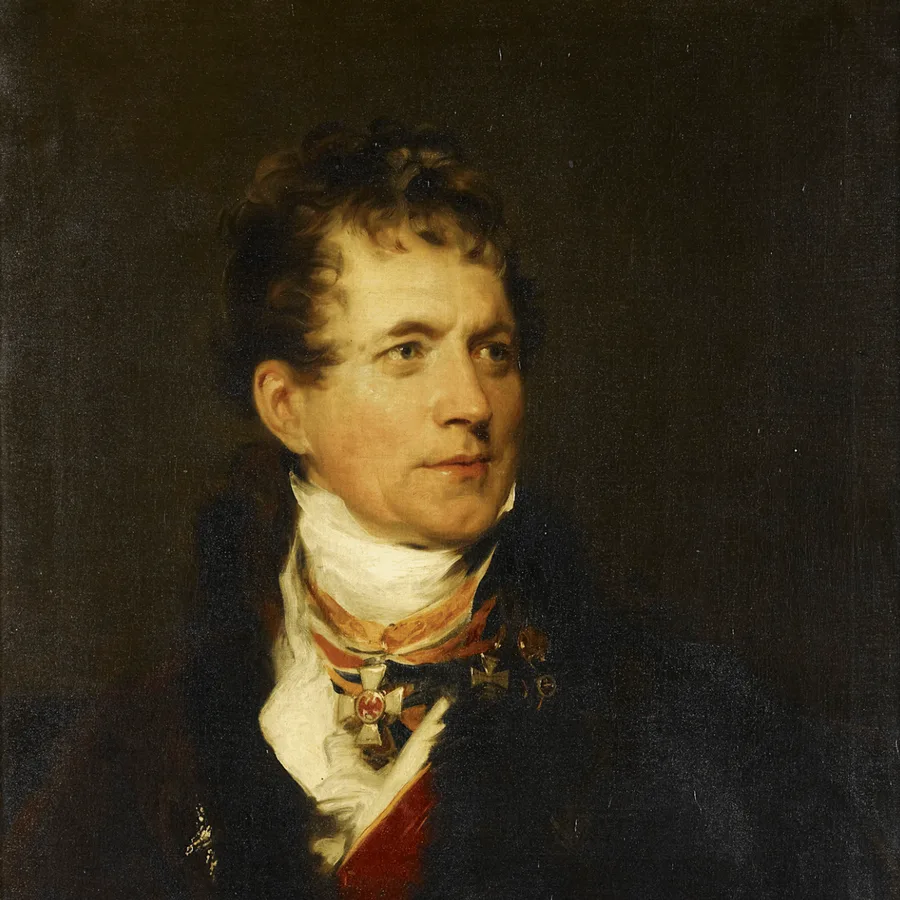
The story of the French Revolution is incomplete without the Prussian-Austrian diplomat and writer Friedrich von Gentz (1764-1832). It was Gentz who provided the best-known German translation of Edmund Burke’s Reflections on the Revolution in France. This work reveals Gentz as a French Revolution reactionary and a conservative of the Burkean lineage. However, such a characterization is a very sim…

 research.io