Recognizing why we feel overwhelmed, identifying how it manifests, and actively practicing evidence-based coping mechanisms can help protect our mental well-being and emotional regulation.
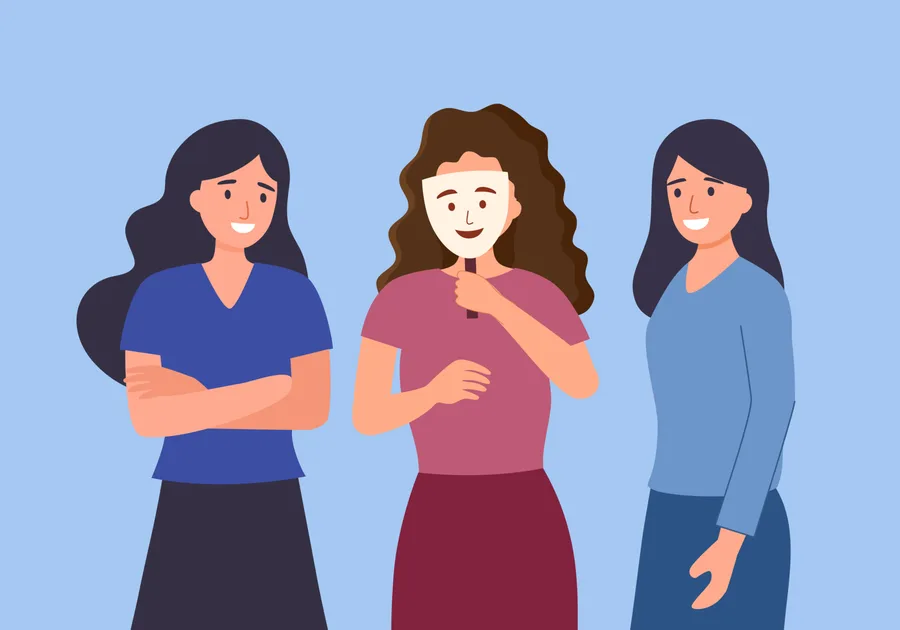
From my own research exploring autistic camouflaging (commonly known as masking) behaviors in educational settings, I have identified experiences of masking that are common amongst ... Read more
As an autistic adult, I desire strong connections and a sense of belonging, as most people do. However, sometimes being autistic means I face some ... Read more
Here is what navigating work life as an autistic adult has really looked like for me, the lessons I’ve learned along the way, and how I finally found a path that works.
Bullying is something that can be deeply ingrained in many autistic people's lived experiences, where the trauma often shapes individuals well into adulthood.
This mixed-methods systematic literature review reveals that autistic adults prioritize safety, well-being, and autonomy over interventions aimed at reducing natural autistic traits.
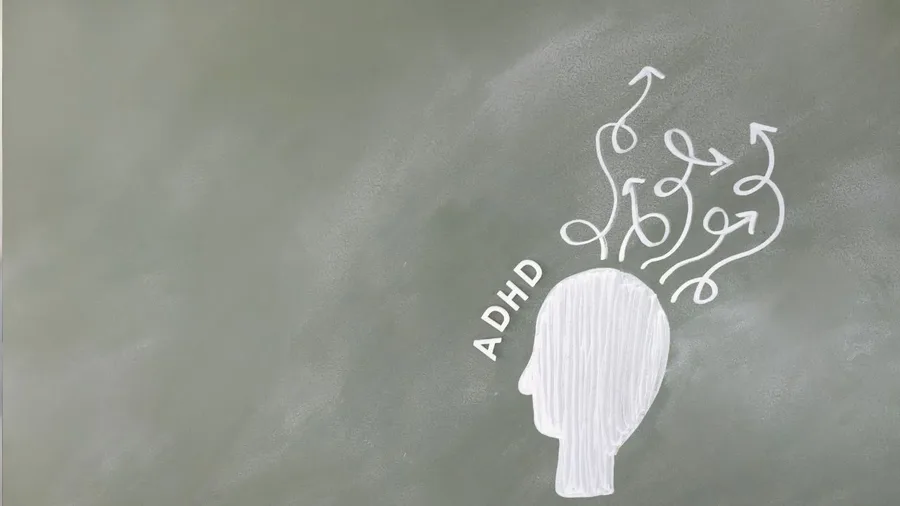
A groundbreaking 2026 systematic review explores how an ADHD diagnosis in adulthood profoundly reshapes personal identity, social relationships, and experiences within the healthcare system.
A landmark nationwide cohort study has shed new light on how systemic factors and biological timelines influence attention deficit hyperactivity disorder (ADHD) diagnoses.
Autistic individuals may find it harder to initiate and sustain romantic relationships compared to non-autistic individuals. Often, this disparity stems from difficulties in interpreting social cues, expressing emotions, and managing sensory sensitivities, which are common characteristics of autism. Below are 9 tips aimed to help support an autistic partner.
The neurodiversity paradigm fundamentally shifts how neurocognitive differences, such as autism and ADHD, are understood. Rather than viewing these conditions as inherent flaws, the paradigm frames them as natural, valuable variations in human neurocognitive processing.
ADHD may significantly alters interpersonal dynamics, though it does not inherently ruin human relationships. Neurocognitive differences can cause predictable patterns of friction in relationships but deep understanding and structured communication frequently mitigate these challenges.
Ableism is a form of discrimination and social prejudice against people with disabilities. It stems from the harmful assumption that disabled people are inferior, broken, or in need of fixing compared to those who are not disabled.
Key Points Consider a young adult walking into a crowded room. Their heart races, and they are gripped by an immediate, paralysing fear that everyone ... Read more









 research.io