Following Hurricane Lala, Hawaiʻi County's Department of Water Supply requests residents to limit water use to essential needs to aid recovery efforts amid widespread outages and infrastructure damage.
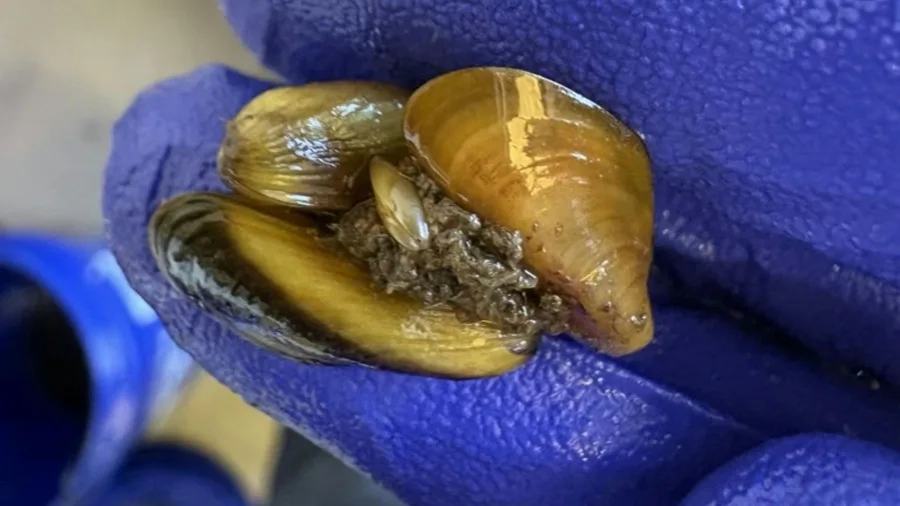
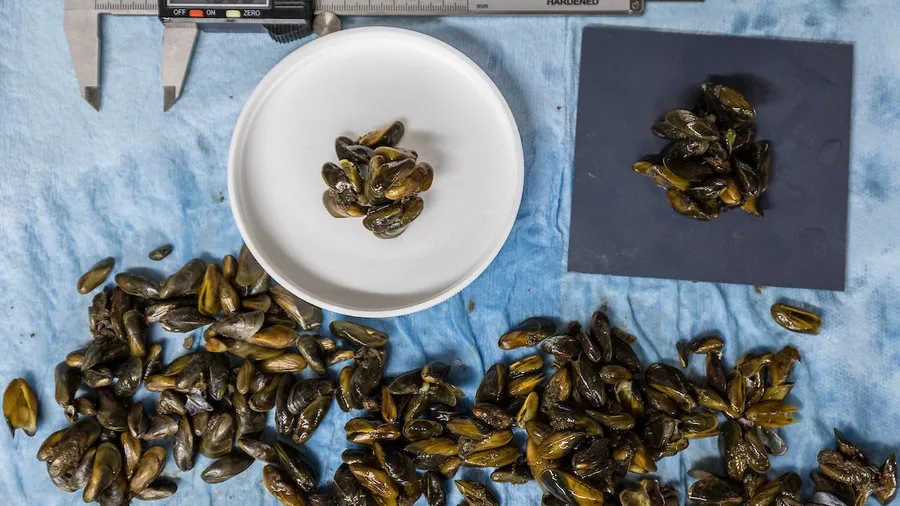
As invasive golden mussels (Limnoperna fortunei) spread across California, utilities and water managers face a growing operational challenge with implications for infrastructure, water delivery, and long-term system resilience.
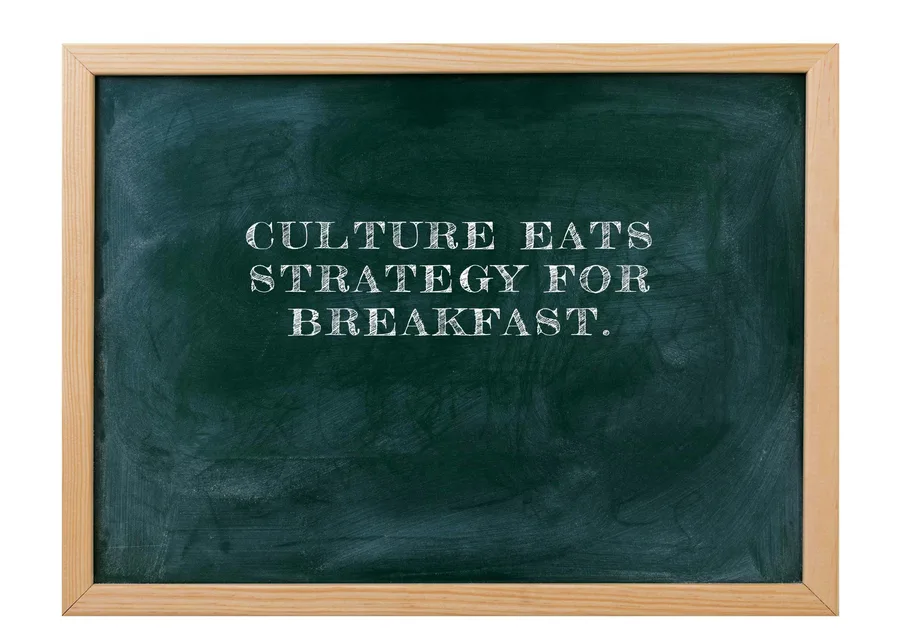
Focusing on the human aspect of change, this month Sciandra highlights strategies such as stakeholder engagement, creating urgency, and fostering a growth mindset to overcome resistance and embed new processes.
QTS Data Centers has agreed to comply with Texas Governor Greg Abbott's new standards aimed at ensuring sustainable growth, including comprehensive audits on electric, water and community impacts.
The EPA is enhancing efforts to bolster the water workforce by engaging stakeholders to improve recruitment, retention and training, addressing an aging labor force and increasing technical demands.
The future of water loss management depends on utilities adopting a decision-centric mindset, leveraging existing data and advanced analytics to inform operational actions.
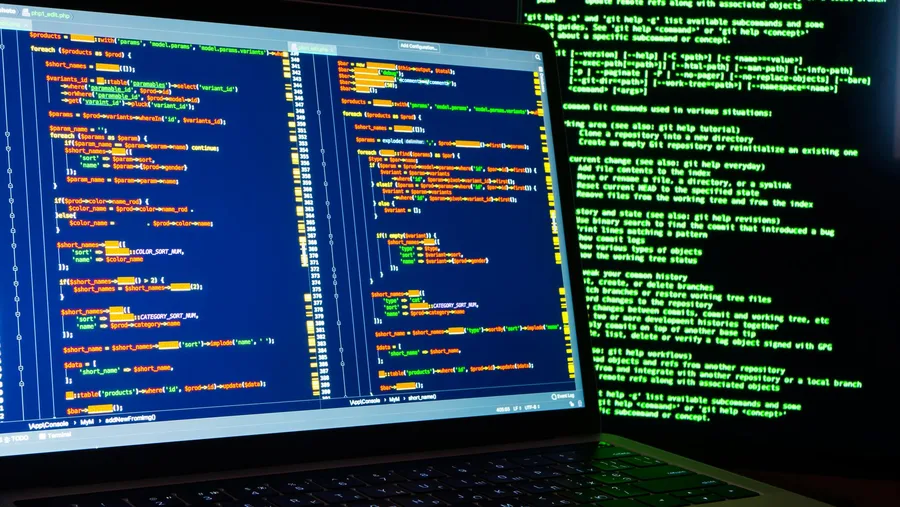
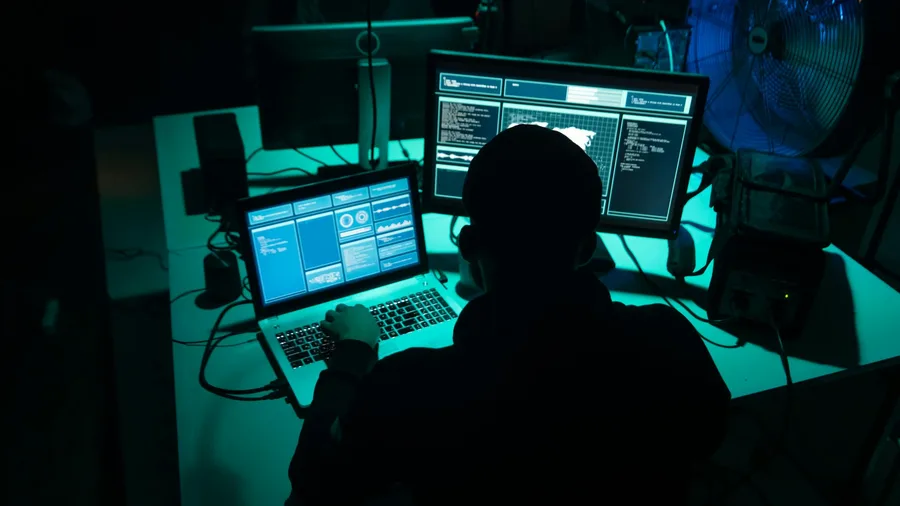
A series of cyberattacks targeting municipal water systems across the Midwest disrupted automated controls but maintained water safety, prompting federal and state investigations into potential nation-state involvement.
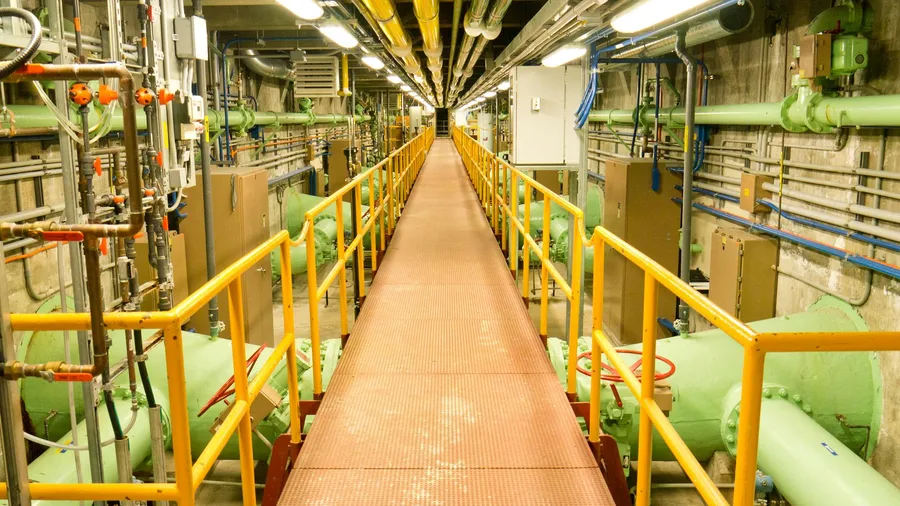
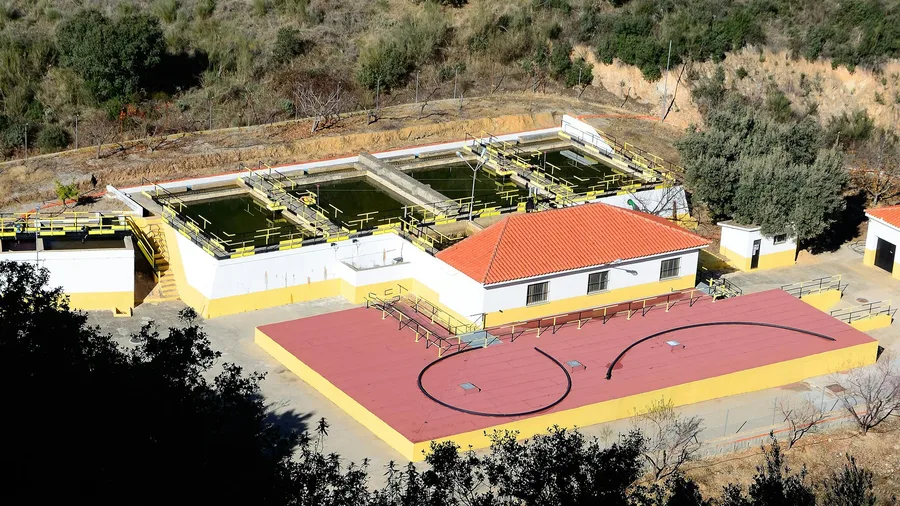
The California Department of Water Resources is deploying advanced monitoring, treatment, and infrastructure upgrades to safeguard the State Water Project from invasive golden mussels.
A recent report shows U.S. households spend a median of $1,065 annually on water and sewer services, with costs rising due to infrastructure upgrades and operational expenses, affecting 72% of households.
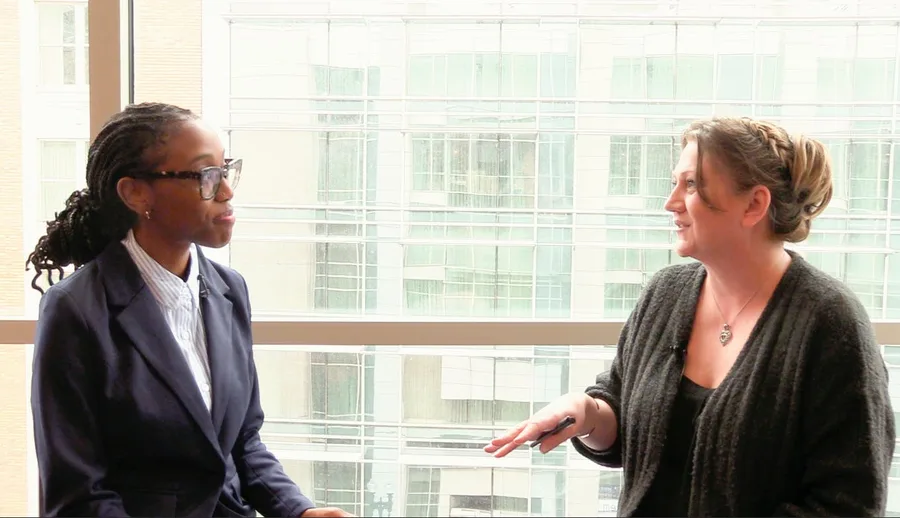
This interview underscores the significance of community briefings, redundant communication methods, and dedicated leadership to ensure effective information flow and customer confidence during extended water service disruptions.






 research.io