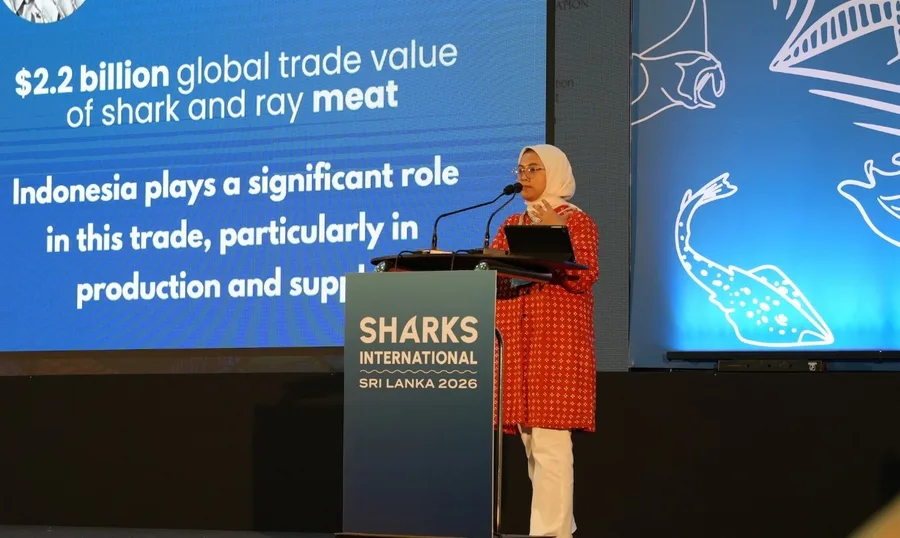
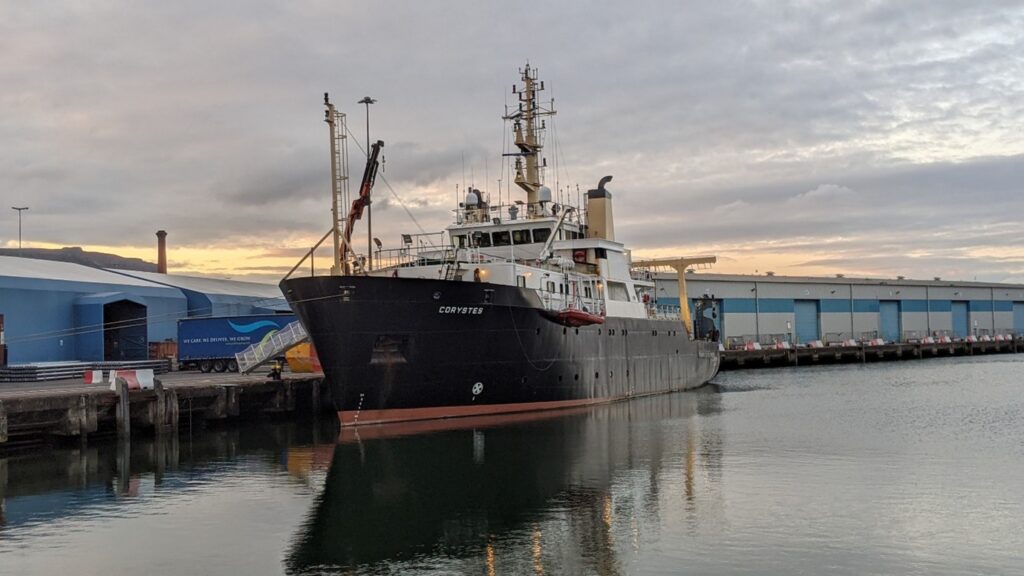
Sharks International is the world’s largest scientific conference dedicated to sharks, rays, and chimaeras, bringing together researchers, conservation practitioners, policymakers, and fisheries experts from around the world every four years. At the 2026 conference, held in Colombo, Sri Lanka (4–8 …
The primary role of the Fish Health Inspectorate (FHI) is to safeguard the health of fish and shellfish in England and Wales by controlling serious listed diseases and assessing/intervening in emerging disease threats.  They authorise the activities of fish and …
Have you ever walked along a beach and noticed pieces of plastic waste washed up along the shore? Don’t walk past it. There might be valuable scientific data attached (as well as removing litter from the beach being the right …
Aquatic invasive non‑native species can disrupt the delicate balance of our ecosystems, displacing native wildlife and altering habitats. From spreading diseases to creating new competition, their impacts can be far-reaching.  In our increasingly connected world, these species are spreading more easily than ever, and climate …
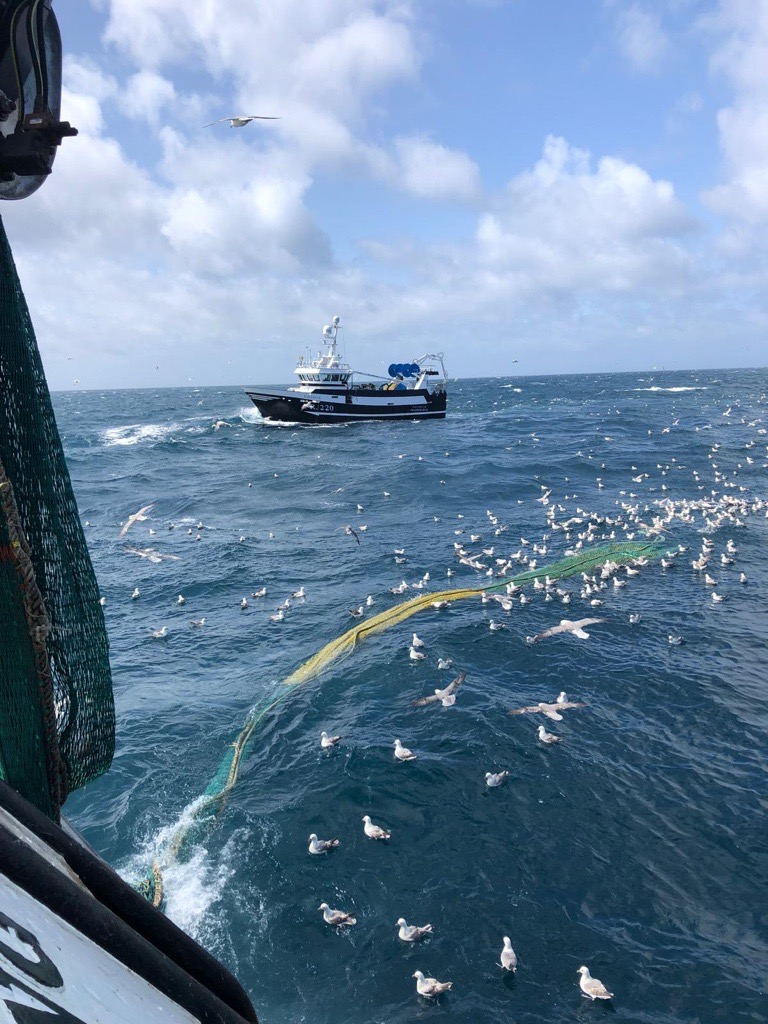
In May 2024 Defra released the response to the consultation on the wider use of Remote Electronic Monitoring (REM) in English waters (Summary of responses and Government response) and started implementing the outlined plan in collaboration with Cefas and the …
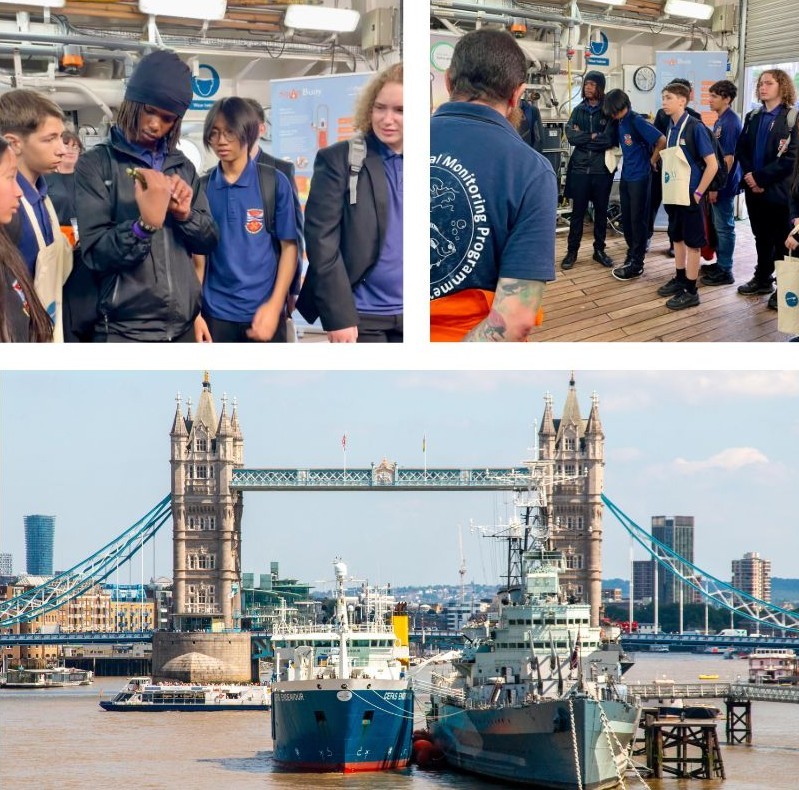
Marine science is one of the least ethnically diverse degree subjects in the UK according to a recent review of UCAS data (Ford et al., 2023). This low uptake at university level is reflected in recruitment into the sector, with data …
Written by Emily Roebuck, Eastern England Fish Producer’s Organisation (EEFPO) trial lead, Cefas On Monday 15 December 2025, the Clean Catch team was invited to present at the All-Party Parliamentary Group (APPG) on Fisheries. The APPG is a cross-party forum …
Nephrops (Nephrops norvegicus), more commonly called langoustines, Dublin Bay prawns or just prawns, are a commercially important shellfish species, with numerous fisheries around Great Britain and Ireland. The fisheries represent an economic value of £114 million (UK Sea Fisheries Statistics …
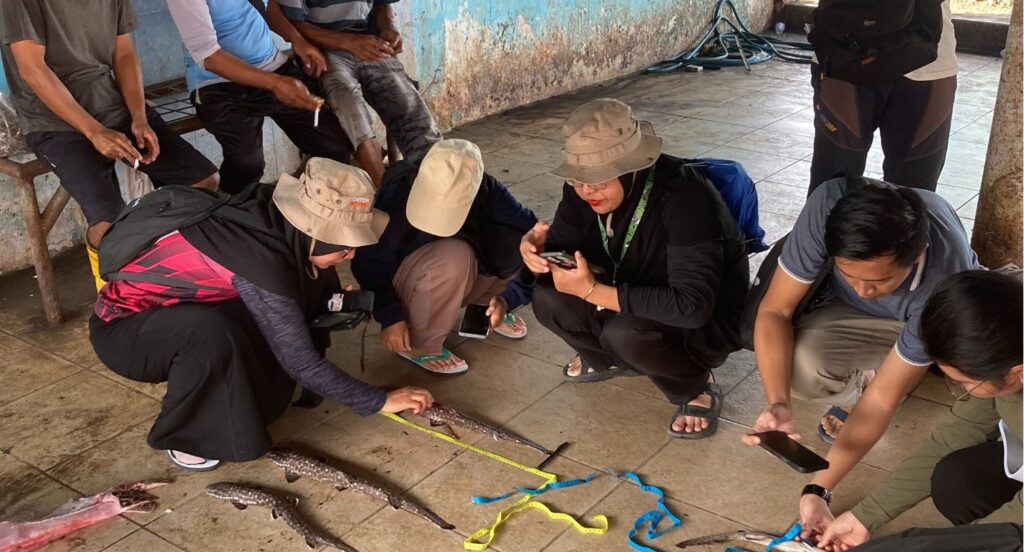
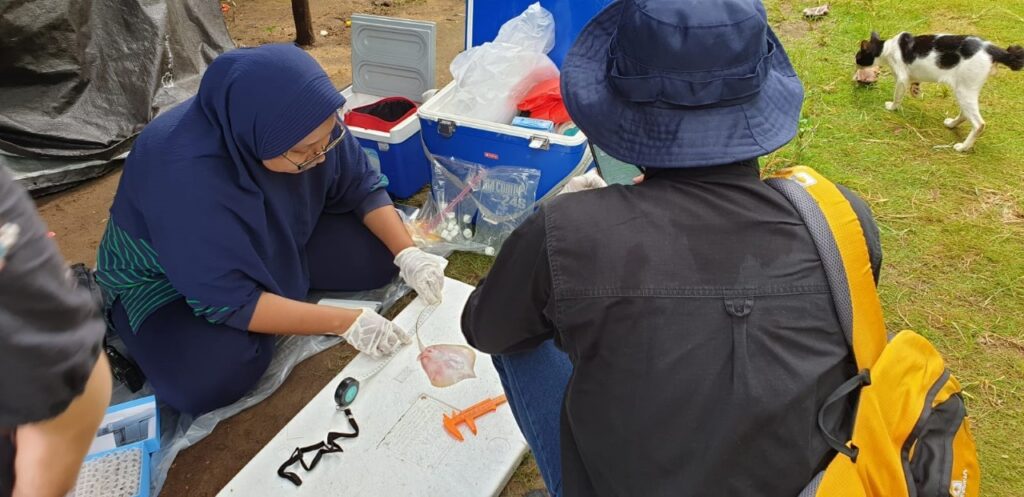
Indonesia is one of the world’s largest producers and exporters of shark and ray products. As the CITES Conference of the Parties convenes in Samarkand, Uzbekistan, and governments from around the world debate and decide on proposals for new species listings, work is underway across Indonesia to translate these commitments into practice.
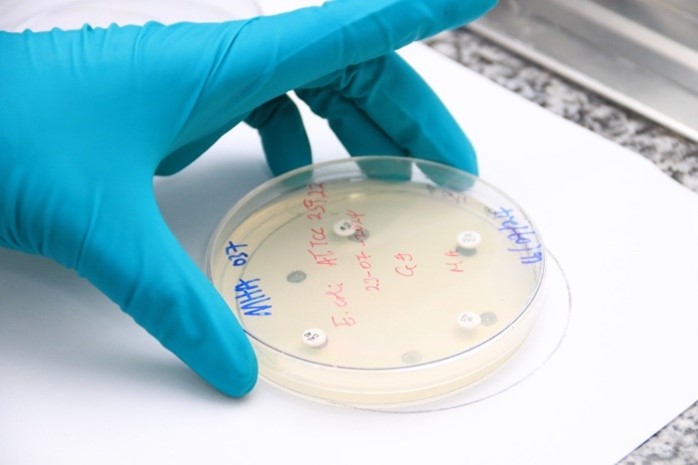
Antimicrobial resistance (AMR) threatens modern medicine, rendering infections untreatable, surgeries risky, and lives vulnerable. Without urgent action, routine illnesses could become deadly, reversing decades of clinical progress and endangering global health security. The health of humans, animals, and the environment …
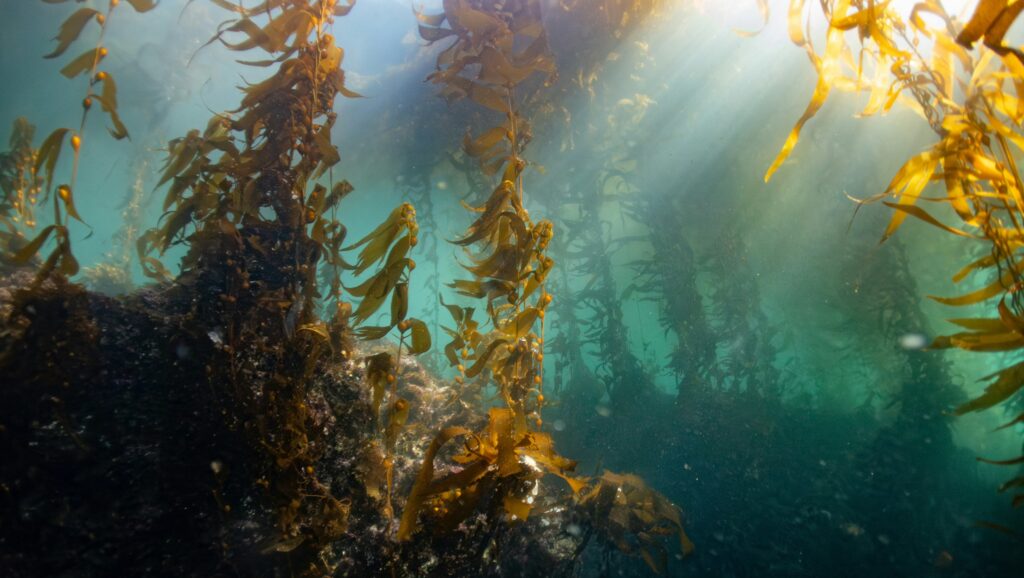
As world leaders gather in Belém, Brazil, this week for the UN Climate Change Conference COP30, the role of nature-based solutions in addressing climate change is once again under the spotlight.
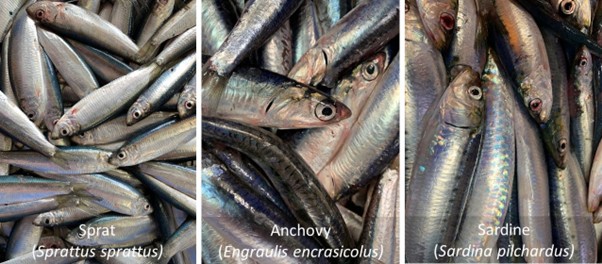
The waters to the south-west of the UK are home to a rich diversity of small fish such as sardines, anchovy, sprat, mackerel, horse mackerel and herring (collectively known as “small pelagic fish”). These fish species feed on plankton (microscopic …
Written by Efin Muttaqin, Programme Manager for the Rekam Nusantara Foundation, and Jo Murray, Marine Wildlife Trade and Bycatch Lead at Cefas. “The greatest challenge of the 21st century is to raise a new generation that understands the importance of …