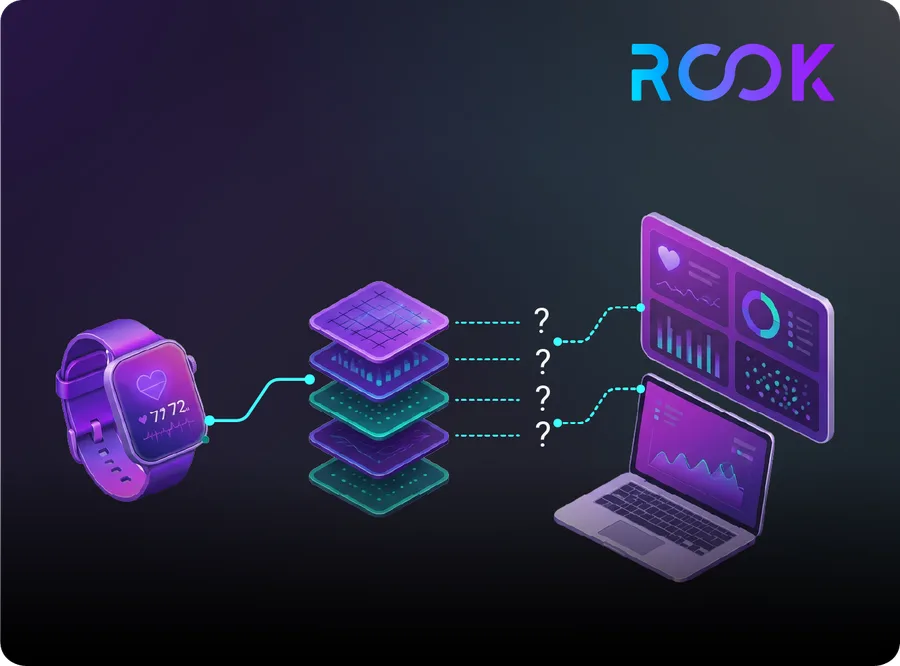
Wearable data can help ACCESS programs monitor long-term patterns, but
context from medical devices, labs, clinical systems, and workflows makes
that data more useful.
The acquisitions of Validic and Spike are reshaping the health data
infrastructure market. Here’s what it means for teams that rely on these
APIs and why vendor independence matters.
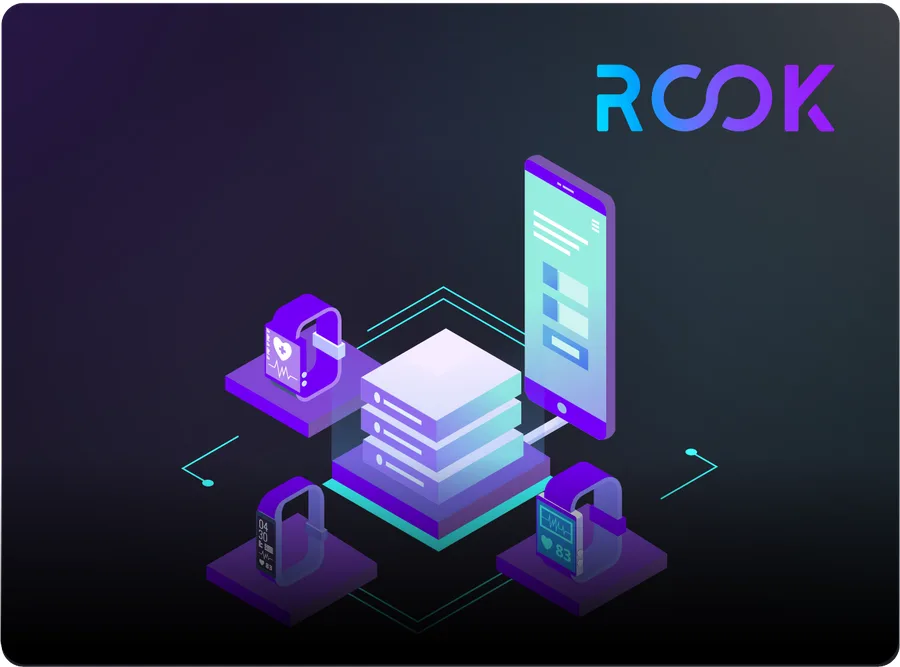
The best health apps turn data into actionable insights. APIs like ROOK
help centralize and standardize health data so teams can build more
personalized experiences and support better decisions.
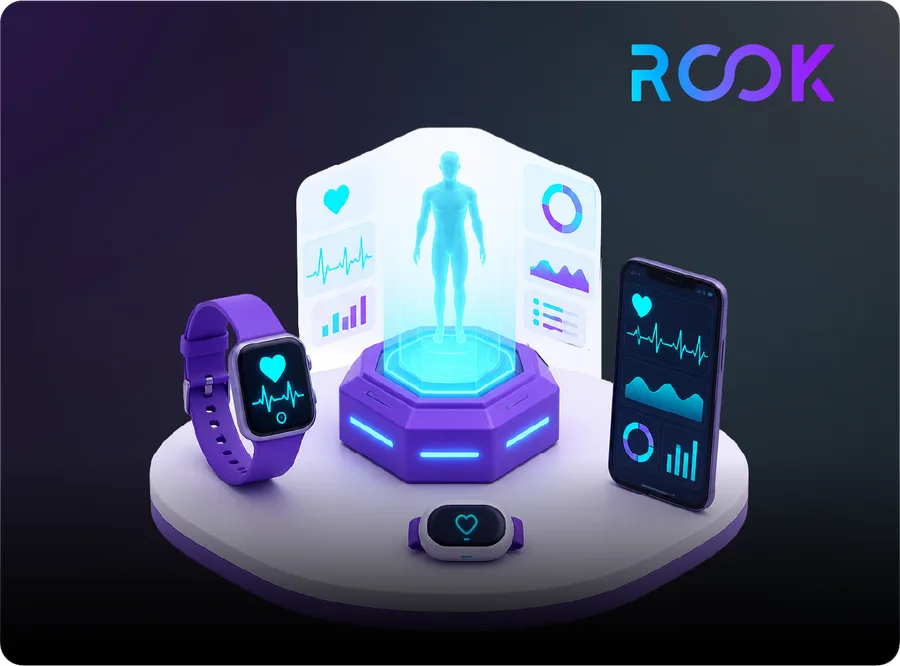
Wellness platforms are adopting integrations with wearable devices to offer
personalized experiences. Discover how the integration of continuous health
data, such as activity, sleep, and heart rate, is transforming the future
of wellness platforms.
Learn why many remote patient monitoring (RPM) programs fail to scale and
how standardized health data, interoperability, and a unified integration
layer help healthcare organizations reduce engineering complexity and
improve clinical outcomes.
Learn how to integrate wearable data into clinical workflows without
increasing technical complexity. Discover why standardization,
interoperability, and a scalable architecture are essential for ACCESS
programs and digital health platforms.
Before going live, ACCESS model companies need the right data
infrastructure, onboarding flows, reporting logic, and monitoring systems
to scale patient programs with confidence.
PEAR Health Labs uses ROOK to unify wearable data, reduce integration
complexity, and power real-time, personalized training experiences through
clean, standardized health data.
The ACCESS model needs clean, standardized wearable data to scale patient
monitoring, improve reporting, and turn fragmented health signals into
actionable insights.
In Latin America, the wearable opportunity is not about building more
devices, but unlocking the data they already generate. APIs like ROOK
simplify integrations, reduce fragmentation, and help health and wellness
companies scale faster through a single data platform.
Discover how integrations with wearable devices can transform wellness
platforms, offering real-time data and personalized experiences that
enhance user health and wellness tracking. Learn about the benefits and
challenges of these integrations.
Understand the difference between SDKs and APIs in health tech and how each
impacts integration, scalability, and development speed when working with
wearable and health data.
Learn how wearable SDKs simplify healthcare app development by enabling
faster integrations, standardized data, and scalable infrastructure for
building reliable, data-driven health products.
Physmodo transforms movement analysis by integrating real-time wearable
data with its AI-powered platform. Discover how ROOK’s unified API helped
Physmodo simplify data integration and enhance user experience while
improving movement assessments.
Novos Labs enhances its longevity platform by integrating continuous
wearable data with biological tests. Discover how ROOK helped enrich
biological age tracking and provide more personalized insights to users.
Discover how NASM is transforming digital fitness education by integrating
wearable device data with ROOK, enhancing coaching tools, and offering more
personalized experiences for trainers and clients.

 research.io