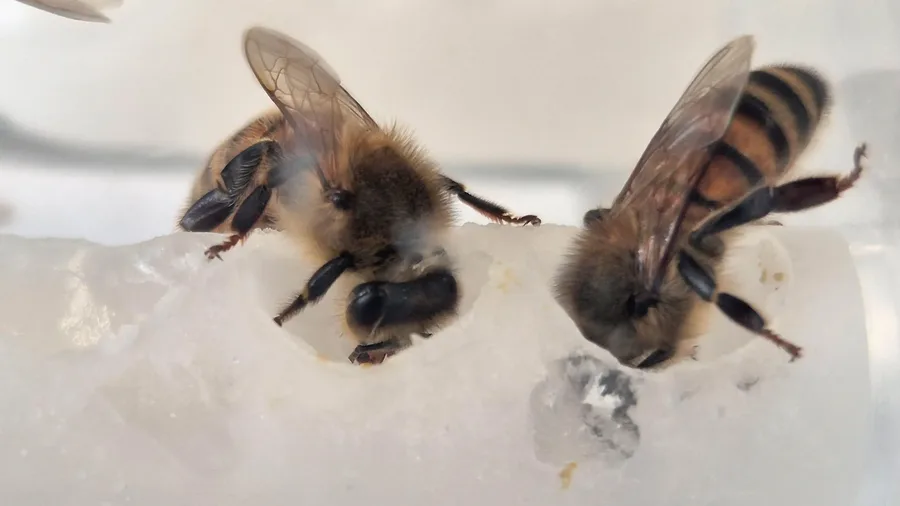
Glyphosate was long thought to be safe for honeybees because they lack the enzyme the chemical targets in weeds. However, researchers found that exposed bees foraged 13 percent less after only three days and showed changes in brain chemicals linked to behavior. Across a whole hive, that decline could reduce honey production, weaken pollination, and threaten long-term survival.
Cacti may look like slow, stubborn desert survivors, but they’re actually evolving at lightning speed. Scientists studying more than 750 cactus species discovered that what really drives the explosion of new cactus species isn’t flower size or specialized pollinators, but how quickly cactus flowers change shape over time. The finding overturns a long-standing idea dating back to Darwin and reveal…
Scientists have developed a breakthrough “superfood” for honeybees by engineering yeast to produce the essential nutrients normally found in pollen. In controlled trials, colonies fed this specially designed diet produced up to 15 times more young, showing a dramatic boost in reproduction and overall health. As climate change and modern agriculture reduce the availability of natural pollen, this …
A cow named Veronika has stunned scientists by using tools in a flexible and purposeful way. She chooses different ends of a brush depending on the part of her body and adjusts her movements accordingly. This level of tool use is incredibly rare and was previously seen mainly in primates. The finding hints that cows may be much smarter than we assume.
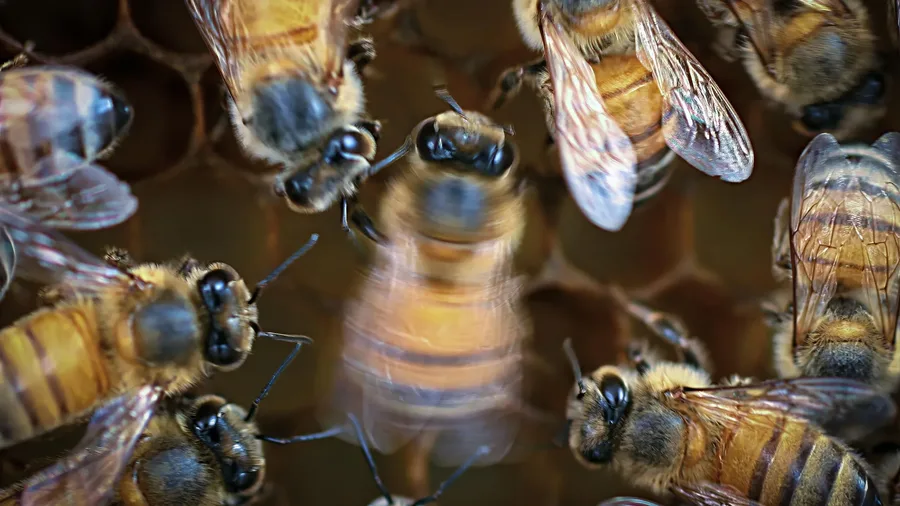
Honey bees don’t just perform their famous waggle dance to share directions, they actually adjust how well they dance depending on who’s watching. Researchers found that when fewer bees pay attention, the dancer becomes less precise as it moves around trying to attract an audience. This means the dance is not simply a fixed message about food location, but a flexible performance shaped by social …
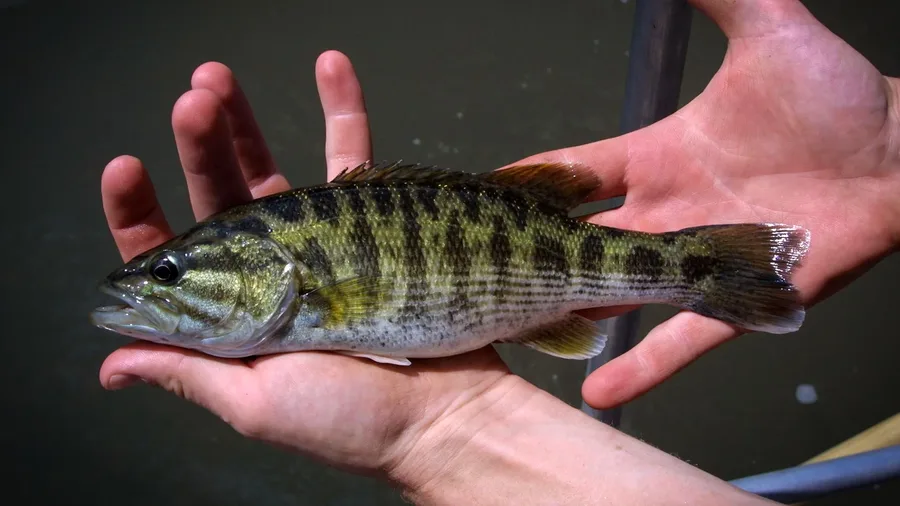
Two new species of black bass have been officially identified after decades of confusion with similar fish. Bartram’s bass and Altamaha bass stand out not just in appearance, but in their DNA, revealed through detailed genetic analysis of hundreds of specimens. Scientists say this breakthrough helps preserve a record of these species as habitat changes and hybridization threaten their future. Wha…