ethology

Frontiers in Psychology | New and Recent Articles

Emotions are signalled among conspecifics but also to other species to facilitate ethologically meaningful responses towards external and internal cues. An unresolved question, however, is whether the universality of emotional recognition extends to vocalizations that lie outside a species’ natural auditory range. Here we asked whether humans perceive emotional content of frequency-shifted rat ul…

biologyethologyzoology
Sci.News: Breaking Science News

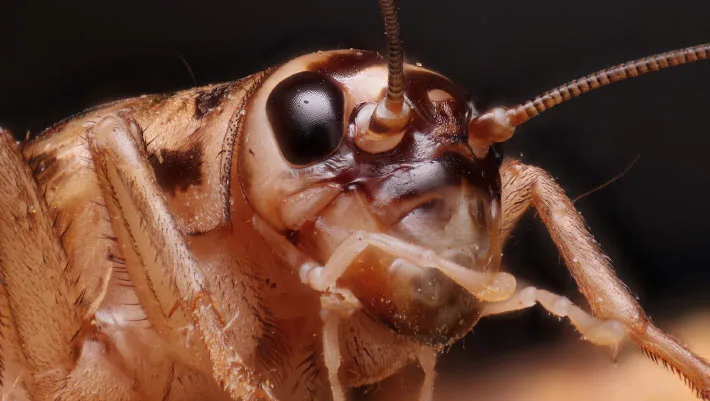
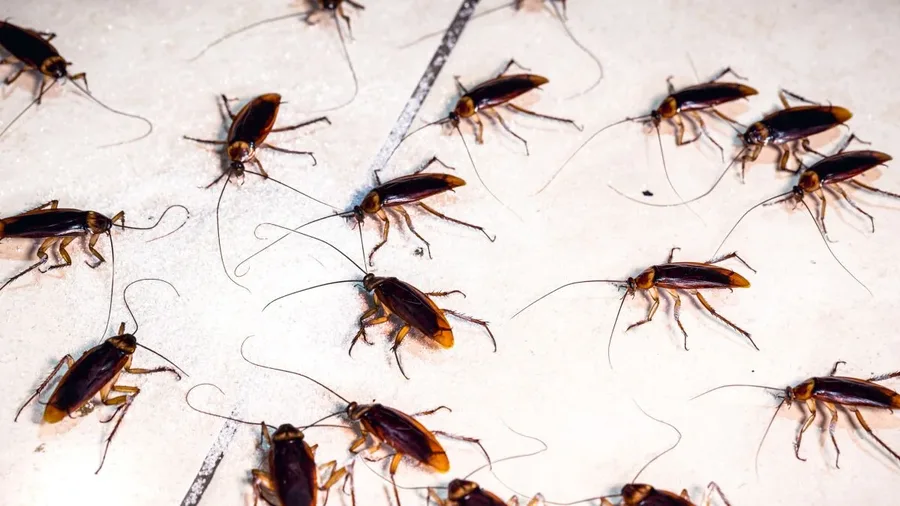
When an antenna of the house cricket (Acheta domesticus) is touched with a heated probe, something curious happens: the insect turns its attention to the burned spot, grooming it repeatedly, for far longer than it would after a harmless touch or no contact at all. The post Insects May Feel Pain, New Study Suggests appeared first on Sci.News: Breaking Science News .

biologyethologyzoology
Futurity
Rockefeller University
4/15/2026

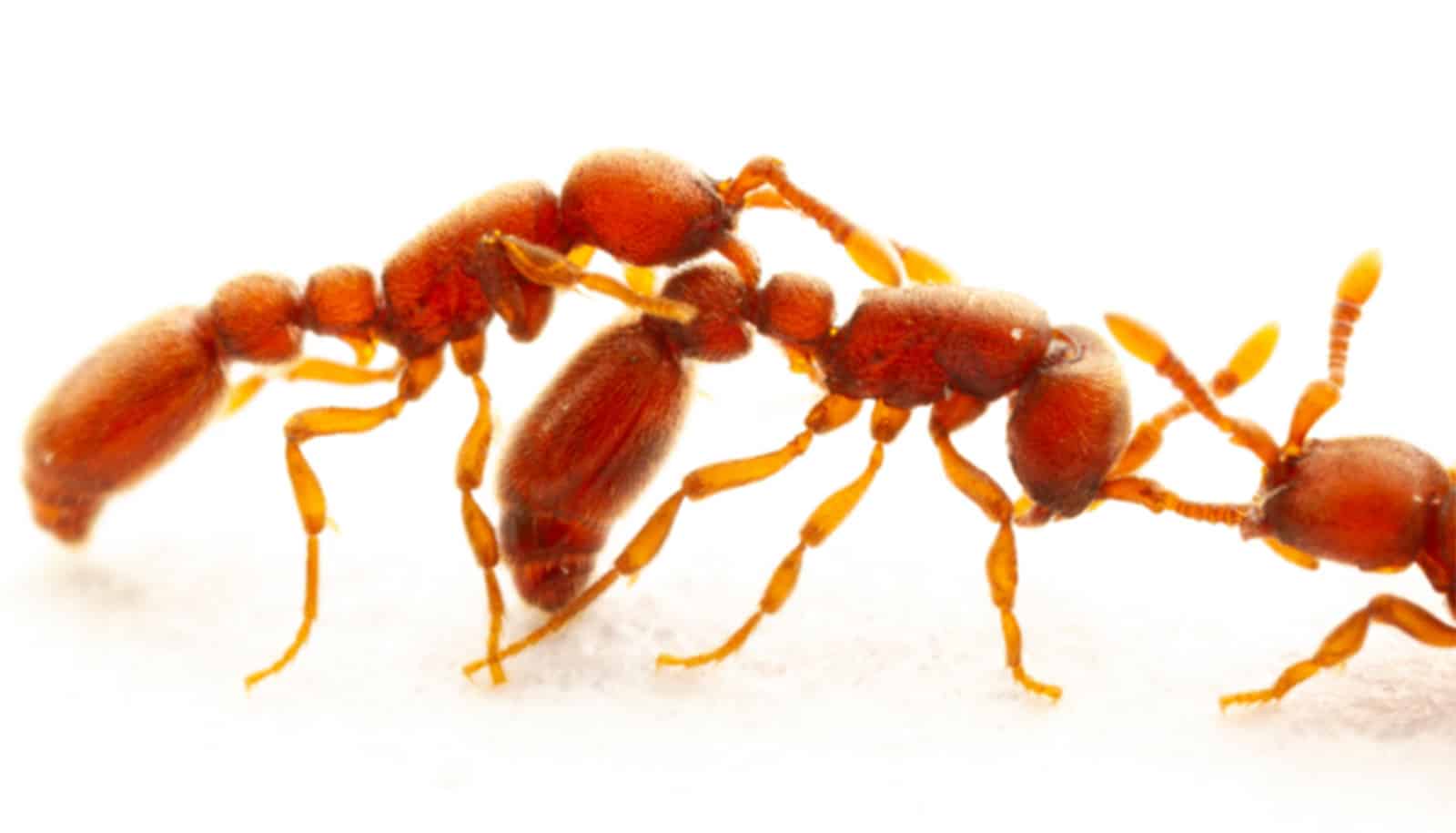
New research shows that ants can update their sense of who is a nestmate versus who is not throughout adulthood.

biologyethologysocial-behavior
Science News
Science - The i Paper
iResearchNet

Sample Culture In Nonhuman Organisms Research Paper. Browse other research paper examples and check the list of research paper topics for more inspiration. iResearchNet offers academic assignment help for students all over the world: writing from scratch, editing, proofreading, problem solving, from essays to dissertations, from humanities to STEM. We offer full confidentiality, safe payment, ori…

animal-behaviorbiologyethology
SciTechDaily

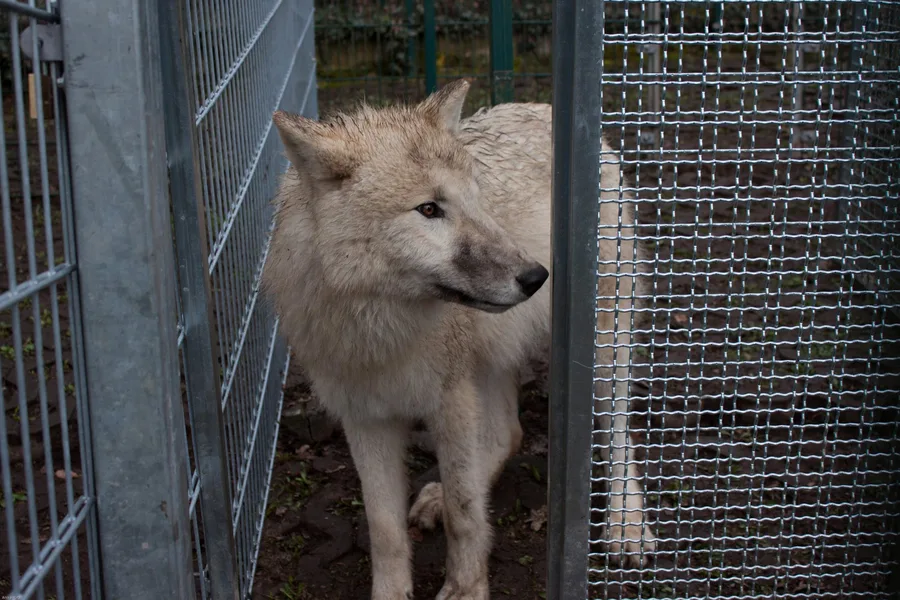
Basic cooperation skills appear to be shared by dogs and wolves, suggesting that this ability was present in a common ancestor and was not lost during domestication. A team of researchers have found that dogs and wolves are equally good at cooperating with partners to obtain a reward. When tested in same-species pairs, dogs and wolves proved equally successful and efficient at solving a given pro…

biologyethologyzoology
Nautilus

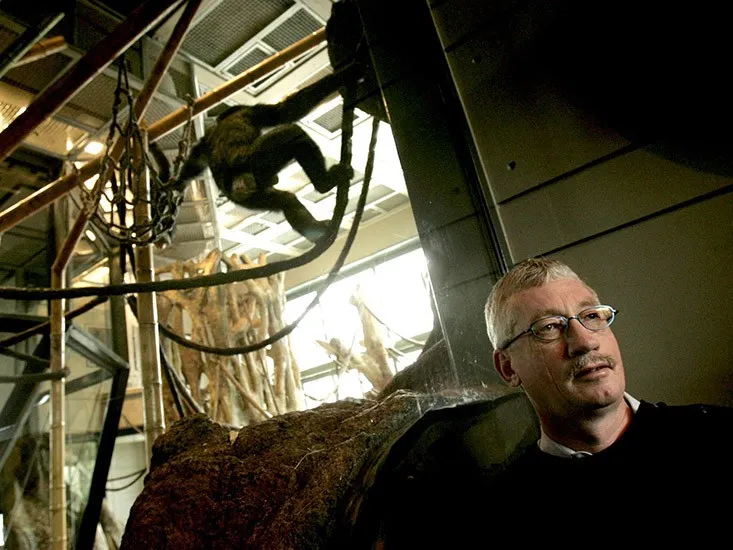
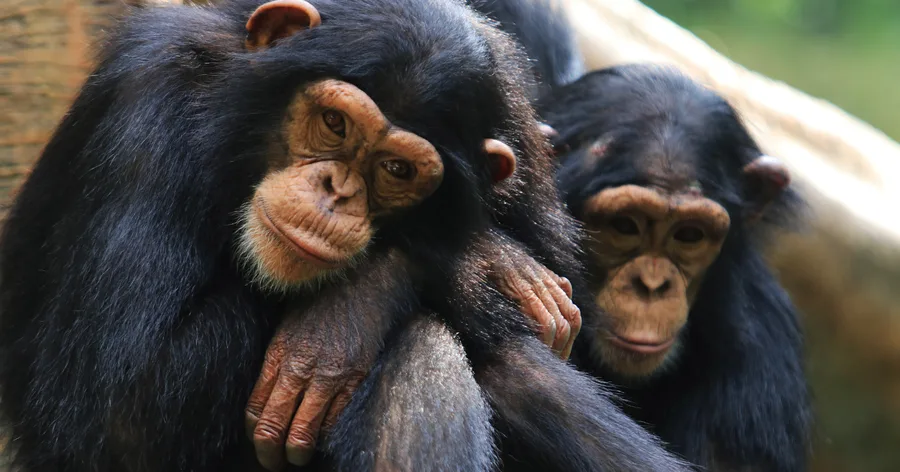
Frans de Waal calls his new book Mama’s Last Hug in reference to an emotional encounter between Mama, a 58-year-old chimpanzee, and Jan van Hooff, an 80-year-old biology professor. Mama is frail and near death when Van Hooff, who had overseen her care for decades, enters her cage at Burgers Zoo in the Netherlands. Mama smiles and Van Hooff bends toward her. She strokes his white hair and drapes o…

biologyethologyzoology
Welcome to the EvoS Consortium!

This July I attended the International Society for Human Ethology Summer Institute in Orono, ME. Besides meeting some extraordinary people (and having an amazing time!), I also discovered how important ethology is for evolution. At the heart of ethology is … Continue reading →

biologyethologyevolution
Science Media Centre

Renowned primatologist Jane Goodall breezed through Wellington late last week to promote a new book and give a very-well received public lecture at Wellington Zoo. The Science Media Centre’s Dacia Herbulock recorded the proceedings. [audio:https://www.sciencemediacentre.co.nz.php5-1.dfw1-1.websitetestlink.com/wp-content/upload/2008/10/jane-goodall-total.mp3]

biologyethologyzoology
Greater Good
About the Author Alex Dixon Alex Dixon is a Greater Good editorial assistant
9/1/2008

Laugh and the whole world laughs with you. Yawn, and so will your dog. A recent study published in the journal Biology Letters found dogs yawn when humans do, suggesting that canines may have the capacity for empathy. In their experiment, researchers from the University of London yawned at 29 dogs. Seventy-two percent yawned back—a higher frequency than humans, who typically yawn back 45 to 60 pe…

biologyethologyzoology
Greater Good
About the Author Alex Dixon Alex Dixon is a Greater Good editorial assistant
8/26/2008

Laugh and the whole world laughs with you. Yawn, and so will your dog. A recent study published in the journal Biology Letters found dogs yawn when humans do, suggesting that canines may have the capacity for empathy. In their experiment, researchers from the University of London yawned at 29 dogs. 72 percent yawned back—a higher frequency than humans, who typically mimic a yawn 45 to 60 percent …

animal-behaviorbiologyethology