Volcanology – The Conversation


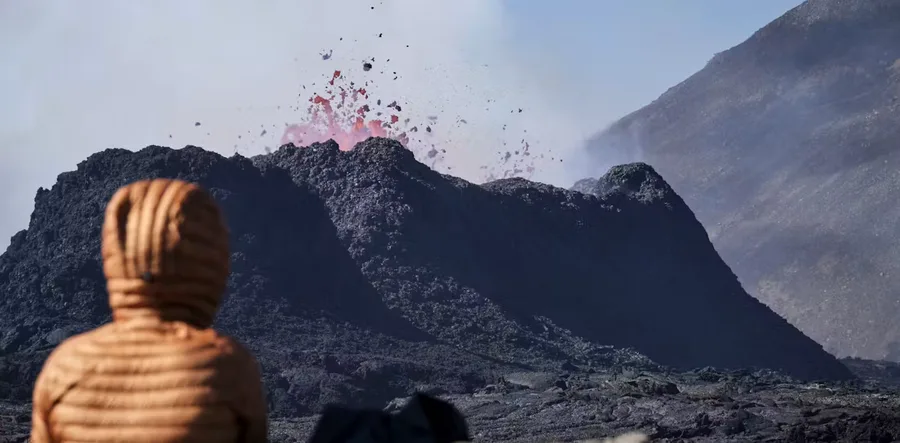
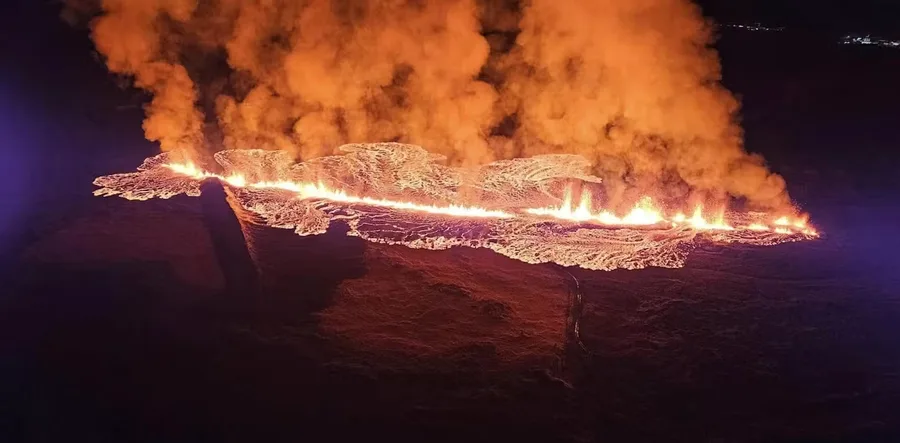
The last time south-west Iceland experienced a turbulent period of earthquakes and volcanic eruptions was in the 1300s.

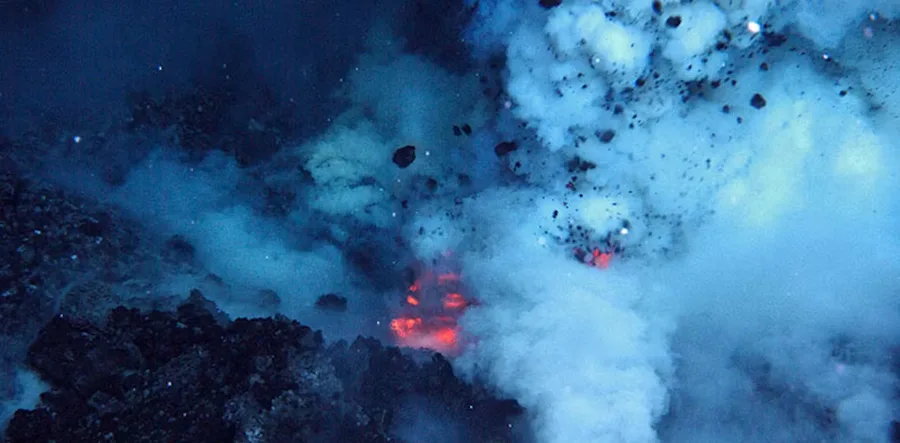
Volcanic eruptions on the seafloor are mysterious, but new research provides fresh clues.

To be better prepared for future eruptions there’s a need to understand and monitor poorly known volcanoes, even in remote places.

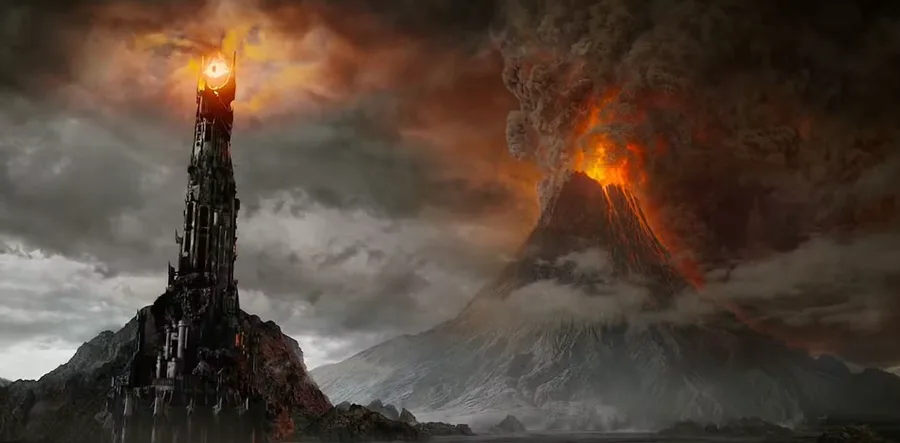
In the Lord of the Rings prequel, The Rings of Power, the dark realm of Mordor is created by diverting a river into a dormant volcano, setting off a huge eruption – but is this scientifically viable?

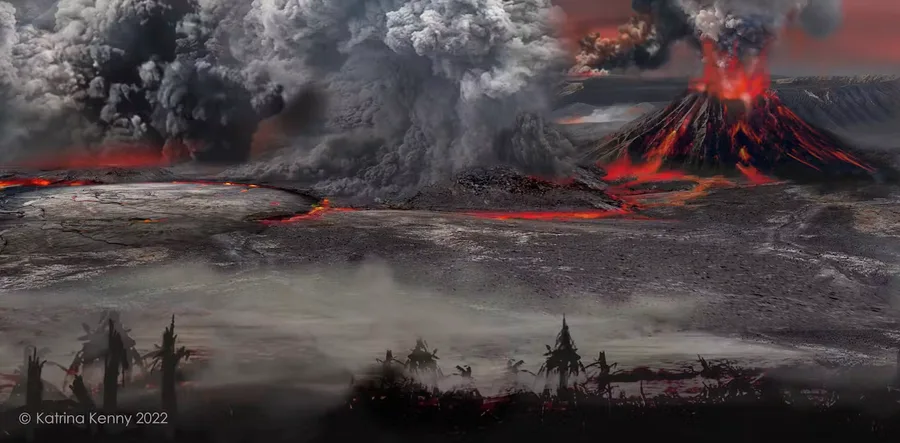
Research has found evidence in NSW for one the most devastating series of volcanic eruptions known.

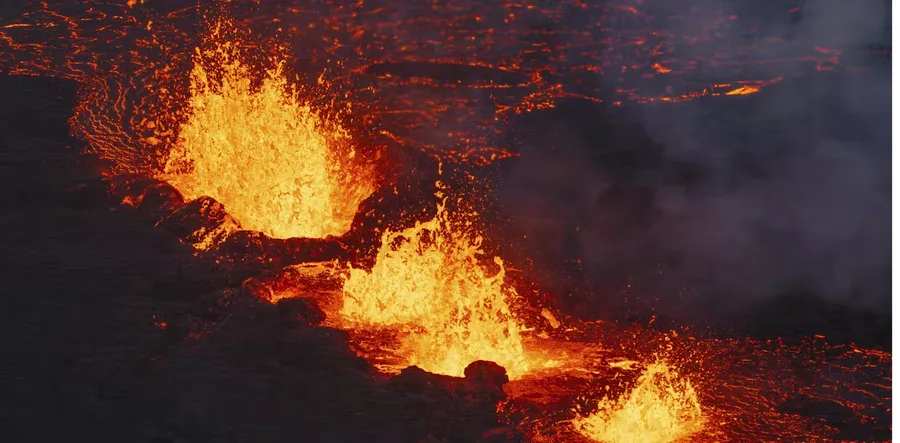
Evidence suggests magma is close to the surface in south-west Iceland, prompting evacuations.

Compared to Earth, more “oomph” is required to bring magma to the surface of Mars, and this is probably why we haven’t seen any recent eruptions on the red planet.

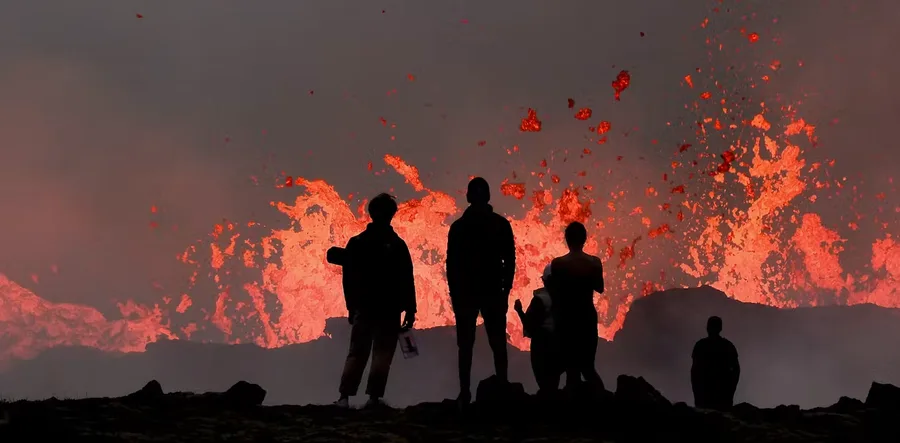
Iceland’s volcanic activity is generally tame compared with explosive eruptions along the Pacific’s Ring of Fire. This time, it’s shaking up a town.

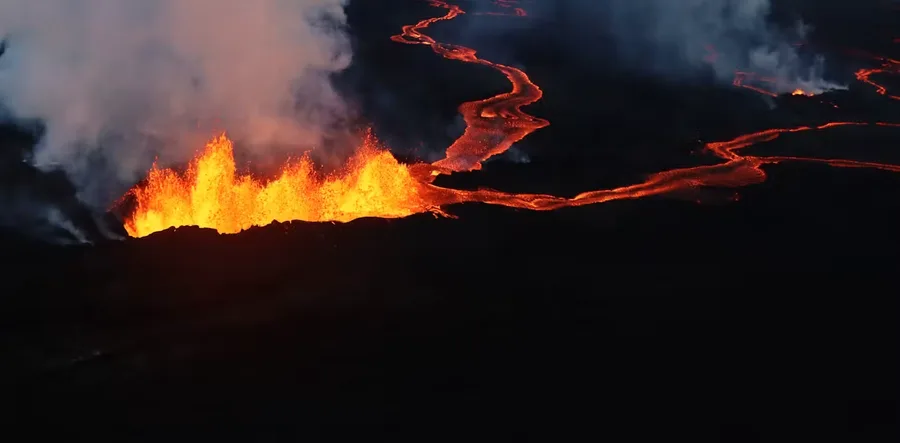
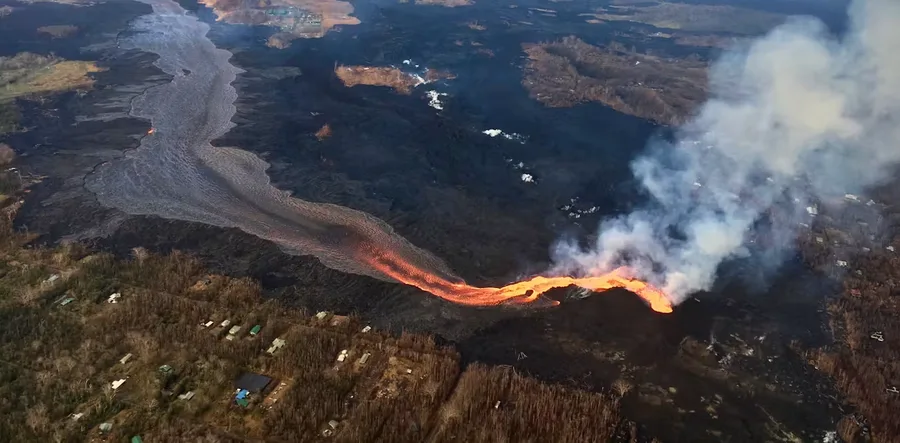
A scientist who led one of the first projects to map the Hawaiian Islands’ deep volcanic plumbing explains what’s going on under the surface as Mauna Loa erupts.

Iceland, Hawaii and Italy have all tried to control lava to save cities in the past. A volcanologist explains the methods.

Scientists say they’ve found a new method to help predict when volcanoes will erupt, based on data crunched from an eruption last year in Hawaii.

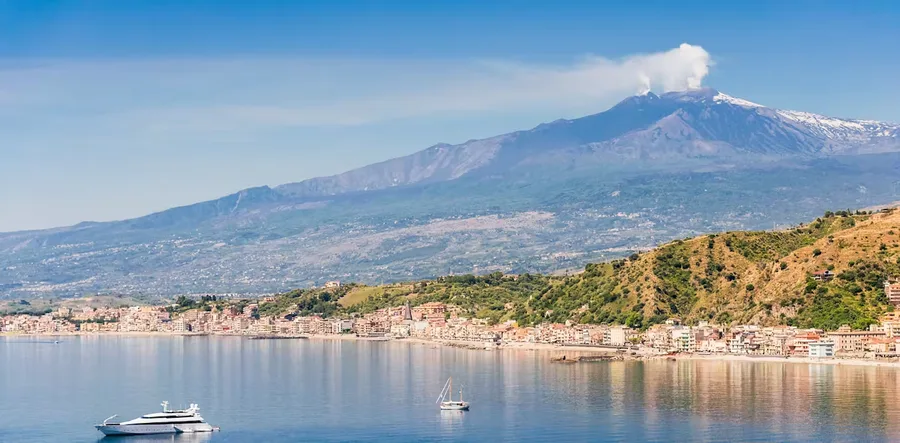
Gravity, not magma, is forcing Etna to move, increasing the chances of collapse.

Decoding volcanic ‘crystal balls’ can help scientists tell ahead of time when a volcano is going to erupt

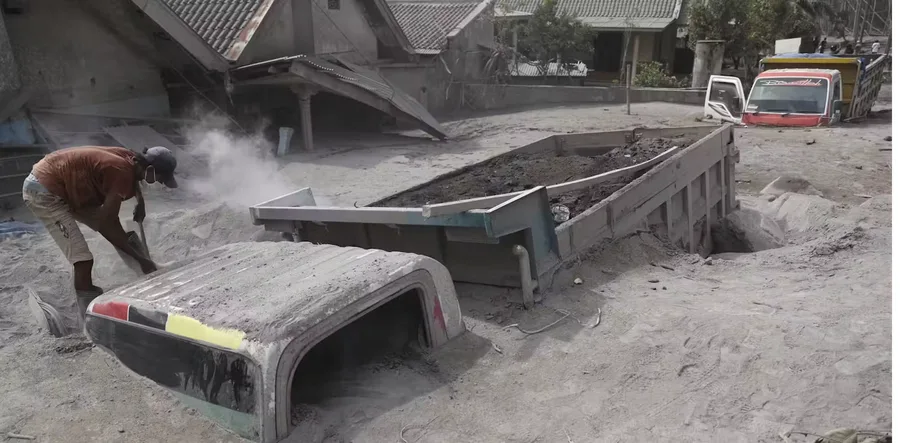
The eruption in East Java that claimed 22 lives on Saturday was likely triggered by weather conditions rather than by internal unrest inside Mount Semeru, which would have been easier to monitor.

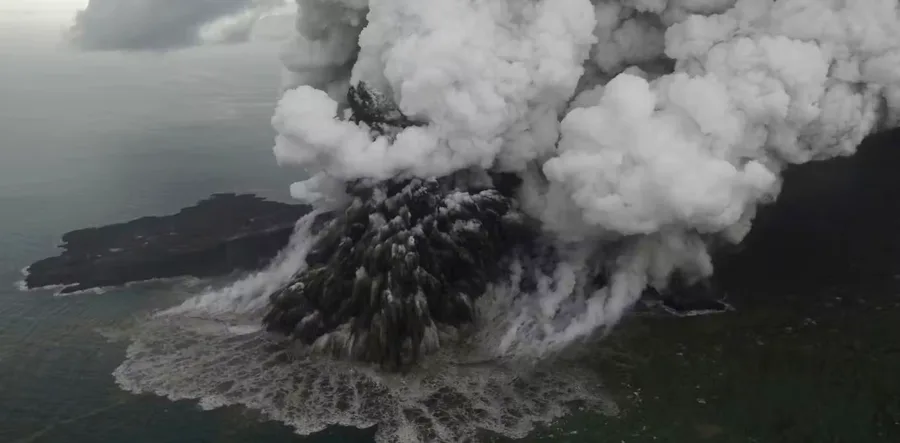
Research into volcanic activity in the waters off Indonesia shows how active this region is and how destructive landslide-caused tsunamis can be.

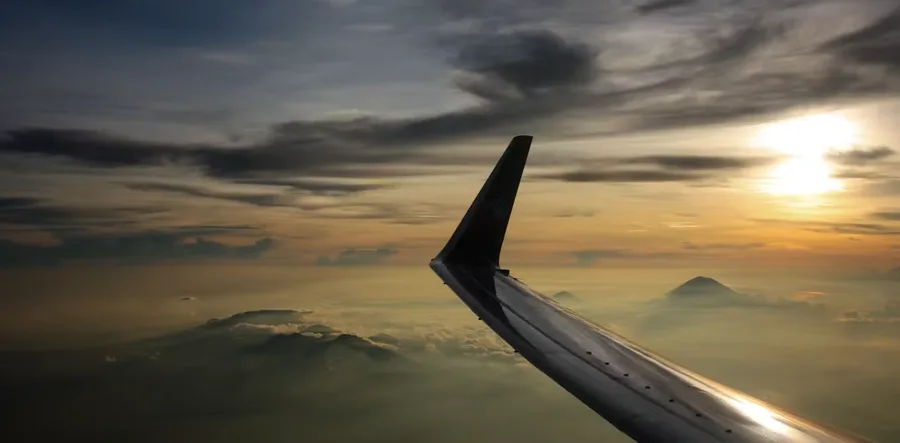
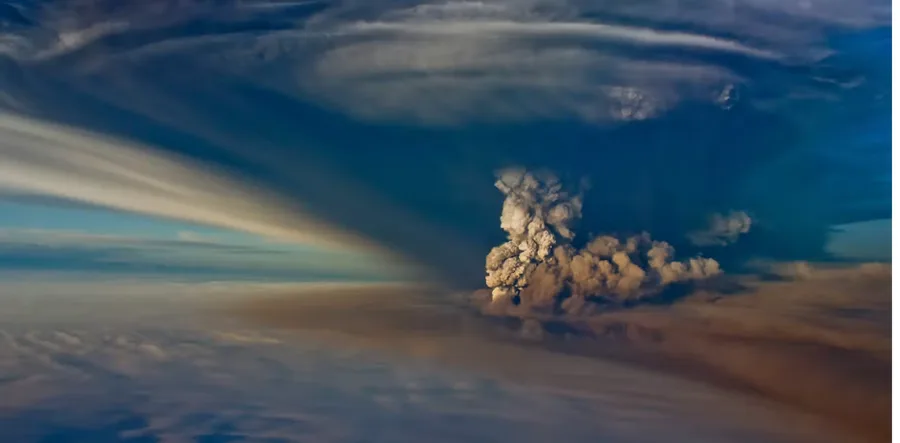
Volcanic ash is made of tiny crystal and rock fragments that during an eruption can reach as high as the cruising altitude of commercial aircraft, and that’s a concern for airlines.

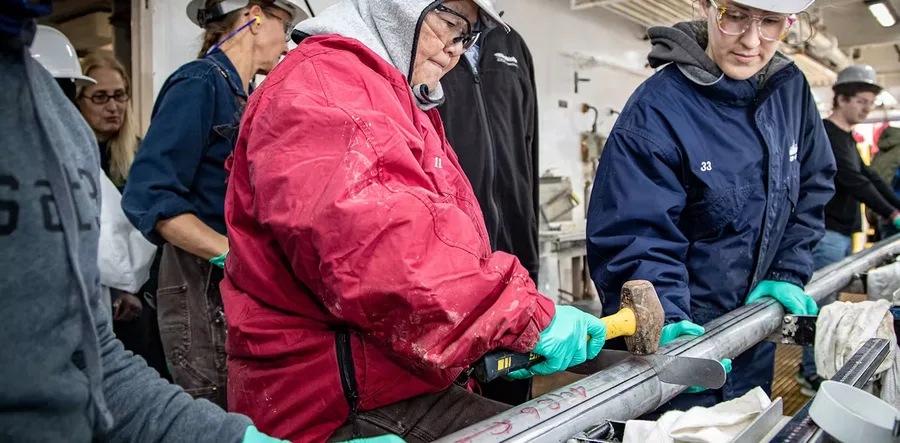
A newly discovered half-million-year-old layer of volcanic sediment beneath the Aegean Sea rewrites what scientists know about this area’s volcanic history – and potential future hazards.

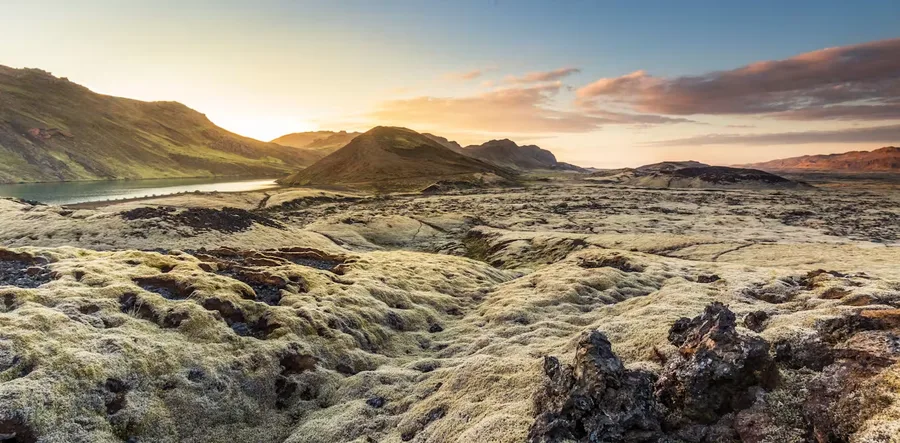
Icelandic authorities have recently raised the threat level of the Grímsvötn volcano.

research.ioSign up to keep scrolling
Create your feed subscriptions, save articles, keep scrolling.