


For centuries, lilies have captivated gardeners with their striking blooms -- yet most cultivated varieties struggle when temperatures drop. Now, researchers have uncovered how a wild lily species survives extreme cold by rewiring its own pigment production. The discovery centers on a single transcription factor that suppresses colorful anthocyanins while boosting other protective flavonoids, effectively trading beauty for survival. This mechanism not only explains the remarkable cold tolerance of tiger lilies but also opens new possibilities for breeding more resilient ornamental and food crops in an era of climate instability.
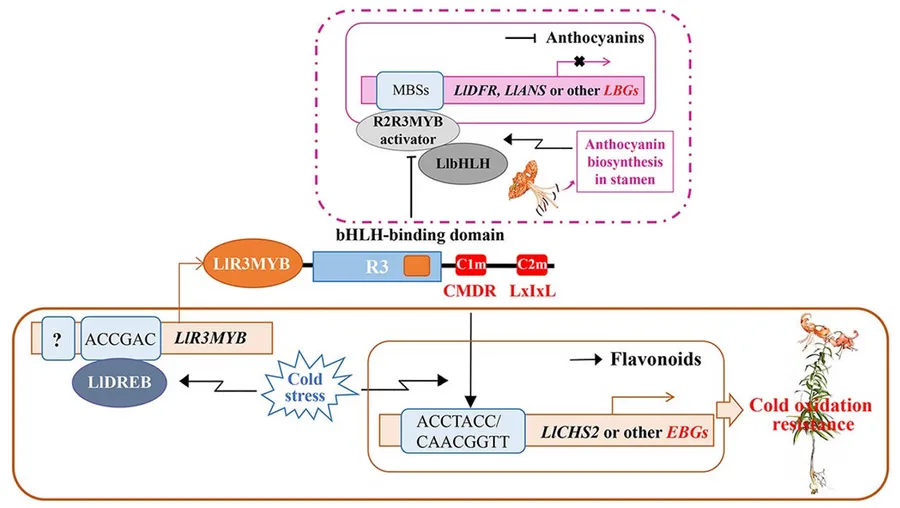
From Pink to White: The Genetic Switch That Helps Lilies Brave the Cold
Chinese Academy of Sciences