Scientific Reports, Published online: 21 August 2026; doi:10.1038/s41598-026-64567-9 Responses of CO 2 concentrating mechanisms to variable CO 2 in different leaf regions of Vallisneria natans and V. spinulosa
Just like all other organisms, plants are not alone in responding to changes in their environment. Complex microbial communities inhabit the rhizosphere, the area of soil surrounding plant roots. Here, soil microbes interact with each other and with the plant, contributing to the plant’s dynamic adaptation to the environment. The study “Successive cultivation under drought […] The post #FEMSmicro…
If you like gardening, plants and the science of how things grow, there might be a bright future in store for you. Learn from these five FFA alumni who have found careers in plant science.
With the growing importance of sustainable fruit production and the increasing demand for reduced reliance on chemical fertilizers and pesticides, plant growth-promoting rhizobacteria (PGPR) have attracted considerable attention as promising biological resources in orchard systems. However, current research is mainly constrained by an overreliance on single-trait interpretations of PGPR function,…
Snapdragons bring charm to spring borders, but they are cool-weather annuals that collapse once summer heat arrives. Angelonia (Angelonia angustifolia), widely sold as summer snapdragon, produces the same upright spikes of tubular flowers and keeps blooming through the hottest weeks of the season. In USDA hardiness zones 9 and warmer it behaves as a perennial; […] The post Growing Angelonia: Plan…
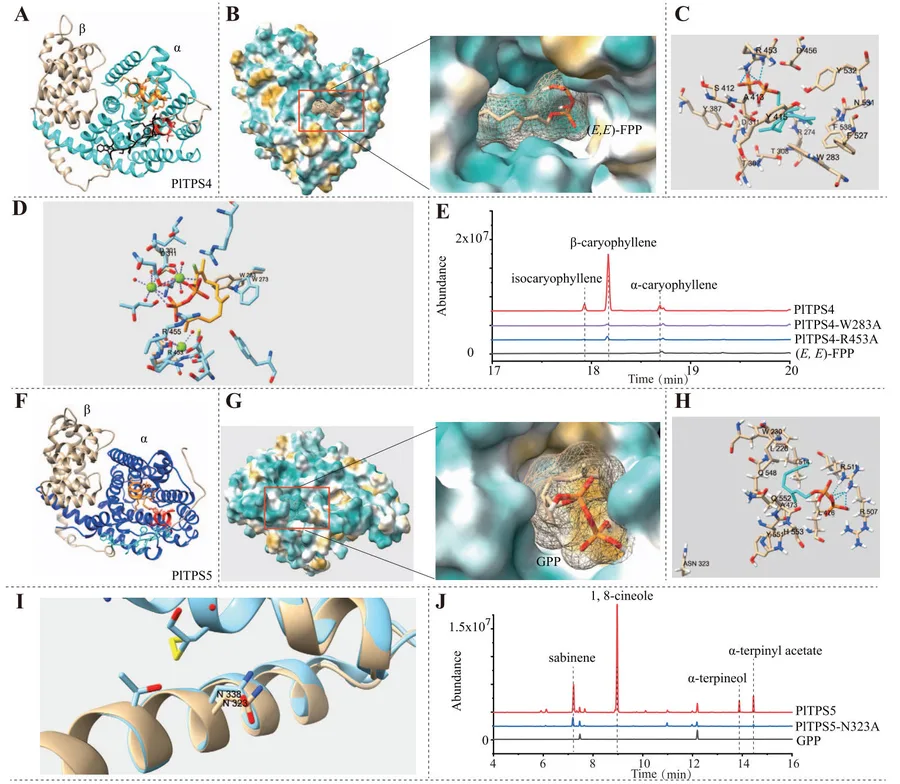
Floral scent is more than a pleasant trait: it shapes pollinator attraction, plant communication, and the market value of ornamental flowers. In herbaceous peony, one of the world's most valued garden and cut-flower plants, the molecular recipe behind fragrance has remained only partly understood. A new study traces how Paeonia lactiflora 'Zifengyu' produces its dominant scent compounds, includin…
Cilantro is the fastest-reward herb in most gardens. The seeds sprout within one to two weeks, the feathery leaves are ready to pick in about three to four weeks, and one plant can keep producing for months when you harvest it correctly. It grows as an annual, so the plant lives its whole life in […] The post How to Harvest Cilantro and Keep the Plant Producing appeared first on Building and Cons…
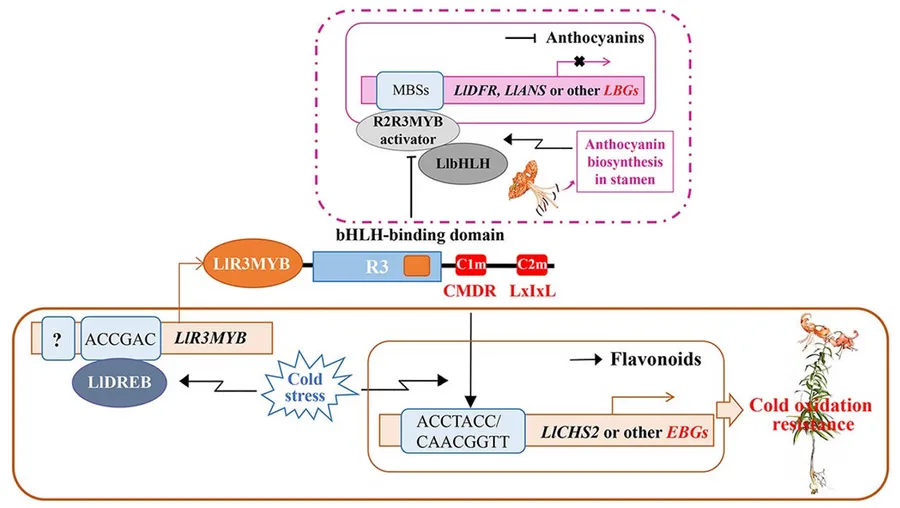
For centuries, lilies have captivated gardeners with their striking blooms -- yet most cultivated varieties struggle when temperatures drop. Now, researchers have uncovered how a wild lily species survives extreme cold by rewiring its own pigment production. The discovery centers on a single transcription factor that suppresses colorful anthocyanins while boosting other protective flavonoids, eff…
Nitrogen (N) deposition from air pollutants such as nitrogen oxides and ammonia has been increasing for over a century, with no signs of a halt. N-deposition effects on growth, leaf traits, and physiological processes are species-specific and are influenced by other environmental factors. Positive effects occur as long as N deposition is moderate; higher doses,… Continue reading... The post What …
Establishing causal relationships in plant-microbe studies can be exceptionally difficult, as it requires juggling sterility, standardization and manual labor. A single contaminant or inconsistent measurement can render weeks of work unusable. For example, one study on the effects of plant genotype and soil microbiome on growth in Lotus japonicus found that 15% of variability in shoot length was …




 research.io