


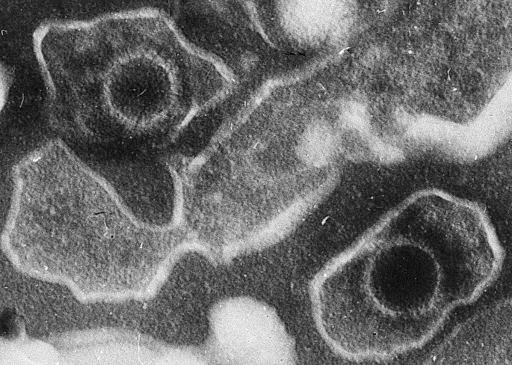
Autoimmune diseases affect millions of people, and have become an important focus of scientific research in the past decade due to their apparent increase in prevalence worldwide [1][2] - and yet little is known about their cause. Our body’s immune system is a pathogen-fighting machine, finely adapted to seek and destroy any foreign invaders which might cause damage within our bodies. To do this, it needs to be able to work out what is dangerous foreign material and what isn't, and sometimes it can get confused. Common allergies like hay fever occur when the body treats harmless pollen like a dangerous pathogen, and mounts an immune response. This can be irritating, but the real problem comes when your immune system becomes convinced your own body is a danger, and begins attacking itself. This is what happens in autoimmune diseases The precise cause of these diseases is unknown but is thought to be a combination of both genetic and environmental factors [3] . It is known that relatives of people with autoimmune diseases are more likely to develop them, yet multiple studies have shown that in a pair of identical twins, with identical sets of genes [4] , sometimes only one twin will develop an autoimmune disease. This suggests that while genetic factors can predispose you to an illness, an environmental factor may be involved in triggering the development of the disease. One type of environmental factor associated with autoimmunity is infection. Exposure to numerous common viruses has been described as a risk factor for developing autoimmunity. A well-known example is the Epstein-Barr virus ( EBV ) which is the cause of glandular fever (also known as the ‘kissing disease’ or Infectious Mononucleosis). Over 90% of the adult population are latently infected with EBV , meaning the virus is present in their system but does not cause any symptoms. All viruses have the ability to evade the host’s immune system in some way - this ability to hide from the immune system enables viruses to survive. Immune suppressive responses have evolved in viruses over time, and they have even stolen bits of our immune system that are beneficial to them. Image credit: By Liza Gross [8] ©2005 Public Library of Science (CC-BY). Just like any other virus, the EBV virus is able to evade its host’s immune system. One way it does this is to produce proteins which modulate the host’s immune system. In the majority of people this has no detrimental effect; however in people with genetic susceptibility to autoimmunity an immune response to the body's own tissues is initiated. We have not yet been able to explain why it affects this small proportion of people, but not the many others also infected. Continue to full article »
Autoimmune diseases - the friendly fire of our immune system
Guest blogger (noreply@blogger.com)