Sharks are normally carnivorous, but there appears to be one that bucks the trend. The bonnethead.
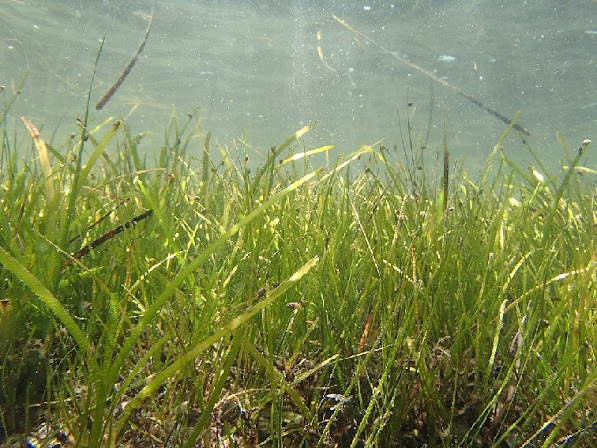
The bonnethead shark eats seagrass, and scientists think it may be omnivorous.
But not everyone agrees: dissenters say the shark is eating the seagrass by accident, and that's why baby bonnetheads (which are immature hunters) eat more than grown-ups. In fact, in babies, 50-60% of their stomach conte…
And it has its benefits.
Breastfeeding babies will feed better, grow better, and have better nutrition if they co-sleep with mum, and all babies see better parental attachment and neurological development – factors which are missed out when SIDS is prioritised. There is even some research indicating that people who co-sleep as children are more independent and socially developed as young adults.
…
I’m thinking of anaglyphs: those blue-green offset images: you put the glasses on, your brain brings the colours together, and suddenly you see a crisp, 3D image.
Scientists think the brain works in a similar way – several components do their jobs and the synergy of their union gives us those sharp, clear pictures of the past that we treasure so dearly. But what happens when it doesn’t do its job…
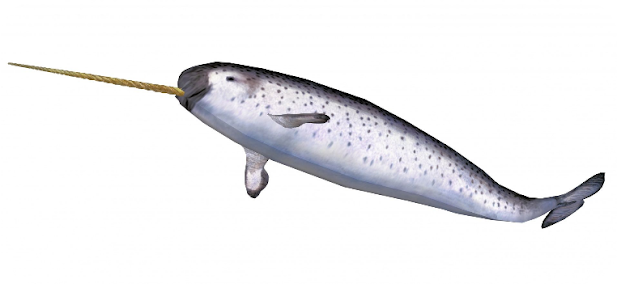
Narwhals, the unicorns of the sea, have large tusks (which are actually large canine teeth) protruding from their foreheads. Each tusk holds 10 million nerve endings. But what do they do? Narwhals have not been observed fencing with them for territory, food or mates, or using them to cut things or defend against enemies. Scientists think they may be sensors, sensing changes in pressure, salinity …
Ammonia may be a chemical you don't think about very much – but, perhaps, you should...
75-90% of all the ammonia made is used to make fertiliser, which is used to grow 50% of global food. Other industries that use it include pharmaceuticals, plastics, textiles, and explosives. We call it a “nexus molecule”.
But it's more than just that. Ammonia might be used in the future as a chemical energy st…
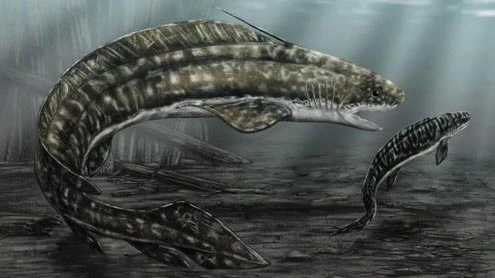
I’ve just learnt about a new shark – Orthacanthus – and maybe it’s Latin name will give you a clue as to why I hadn’t heard of it before: it’s extinct. But even when animals are long gone, the mysteries they leave in the ripples behind them continue to fascinate scientists. And all of us.
So what what was Orthacanthus? Imagine a long, eel-like body, and narrow, pointed teeth. These prehistoric sh…
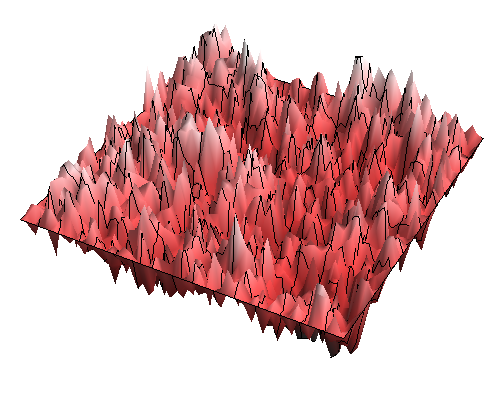
Quantum field theory takes an infinite number of field configurations and add them up with the proper weighting to come to a single conclusion. The Standard Model is one well-known example, but this could be much, much more useful. For example, we could predict readings on compasses – something we can’t do right now – at different altitudes as climbers go up mountains. It might sound simple, but …
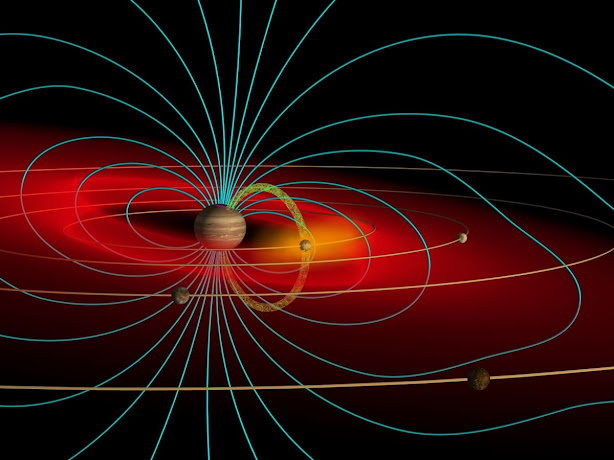
Built with a 20 radius and designed to spin, Juno is made to measure the magnetic field of Jupiter. Thanks to Juno, we now know that the planet’s dipole is the opposite way round (North and South) to Earth, and tilted ~10o from its rotational axis. The strength of the magnetic field (20 x that of Earth’s!) allows us to calculate how long a day is on Jupiter – because we can’t tell just by looking…
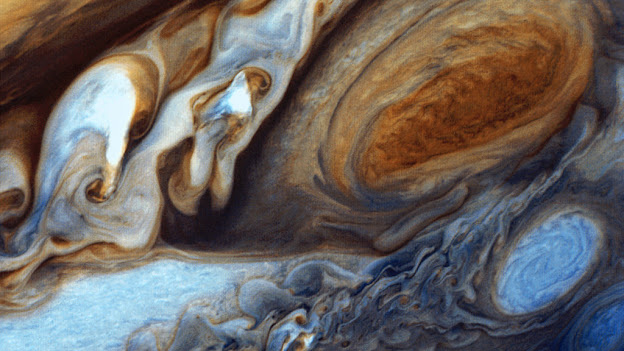
One of Juno’s findings has been some measurements of the Great Red Spot – a giant Jovian storm that could fit three Earth-sized planets inside it. Although Juno has the power to image up to 350 km deep into the Jovian atmosphere, it turns out that the Great Red Spot is deeper than this. Measurements of its temperature show that, for the first 80 km, it is cooler than the surrounding atmosphere, a…
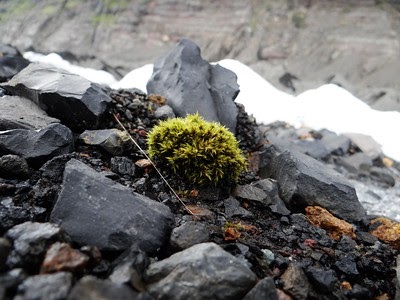
In glacial landscapes across the world, small balls of moss form, oval in shape, and tumble simultaneously as the glaciers melt, as if moving in a herd.
Known as “glacier mice”, these moss balls are understudied, but recently researchers have taken notice of them and their weird, herd-like behaviour[1]. This has led to all sorts of questions and a couple of published papers on the phenomenon, suc…
Our use of plastic is changing worldwide – and not for the better. Many governments with bans or restrictions on the consumption of single-use plastics have withdrawn the bans and, during the COVID-19 pandemic, our consumption of them in the form of personal protective equipment (PPE) has escalated, with estimates as high as sixfold increases – much is unrecyclable, and domestic and small busines…
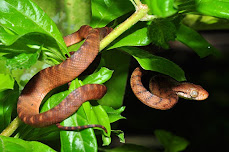
Brown tree snakes make a lasso with their tails to help them climb up wide trees. A non-indigenous invasive species in Guam, scientists think that this climbing technique may be a new adaptation to help them survive and persist in their new environment. The climbing technique isn’t easy, and requires a colossal amount of energy and concentration: but there is a reward at the end of it. The brown …
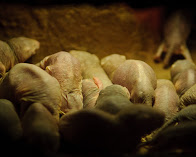
Social animals, naked mole rats live in colonies of around 60 individuals, but groups of as much as 300 are not uncommon. They have a single queen, and the workers pull together to help the community survive and thrive. When enemies threaten, they attack together, on cue, a naked army of rodent warriors.
To communicate, they chirrup, chatter, gruntle and squeak. If you’ve ever come within close p…
The voice of the fin whale penetrates the earth’s crust beneath the sea floor – a whale born ultrasound.
By pure coincidence, it seems to have the right amplitude and frequency to easily penetrate the rocks for hundreds of metres in depth, reflecting and refracting where the rock changes its density, or there is a a crustal interface – a change between one type of rock and another, between a rock…
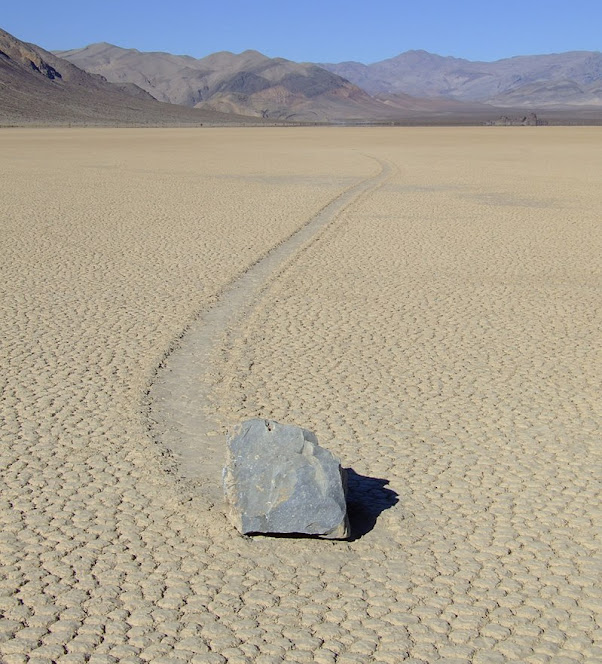
Have you heard of the sailing stones?
One of the strangest natural phenomena ever identified, these are dolomite and syenite rocks around 8-17 kg that rest on the flat, barren lakebed known as the “racetrack” in Death Valley. And move. Yes, that’s right. They move. And they leave skidmarks behind them.
Different rocks even move in different ways. Lighter ones move more. Rough-bottomed rocks move …
The methane mystery
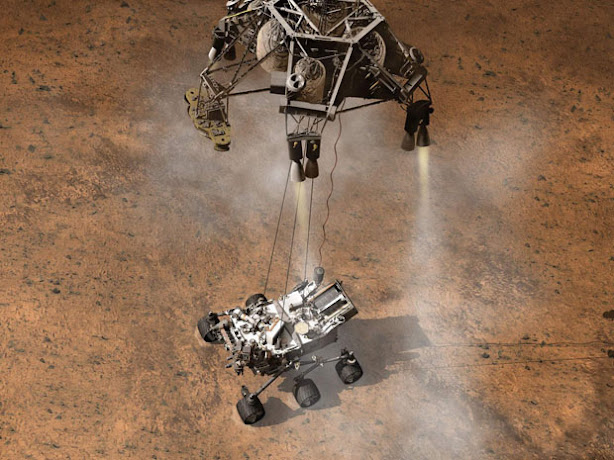
Methane on Mars is really interesting – and really hard to explain.
On Earth, methane signals microbes: they produce it, lots, as they break down organic matter. Although there are other, non-living sources of methane, such as some geological processes, it is generally considered a useful biomarker: i.e. if you find methane, you may have found life. No wonder scientists are al…
The extremes of space are sufficient to rip the atmosphere off Mars (our is protected by our magnetic field!) – so what hope does a little bacterium have? Actually, it turns out, rather a lot.
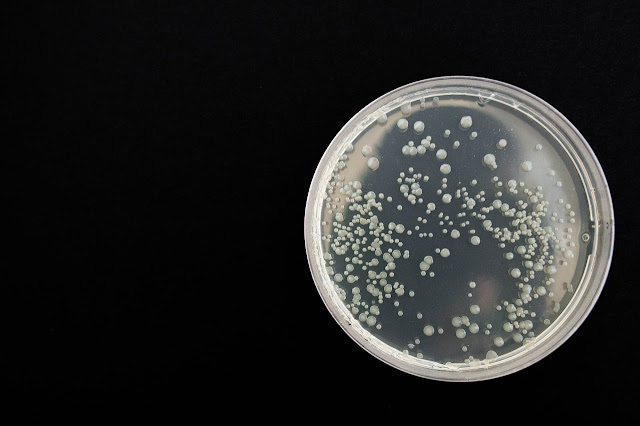
Despite very low pressures and temperatures and direct exposure to ionising radiation, Deinococcus bacteria dumped on the outside of the International Space Station managed to survive there for three whole …
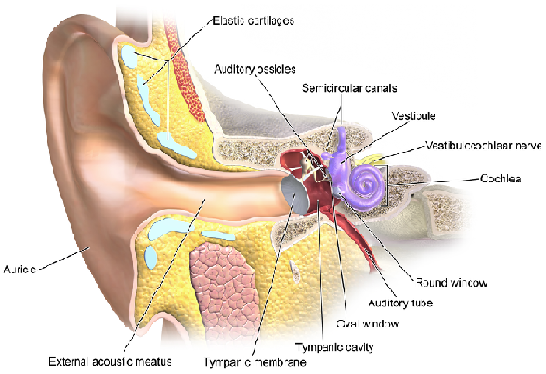
Whale earwax has been studied to unlock the chemical history of the oceans[1]. Forming as a plug, whale earwax has rings in it like a tree that map the history of their hormones – letting us know when they were under stress, for example – and the chemicals they were exposed to. This has allowed chemists to assess which substances such as drugs and fire retardants make their way into the environme…
Scientists are very interested in twins because it helps us identify the differences between genetic and environmental factors that influence health and behaviour. As a result, there’s been a lot of research on them, and this has uncovered some unusual types of twinning… such as sesquizygotic twins.
Most twins are monozygotic (identical: they come from a single egg that split in two), or dizygoti…
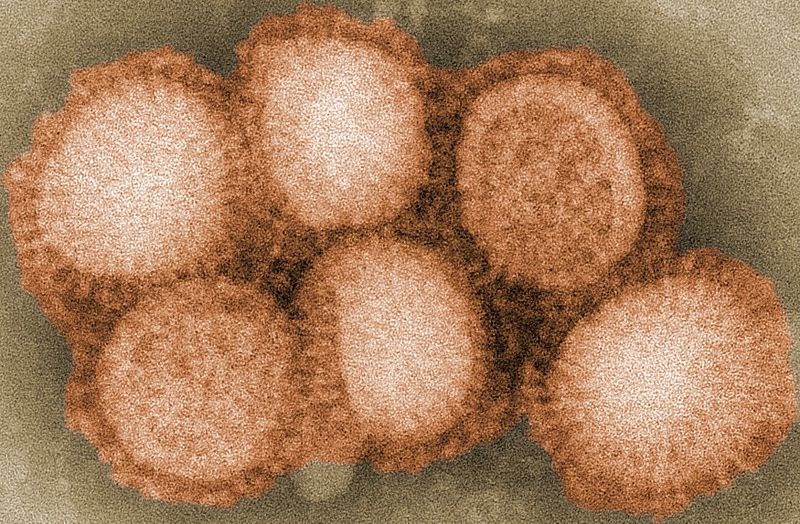
Why do we get colds and ‘flu more in winter?
In places with temperate climates, like the UK, colds and ‘flu are more common in winter. There’s a predictable seasonal pattern. Vaccines come out each year to help tackle new strains. But what drives this? Since we know about the germ theory, it’s clear that we don’t catch colds from chill winds, but instead from microbes that are passed from person …



 research.io