A simple yeast-based food supplement may help restore the immune system’s ability to fight cancer, according to new research in mice. Scientists found that yeast beta-glucan reprogrammed early immune cells in the bone marrow, leading to stronger, longer-lasting cancer-fighting responses against colorectal, skin, and breast cancer cells.
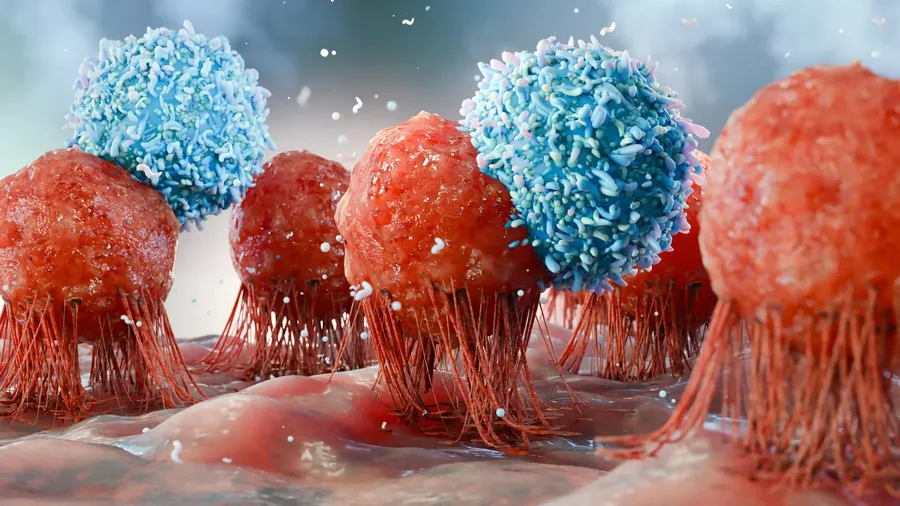
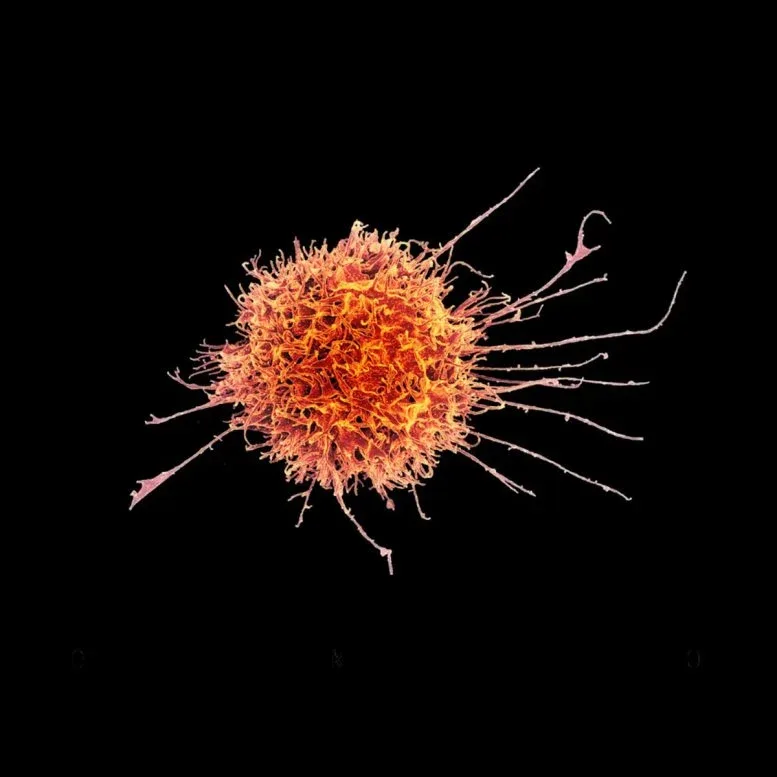
Stanford Medicine researchers and colleagues found a way to make natural killer cells better at attacking cancer. In mice, the enhanced cells entered solid tumors and slowed their growth. One of the biggest successes of modern cancer treatment has been learning how to turn the immune system into a weapon. But that strategy has worked [...]
Most people assume a father’s depression shapes his children through behavior and example. A new review suggests the biology runs far deeper and starts far earlier.
A simple yeast-based food supplement may help restore the immune system’s ability to fight cancer, according to new research in mice. Scientists found that yeast beta-glucan reprogrammed early immune cells in the bone marrow, leading to stronger, longer-lasting cancer-fighting responses against colorectal, skin, and breast cancer cells.
Nature Communications, Published online: 22 August 2026; doi:10.1038/s41467-026-76959-6 Responses to immune checkpoint inhibitors (ICI) in esophageal squamous cell carcinoma (ESCC) are highly heterogeneous, and the mechanisms underlying therapeutic sensitivity remain incompletely understood. Here the authors present multi-omics profiling of ESCC patients receiving neoadjuvant therapy and identify…
Nature Communications, Published online: 22 August 2026; doi:10.1038/s41467-026-76862-0 Small cell lung cancer (SCLC) is an aggressive malignancy characterized by an immunosuppressive tumor microenvironment (TME) resistant to Immune checkpoint inhibitor (ICI) therapy. Here, the authors define an XPO1-TRIM21-TNFSF15 axis that promotes the polarization of immunosuppressive TREM2+ macrophages, which…
Scientific Reports, Published online: 22 August 2026; doi:10.1038/s41598-026-68143-z Paeoniflorin inhibited macrophage polarization via glycolysis pathway to protect against sepsis-induced intestinal injury
BackgroundPost-stroke depression (PSD) is the most common neuropsychiatric complication following stroke. Puerarin (PU), the principal bioactive compound extracted from the medicinal and edible plant Pueraria lobata, has shown beneficial therapeutic effects in both depression and stroke. However, the therapeutic effect of PU on PSD and its underlying mechanisms remain unclear. This study investig…
[Cancer Gene Therapy] Researchers discovered a pronounced overexpression of NAT10 in prostate cancer tissues and cell lines, which correlated with enhanced cellular proliferation, migration, invasion, and overall tumor growth.
Bronchiolitis obliterans syndrome (BOS) is a progressive, fatal obstructive lung disease that occurs following lung transplant, where it is termed chronic lung allograft dysfunction BOS (CLAD-BOS), or as the primary manifestation of pulmonary chronic graft versus host disease (cGVHD-BOS) following allogeneic hematopoietic stem cell transplant. Disease pathogenesis is poorly understood; however, c…
We previously demonstrated that neurotensin, a 13-amino-acid gut hormone peptide, enhances small intestinal epithelial cell fatty acid uptake through inhibition of AMPK. Here, utilizing Drosophila and mouse models in vivo, as well as mouse and human small intestinal epithelial organoids or monolayers ex vivo, we determine the targets of neurotensin and AMPK associated with obesity and aging. High…




 research.io