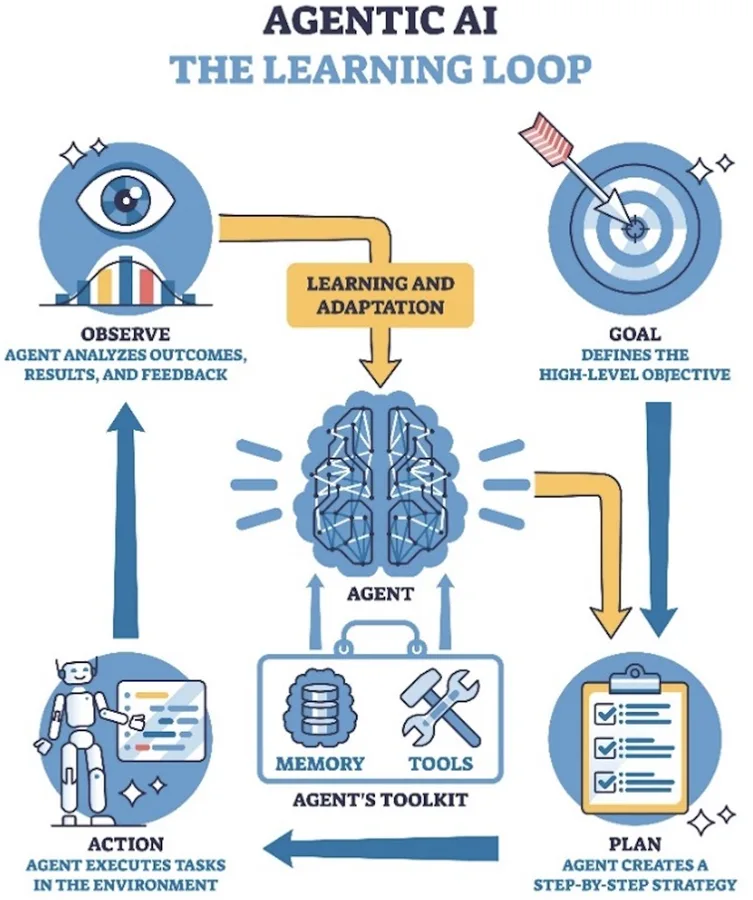
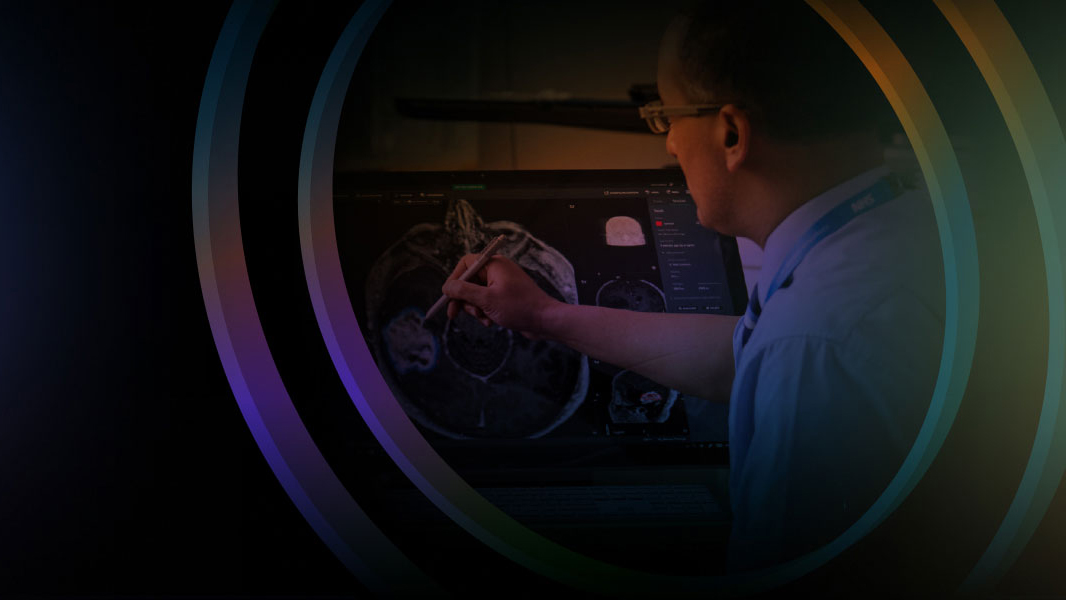
The long-term objective is to let engineers spend more time on what really matters and less time on manual coordination. The post Human-Centered Agentic AI Comes To RTL Verification appeared first on Semiconductor Engineering .
For most, artificial intelligence is thought of as technology and machines doing the work of human beings. For a team of researchers led by UT San Antonio experts, AI is a problem-solving tool with great capacity for making human life better. In this episode of the Launchpad podcast, UT San Antonio’s John Elizondo sits down […] The post How UT San Antonio is placing humans at the center of artifi…
Raised by AI? + Challenging Algorithms As algorithmic systems shape how we navigate the world—and AI shapes how the next generation grows up—a shared design challenge emerges: how do we build for human agency? By challenging opaque systems and examining what it means to be raised alongside AI, we move beyond critique toward designing technologies and environments that keep humans firmly in the lo…
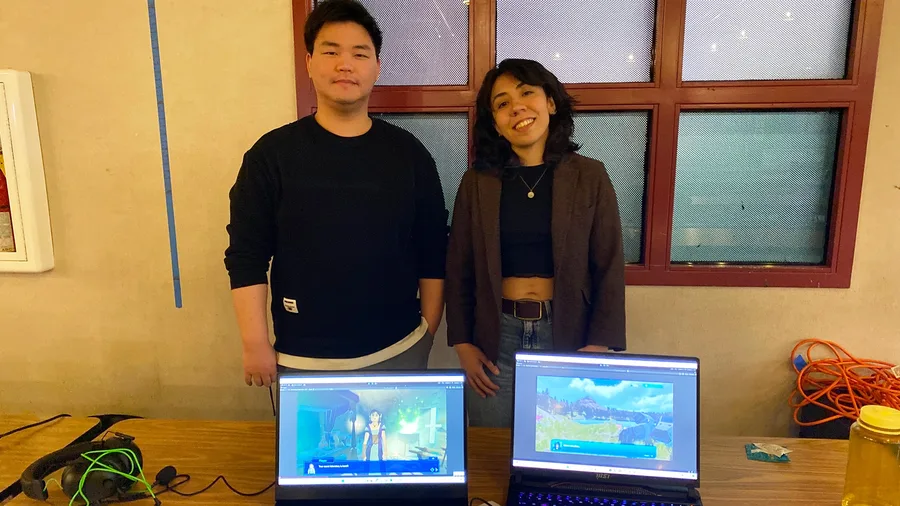
ICT is running a series of articles to highlight the work of our Undergraduate Researchers. In this essay we hear from Jaehyuk Choi, who is working in the Human-Centered AI Lab under the supervision of Dr. Ning Wang, while studying for his BFA, Game Development and Interactive Media at the USC School of Cinematic Arts, […]
Magentic-UI, new from Microsoft Research, is an open-source research prototype of a human-centered AI agent, designed to work with people to complete complex, web-based tasks in real time over a web browser. The post Magentic-UI, an experimental human-centered web agent appeared first on Microsoft Research .
Learn about a new white paper on Societal AI, an interdisciplinary framework for guiding AI development that reflects shared human values. It presents key research challenges and emphasizes collaboration across disciplines. The post Societal AI: Building human-centered AI systems appeared first on Microsoft Research .
ICT is running a series of articles to highlight the work of our student researchers. In this essay we hear from Betül Dincer, who is about to graduate with a MSc, Computer Science from Viterbi School of Engineering, and has been working as a Game Developer in the Human-Centered AI Lab, under the supervision of […]
In this issue: Skeleton Posterior-guided OpTimization (SPOT) exhibits potential in various causal discovery tasks; Using visual imagery for an EEG-based brain–computer interface; Developing human-centered AI systems to assist creative professionals. The post Research Focus: Week of July 29, 2024 appeared first on Microsoft Research .
🔬 Research Summary by Iyadunni J. Adenuga, a Ph.D. Candidate (ABD) at Pennsylvania State University, College of Information Sciences and Technology, with research interests in human-centered AI systems. [Original paper by Iyadunni J. Adenuga and Jonathan E. Dodge] Overview: Current AI-infused systems, including explainable versions, usually do not prioritize human agency. This paper examines the …
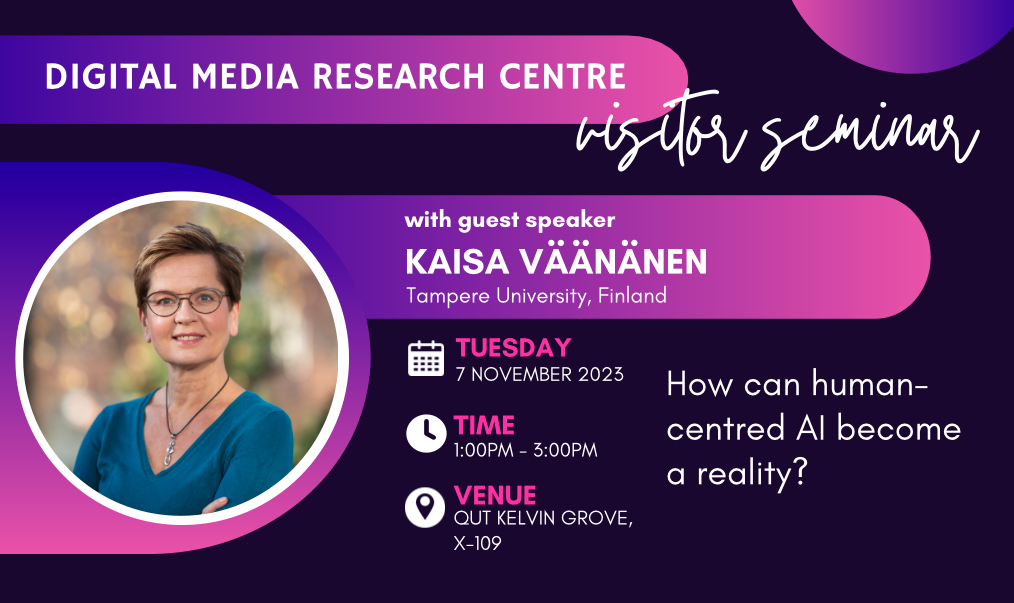
Join us at our next DMRC Visitor Seminar, led by visiting fellow, Kaisa Vaananen from Tampere University in Finland, who is set to unravel the fascinating possibilities of human-centered AI. Discover How Human-Centered AI Can Shape the Future Date: Tuesday, November 7, 2023 Time: 1:00 PM to 3:00 PM Location: KG-X-109, X Block... The post DMRC Visitor Seminar with visiting Professor Kaisa Väänänen…
Editor’s note, June 19, 2023 – The date existing installations of the Soundscape iOS app can continue to be used has been extended to Aug. 30, 2023. The article has been updated to reflect that change. For more than six years, Microsoft Research has been honored to develop the Soundscape research project, which was designed […] The post Microsoft Soundscape – New Horizons with a Community-Driven …
Michelle Zhou (PhD ’99) explains what no-code AI means and presents five inflection points that led to her current work, including the impact of two professors in graduate school who helped her find her direction … Continue reading ACM ByteCast Podcast: Human-Centered AI Researcher and Entrepreneur Michelle Zhou