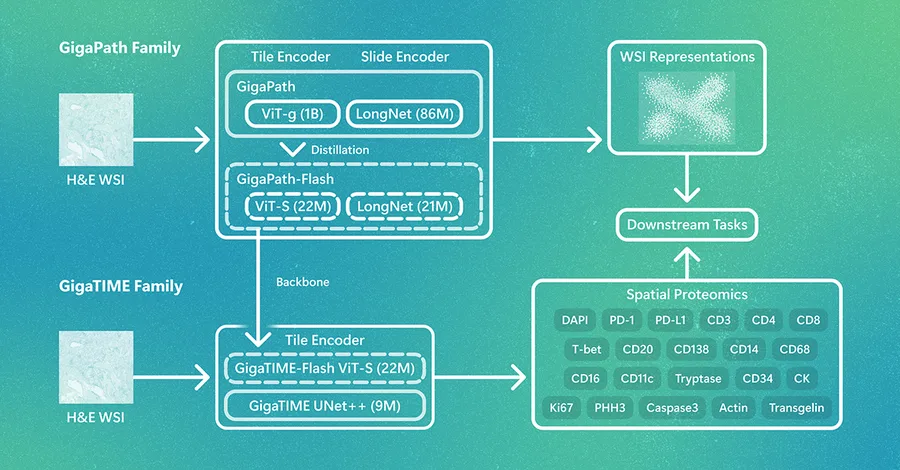
What if pathology foundation models could do more with less? GigaPath-Flash and GigaTIME-Flash cut computational demands while maintaining strong performance, opening the door to larger studies and broader exploration. The post GigaPath-Flash and GigaTIME-Flash: Toward population-scale discovery with efficient pathology foundation models appeared first on Microsoft Research .
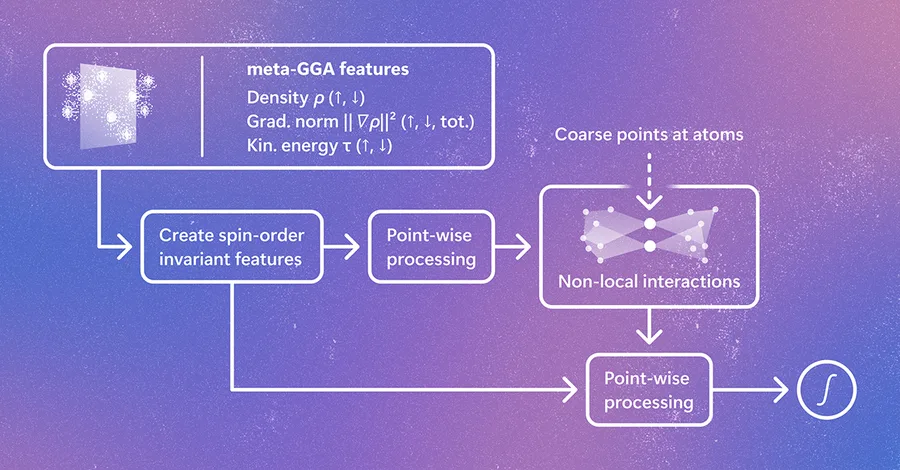
Skala 1.1, the updated deep-learning exchange-correlation functional from Microsoft Research, provides greater accuracy, expanded accessibility across the computational chemistry ecosystem, and a living benchmark to track computational performance. The post Broadening access to Skala creates a faster path to predictive DFT appeared first on Microsoft Research .
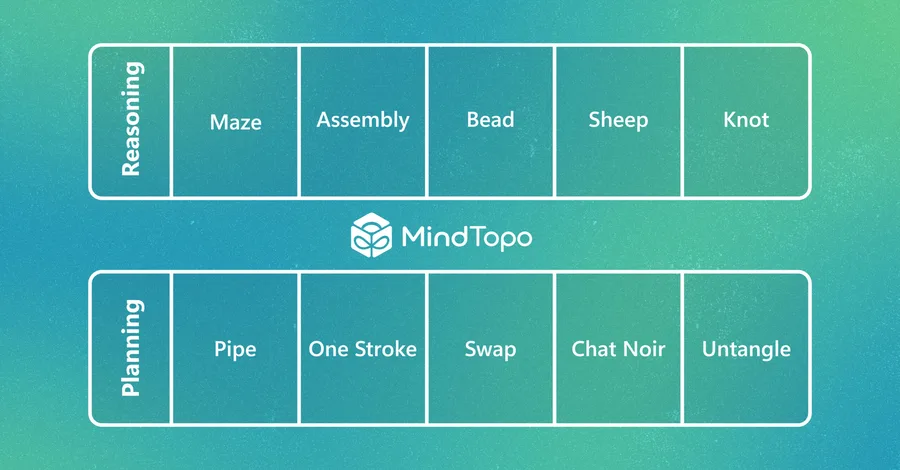
A path, a fence, a knot. MindTopo sets a new benchmark for testing how AI understands topological relationships and highlights new opportunities to strengthen spatial reasoning and planning. The post MindTopo reveals VLMs’ spatial reasoning abilities appeared first on Microsoft Research .
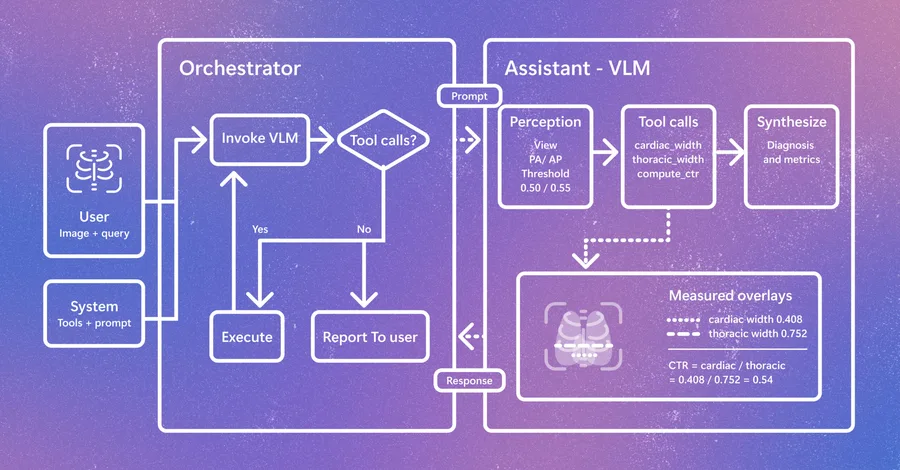
Radiology AI is evolving beyond report generation. CARE-X explores a unified approach that combines flexible reasoning, calibrated predictions, and measurement-based tools for chest X-ray interpretation. The post Introducing CARE-X: Towards Clinically Useful Radiology VLMs with Auxiliary Supervision, Reward-Aligned Learning, and Tool-Augmented Measurement appeared first on Microsoft Research .
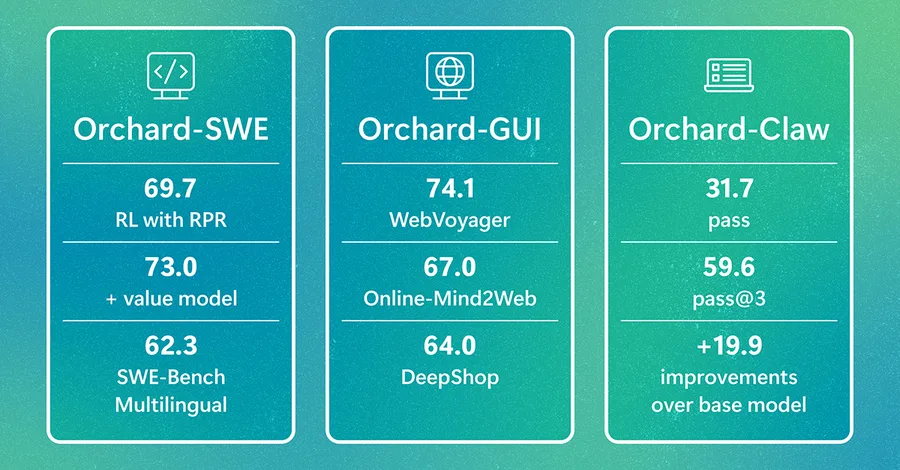
Orchard is an open-source framework for the research community to train and evaluate AI agents across task types. It reduces complexity while supporting strong performance from smaller models by enabling researchers to reuse the same infrastructure. The post Orchard: An open framework for scalable agentic AI appeared first on Microsoft Research .
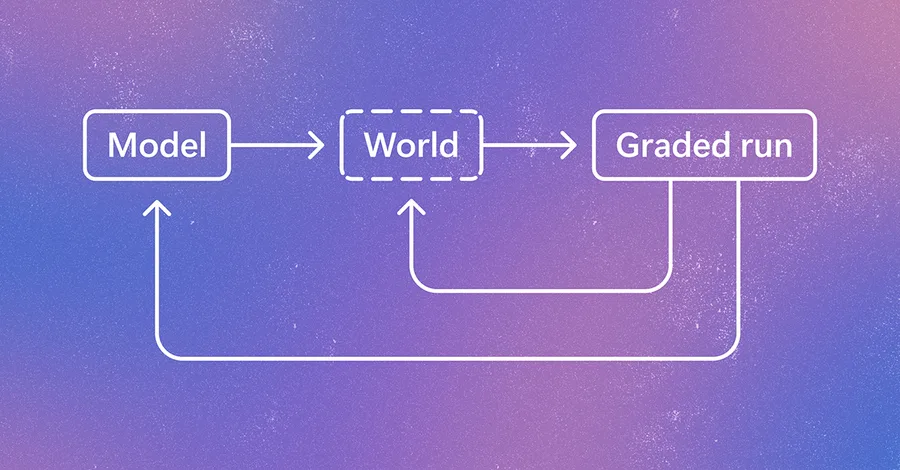
Computer-use AI agents struggle with multi-step workflows like email and customer support. Echoverse trains agents in realistic environments rather than simply providing more training tasks, helping them improve as the tasks, tests, and environments evolve. The post Echoverse: Deep, evolving environments for computer-use agents appeared first on Microsoft Research .
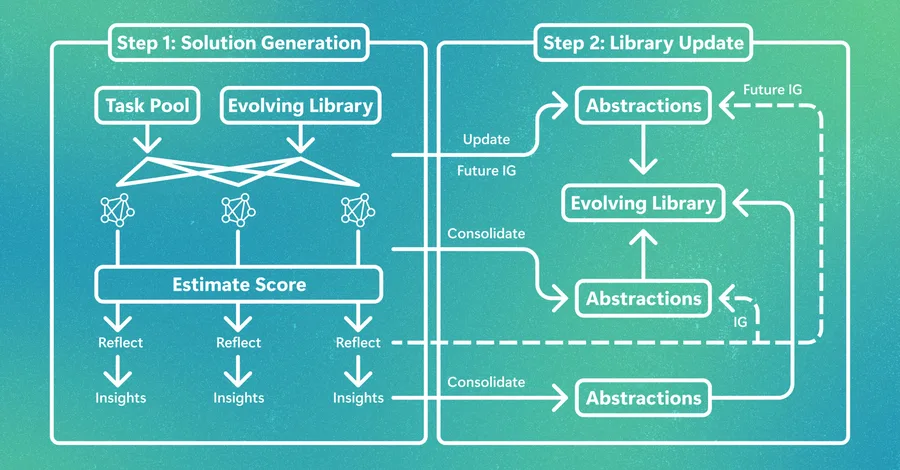
LLMs do not get smarter just by remembering more. EvoLib turns experience into evolving knowledge, taking reusable skills and insights that help models learn and adapt across tasks long after deployment. The post EvoLib: Turning experience into evolving knowledge appeared first on Microsoft Research .
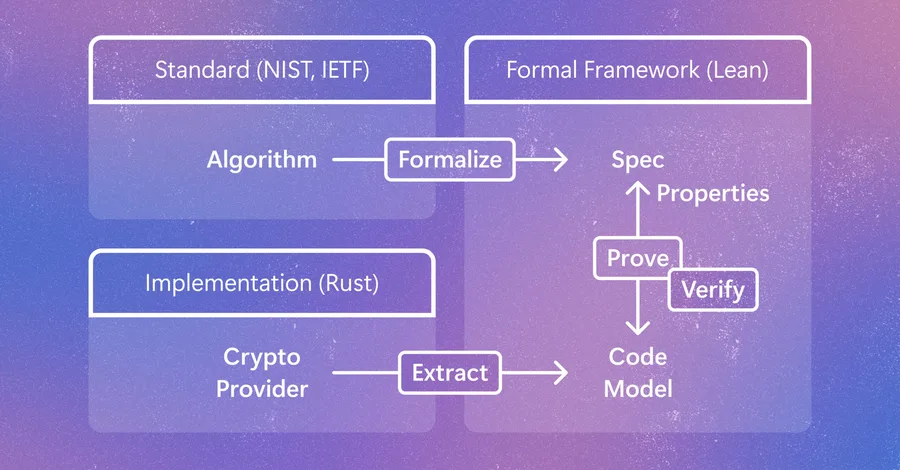
Cryptographic code supports vital protections in modern computing systems. Learn how a new method helps verify code as developers write it while preserving speed and adaptability as it gets implemented and evolves. The post Verifying Rust cryptography in SymCrypt, from standards to code appeared first on Microsoft Research .
Aurora 1.5 adds 22 more variables, hourly temporal resolution, and probabilistic ensemble forecasting to the Aurora foundation model, making it more useful for real-world weather, climate, and energy applications. The post Aurora 1.5: Extending open foundation models for weather and Earth-system applications appeared first on Microsoft Research .
Short chart specifications are easy to write, but often produce uninspiring results. Flint is an open-source visualization language that offers a middle path, letting AI agents create expressive charts from compact, human-editable specifications. The post Flint: A visualization language for the AI era appeared first on Microsoft Research .
AI agents often fail because their instructions, or skills, are manually modified with no guarantee of improvement. Learn how SkillOpt turns skill editing into a training process, making agent behavior more reliable without changing model weights. The post SkillOpt: Agent skills as trainable parameters appeared first on Microsoft Research .
AI agents can't remember past conversations. They must constantly reload or retrieve context, which grows less efficient as tasks get longer and more complex. Memora solves this with a scalable memory system separating what’s stored from how it's retrieved. The post Memora: A Harmonic Memory Representation Balancing Abstraction and Specificity appeared first on Microsoft Research .
Researchers introduce generative causal testing, which translates black box models into clear hypotheses and verifies them in the scanner, revealing what specific brain regions respond to in language. The post Understanding the brain with AI-driven explanations and experiments appeared first on Microsoft Research .
Talos was built to help resolve a major bottleneck in genomic medicine: human review time. The open-source system recovered 90% of in-scope diagnoses while surfacing just 1.3 candidate variants per patient for expert review. The post Talos: Scaling rare disease diagnosis with automated, iterative genomic reanalysis appeared first on Microsoft Research .
Project Ire examined a timely malware sample and determined its intent through reverse engineering—identifying LOTUSLITE characteristics even as most major EDR tools did not detect it. The post Ire identifies another LOTUSLITE specimen appeared first on Microsoft Research .
Data Formulator introduces AI-powered analytics for enterprise data workflows. Data teams can easily bring enterprise data into an AI-ready workspace where users can explore, analyze, and visualize data with AI agents to turn raw data into actionable insights. The post Data Formulator 0.7: AI-powered data analytics for enterprise data appeared first on Microsoft Research .
Understanding AI as an extension of human intelligence—not a replacement for it—offers a more grounded path for building trustworthy AI systems. The post Extending Human Intelligence Through AI appeared first on Microsoft Research .
MagenticLite is an agentic system for small models that works across the browser and local file system in a single workflow. It combines specialized models and orchestration to support efficient agentic performance on everyday tasks. The post MagenticLite, MagenticBrain, Fara1.5: An agentic experience optimized for small models appeared first on Microsoft Research .
Vega turns a full credential into a single proof, sharing only what is needed and nothing more, with performance that works in real apps. The post Vega: Zero-knowledge proofs for digital identity in the age of AI appeared first on Microsoft Research .
Our recent paper, “LLMs Corrupt Your Documents When You Delegate”, has generated discussion about the reliability of AI systems in delegated workflows. We appreciate the interest in this work and want to clarify several important points about what the paper does—and does not—claim. The research aims to develop robust evaluation methods for long-horizon delegated and […] The post Further Notes on …

 research.io