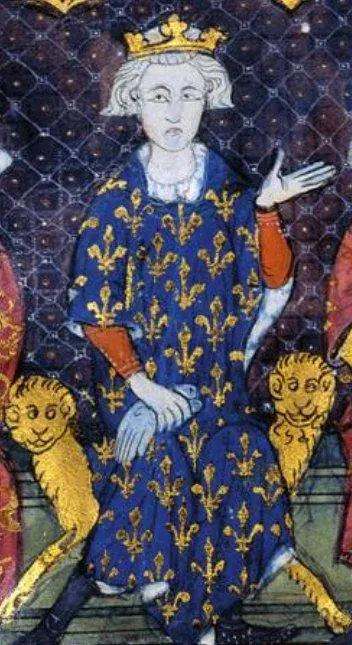
The Avignon Papacy (1309-1376) was the period during which seven successive popes resided at Avignon, in modern-day southern France, rather than at Rome. It followed a bitter conflict between the papacy and King Philip IV of France, and the death of Pope Boniface VIII in 1303 marked a decisive shift in the balance of power within the Church. Talia Bega explains — and looks at the rise of Philip V…
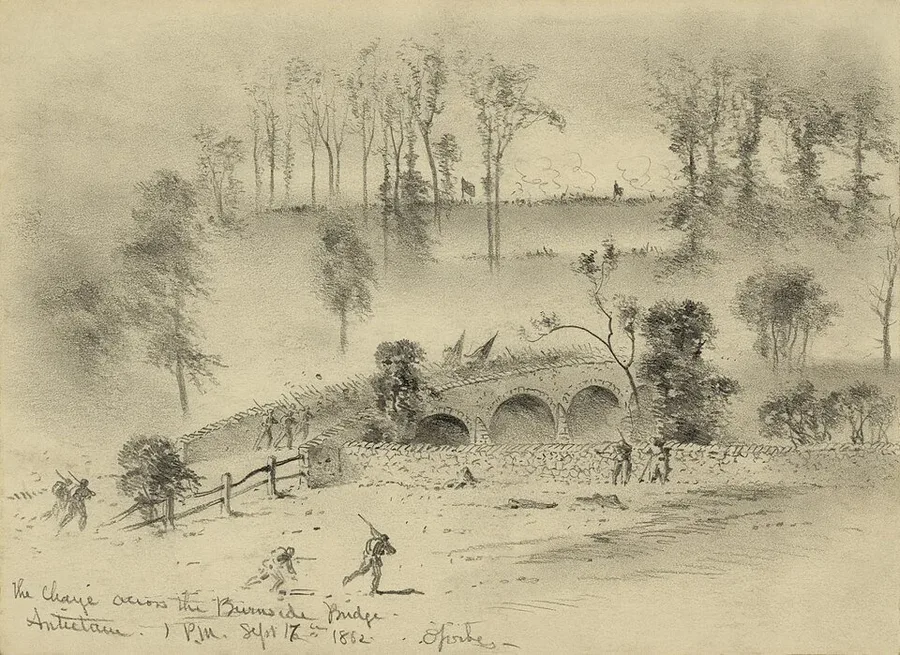
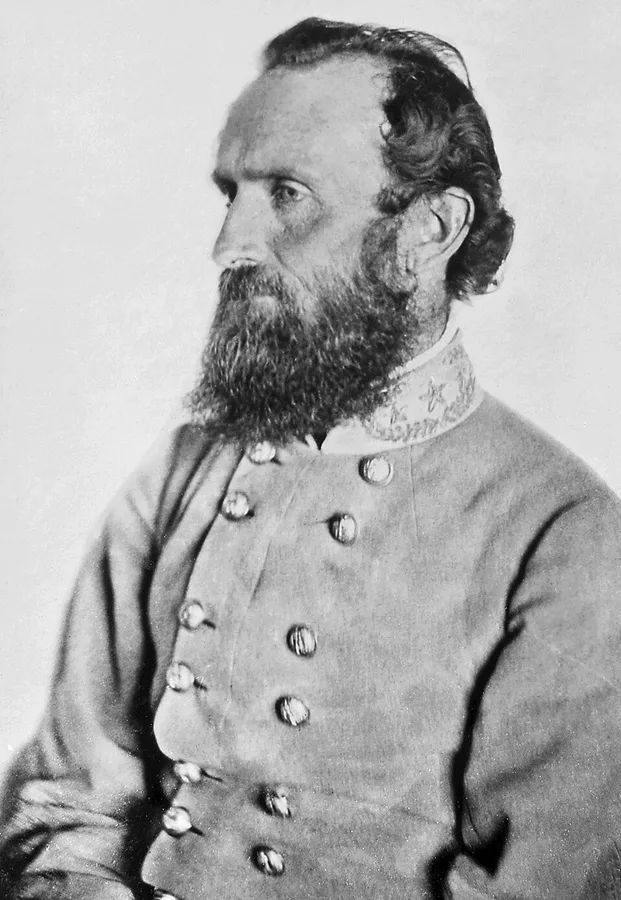
The Confederate victory at Second Manassas, August 28-30, 1862, followed victories in the Valley Campaign and the Peninsula. The casualties incurred by the Army of the Potomac included 14,000 killed or wounded of 62,000 engaged, compared to about half of that for the Army of Northern Virginia. Then, on September 1, Stonewall Jackson defeated a Union cohort retreating from the battlefield at Chant…
Honoring the past is a historian’s greatest task, with a truly noble purpose: preserving the memory of those who shaped the world. By doing so, they not only ensure subsequent generations follow suit, but also help them learn from these legends’ successes/failures. After all, as has been said many times, those who don’t learn from the past are forever doomed to repeat it. On that note, each new y…
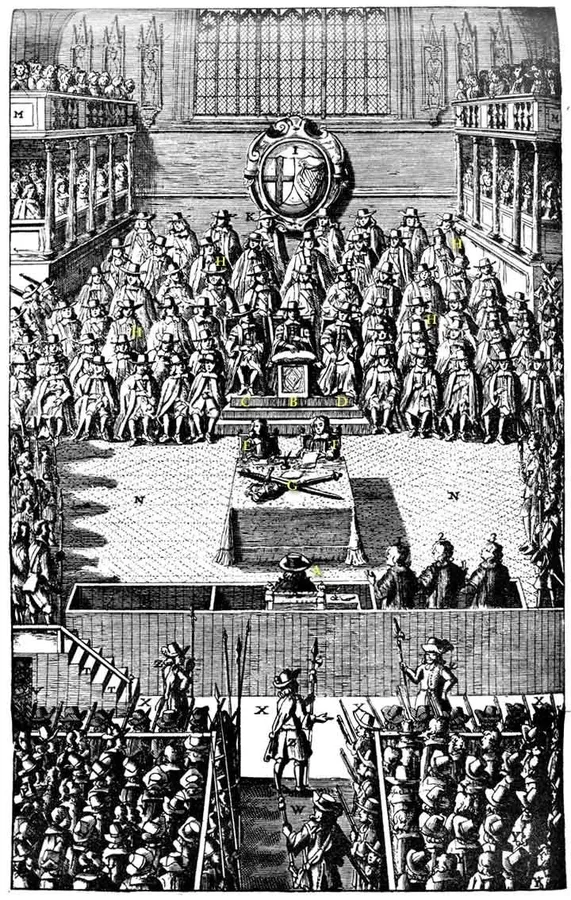
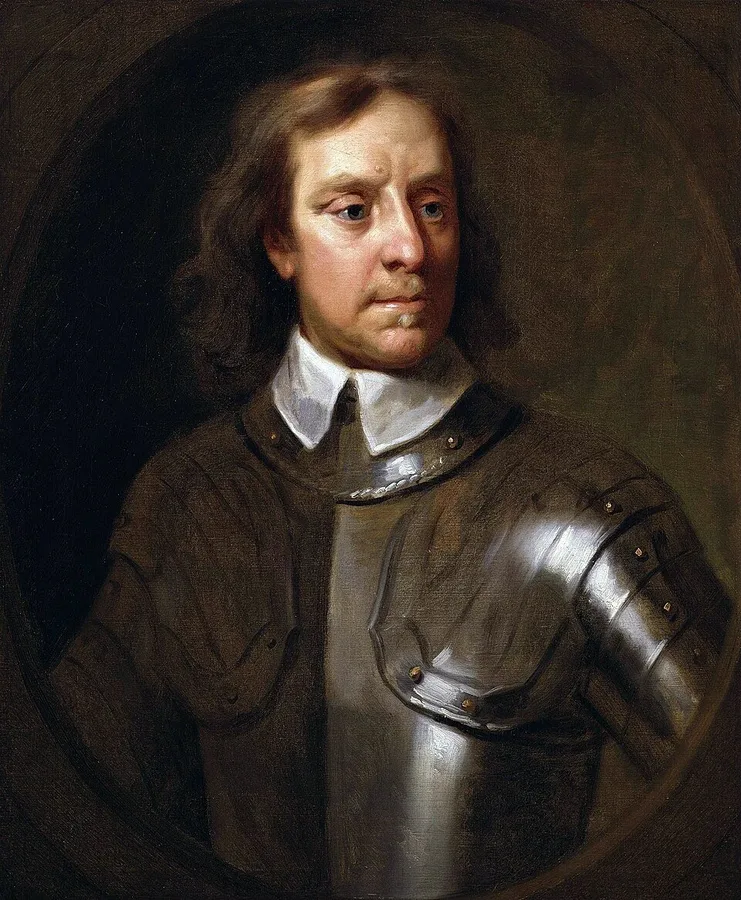
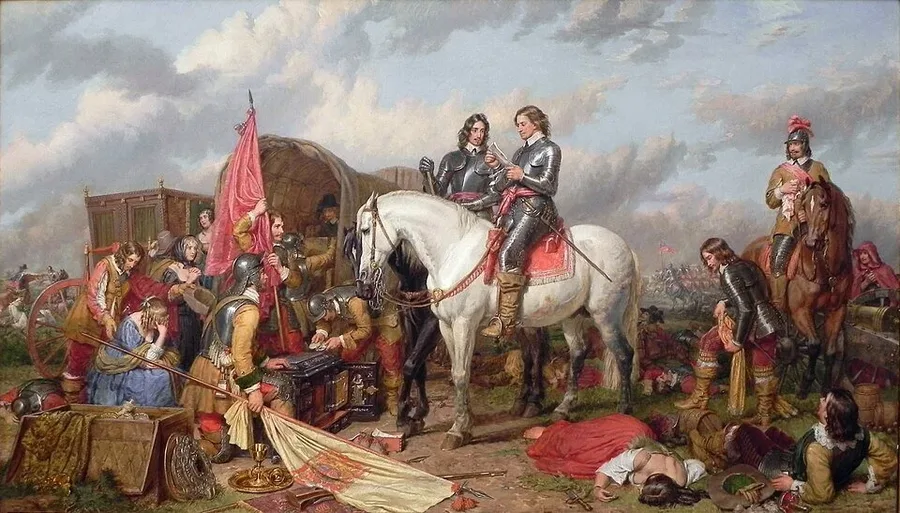
On a cold January afternoon in 1649, the executioner's axe severed far more than the head of King Charles I. It also shattered centuries of political tradition. Never before had an English monarch been publicly tried, condemned by his own subjects and executed in the name of the people. With the monarchy abolished and the House of Lords dissolved, England stood on uncertain ground. For the first …
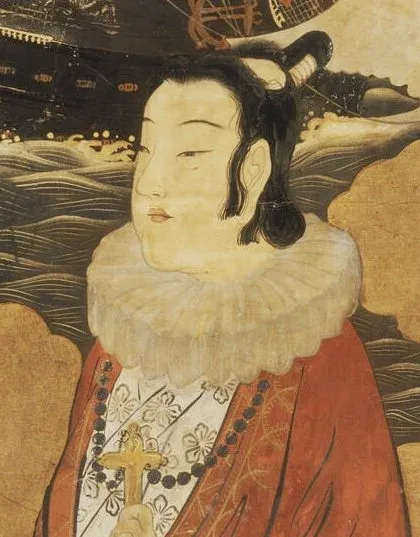
A little-known aspect of history revolves around the Christian Samurai of medieval Japan. Some might know that Pope Francis beatified the feudal medieval Japanese daimyo Justo Takayama Ukon (1552-1615), who was persecuted and exiled from Japan for his faith as the country’s rulers became hostile to Christians, forcing their conversion or expulsion. Few emulated Takayama, who stood firm in the fai…
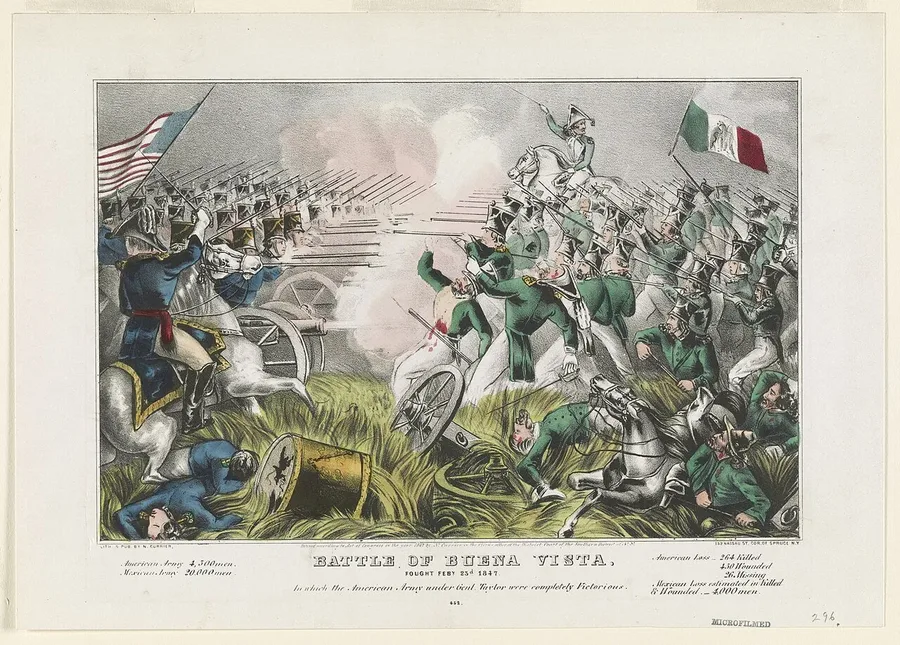
The 1847 Battle of Buena Vista was part of the Mexican-American War. It involved hard fighting between US forces led by General Zachary Taylor and Mexican forces General Antonio López de Santa Anna. James F. Byrne Jr explains what happened in the battle. The Battle of Buena Vista. Source: Library of Congress/N. Currier, Public domain, available here . Returning from an inspection of the frontline…
The Avignon Papacy (1309-1376) was the period during which seven successive popes resided at Avignon, in modern-day southern France, rather than at Rome. It followed a bitter conflict between the papacy and King Philip IV of France, and the death of Pope Boniface VIII in 1303 marked a decisive shift in the balance of power within the Church. Talia Bega explains — and looks at the problems with th…
Before the axe fell on the cold January afternoon of 1649, England had already crossed political frontiers that few believed could ever be crossed. For centuries, kings had ruled by inherited right, anointed in sacred ceremonies that proclaimed their authority came from God rather than from the consent of those they governed. Monarchs might lose battles, be deposed by rivals or even die violently…
History is not just found in museums or far-off exotic locations — it can be discovered close to home. After more than forty years as a resident of Milton Keynes, England, I decided to go out and explore some of the local history, and there is plenty of it still waiting to be rediscovered: forgotten, overlooked, or simply swallowed up by the new commercial and industrial estates that have sproute…
The Supreme Court’s decision in Brown v. Board of Education on May 17, 1954, is often treated as a clear dividing line in American civil rights history. Yet for many professionals working inside the civil rights infrastructure in the mid-century, the ruling raised as many questions as it resolved. Legal desegregation did not immediately translate into equitable schooling, housing access, or emplo…
For millennia humans have risked fortunes to make more profit, increase status, and achieve security. Financial markets and tools have changed over time, but the human desire for more still affects money-related decisions. By examining past financial bubbles, historical approaches to risk, and the regulations that followed, we can identify principles that remain useful in today’s digital environm…
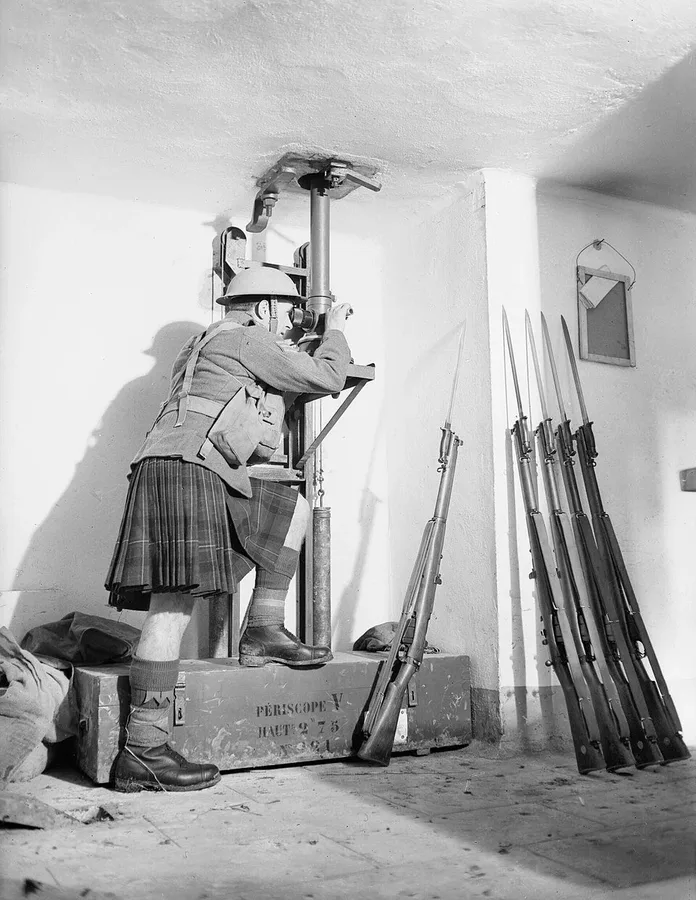
France spent a decade and billions of francs building the Maginot Line along its German frontier, only for the German invasion of 1940 to drive straight past it. This is the story of how the Maginot Line was built, why it failed, and how its name became a byword for preparing brilliantly for the wrong war. Nethmi Samaranayaka explains. A soldier from the Cameron Highlanders looks through a perisc…
The defeat of King Charles I in the English Civil War marked the end of one phase of England's greatest constitutional crisis, but it did not bring the peace that exhausted soldiers and civilians alike desperately desired. Instead, victory produced a far more dangerous situation than many of Parliament's supporters had anticipated. The common enemy had been defeated, yet the coalition that had ov…
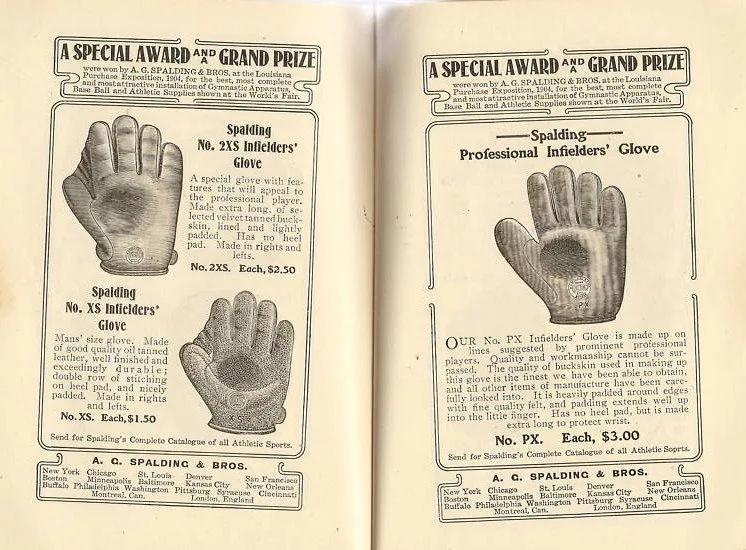
An elusive St. Louis entrepreneur and a revolutionary partnership transformed a crude hand accessory into baseball’s most sentimental tool. Brian D’Ambrosio explains. A. C. Spalding & Bros. advertisements for baseball infielders' gloves, from a booklet published in 1905. Source: Public domain, unknown author, available here . Long before televised World Series games and multimillion-dollar endors…
What caused the American Civil War, and why did the Southern states leave the Union? These are two of the most debated questions in American history. The standard view is that slavery was the sole cause. The North, led by an abolitionist president, Abraham Lincoln, sought to end the institution in the South, and the Southern states left to preserve it. Here, Jeb Smith argues that this is far from…
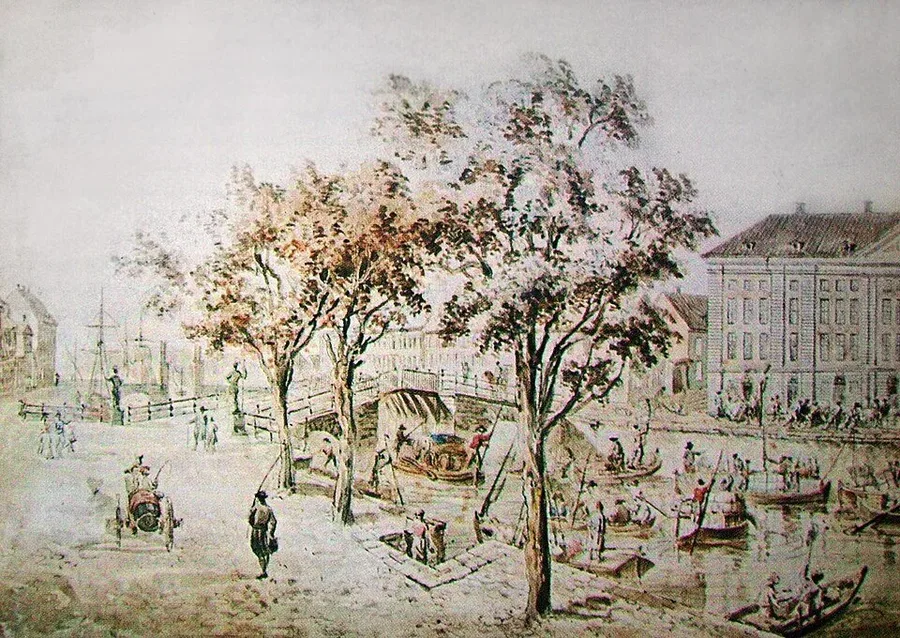
The Swedish colonial empire is not often discussed in the context of European colonialism; however, the powerful country of Sweden did hold territories across the Americas, Africa, and Asia. Harrison West explains. Gothenburg c. 1787, with the Swedish East India Company building to the right by Elias Martin. Source: Public domain, Svenska turistföreningens årsskrift 1978, available here . The Swe…
By the middle years of the English Civil War, the conflict had reached a decisive crossroads. What had begun in 1642 as a bitter constitutional dispute between King Charles I and Parliament were rapidly becoming something altogether different. The early campaigns had revealed the strengths and weaknesses of both sides, exposing flaws in military organization, political leadership, and strategic p…
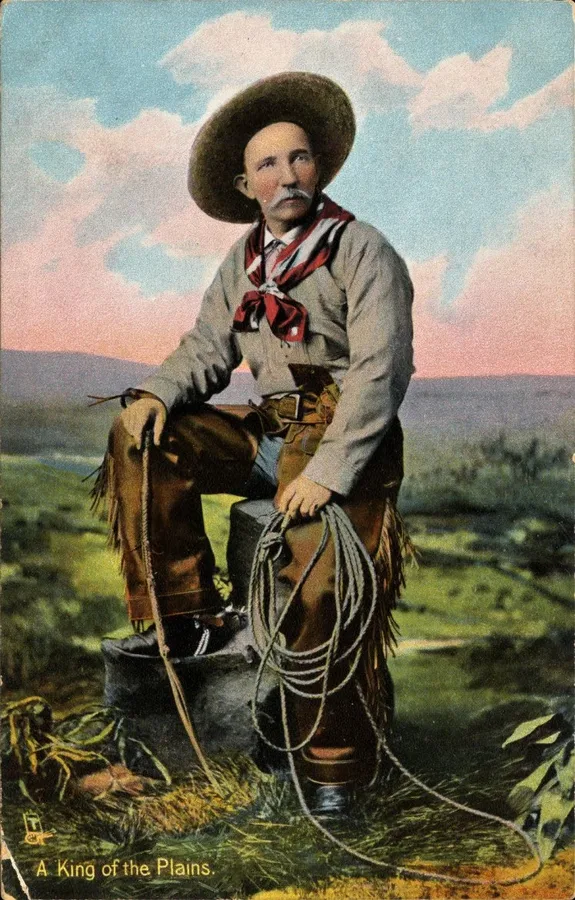
What is it about the west? Why is country music listened to in every corner, region, city, small town, and house across the United States? Why does every child at one point dream of being a cowboy or a misunderstood outlaw? Why is it that at a turbulent point in life every man has stated at least once in his life “screw it, if it doesn’t work ill just move out to a ranch on my own and live off gr…
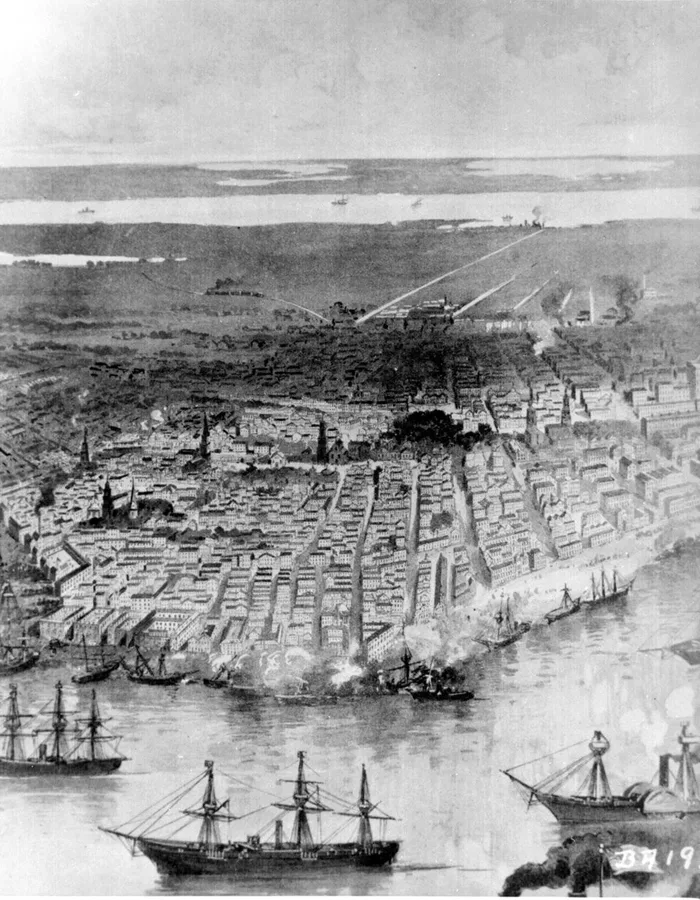
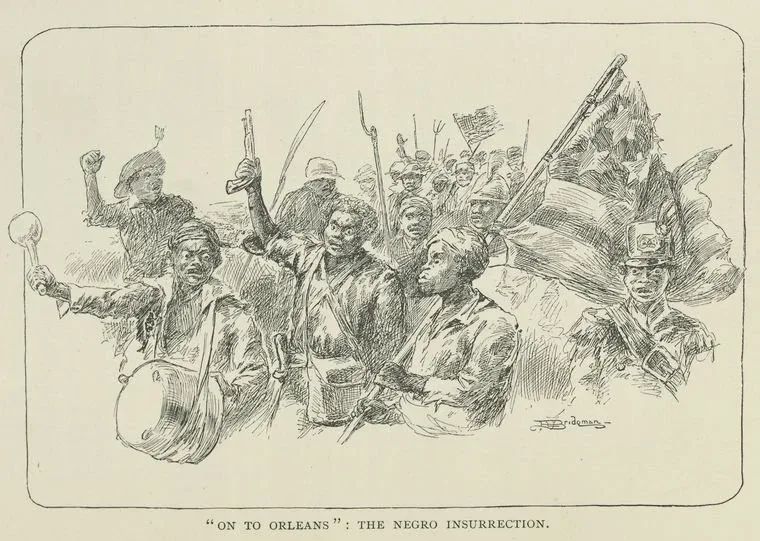
The largest slave rebellion in US history took place in Louisiana in 1811. Here, Husain H. Roussel looks at the background, including the slave rebellion in Haiti, and what happened in Louisiana – and its aftermath. The slave rebellion, known as the 1811 German Coast Uprising. Source: Public domain, source here , image from here . Introduction The French planter population, what was left of them,…
The Confederate victory at Second Manassas, August 28-30, 1862, followed victories in the Valley Campaign and the Peninsula. The casualties incurred by the Army of the Potomac included 14,000 killed or wounded of 62,000 engaged, compared to about half of that for the Army of Northern Virginia. Then, on September 1, Stonewall Jackson defeated a Union cohort retreating from the battlefield at Chant…

 research.io