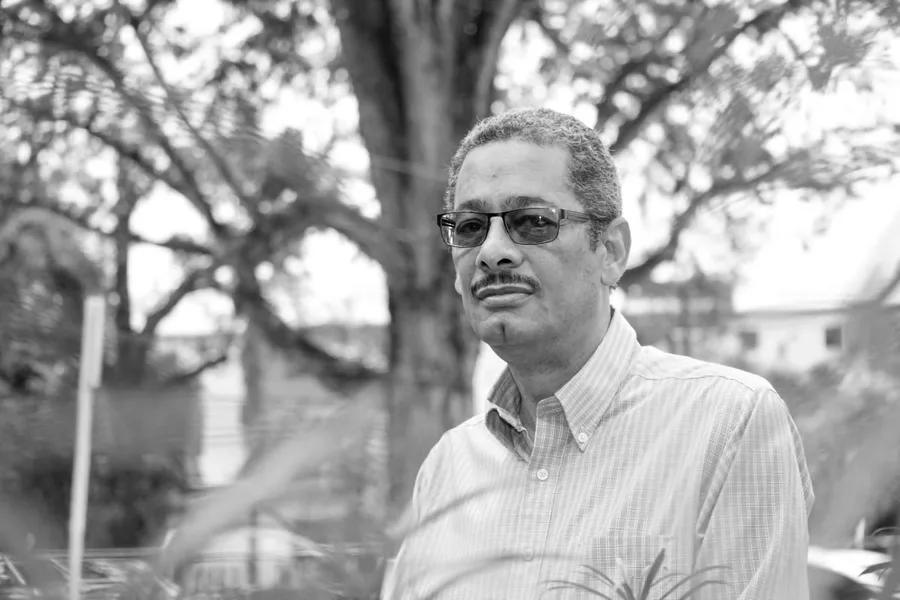
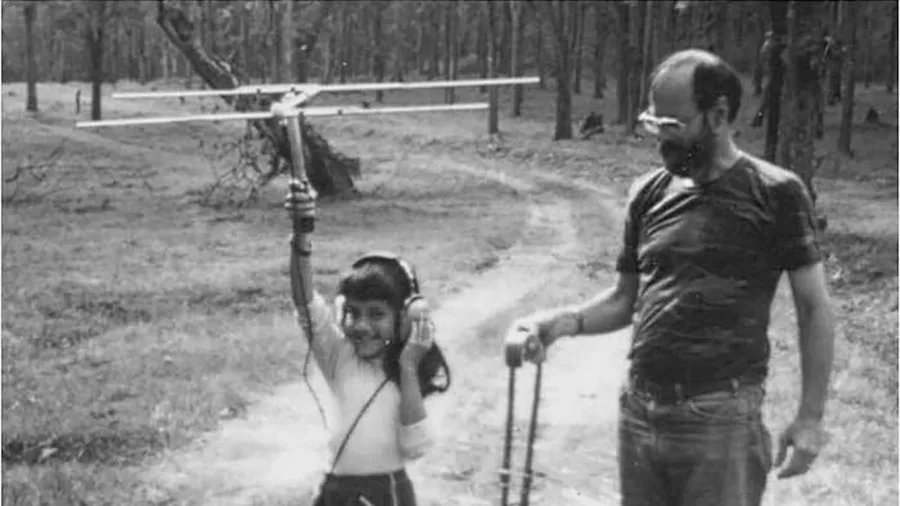
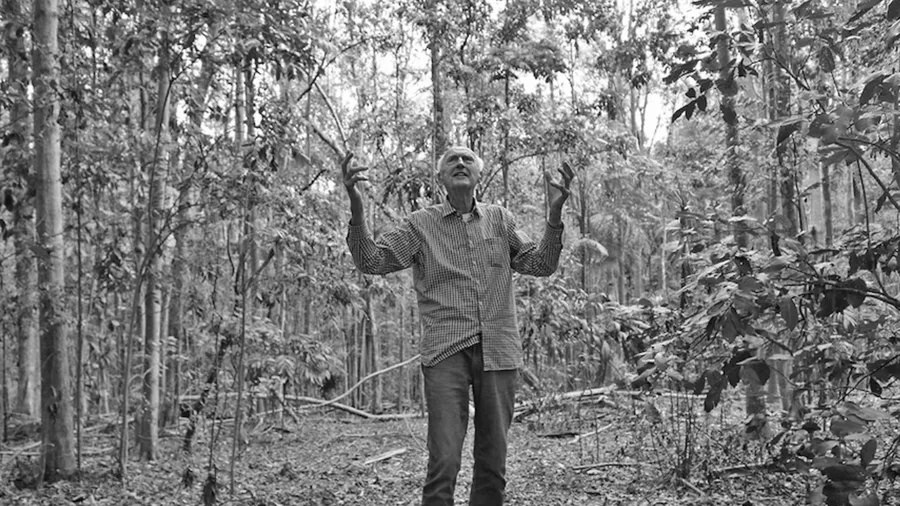
As a boy in Port of Spain, John Agard made toys from parts salvaged from old radios and household appliances. His family did not own a television until he was about 17, so he built engines, model planes, boats, and circuit boards. He also read and spent time outdoors. On weekends and holidays, his family [Continue reading] The post John Agard was a Trinidadian scientist who made the case for smal…
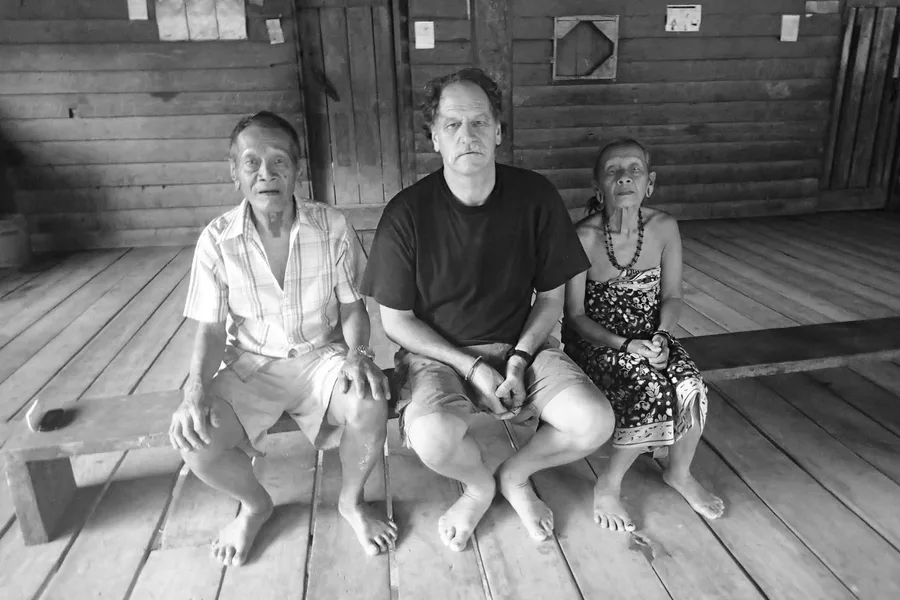
In the early 1990s, the logging roads running through Sarawak’s Upper Baram became the site of a bitter confrontation. Penan families built wooden barricades across red-dirt tracks, blocking bulldozers and timber trucks and facing units of the Police Field Force. As the protests drew international attention, the government of Chief Minister Abdul Taib Mahmud restricted [Continue reading] The post…
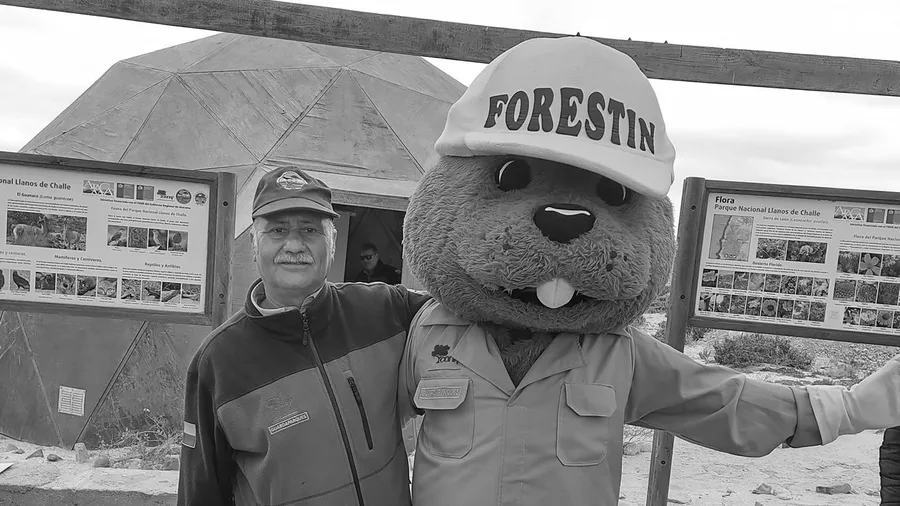
For much of the year, Llanos de Challe National Park is dry and sparsely colored. Cacti rise from gravel and bare hillsides. Seeds remain underground, sometimes for years. After sufficient winter rain, flowers cover parts of the coastal desert in white, yellow, violet, and red. Most visitors arrive during the few weeks when the bloom [Continue reading] The post Alberto Villegas knew Chile’s flowe…
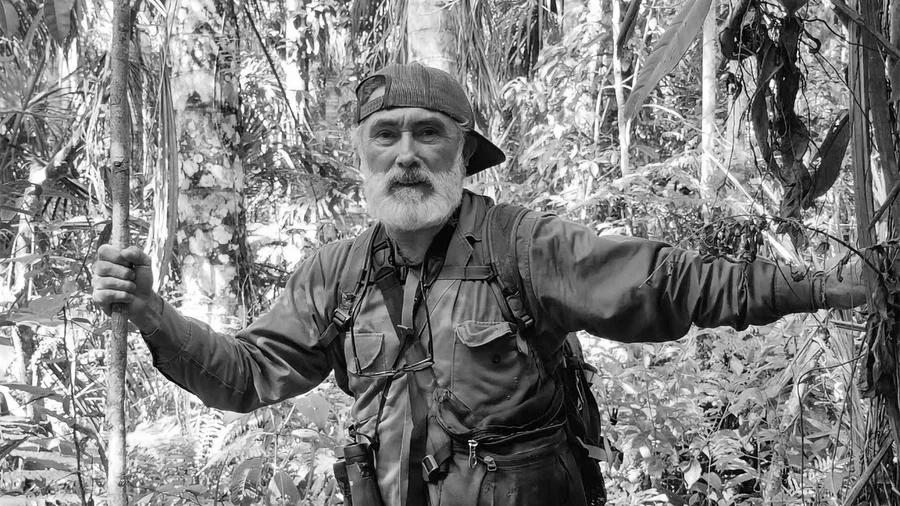
In the late 1970s, a group of young naturalists in Lima used a room in the Rubio family home as a headquarters for their expeditions. They called it the Gabinete de iconoclastas. There were maps to study, frogs to look for in neighborhood ponds, plants to collect, and places along Peru’s coast that seemed worth [Continue reading] The post Fernando “Pino” Rubio del Valle was a stubborn defender of…
In the 1970s, studying wild tigers still involved more nerve than equipment. A biologist could not rely on camera traps, GPS collars, or satellite-linked data. To understand where a tiger went, what it killed, how far it ranged, and how its territory overlapped with others, someone had to follow it through forests and grasslands with [Continue reading] The post Biologist Mel Sunquist mentored som…
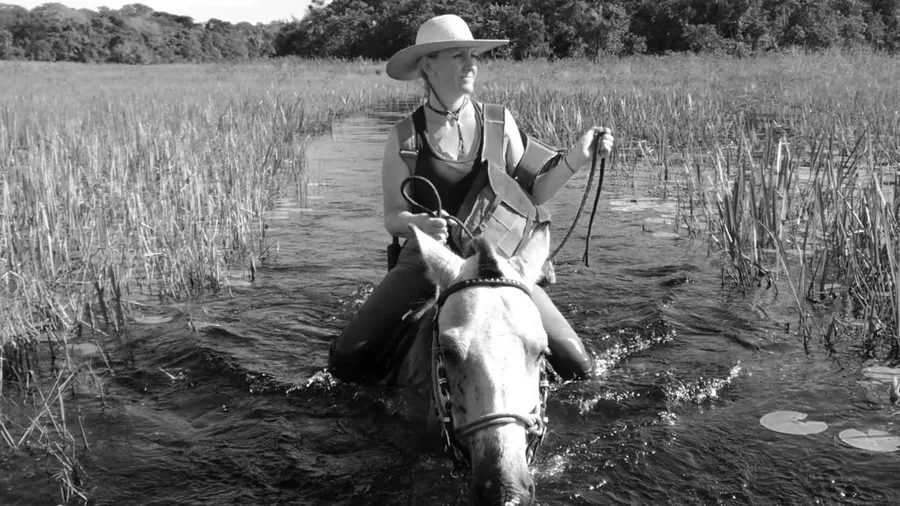
The giant anteater is easy to treat as a curiosity: a narrow head, poor eyesight, strong claws, and a tongue that can reach beyond its mouth. Its life can appear simple until someone tries to study it. Then come harder questions: where it feeds, what cover it needs, and how fire, drought, roads, and ranching [Continue reading] The post For Lydia Möcklinghoff, the giant anteater was her life’s wor…
The North Atlantic can look empty until someone begins paying attention. A stretch of gray water off Newfoundland may appear to hold little more than waves and scattered birds. To Bill Montevecchi, those birds were evidence. Their breeding success, feeding trips, and changing numbers revealed what was happening beneath the surface, offering clues about fish [Continue reading] The post Bill Montev…
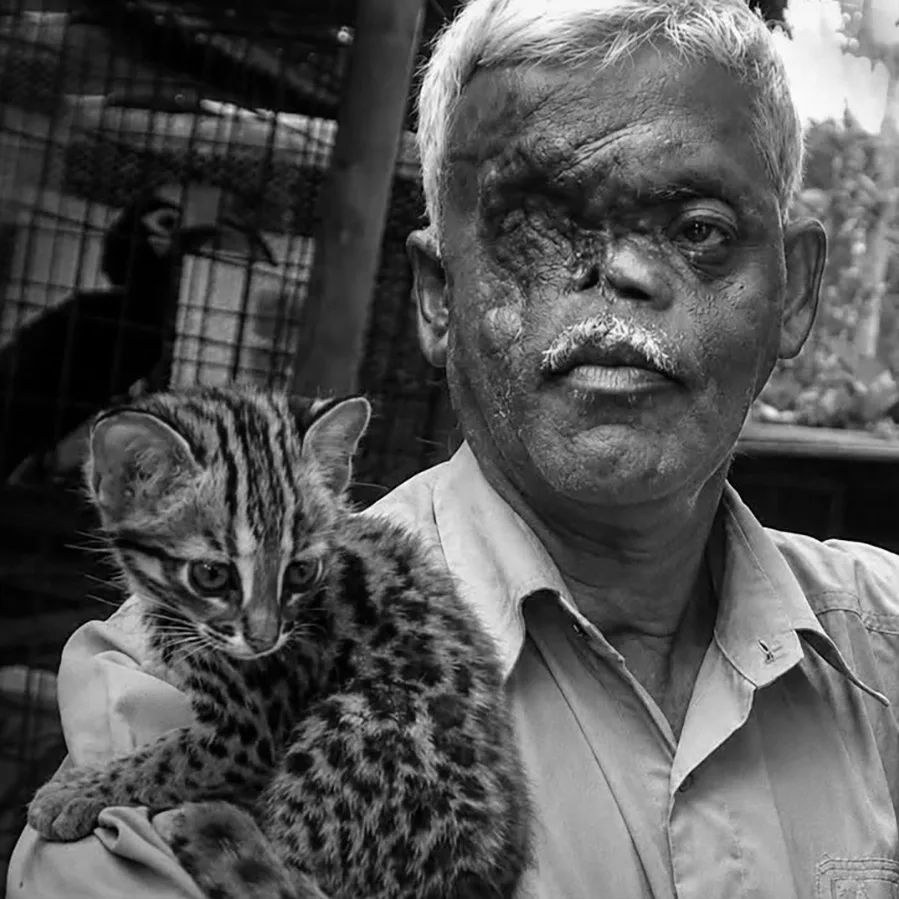
The bear came out of the forest with enough force to kill him. It mauled the hunter badly and cost him an eye. During three months in a hospital, he began asking why he was hunting and killing animals. Hunting had come through his family. His father and grandfather were known around Sreemangal, in northeastern [Continue reading] The post After a bear mauled him, Sitesh Ranjan Deb became a rescuer…
By some accounts, in the Philippine reefs of the 1970s, large groupers appeared every 50 feet or so. Some seemed as large as Volkswagen Beetles. Around them were snappers, fusiliers, wrasses, turtles, and corals, along with fish whose identities were still uncertain. Kent E. Carpenter arrived in the Philippines at 22, soon after graduating from [Continue reading] The post Kent Carpenter helped pu…
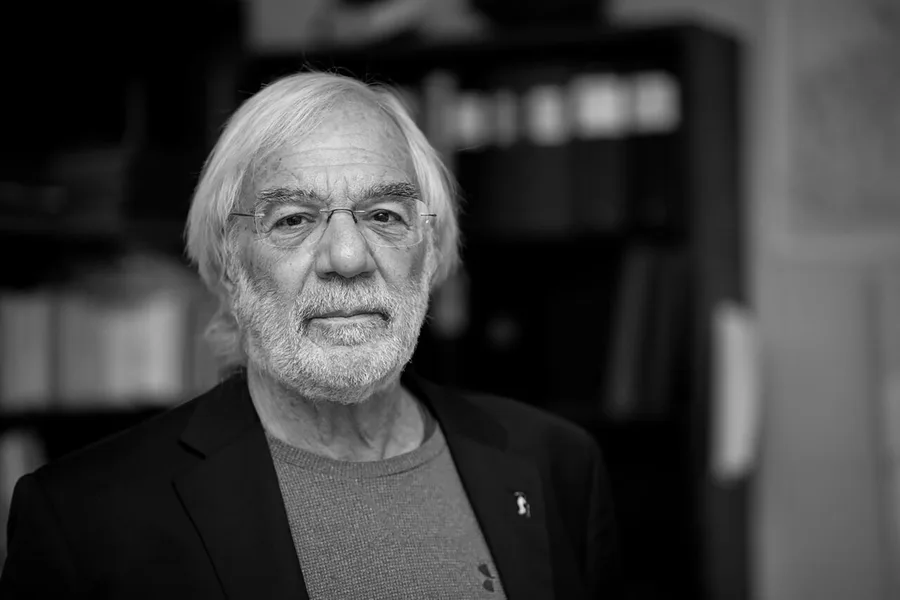
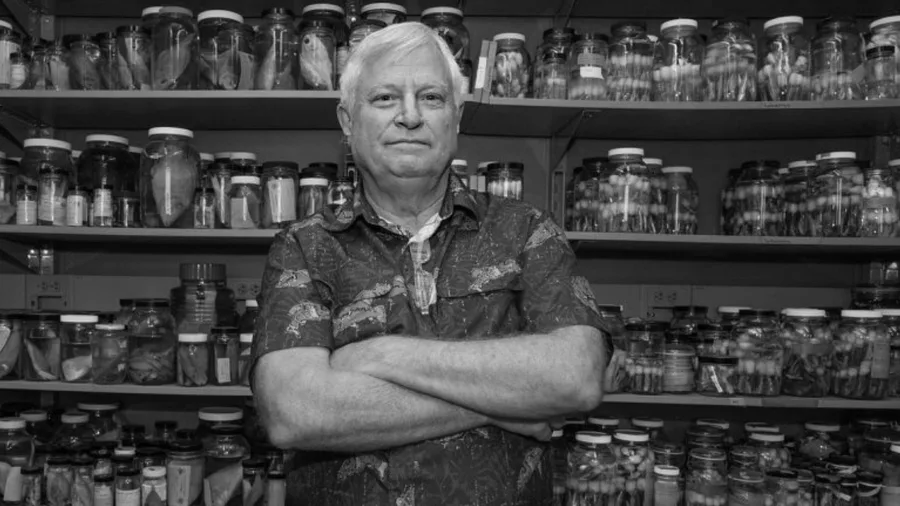
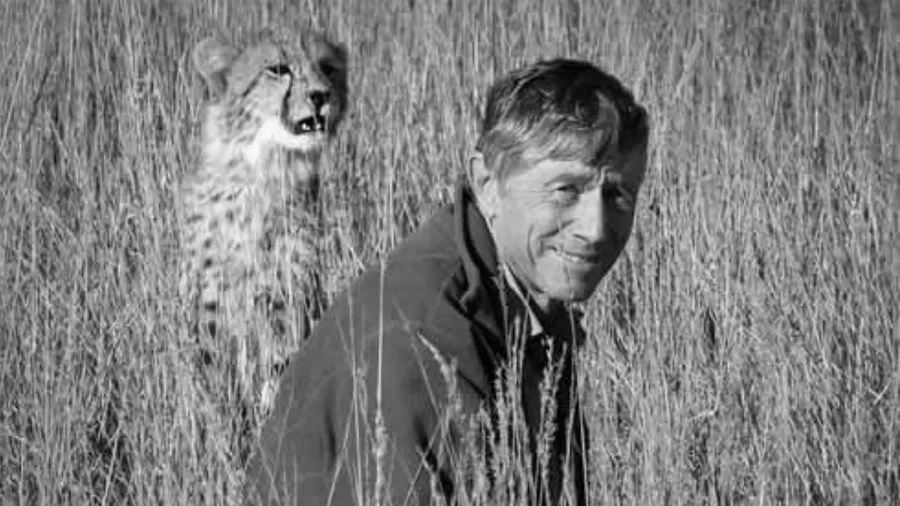
Gus Mills spent a lifetime studying Africa’s carnivores On visits to Kruger National Park, children were awoken by Gus Mills at midnight to look for bushbabies and again at five in the morning to search for big cats. Wildlife kept inconvenient hours, and he expected his companions to adjust. Michael “Gus” Mills, who died on [Continue reading] The post Gus Mills, carnivore conservationist and defe…
On the far north coast of New South Wales, the Big Scrub once covered about 75,000 hectares of rich basalt country. It was a lowland subtropical rainforest of figs, vines, palms and fruit doves. By the time modern conservationists took stock of it, little more than one percent remained, divided among small patches on farms, [Continue reading] The post Tony Parkes and the work of repair appeared f…
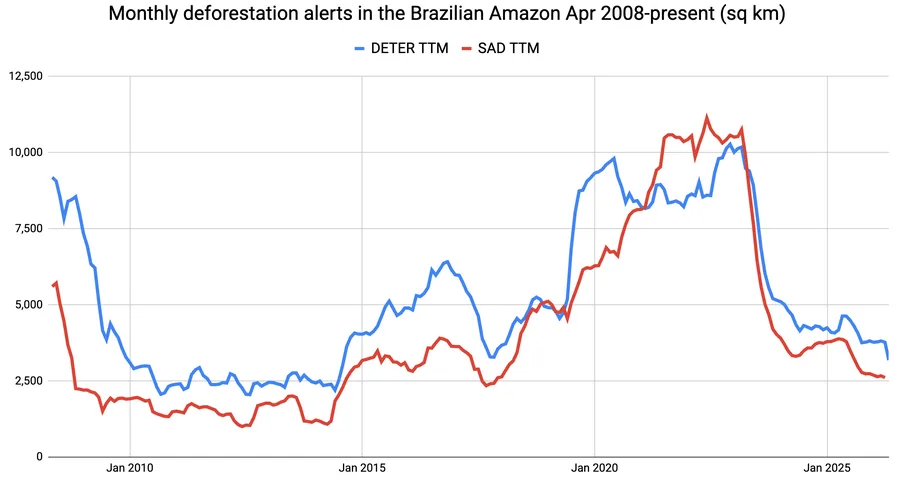
Brazil’s National Institute for Space Research, or INPE, detected 370 square kilometers of deforestation in May through its DETER alert system. That is down from 960 square kilometers in May 2025, a decline of about 61%. May is an important month in the Amazon deforestation calendar. It often marks the transition toward the drier season, [Continue reading] The post The deforestation rate is falli…
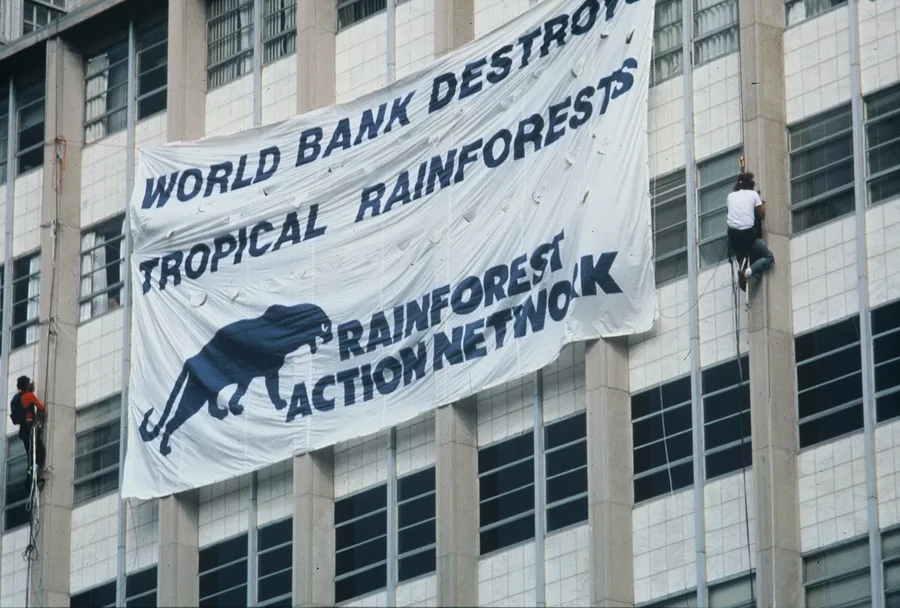
When Rainforest Action Network began in 1985, it had little of what usually makes an organization powerful. It had no large budget, no legal department, no steady access to politicians, and no formal way to force corporations or development banks to change. It had Randy Hayes, a wide activist network, a way to connect distant [Continue reading] The post How Rainforest Action Network made distant …
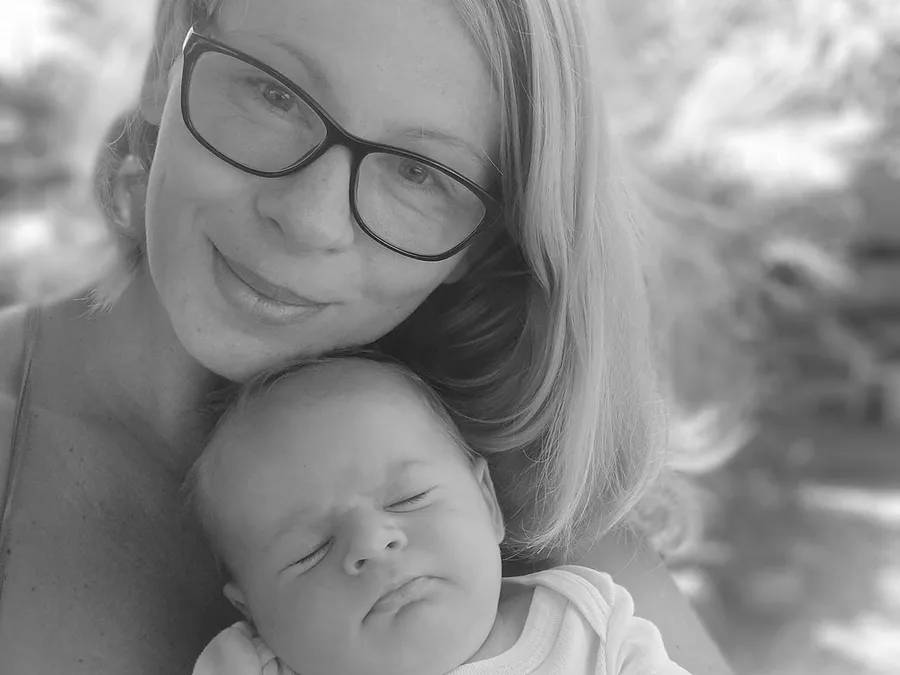
Montañita is a place many people intend to pass through. They come for surf, sun, music, and a stretch of Ecuador’s coast that has long sold itself as free-spirited. Some stay longer. They open small businesses, learn the workings of the communes, put children into local schools, and begin to notice what visitors often do [Continue reading] The post Monika Silva Koniuszek, 41, was a mother, migra…
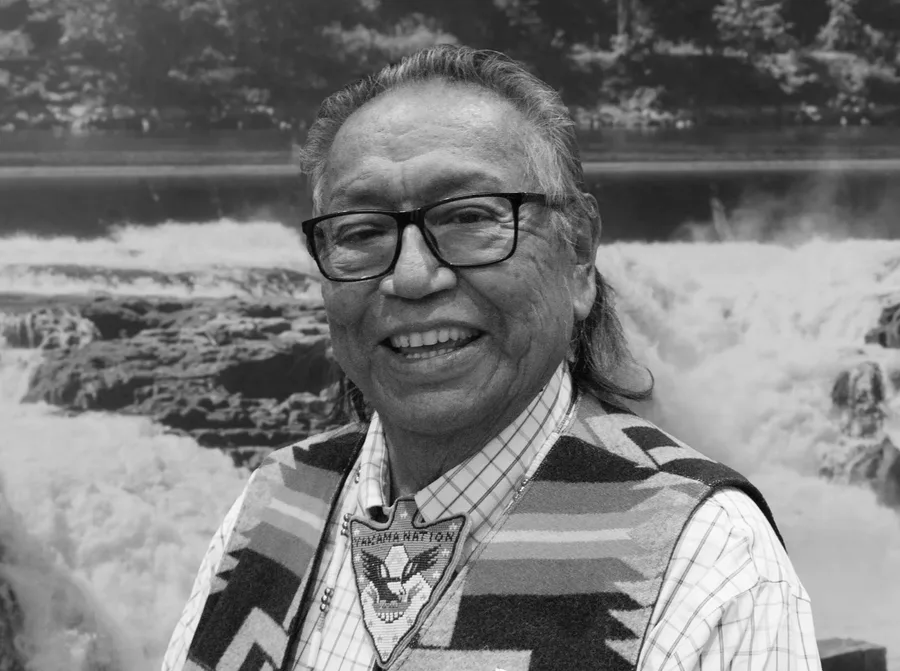
At Bradford Island, near Bonneville Dam, the river carried more than water. Beneath the Columbia’s surface were toxic sediments, dumped near a place where Yakama people had fished since time immemorial. To officials, it was a cleanup site. To the Yakama Nation, it was a usual and accustomed fishing place, protected by treaty. To Davis [Continue reading] The post Davis “Yellowash” Washines defende…