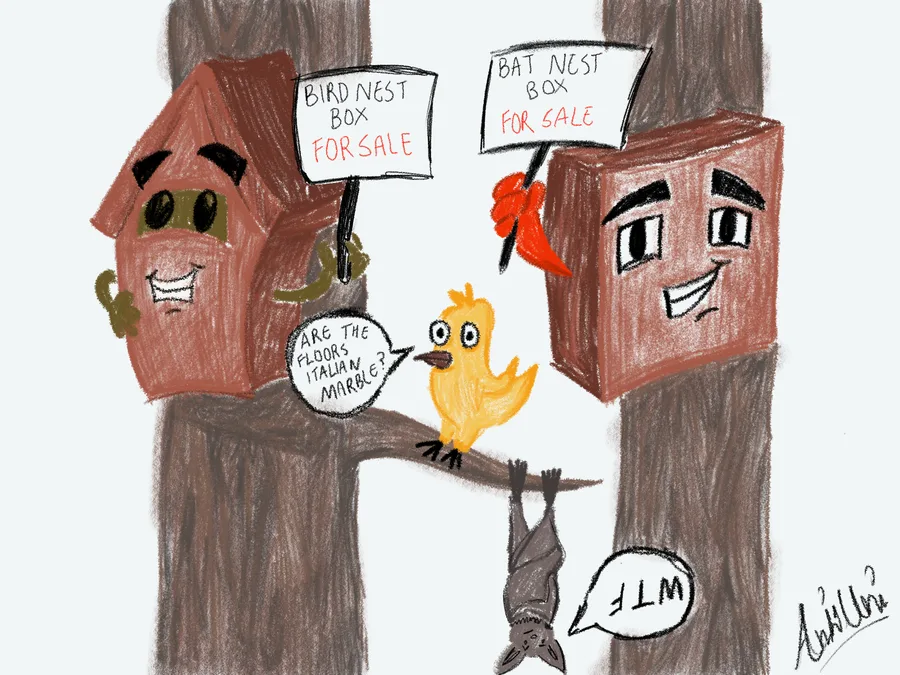
Ankita Unnikrishnan, u7147717 What is a nest box? A nest box is a man-made wooden enclosure which is designed to mimic the habitat of species that rely on hollows for survival. It helps to provide a space to nest and … Continue reading →
U6946040 / Braedy Jaugietis / Words: 540 How would you feel if your local neighbourhood had no trees, no parks or play spaces… Not only would it look pretty desolate, but your mental health would deteriorate and many native species … Continue reading →
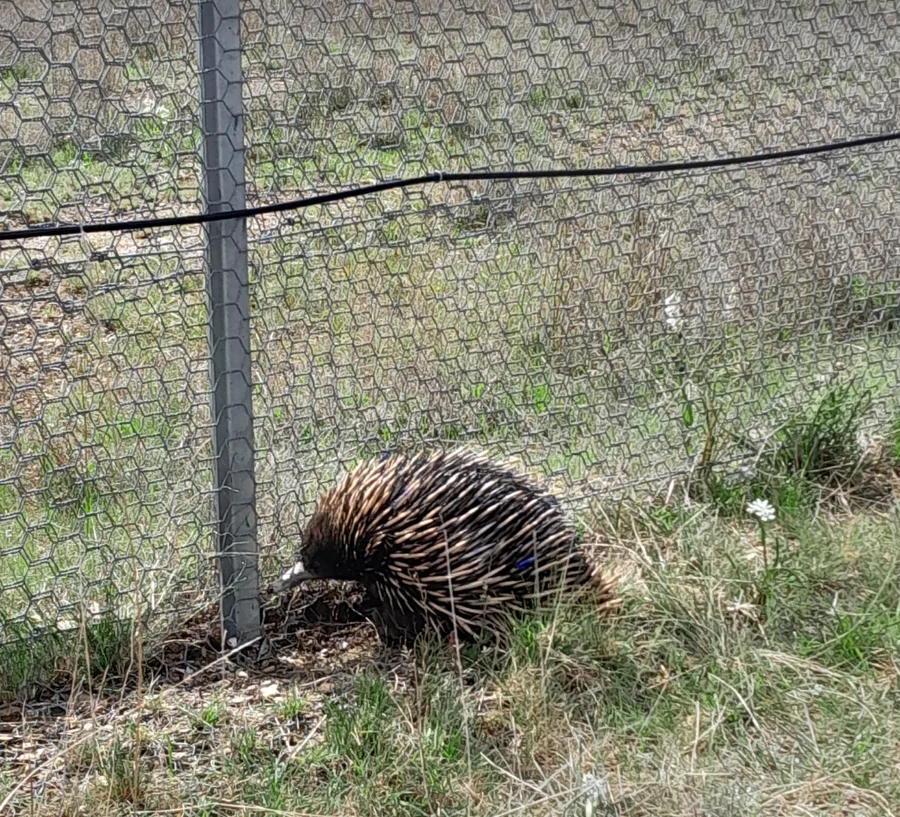
By Divya LaBrooy (u7243494) My work experience involved partaking in an annual Echidna sweep which took place at Mulligan’s Flat Nature Reserve. An Outdoor Laboratory: Mulligan’s Flat is a crucial area for wildlife and ecological monitoring. Spanning over 1200 hectares, … Continue reading →
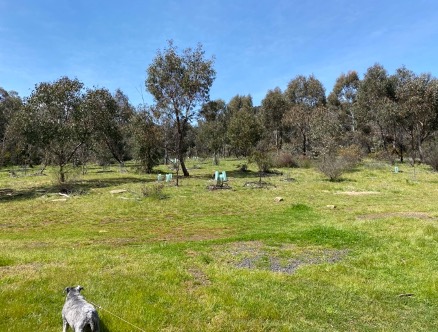
By taking part in the removal of weeds and planting of native shrubs in the new Ginninderry development, we helped to conserve habitat in the green spaces of a suburban community. By Luke Gordon (u6390583) An accelerating problem worldwide The … Continue reading →
u6949325 It is not often you get the opportunity to see rare animals long gone from your local landscape beyond the confines of a local zoo, or walk amongst undisturbed woods in proximity to suburbia. Luckily, I had the chance … Continue reading →
Kylie Kiu – u6425641 – Word Count: 548 Over the past few weeks, I’ve had the pleasure of volunteering at the National Zoo and Aquarium (NZA). I was able to interact with many animals while I assisted the Zookeeper around … Continue reading →
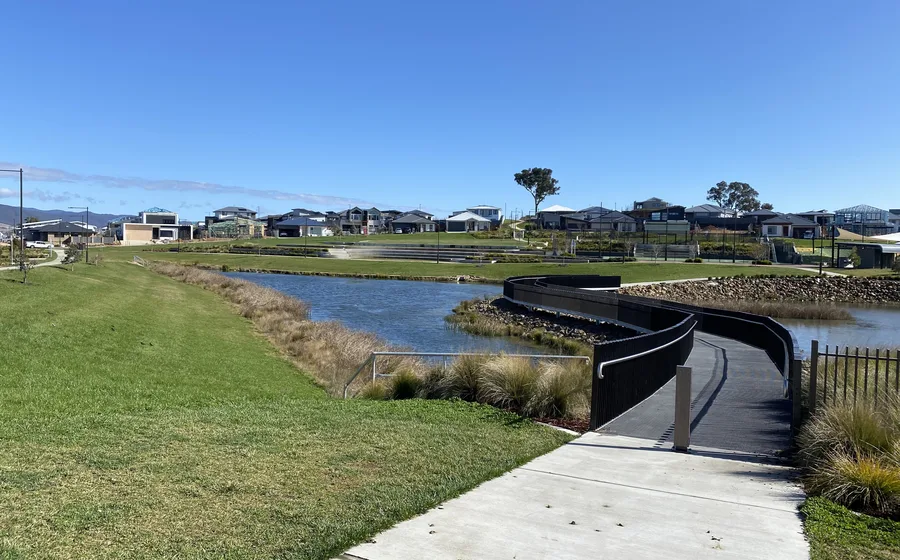
u7126980 Biodiversity in the Urban environment As urban populations skyrocket and urban areas expand outwards important habitat and biodiversity will be lost. In Australia the habitat of over 30% of our threatened species overlaps with urban areas, which means new … Continue reading →
1. The Past In the early 20th century, the Sydney-born developer Henry Halloran drafted grand plans for a new suburb to be built with more than a thousand new plots. He called it Environa. However, before his grand plans could … Continue reading →
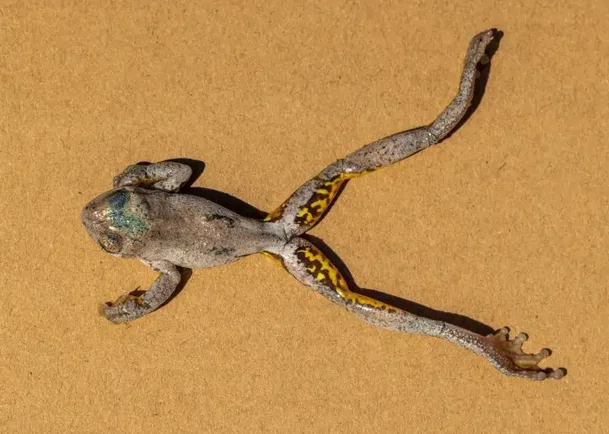
William Holt – u6954919 Frogtober is upon us once again! Each October, FrogWatch ACT, let by the Ginninderra Catchment Group, leads a community based amphibian monitoring program, identifying levels of abundance and species richness of amphibians within the wetlands of … Continue reading →
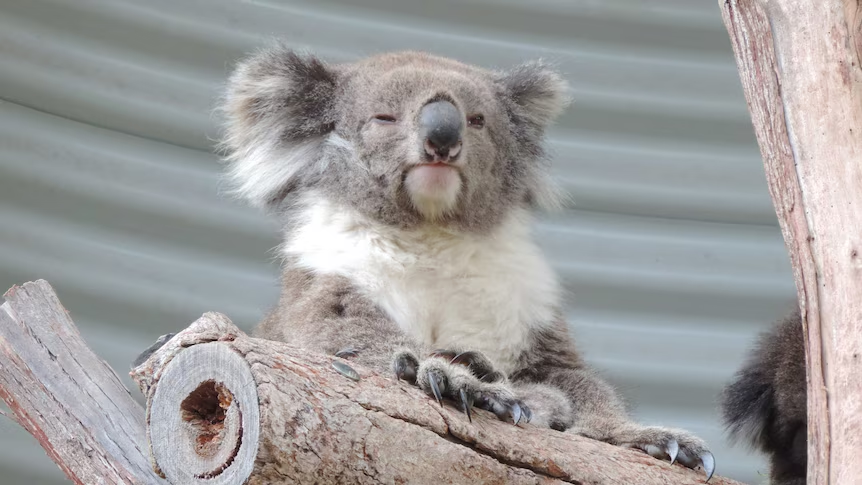
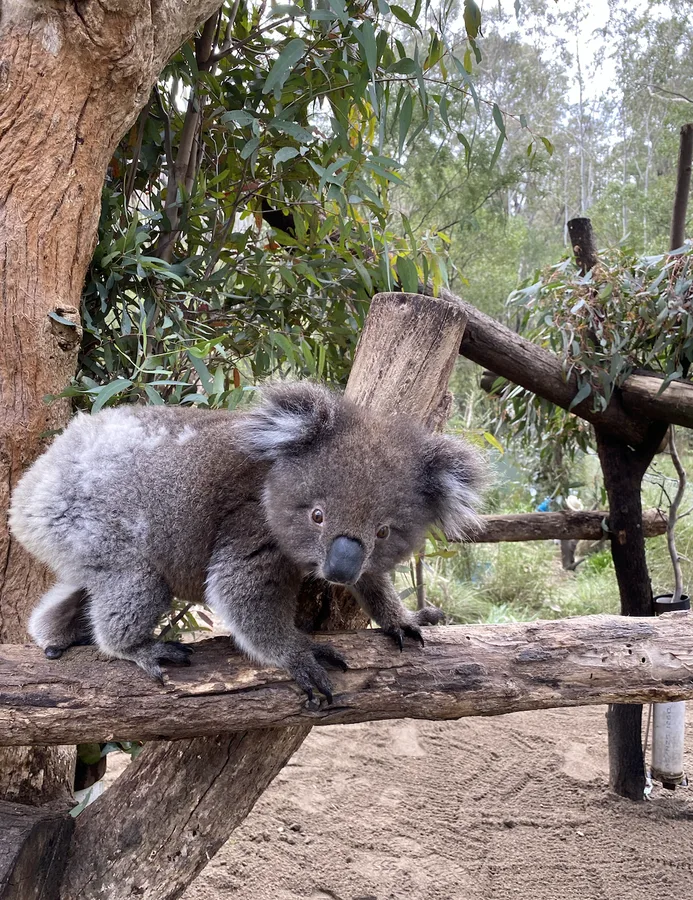
Eric Kitazato-Mu – u7129226 Did you know that since European settlement, more than 80% of koala habitat has been lost? Habitat destruction, bushfires, and road accidents are only some of the major drivers of significant population decline of the koala … Continue reading →

 research.io