Tyndall Centre for Climate Change Research
A new tool for assessing climate adaptation planning quality, applied to more than 2,000 climate action plans, reveals consistent patterns in how cities structure climate adaptation, and where performance varies.
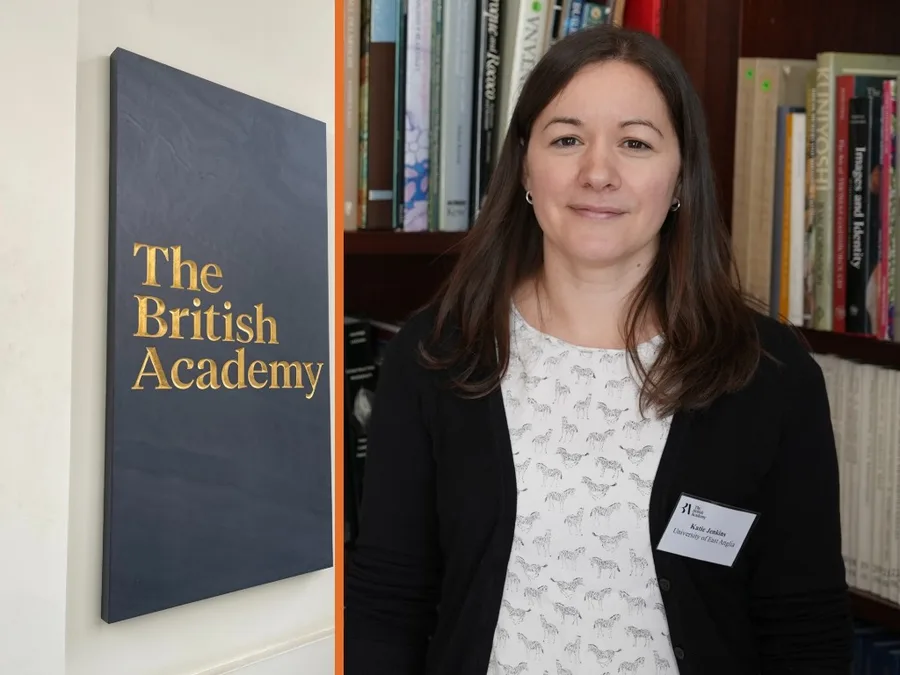
Through a British Academy Fellowship, Dr Katie Jenkins is exploring how we can better understand social vulnerability and embed it in climate adaptation policy – bridging the gap between academic research and real-world decision-making.
This two-day interdisciplinary workshop will share up-to-date understandings, challenges and opportunities for communicating climate and environmental assessments with diverse audiences.
A study in Scientific Reports assesses long-term adaptation strategies for Venice under projected sea-level rise, highlighting the implications for coastal areas worldwide.
Researchers warn that framing biodiversity loss as a national security threat relies on speculative migration projections and risks undermining the evidence-based policy required for genuine ecological restoration.
A significant amount of greenhouse gas emissions come from reservoirs and dams, and a new framework links those to dam siting decisions. Here’s why it is a major step towards low-carbon hydropower worldwide.
A tremendous opportunity to advance your academic career and steer exceptional climate/environmental research.
Professor Andrew Jordan has been appointed to the UK Climate Change Committee (CCC), recognised for his expertise in climate policy, governance, and environmental research.
Professor Corinne Le Quéré says the breakdown in international cooperation, long supporting global progress on climate action, has hit science head on. Speaking candidly about deliberate efforts by some world leaders to undermine science and scientists, the leading climate researcher sets out why protecting communities from the growing impacts of climate change depends on more scientific leadersh…
This online public seminar explored how the UK uses less energy than almost anyone anticipated 20 years ago, but opportunities to act on this potential were largely missed.
This report is the result of workshop in February 2026, bringing together ten expert stakeholders from across UK energy and climate research, to reflect on past scenarios with hindsight and consider the lessons for future scenario development.
How would UK energy scenario practice look if lessons were learned from the past two decades? A new expert workshop report from the Tyndall Centre at The University of Manchester argues it would mean broader commissioning of expertise, methodological diversity, and energy demand as core components of any scenario set.
A new global assessment of climate risks to biodiversity across more than 98,000 protected areas worldwide provides an open-access tool to support climate resilience planning.
Key elements of climate action are difficult to reverse. From policies and technologies to the stories we tell ourselves, we are putting climate progress on a path where there is no turning back.
Aims and objectives This studentship aims to explore how group/social identities (e.g. sports fans) can be leveraged to encourage low-carbon, climate-resilient behaviours examining how cultural activities such as sport can support climate awareness and action. […]
Researchers report that well-designed climate policies prevented more than three billion tonnes of CO2 emissions in 2022, demonstrating that policy design is critical to effective decarbonisation.