


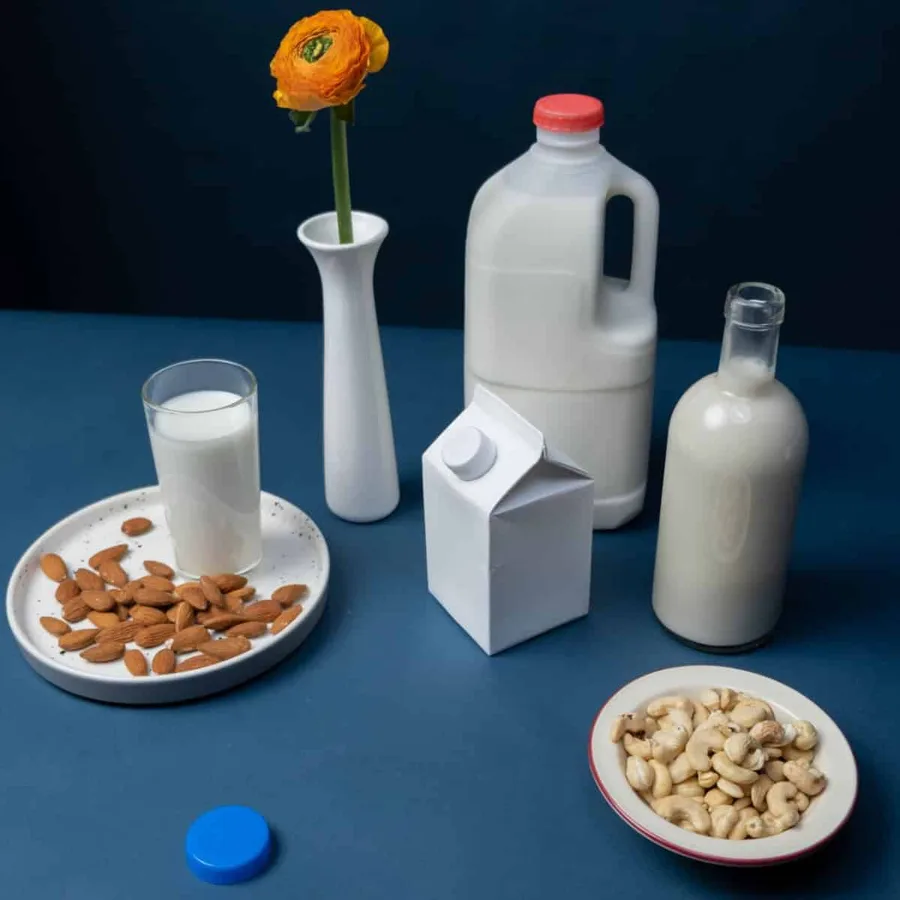
Today marks World Plant Milk Day. You don’t get literal milk from plants, but if the term “plant milk” upsets you, it’s a term that’s been used for hundreds of years in English. If, like me, you wonder where the milk comes from, there’s not single part of a plant that gets “milked”. Soy and pea milks come from cotyledons, the seed leaves, where the plant has stored protein to power a seedling. Almond and cashew milks are also cotyledon, but oil-rich rather than protein-rich. Coconut milk is pressed from solid endosperm, the white flesh, that is kept to power the seed. Endosperm is the source for oat milk too. The reason they’re all “milks” and not juices is that the oils and proteins are all emulsified into a liquid. It’s this mix that scatters the light making the liquid a “milk”. It’s a process that’s been with us for thousands of years. How to Play Six plants fill each row each column, each box of six no bloom may repeat Tap an empty cell then choose your plant from below watch the garden grow Or pick a plant first then tap the cells where it goes faster hands plant more Red borders will warn when two alike share a line rethink and replant Ticked plants rest complete all six placed in rightful soil fewer choices left The clock starts to run the moment your first plant falls how swift is your hand? Select a plant, then tap cells Two ways to play: Tap an empty cell then pick a plant, or select a plant below then tap cells to place it.
Sudoku Garden
Alun Salt
2 min read