


Medical 3D printing has gone, in just a few years, from an experimental laboratory technology to a well-established production solution. Custom surgical instruments, orthopaedic guides, personalised prostheses, diagnostic components and single-use devices are today increasingly often made through additive manufacturing. However, when a component is intended for contact with the patient or the healthcare operator, technical performance alone isn't enough. The material and the device must demonstrate adequate biocompatibility and compliance with a detailed regulatory framework, defined by international standards and sector-specific requirements. This guide explains what is meant by biocompatibility, what the main reference certifications are (including USP Class VI, ISO 10993 and ISO 13485 ) and what responsibilities fall on the various players in the supply chain.
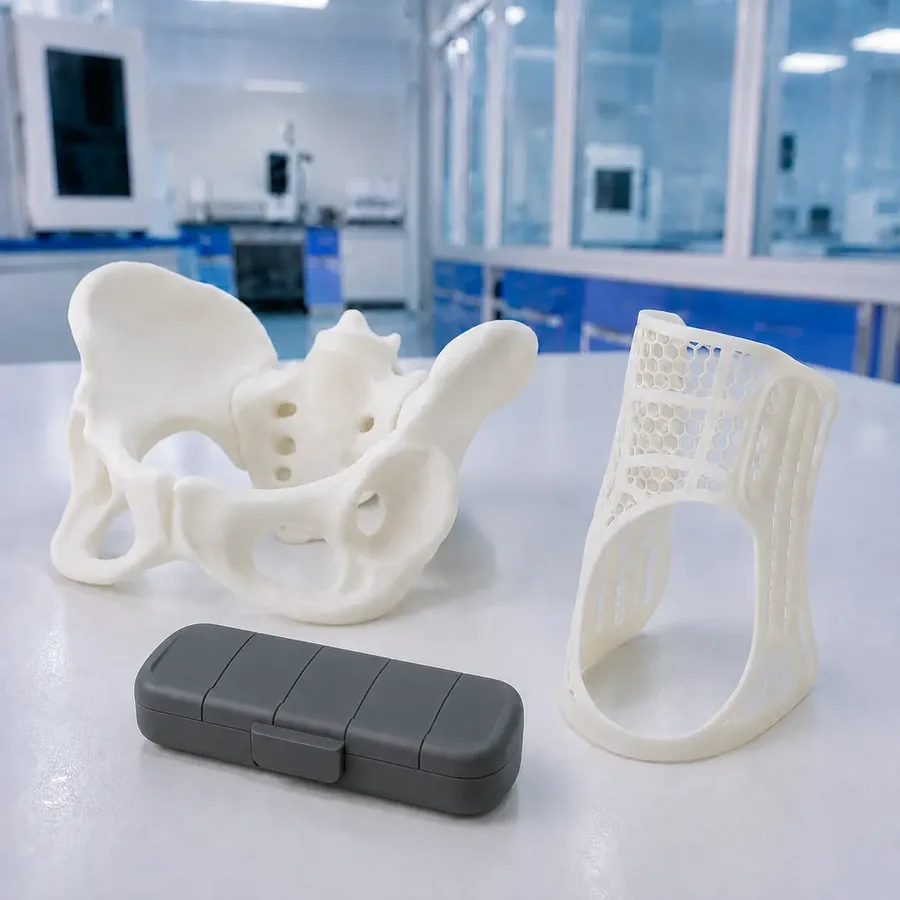
Biocompatibility & certifications in medical 3D printing | 2026 Guide
Weerg staff