


Parkinson's disease occurs when nerve cells in the brain that are responsible for producing dopamine, die or become impaired. Dopamine allows the body's muscles to move smoothly, and without it, a person slowly loses control of their movements. While the current treatment options for Parkinson's help to replenish a patient's dopamine levels, they are often only a short-term fix and can have severe side effects, such as involuntary movements and psychiatric problems. But in a new study,...
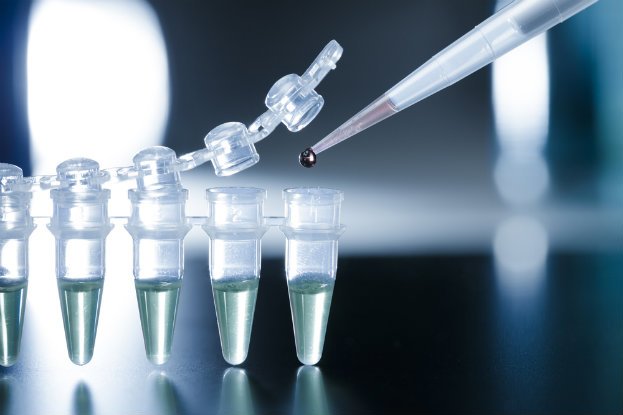
Stem Cell Transplant Reverses Parkinson's Disease Symptoms in Rats
ScienceAlert Staff