


From what I can gather, Freddie Mercury—the rightfully celebrated lead singer of Queen—was about the same height as I am. So while I’m certainly not Freddie Mercury’s twin, would you say I’m Freddie Mercury–like? Besides having our heights in common, I also am male, have facial hair and can carry a tune (though at that, I am not a champion). Weirdly, we both also worked with rock stars named Brian with Ph.D.s. related to physics, too. You might argue that, if you squint really hard, I am at best extremely vaguely Freddie Mercury–ish. Really, all you can say is that I’m Freddie Mercury–sized—I certainly wouldn’t go so far as to say Freddie Mercury–like. On supporting science journalism If you're enjoying this article, consider supporting our award-winning journalism by subscribing. By purchasing a subscription you are helping to ensure the future of impactful stories about the discoveries and ideas shaping our world today. That’s why, among many other reasons, I need not worry about ever being described that way by the media. But then again, I’m not an exoplanet. To date, astronomers have found more than 6,300 of these alien worlds orbiting other stars, with new entrants to our exoplanetary catalogs arriving practically every day. Many of these are so weird that they’re difficult to imagine. The very first ones discovered were radiation-riddled worlds orbiting a pulsar—the burned-out stellar remnant of a catastrophic supernova explosion and pretty much the last place anyone would have expected a planet to hide. Next, astronomers spied several exoplanets that are gas giants like Jupiter—but in orbits so tight that these worlds practically skim the surfaces of their stars. Others orbit so far out that it’s hard to explain how they got there. Some exoplanets are rocky but so hot that their surfaces are molten; others are so cold that they’re frozen solid. Each and every one we find isn’t just a world—it’s an additional data point in the grand scientific quest to...
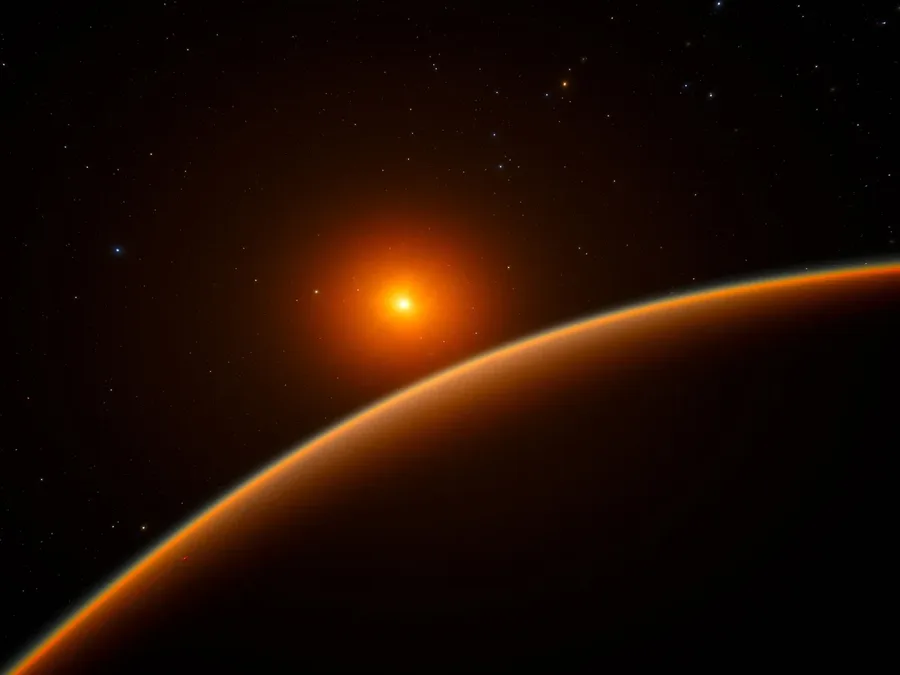
‘Earth-like’ exoplanets may exist—but we don’t know of any yet
Phil Plait
7 min readPaywalled