epilepsy
BackgroundComplex febrile seizures (CFS) confer an elevated risk of epilepsy progression; however, the underlying genetic architecture remains insufficiently characterized in Chinese pediatric populations. This study aimed to delineate the mutational landscape and genotype–phenotype associations in a clinically stratified high-risk febrile seizure cohort.MethodsThis retrospective, single-center s…
Cenobamate (CNB) demonstrates high efficacy in drug-resistant focal epilepsy, yet optimal management requires personalized strategies. This exploratory case series describes five patients selected from a cohort of 125 individuals treated with CNB, examining the relationship between pharmacogenetic (PGx) profiles and clinical outcomes. Clinical data and therapeutic drug monitoring (TDM) were integ…
IntroductionCerebral cavernous malformations (CCMs) are vascular lesions that can cause focal epilepsy due to local hemosiderin deposition, gliosis, and cortical irritation. Epileptic seizures attributable to CCMs contribute significantly to morbidity and often require long-term management with antiseizure medications (ASMs), but the psychiatric side effect profiles of ASMs remain underreported i…
In people with epilepsy, a new study has found a smartwatch application accurately detected tonic-clonic seizures, seizures with major convulsions, with a low rate of false alarms.
Nature Communications, Published online: 25 May 2026; doi:10.1038/s41467-026-73053-9 In drug-resistant temporal lobe epilepsy, thalamo–cortical synchrony in the first 20 seconds after seizure onset is stronger in clinical than electrographic seizures, highlighting network engagement as a key driver of seizure symptoms.
Scientific Reports, Published online: 25 May 2026; doi:10.1038/s41598-026-43151-1 Stabilizing fractional dynamical networks suppresses epileptic seizures
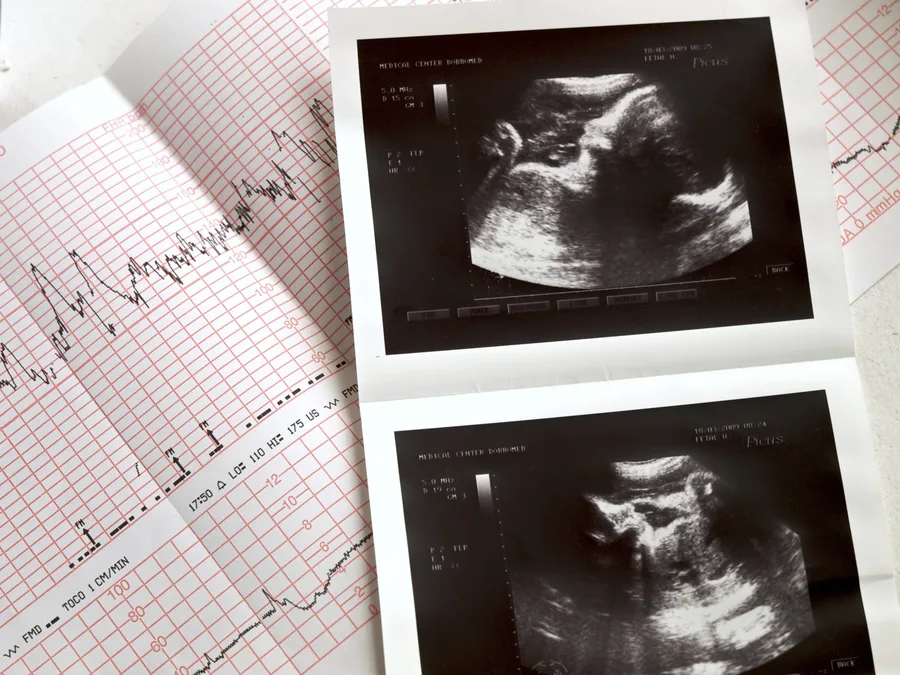
A new Northwestern study suggests that interventions for epilepsy can start during pregnancy, as early as 15 weeks gestation, well before symptoms appear, according to a study published in Nature Communications. The post Treatment of Rare Childhood Epilepsy Could Begin Before Birth appeared first on News Center .
The SCN8A gene encodes the voltage-gated sodium channel NaV1.6, which is essential for neuronal excitability and action potential propagation. SCN8A variants are associated with a broad clinical spectrum, ranging from self-limiting syndromes to developmental and epileptic encephalopathies. Here, we identified a novel de novo heterozygous SCN8A variant (c.791 T > C/p.Val264Ala) in a 19-year-old fe…
Children with epilepsy have a higher risk of also having autism spectrum disorder (ASD). A new study in Developmental Medicine & Child Neurology examined factors associated with the co-occurrence of autism and epilepsy in a large population-based group.
Charlottesville, VA, and Chicago, IL — April 28, 2026 — The Focused Ultrasound Foundation and CURE Epilepsy have announced the co-funding of an innovative CURE Epilepsy Catalyst Award research grant that may pave the way for better control of debilitating seizures in children. The project aims to develop a noninvasive treatment for a severe form ...

The Focused Ultrasound Foundation and CURE Epilepsy have announced the co-funding of an innovative CURE Epilepsy Catalyst Award research grant that may pave the way for better control of debilitating seizures in children.
BackgroundDravet syndrome (DS) is a severe developmental and epileptic encephalopathy, mainly caused by SCN1A gene mutations. Its core characteristics are heat sensitivity and refractoriness, and immunoinflammatory factors can participate in the occurrence and development of the disease. At present, the regulatory role of immune inflammation activation in DS has been confirmed, but the specific m…
Posted on: 13 April 2026, source: National Today A groundbreaking gene regulation treatment developed by Dr. Linda Laux at Ann & Robert H. Lurie Children's Hospital of Chicago has demonstrated significant reductions in seizures and improvements in developmental and cognitive symptoms for patients with Dravet syndrome, a severe form of epilepsy. The treatment targets the root cause of the conditio…
BackgroundLAMA2-related congenital muscular dystrophy (LAMA2-MD) is a genetically heterogeneous disorder defined by progressive muscle weakness, brain structural abnormalities, epilepsy, and multisystem involvement. The primary goal of this study was to characterize the clinical features, temporal progression, and genotype-phenotype correlations of LAMA2-MD.MethodsMedical records of patients with…
BackgroundThe CHD2 gene is one of the most common causative genes of developmental and epileptic encephalopathy (DEE). With the advent of high-throughput sequencing, identifying CHD2 variants has increased, necessitating evaluation of the gene-specific performance of widely used tools, as genome-wide benchmarks may mask such heterogeneity.MethodsThe dataset of pathogenic and control CHD2 missense…
Meet Sarah Weckhuysen Sarah Weckhuysen joins the VIB-UAntwerp Center for Molecular Neurology as group leader Prof. Sarah Weckhuysen is a neurologist specialized in epilepsy, with neurology training from KU Leuven and a PhD in Medical Sciences from the University of Antwerp. She has gained extensive experience working in leading epilepsy centers across Spain, the Netherlands, and France. Between 2…
Investigators in the laboratory of Gemma Carvill, PhD, have discovered novel molecular underpinnings of Dravet syndrome, a rare genetic form of epilepsy in children, that may serve as promising therapeutic targets, according to a recent study. The post Uncovering New Therapeutic Targets for Pediatric Epilepsy appeared first on News Center .
Neurology & Neurosurgery - Juniper Publishers Abstract Objectives: Recent studies reported that tumor histopathology plays a significant role in predicting freedom from seizures after epilepsy surgery; however, no consensus among researchers regarding this issue exists. This study retrospectively examined different types of tumor-related epilepsy and post-epilepsy surgical outcomes and the r…
Using MRI, EEG and clinical characteristics, the pre-surgical workup can predict if patients with epilepsy will benefit from a more invasive examination. The post Improving Pre-Surgical Workups for Epilepsy appeared first on News Center .
research.ioSign up to keep scrolling
Create your feed subscriptions, save articles, keep scrolling.