In this study, a waste-based complex mineral-modifying additive (CMMA), composed of fly ash (FA), microsilica (MS), and metakaolin (MK) derived from industrial waste, was developed. Concrete specimens were produced using vibration (V), centrifugation (C), and vibro-centrifugation (VC) methods; CMMA was used for replacing cement in amounts ranging from 0% to 20%, with increments of 4%. The compres…
This study investigated the viability of rice husk ash (RHA) as a sustainable and performance-enhancing partial substitute for cement in concrete. The used RHA, characterized by a novel chemical composition abundant in silicon and aluminum oxides, was incorporated into ordinary concrete at increasing substitution ratios up to 25%. A comprehensive evaluation was conducted to assess the influence o…
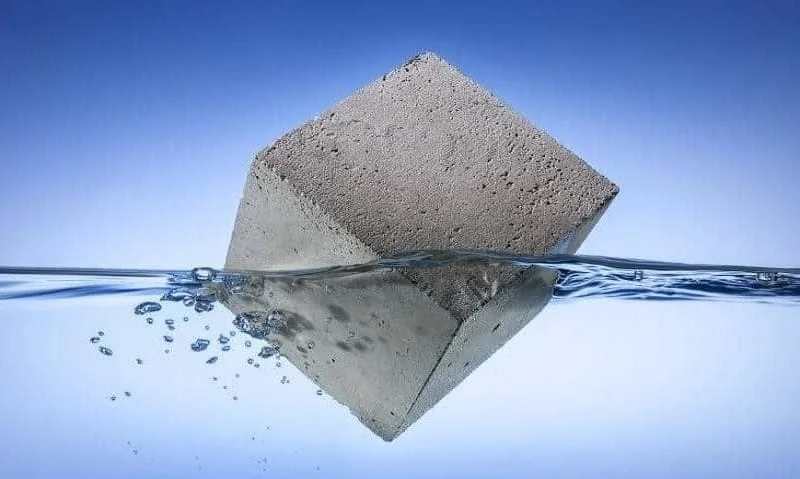
What Is Lightweight Concrete? Lightweight concrete is a blend of lightweight coarse aggregates such as shale, clay, or slate, giving it low density. The in-place density (unit weight) of structural lightweight concrete ranges from 1440 to 1840 kg/m3. Principle Of Lightweight Concrete 1. The core principle behind the production of lightweight concrete is the introduction […] The post Lightweight C…
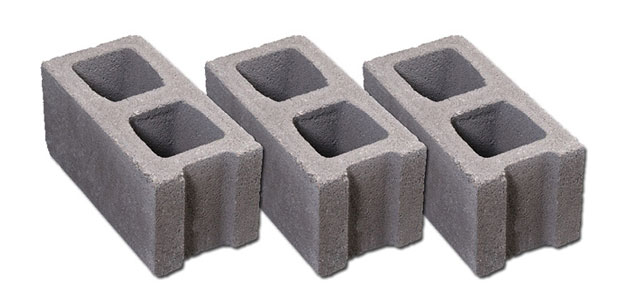
The materials required for the production of the concrete blocks are aggregates, cement and water. The aggregates of various types have been used with varying [...] The post Concrete blocks appeared first on Civil Engineering Blog .
MSE SEMINAR Tuesday, February 11, 2014 11:00 am – 12:00 pm Room 610, M&M Building Concrete: The First – and Last – Engineered Material? Prof. Lawrence Sutter Department of Materials Science and Engineering Michigan Technological University Lawrence Sutter Abstract February 11, 2014