Behavioral economics is increasingly recognizing that personal experiences and biology play a major role in shaping decision-making. Research shows that life experiences can influence beliefs and choices long after events occur, even among experts. This perspective suggests that behavior is shaped not only by information and incentives but also by emotions, development, and lived experience. The …
When we think about wellbeing, we often think about our health, including our mental state. Research has found that good financial health has a huge influence on improving overall wellbeing, while poor financial health is linked to stress, depression and lack of productivity. People in receipt of financial education often report feeling more confident, more in control of personal finances and exh…
In 2022, Auckland Council undertook an innovative research project utilising behavioural insights, which was designed to support Auckland households to make more sustainable and climate friendly food choices, i.e., to eat less meat. This ‘Different Dinners’ project is part of a broader programme of work looking at how Auckland Council can respond to its commitments to address climate change. The …
The pursuit of expertise has been a longstanding goal for us humans. Drawing from key research on how we build skills, we highlight the intrinsic connection between joy and the development of expertise in one’s field. By understanding joy as a vital component of expertise, we propose the concept of joyful expertise – a holistic approach to skill development. Potential contributors to joyful exper…
Selecting the right methodology for researching and exploring human behaviour can be a challenge. This article provides an overview of different applied behavioural science methodologies and offers some simple steps toward selecting the most suitable approach to gain insights into human behaviour. The post Decoding Human Behaviour: An Exploration of Behavioural Science Methodologies appeared firs…
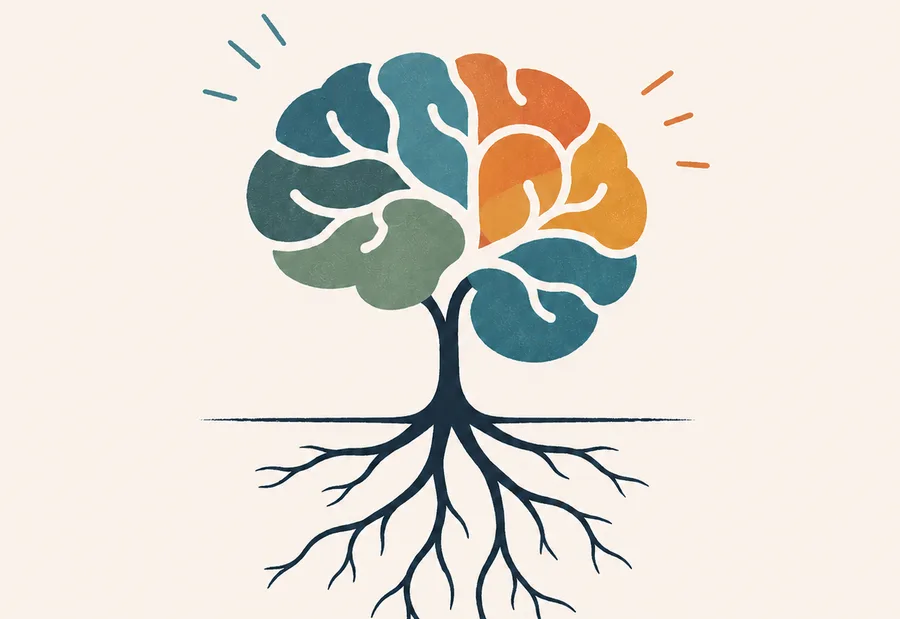
Pricing strategy is a funny area of business that everyone seems to hate. What role does the brain play in this, and how can you leverage behavioral economics to overcome your brain’s natural tendencies? The post Pricing Strategy: How Our Brains Keep Us Stuck appeared first on BehavioralEconomics.com | The BE Hub .
Some apps or websites are beautiful, stylish, and well thought out in terms of UX, but have one problem: they are boring. These products can trigger both desire and resistance in the user at the same time. Here are a few tricks that will help solve this problem not from a rational, but from an emotional side. The post 8 Ways to Drive Conversions and User Engagement Online appeared first on Behavi…
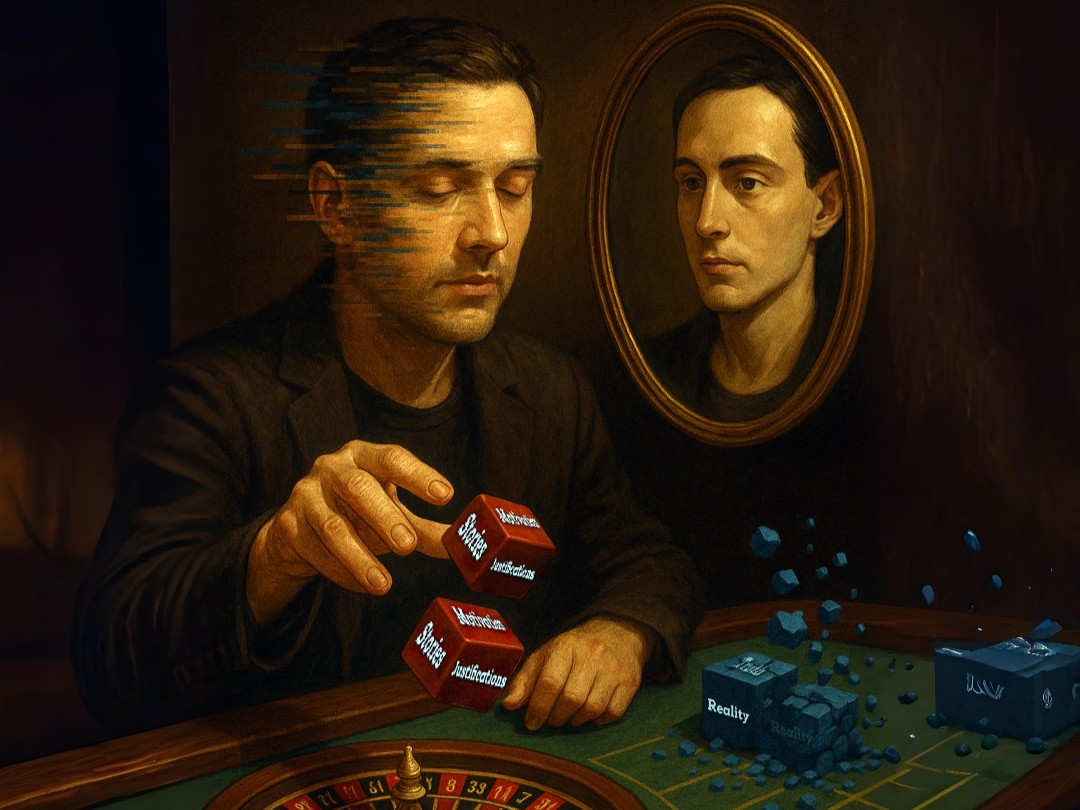
There have been a lot of juicy headlines in behavioral science around replicability and the falsification of data. I can’t help but wonder whether these spotlights are distracting (read: biasing) us from the potential and existing contributions of the field as a whole. Perceptions of behavioral science are just as vulnerable to our perceptions and biases. Is it possible that the field is sufferin…
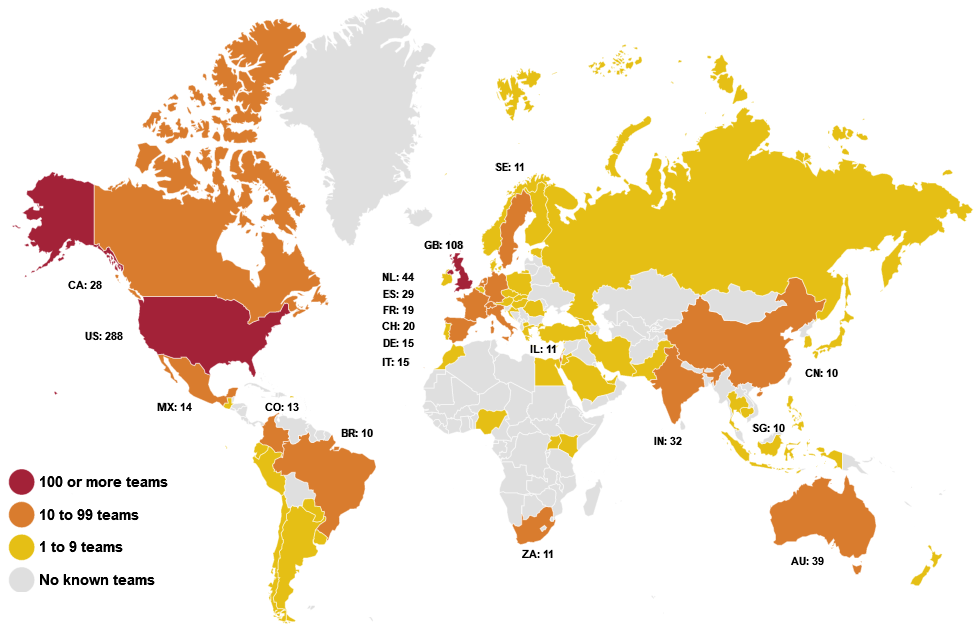
The field of behavioral science is growing. Practitioners are now spread across 72 countries, facing challenges such as making the case for behavioral science (see also the BE Guide 2023 editorial) and measuring its impact. Our survey aims to understand this growth and welcomes participation from practitioners and researchers worldwide, especially from regions outside Western developed countries.…
Nudging and manipulation in modern society, driven by advancements in technology and behavioral sciences, are pervasive. However, there are ways for individuals to resist and develop immunity to these persuasion tactics. By being forewarned, recognizing manipulation attempts, and undergoing debiasing interventions, individuals can better protect themselves. Additionally, they can avoid vulnerable…
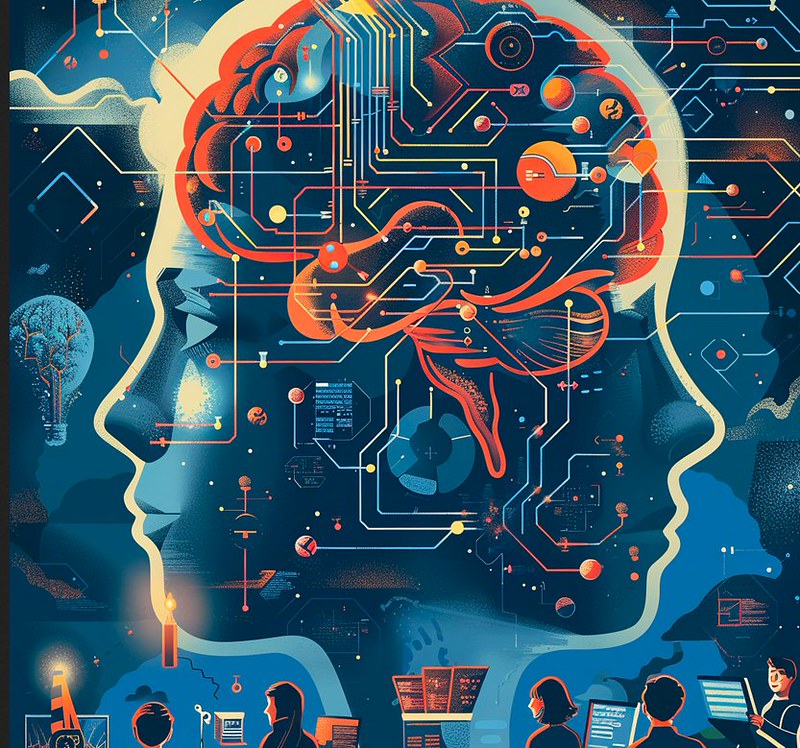
In the digital age, technology has made life more convenient but has also led to the outsourcing of essential skills. The rise of ChatGPT, an AI language model, which offers multiple incredible abilities including enhanced writing abilities, raises the concern that it may diminish our ability to express ourselves properly and complete a task all by ourselves. Like the "Google Effect", we risk rel…















 research.io