Rocket Science

It’s time for the second dance: Rumba’s targeted reentry is coming up, with the second Cluster satellite expected to reenter the atmosphere between 18:20 and 21:45 CEST on 22 October 2025. As its four identical satellites each come down, ESA’s 24-year Cluster mission gives us a farewell present in style with a unique, quadruple boost to reentry science. The unpredictability of most reentries make…

astronomyspace-exploration

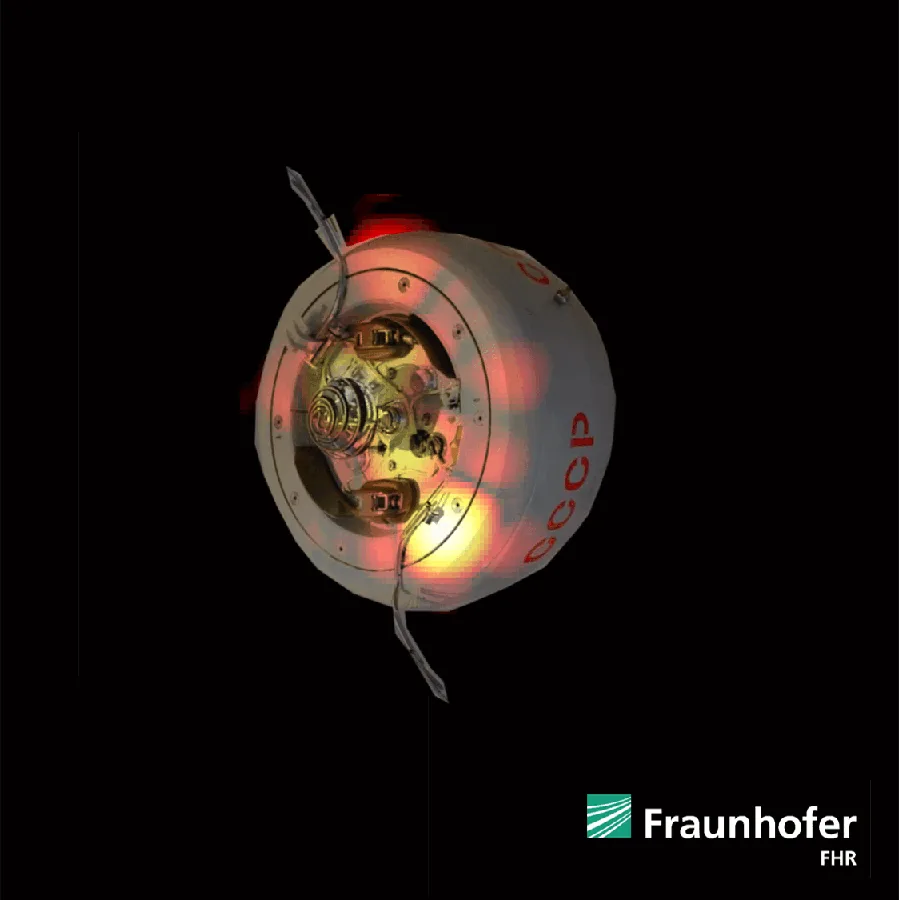
Updated: 13 May 2025 09:30 CEST On 10 May 2025, an uncontrolled reentry took place of the Cosmos-482 descent craft, a Venera landing capsule that launched 53 years earlier. It was meant to land on Venus, but its launcher never escaped Earth’s gravity. The Soviet-era object was last spotted over Germany at 08:04 CEST on 10 May by our colleagues at Fraunhofer FHR as it passed through the sky over t…

astronomyspace-exploration

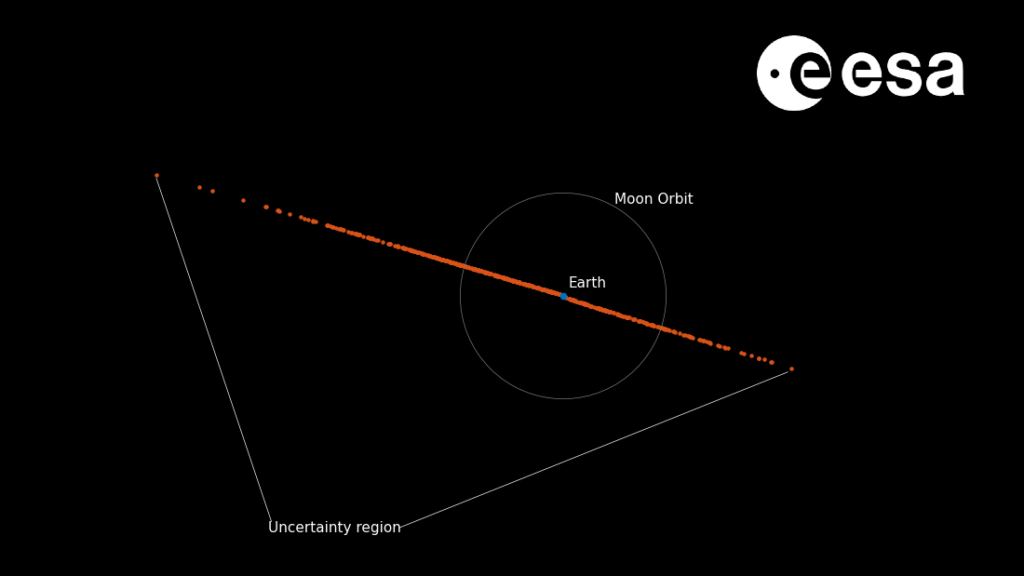
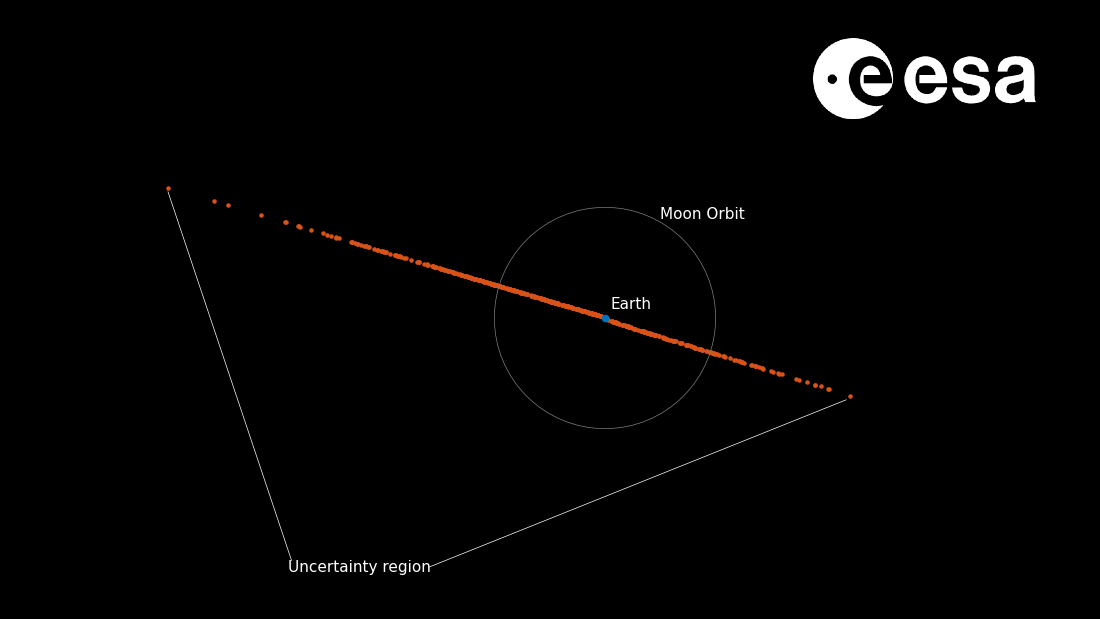
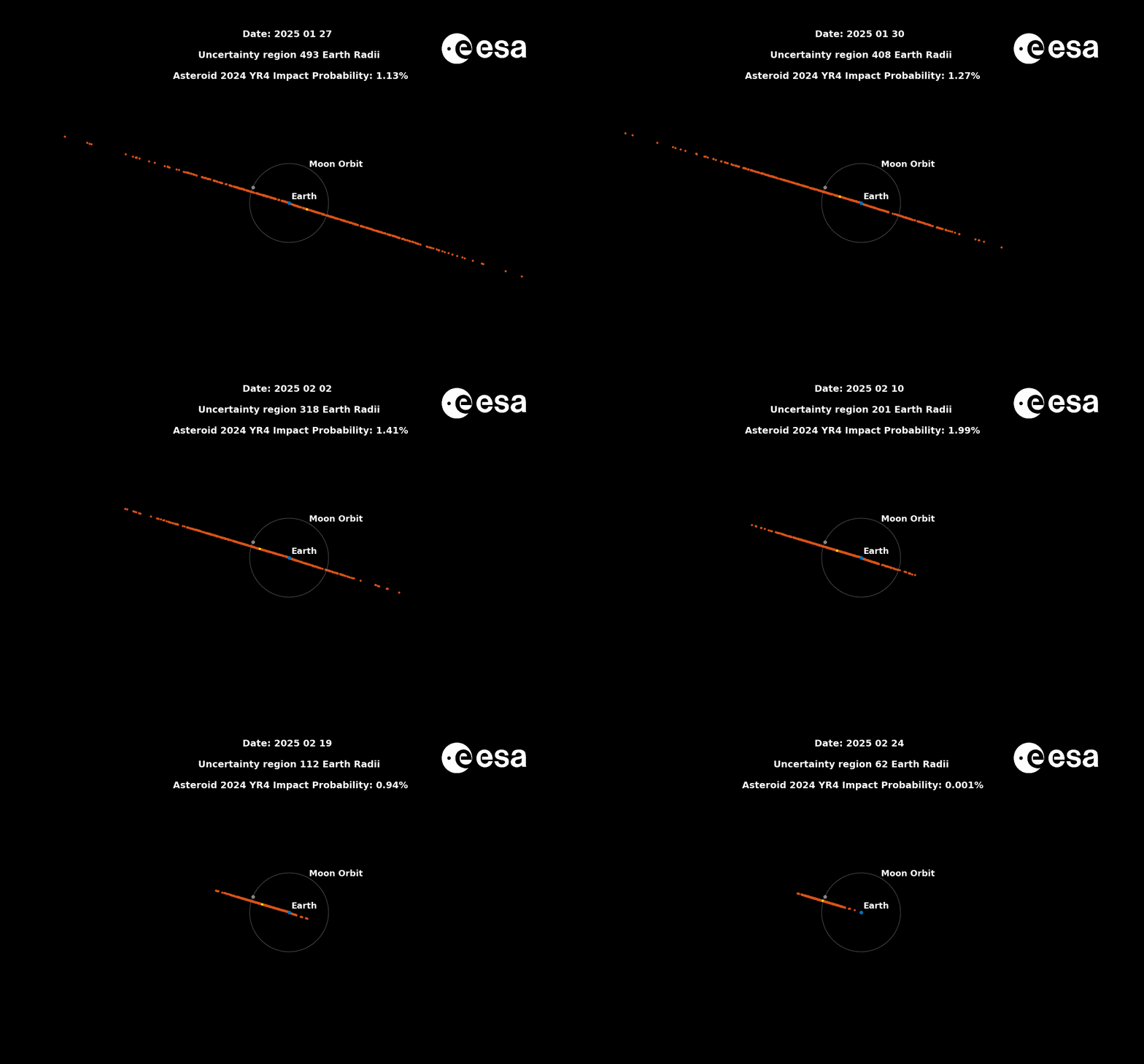
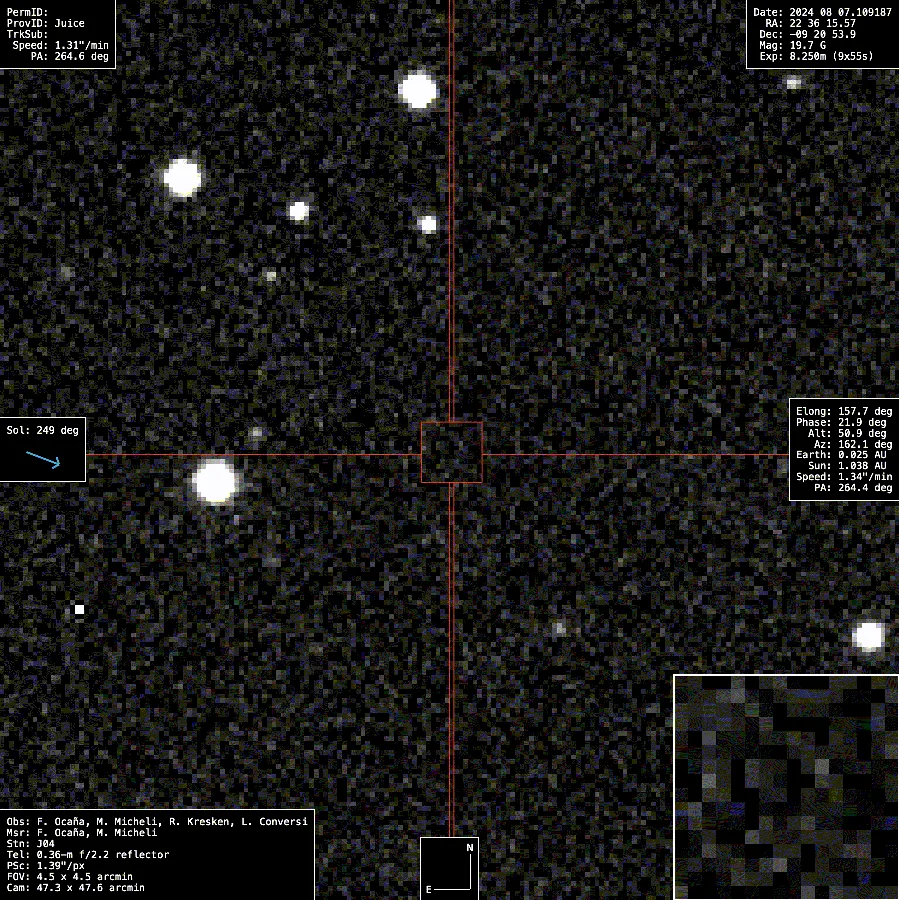
On 18 February 2025, the probability that asteroid 2024 YR4 might impact Earth on 22 December 2032, as assessed by ESA’s Near-Earth Object Coordination Centre, rose to 2.8%. This means that 2024 YR4 has now surpassed the 2.7% chance of impact briefly associated with the much larger asteroid (99942) Apophis back in 2004. For asteroids larger than 30 metres in size, 2024 YR4 now holds the record fo…

asteroidsastronomyspace-exploration

Why is asteroid 2024 YR4 important? Asteroid 2024 YR4 was discovered on 27 December 2024. As of 10 February 2025, it has an approximately 98% chance of safely passing Earth on 22 December 2032. Astronomers are working to reduce our uncertainty about the asteroid’s orbit and rule out any impact risk, but it will fade from view from Earth in a few months’ time, and a small chance of impact may pers…

astronomyplanetary-science

The experts in ESA’s Planetary Defence Office have determined that, as of 6 February, the risk of 2024 YR4 impacting Earth on 22 December 2032 is 1.8% — a small increase from the 1.2% estimate published in the ESA website on 29 January due to new observational data. This numerical value is expected to evolve in the coming weeks as additional observations are reported, first rising and then fallin…

astronomyplanetary-science

These are the latest estimates for the size and impact probability of asteroid 2024 YR4 from ESA’s Near-Earth Object Coordination Centre (NEOCC), as of 25 February 2025. See our Frequently Asked Questions for more information. Find out why an asteroid’s impact probability can change over time, and why it often falls to zero: Here is the equivalent representation for 2024 YR4, based on real observ…

asteroidsastronomyspace-exploration

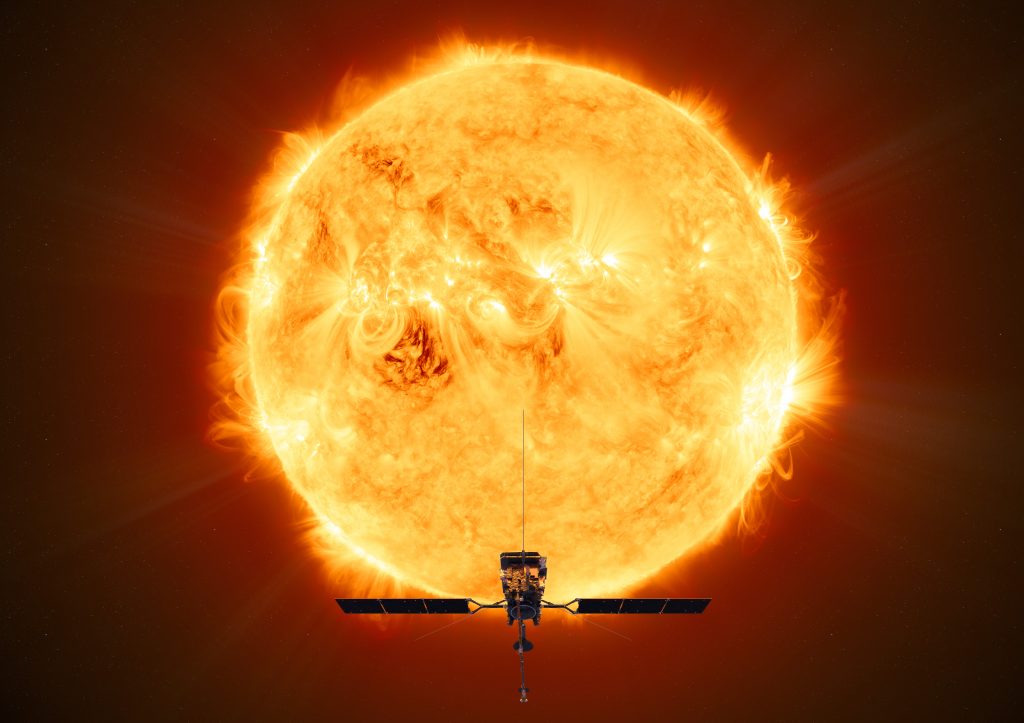
ESA’s Solar Orbiter has made first contact with an ancient and mysterious world… Cornwall! During recent tests, the spacecraft successfully sent telemetry to and received commands from ESA mission controllers at ESOC in Germany via a deep space antenna operated by Goonhilly Earth Station Ltd in Cornwall, UK. The activity highlights the growing role of commercial ground stations in supporting deep…

astronomyspace-exploration

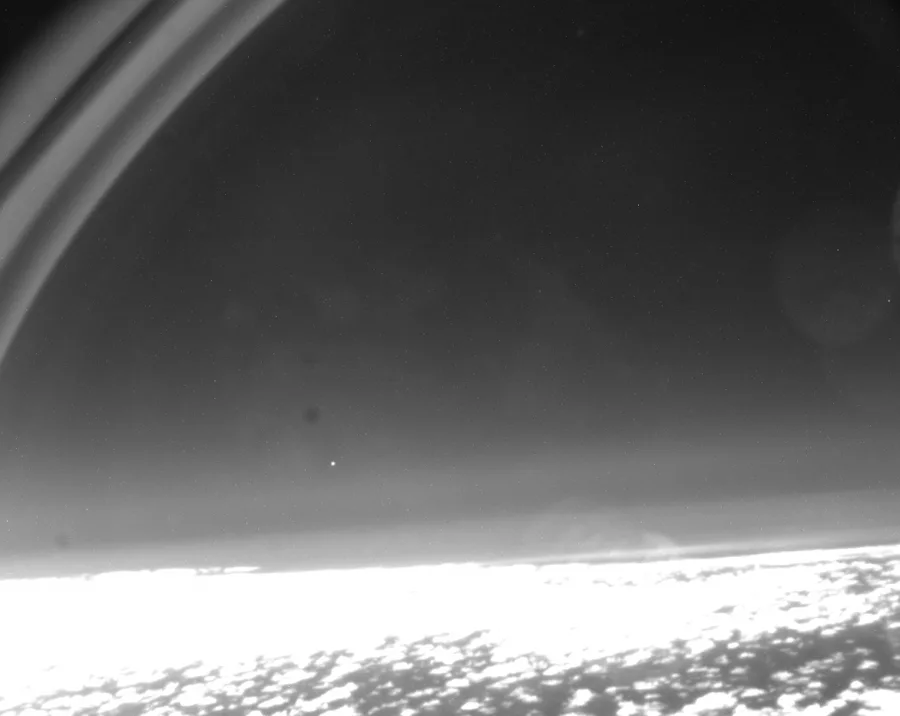
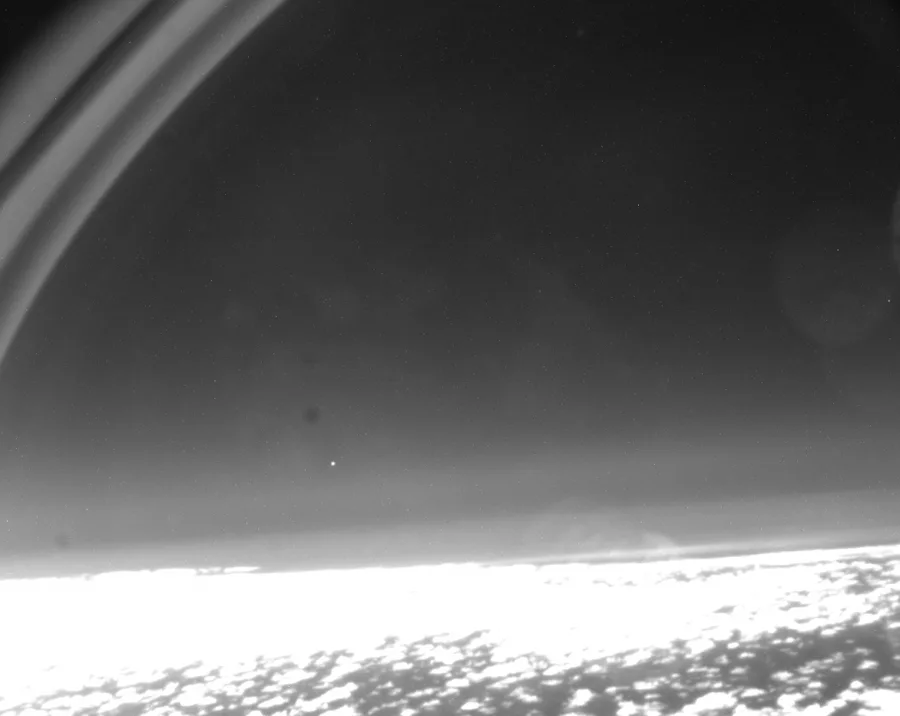
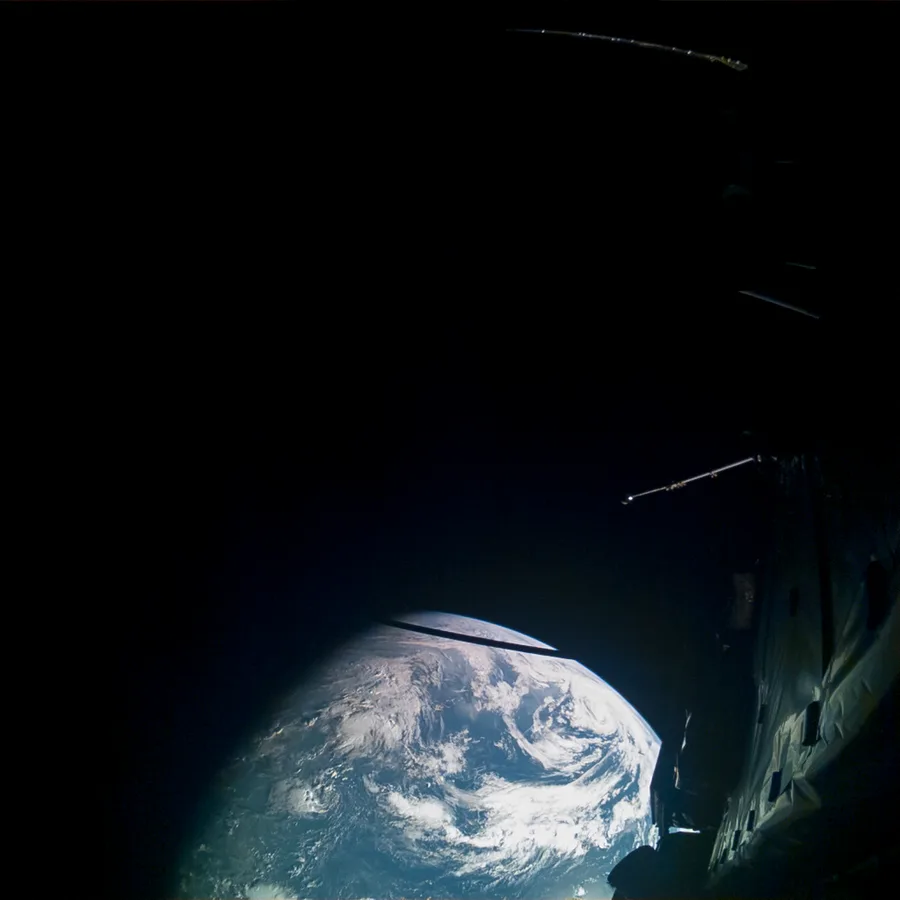
Yesterday, Salsa reentered at 18:47 UTC / 20:47 CEST and completed the first-ever targeted reentry safely over the South Pacific Ocean. The picture tells the story. Salsa’s reentry turned out to be hard to capture yesterday, it took all the expertise of the team to grab data and images when Salsa showed up just close enough to be seen from the plane. In the photo, Salsa was captured burning up fu…

astronomyspace-exploration

First image of Salsa’s reentry Yesterday, Salsa reentered at 18:47 UTC / 20:47 CEST and completed the first-ever targeted reentry safely over the South Pacific Ocean. Now, we can confirm the successful observation of the reentry by the airborne observation campaign with this image. The picture tells a story. Find out more in this blog post as we end the live reporting here. Sunday 8 September, 21…

astronomyspace-exploration

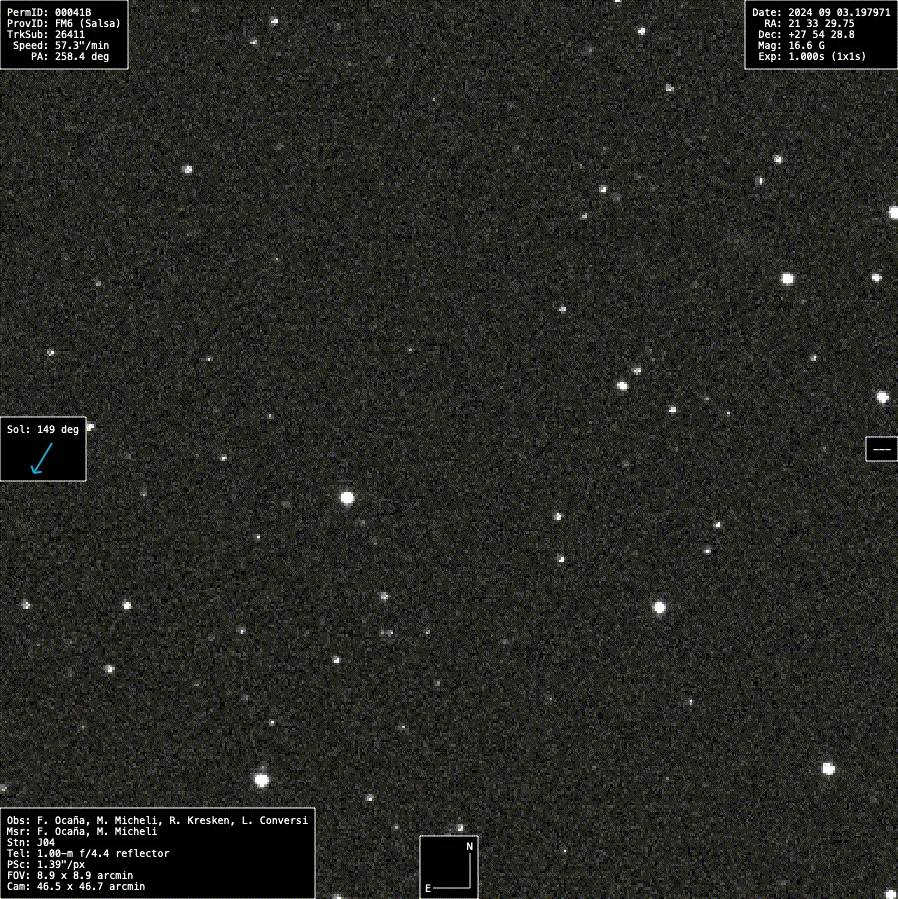
Tomorrow, 8 September 2024, Salsa (Cluster 2), one of four satellites that make up ESA’s Cluster mission, will reenter Earth’s atmosphere over the South Pacific Ocean at 18:48 UTC / 20:48 CEST, with two minutes uncertainty either way. The teams at ESA’s operations centre ESOC and in Easter Island are continuing the preparations for the reentry and the attempt to observe it from a plane. Over the …

astronomyspace-exploration

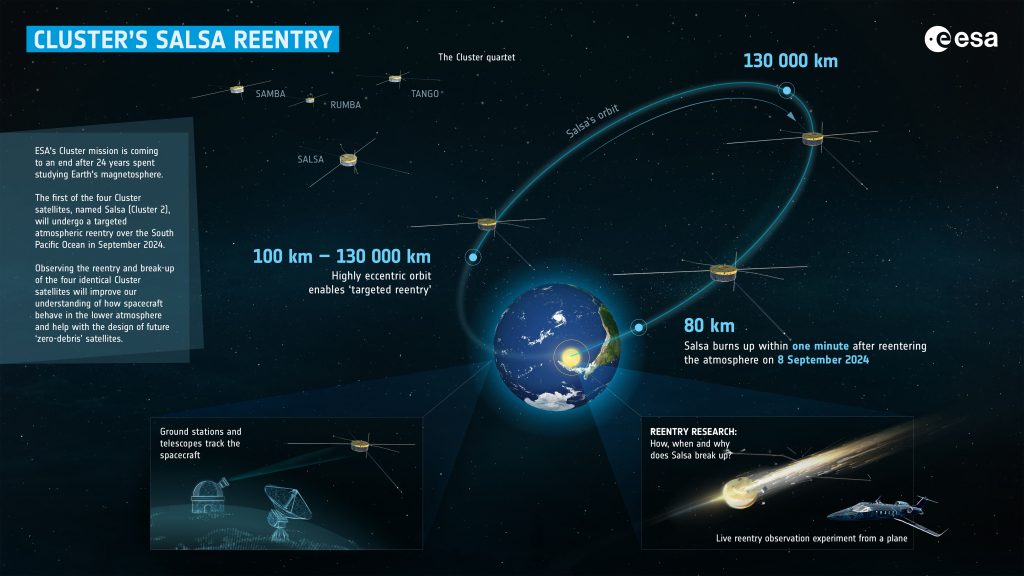
On 8 September 2024, Salsa (Cluster 2), one of four satellites that make up ESA’s Cluster mission, will reenter Earth’s atmosphere over the South Pacific Ocean Uninhabited Area. Salsa’s orbit takes the satellite quite far out during each of its 2.5-day orbits. As it moves away from Earth to its apogee (farthest point) at around 130 000 km and then comes in close again, it moves in a similar fashi…

astronomyastrophysicsspace-exploration
On 8 September 2024, Salsa (Cluster 2), one of four satellites that make up ESA’s Cluster mission, will reenter Earth’s atmosphere over the South Pacific Ocean Uninhabited Area. Salsa’s reentry marks the end of the historic Cluster mission, over 24 years after the quartet was sent into space to measure Earth’s magnetic environment. Though the remaining three satellites will also stop making scien…

earth-sciencegeochemistryremote-sensing
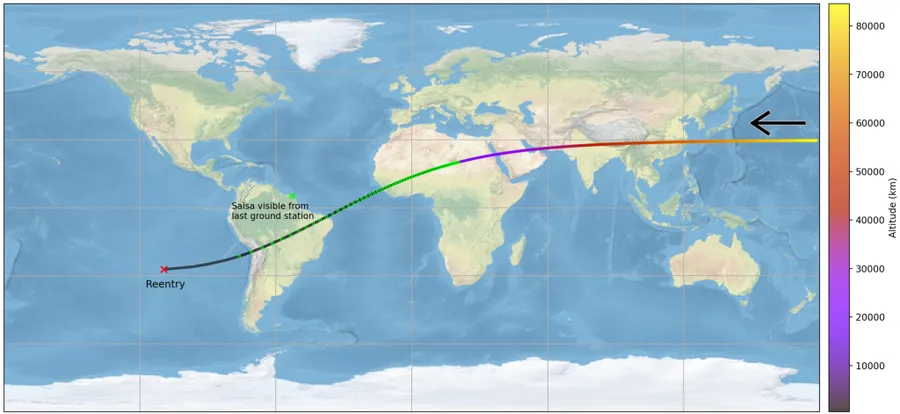
ESA’s Cluster mission is coming to an end, with the first of the mission’s four satellites, nicknamed Salsa, scheduled to reenter Earth’s atmosphere on 8 September. Salsa’s reentry will be the first time anyone has attempted a ‘targeted reentry’, where a satellite is manoeuvred months to years in advance to line it up to reenter in a specific area. As a result, the time of reentry can also be pre…

astronomyspace-exploration

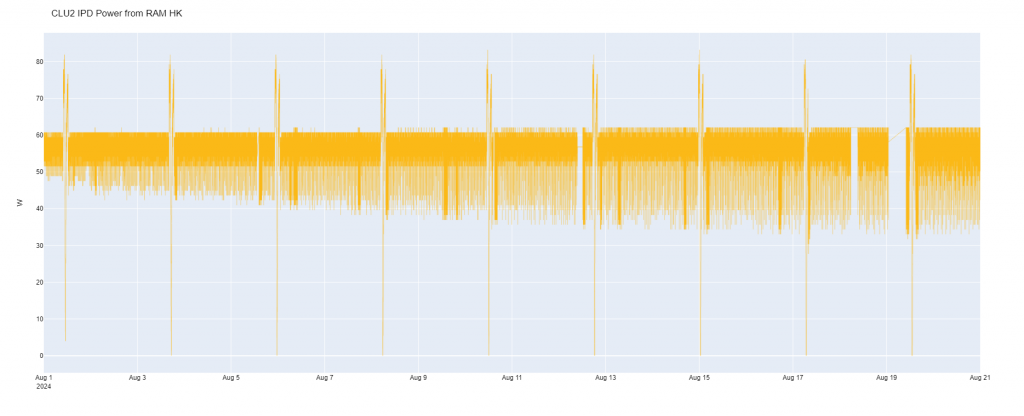
ESA’s Cluster mission is coming to an end, with the first of the mission’s four satellites, nicknamed Salsa (formally ‘Cluster 2’), scheduled to reenter Earth’s atmosphere on 8 September. As Salsa’s altitude has decreased, it has begun to face a phenomenon known as a ‘perigee power drop.’ This occurs when the satellite is at its closest point to Earth in its orbit, called perigee. Here, the therm…

astronomysolar-physicsspace-exploration
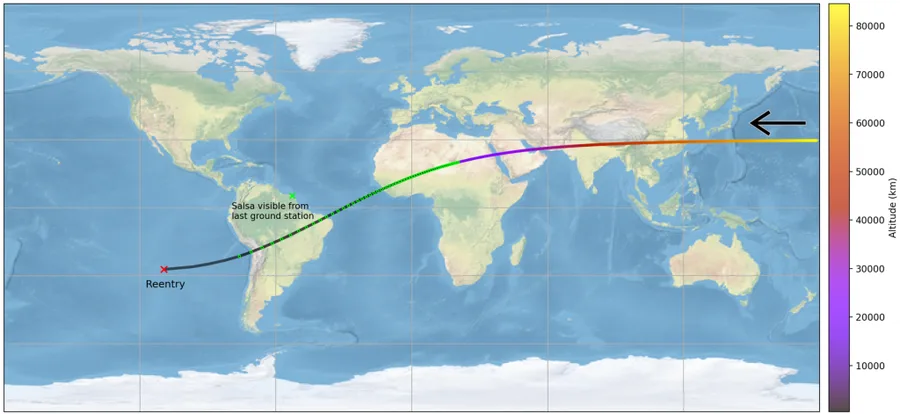
ESA is sending a plane to watch the Cluster reentry for a unique airborne observation experiment. The team will be collecting as much reentry data as possible while the satellite is safely reentering Earth’s atmosphere to prevent the creation of new space debris. On 8 September 2024, the first of four ESA Cluster satellites will return home and burn up in Earth’s atmosphere in an uncontrolled ‘ta…

astronomyspace-exploration

The reentry marks the end of the historic scientific mission, which has spent more than 24 years measuring Earth’s magnetic environment. Of the four Cluster satellites – nicknamed Rumba (Cluster 1), Salsa (Cluster 2), Samba (Cluster 3) and Tango (Cluster 4) – Salsa will be the first to take the plunge. In January 2024, the Cluster control team manoeuvred Salsa to target its reentry over a very sp…

astronomyspace-exploration

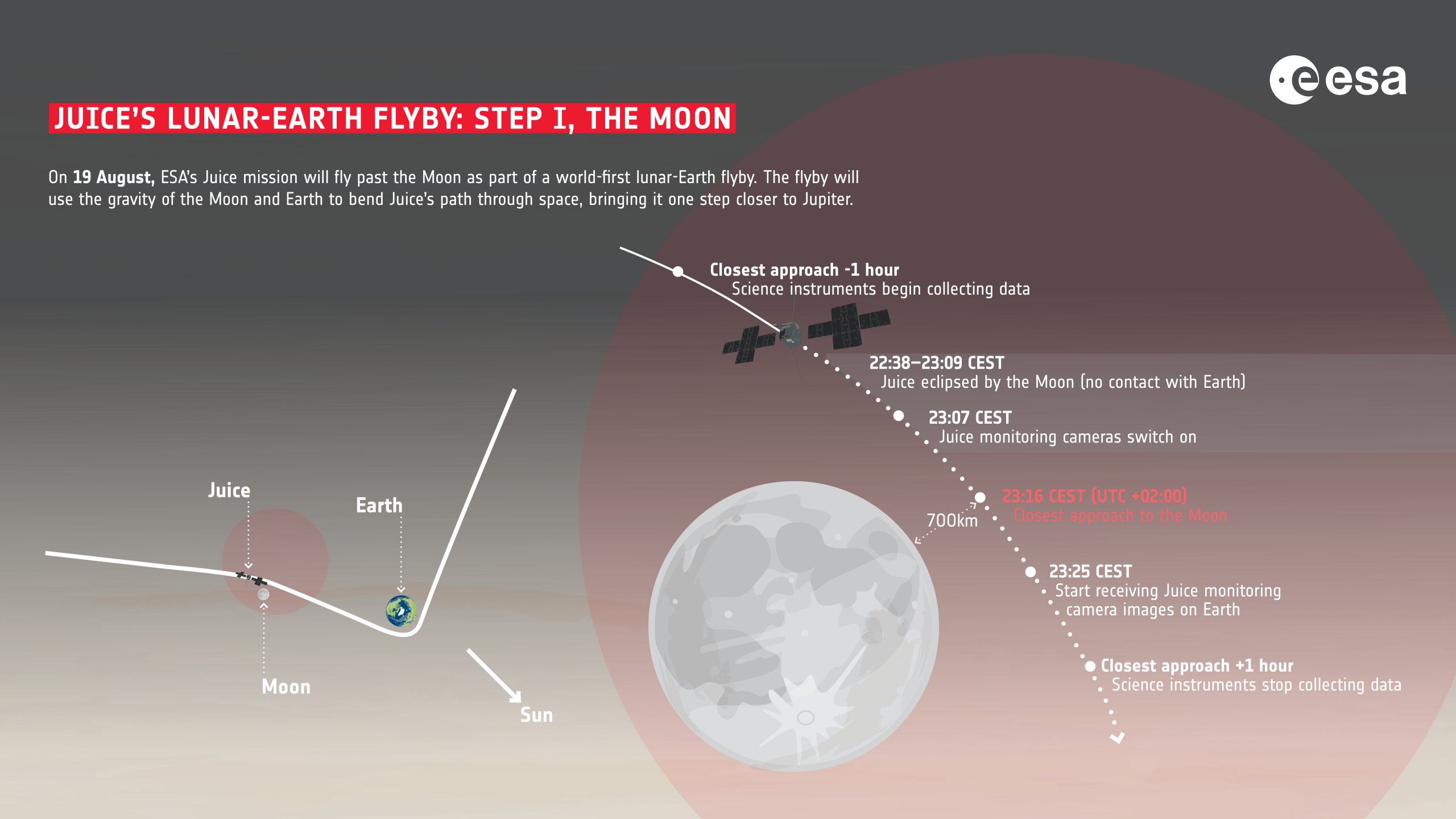
During the second step of humankind’s first-ever lunar-Earth flyby, ESA’s Jupiter Icy Moons Explorer (Juice) mission captured stunning views of its home planet. Juice took these images with its onboard monitoring cameras during the night of 20—21 August (CEST), around the time of its closest approach to Earth. This successful double flyby of the Moon and Earth has redirected Juice’s path through …

astronomyastrophysicsspace-exploration
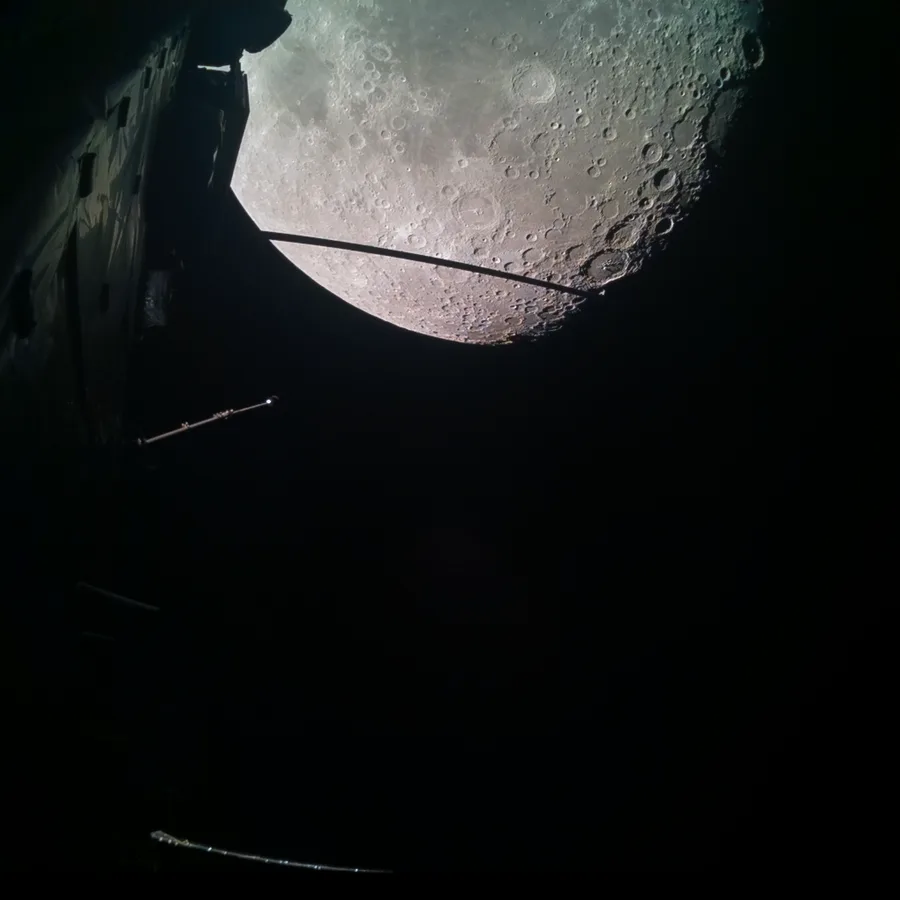
During the first step of humankind’s first-ever lunar-Earth flyby, ESA’s Jupiter Icy Moons Explorer (Juice) mission captured stunning views of the Moon. Juice took these images with its onboard monitoring cameras just before midnight CEST on 19 August, around its closest approach to the Moon. This successful flyby of the Moon slightly redirected Juice’s path through space to put it on course for …

astronomyspace-exploration

At 23:15 CEST tonight, 19 August, ESA’s Jupiter Icy Moons Explorer (Juice) will pass just 750 km from the Moon’s surface as part of the first gravity assist in its eight-year journey to Jupiter. Join us for live images of the Moon and a Q&A with the team We will [...]

astronomyspace-exploration

On 6 July, a previously undetected object triggered the automated warning systems that alert the global planetary defence community of a new potentially hazardous asteroid. The object, estimated at around 50 m in diameter, was spotted hurtling towards Earth on a path that would take it uncomfortably close to the [...]

astronomyplanetary-science
research.ioresearch.io

Sign up to keep scrolling

Create your feed subscriptions, save articles, keep scrolling.

Already have an account?