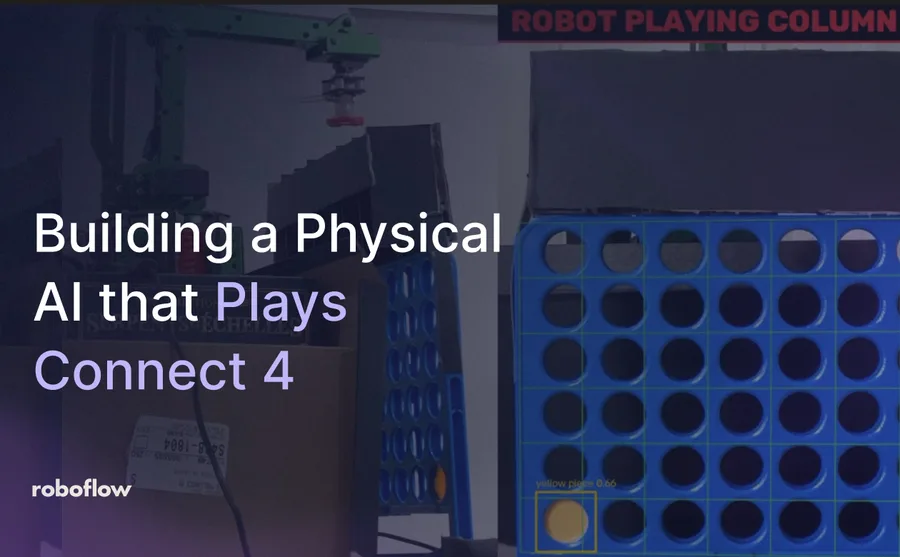
Teaching a robot to play Connect 4 using RF-DETR object detection, a 12ms negamax search engine, and Gemini Flash for live vocal roasts. Check out the setup guide and source code to build your own.
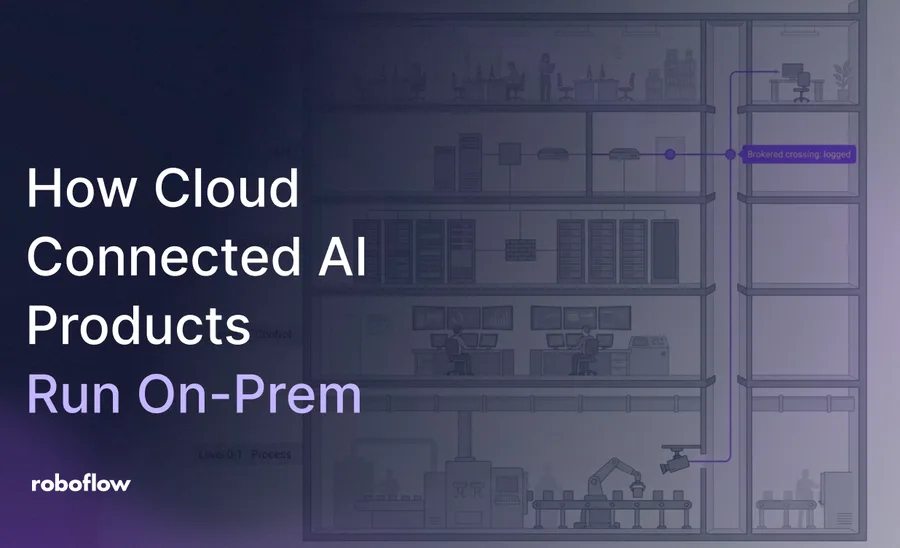
On-premise computer vision lets you run vision AI on your own servers, edge devices, or factory hardware. Learn how local inference works, which deployment fits, what hardware you need, how to set up Roboflow Inference, and how to manage models securely at scale.
Learn how to deploy self-hosted computer vision models for privacy, low latency, and offline use. See how Roboflow Inference simplifies local deployment
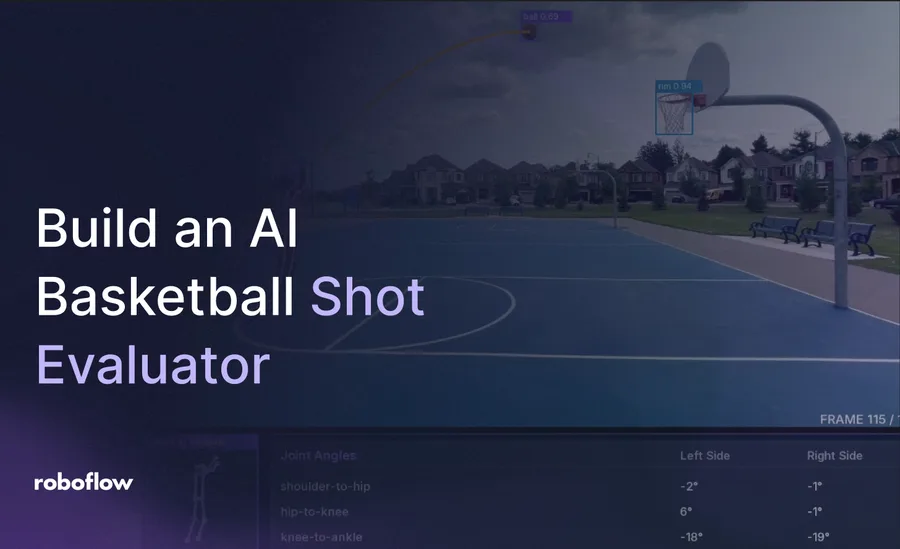
Build a local basketball shot tracker using an RF-DETR detector and zero-shot keypoint tracking. Learn how to calibrate distance from the rim, detect shot release with pose data, handle net occlusions using physics, and render live mechanics overlays onto your video.
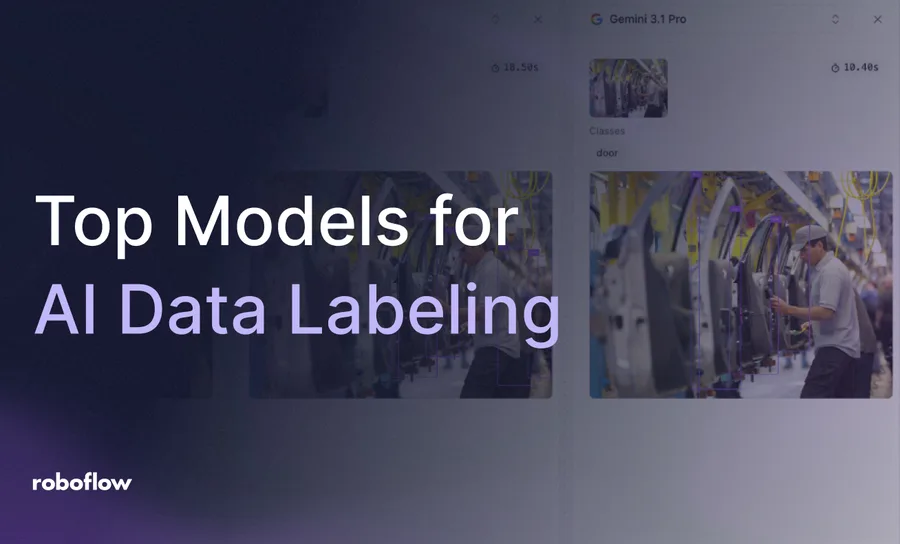
Labeling is the slowest part of building a vision model. The fix is letting a foundation model take the first pass while a human reviews. We benchmarked every top vision model on object detection to find which ones you can trust with the job, and how to pick between them.
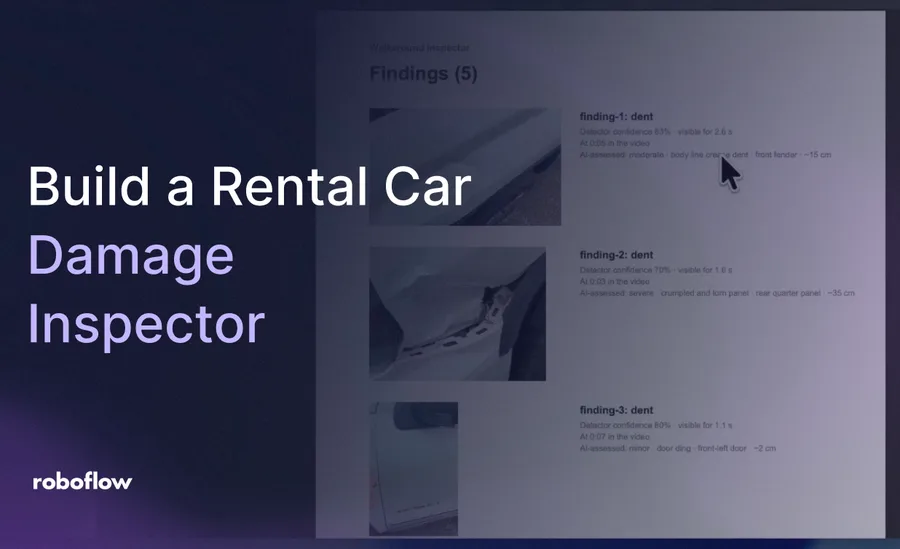
Upload one slow walkaround video of a rental car and get back a signed, timestamped report of every scratch and dent, with reflections filtered out by physics. Here's how to build it with RF-DETR, Roboflow Workflows, and Gemini.
Qwen3.8-Max tops our VLM object detection benchmark and performs strongly on counting and reasoning. We test its strengths, limits, speed, cost, and deployment.
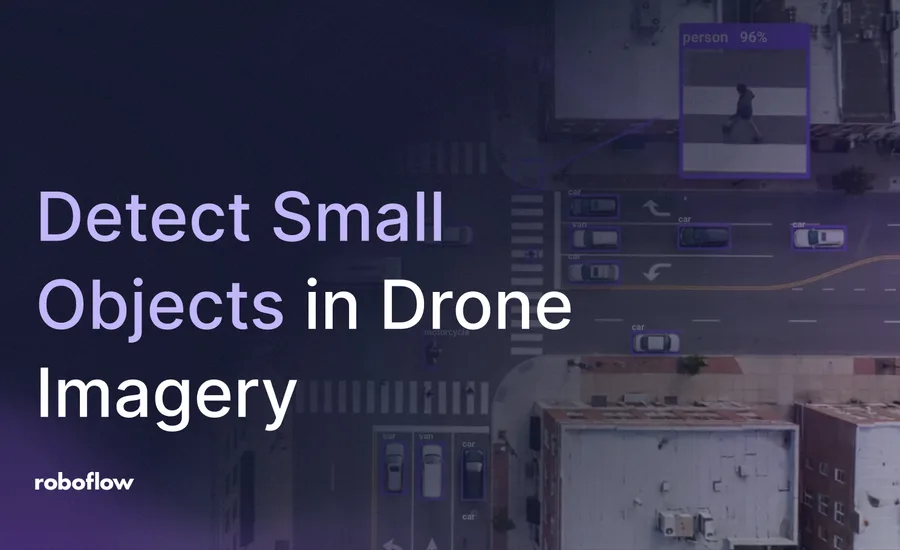
Train RF-DETR to detect people and vehicles that appear small in aerial imagery, then build a Roboflow Workflow that counts detections and uses Gemini to inspect the scene.

 research.io