A federal appeals court has upheld the dismissal of claims by Jackson residents alleging exposure to lead-contaminated water and misinformation by city officials, citing lack of constitutional rights to safe water or truthful information.
Illinois American Water has issued $4.7 million in bill credits to customers following settlement proceeds from PFAS manufacturers, bringing total refunds to nearly $25 million.
The EPA has introduced two guidance documents to assist water systems in identifying and replacing lead service lines, emphasizing clarity and practical application.
A U.S. appeals court has affirmed the EPA's 2024 designation of PFOA and PFOS as hazardous substances under CERCLA, reinforcing regulatory authority and impacting industries handling PFAS contamination.
New Jersey has obtained judicial approval for a landmark $2.5 billion settlement with DuPont-related companies and 3M to address widespread PFAS contamination.
Xylem is acquiring Cornell Pump and Roper Pump from Indicor for $1.46 billion, enhancing its offerings in industrial and municipal water applications with expected 2026 revenues over $260 million.
In collaboration with HHS, the EPA is expediting its review of fluoride's health impacts using systematic methods, with public input shaping the assessment that could influence future standards.
The Water Quality Association is backing bipartisan Senate legislation that would reauthorize key drinking water infrastructure programs while creating a pilot program to evaluate point-of-use treatment technologies for addressing contaminants such as PFAS and lead.
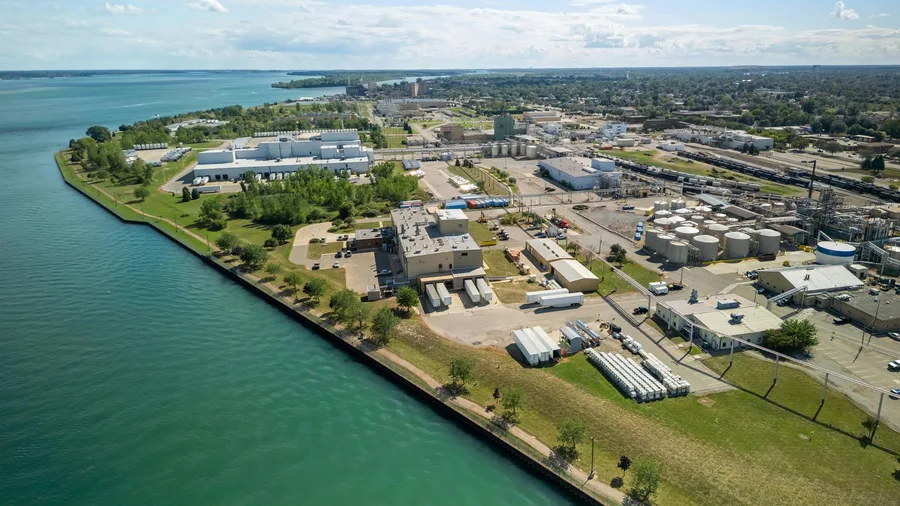
The EPA has authorized a comprehensive groundwater remediation plan at BASF's historic Wyandotte site, aiming to prevent PFAS and heavy metals from polluting the Detroit River.
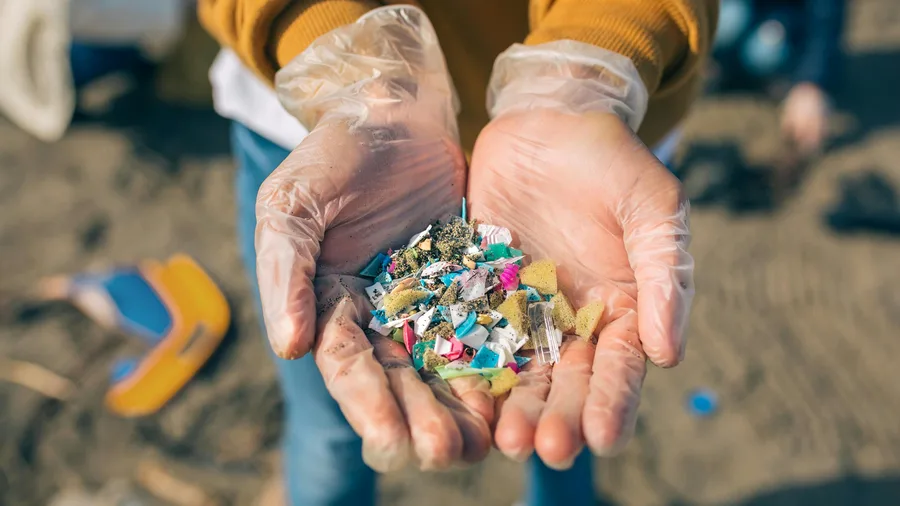
A coalition of 14 state attorneys general urges the EPA to include microplastics in the Unregulated Contaminant Monitoring Rule (UCMR) to better understand their prevalence and health impacts.
The EPA, DOJ, and West Virginia DEP have announced a $450 million settlement with Chemours to address PFAS pollution, including penalties, treatment upgrades and community water protections across multiple states.
Industry leaders at ACE26 highlight the importance of proactive planning, including tracking costs and partnering with research institutions, to stay ahead of emerging water quality challenges beyond current regulations.
Water utilities face significant hurdles in deploying PFAS treatment technologies swiftly and at scale, with supply chain, construction and regulatory challenges demanding early planning and collaboration.
As microplastics gain regulatory attention, key issues such as detection limitations, scientific knowledge gaps and the development of standardized definitions rise to the top of the discussion.
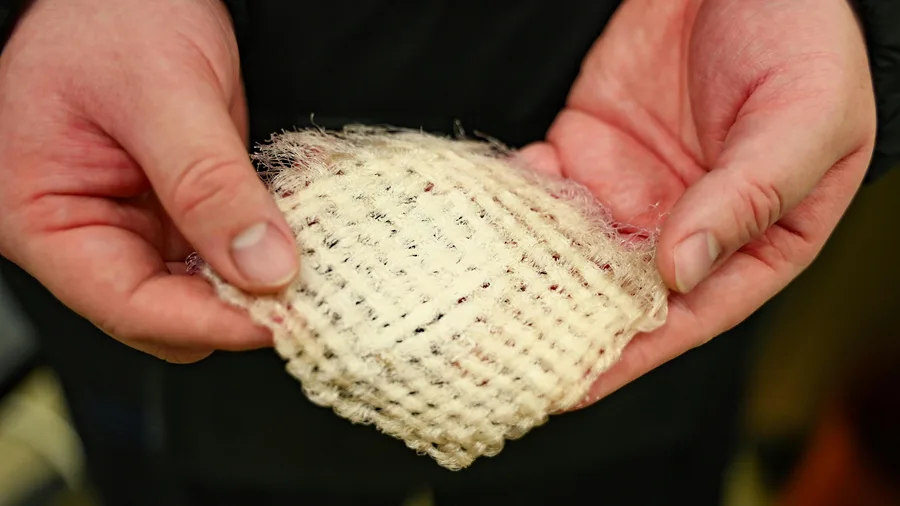
Researchers at UT Austin have created a wearable textile jacket that captures water vapor from the air, providing a portable solution for drinking water in remote and emergency settings.
By leveraging a large dataset of real-world service line failures, researchers uncovered surprising durability patterns in legacy materials like lead and galvanized steel, emphasizing the importance of data-driven decision-making in infrastructure management.
Jacobs has been appointed by Singapore’s PUB to evaluate a cutting-edge desalination plant featuring multistory and underground structures, aiming to optimize land use and water resilience.
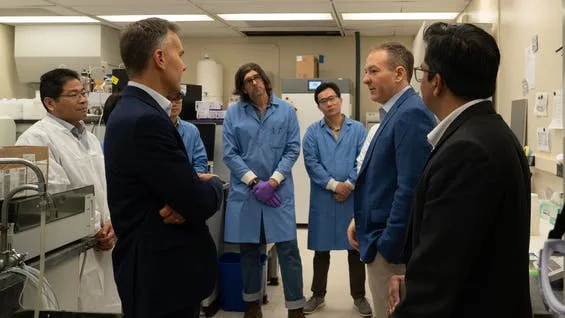
EPA Administrator Lee Zeldin's four-day tour across New York showcased efforts in PFAS research, water restoration projects in Long Island Sound, food waste reduction and energy infrastructure development.
Usalco's new Digital Solutions Division integrates AI, real-time analytics and technical expertise to support water and wastewater treatment utilities.




 research.io