


A surgical team at Duke Health has performed the first U.S. implantation of a new remote-controlled artificial urinary sphincter that aims to give men who struggle with incontinence after treatment for pelvic cancers a more personalized and discreet way to manage bladder control. The announcement comes at the start of Prostate Cancer Awareness Month, a time when attention often turns to survivorship issues that affect men long after treatment.
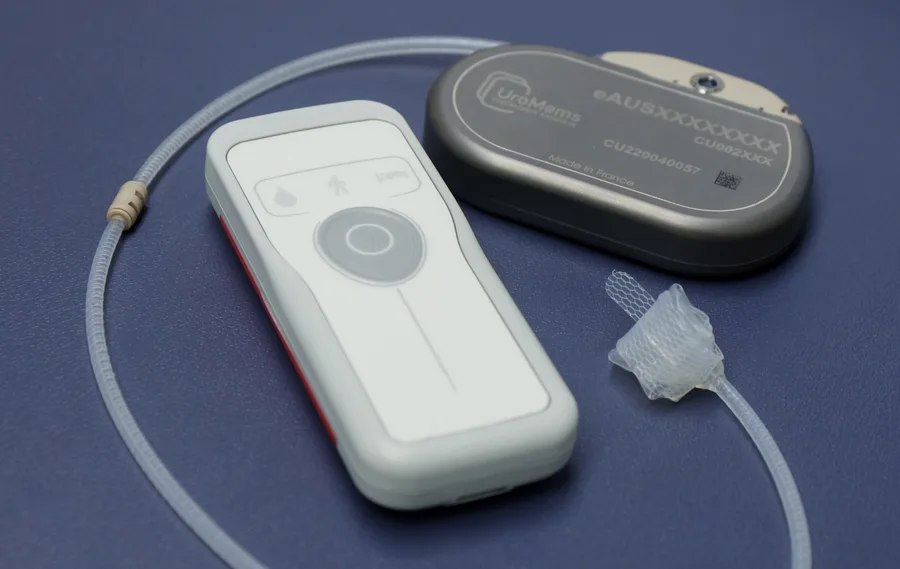
First Remote-Controlled Device for Male Incontinence in U.S. Implanted at Duke
Duke Health