


A recent study published by Imène Kacem et al. in Frontiers in Psychiatry found an association between electric power plant workers’ exposure to extremely low frequency electromagnetic fields (ELF-EMF) and negative impacts to mental health and sleep quality. ELF-EMF, commonly referred to simply as EMF, is an exposure people experience from close proximity to electrical grid infrastructure, including high-voltage power lines and substations. In short: Exposed workers were significantly more likely to suffer from poor sleep and depression compared to the unexposed administrative staff at the same power plants. Exposed workers also experienced higher levels of anxiety and stress in comparison to unexposed workers. These associations were found at ELF- EMF exposure levels well below both the exposure limits of the International Commission on Non-Ionizing Radiation Protection (ICNIRP) as well as of the Institute of Electrical and Electronics Engineers (IEEE). Key quote: “Our study revealed that occupational exposure to ELF-EMFs may negatively affect sleep quality and mental health, even at levels far below regulatory guidelines for this type of field. These findings underscore the importance of implementing safer workplace practices and incorporating them into Occupational Health and Safety training.” Why this matters: EMF exposure is increasing to both workers and families as AI-data center development drives the construction of new high-voltage transmission lines and substations. However, despite scientific evidence indicating a range of health and environmental risks, the United States has no federal safety limits for occupational or public EMF exposure due to the defunding of EPA research on non-ionizing EMF in the 1990s. Scientists have long recommended minimizing EMF exposure to reduce risk due to evidence of biological effects well below IEEE and ICNIRP limits. This new study adds to the body of scientific evidence documenting an association between EMF exposure, depression and sleep impacts. In addition, an 18-year nationwide study of over 3.5 million people found increased risk of dementia and Alzheimer’s mortality in homes close to electrical grid infrastructure like powerlines and substations. The International Agency for Research on Cancer of the World Health Organization classified ELF magnetic fields as a “possible” human carcinogen in 2001, based largely on evidence linking residential exposure to childhood leukemia. More recent studies continue to show the association. Further, Kaiser Permanente studies report that prenatal EMF exposure was associated with increased miscarriage risk , as well as obesity and asthma in children. Many countries have policies restricting the construction of homes and schools in areas where the EMF is elevated due to this research. The lack of robust protection for U.S. workers was recently documented in an American Public Health Association presentation by Theodora Scarato, Director of the Wireless and Electromagnetic Fields Program at Environmental Health Sciences . She recommended that due an increasingly exposed workforce, U.S. occupational health authorities should create a federal EMF program with activities that include: revising occupational exposure limits to account for long-term cumulative effects, measuring and monitoring workplace exposures, establishing a standardized medical surveillance with mandatory recordkeeping and reporting for health effects issuing comprehensive, site-specific guidance to minimize EMF exposure. https://ehsciences.org/protecting-workers-from-non-ionizing-emf-exposure-a-call-for-federal-oversight/ What you can do at home: On an individual level, there are simple steps you can take to reduce your daily exposures to EMF in your home, including: Use tablets and laptops on tables, not on laps Relocate beds away from electrical panels Charge phones and devices outside of the bedroom, not by the bed Do not use a cell phone while it's charging Unplug water beds and electric blankets before you get in bed Measure EMF levels, especially in the bedroom. If a new transmission line or substation, or other major electrical infrastructure project is proposed in your community, residents should ask for baseline and projected electric and magnetic field levels at homes, schools, parks, and property lines before construction begins. Related EHN coverage: Exposure to Power Line EMF radiation Linked to Higher Alzheimer’s Death Risk Electromagnetic radiation from power lines linked to a higher risk of central nervous system tumors in children More resources: The Health Effects of EMF, ELF and Magnetic Fields from Power Lines and Electricity Kacem, I. et al. (2026). Impact of extremely low frequency electromagnetic fields exposure on sleep quality and mental health in a Tunisian power plant: a cross-sectional study. Frontiers in Psychiatry
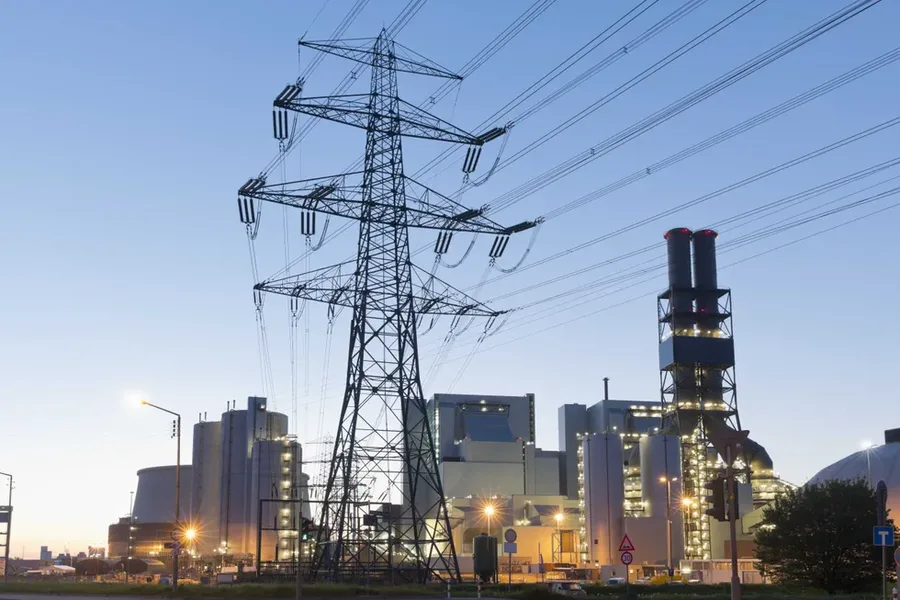
Depression, poor sleep quality linked to occupational exposure to EMF radiation
Environmental Health Sciences Staff