


When survivors of trauma recount their experiences, they are often questioned because of how they relay their stories. They may have problems remembering what happened, or their memories may be jumbled or even contradictory. People hearing those stories—attorneys, reporters, healthcare workers or friends—may expect a clearer, linear narrative. Those unaffected by trauma may also be surprised to hear how the person acted in the moment. It’s easy to assume that someone experiencing a traumatic event would have a “fight or flight” response, instinctively fighting off a perpetrator or fleeing the scene—but that might not be the case. Understanding the science of how trauma affects memory and behavior reveals why these responses can actually be expected and are not contradictory. On supporting science journalism If you're enjoying this article, consider supporting our award-winning journalism by subscribing. By purchasing a subscription you are helping to ensure the future of impactful stories about the discoveries and ideas shaping our world today. In both my academic and clinical work as a psychologist, I have witnessed the impact trauma has on people’s memories and behaviors, especially when an event in their present life triggers something from their past. Research shows that taking a trauma-informed approach, which prioritizes understanding and curiosity about someone’s experience as opposed to judgment or critical evaluation, increases empathy for survivors’ thoughts, feelings and behaviors. How trauma affects the brain According to the World Health Organization, approximately 70 percent of people worldwide report experiencing a traumatic event in their lifetime. The majority of these people do not develop PTSD, a clinical diagnosis of symptoms, such as having nightmares and flashbacks about the event, avoiding places that are reminders of it, and increased arousal that can make concentration and sleep difficult. Many survivors don’t meet criteria for PTSD but...
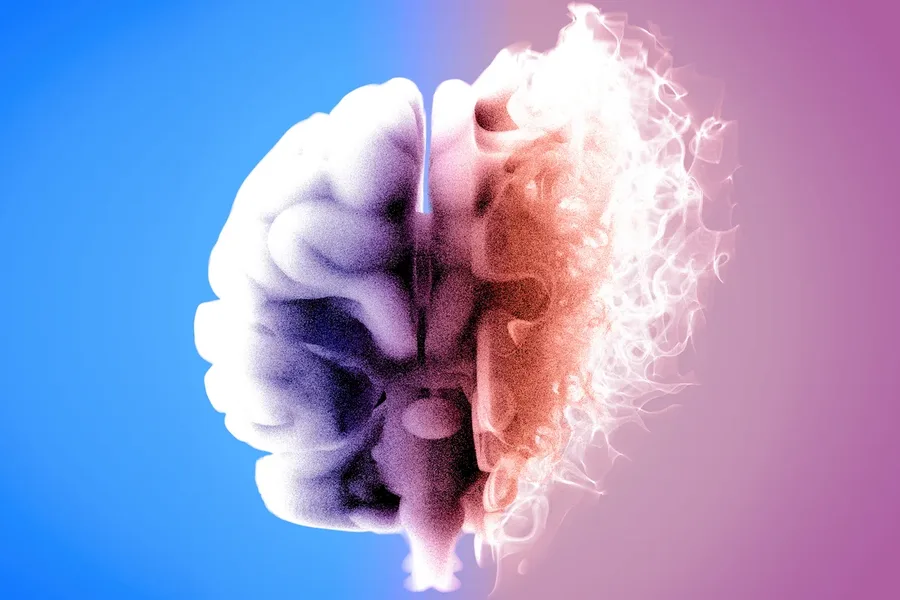
Why trauma changes how our memory engages with our conscious experience
Michele Patterson Ford; The Conversation US
6 min readPaywalled