


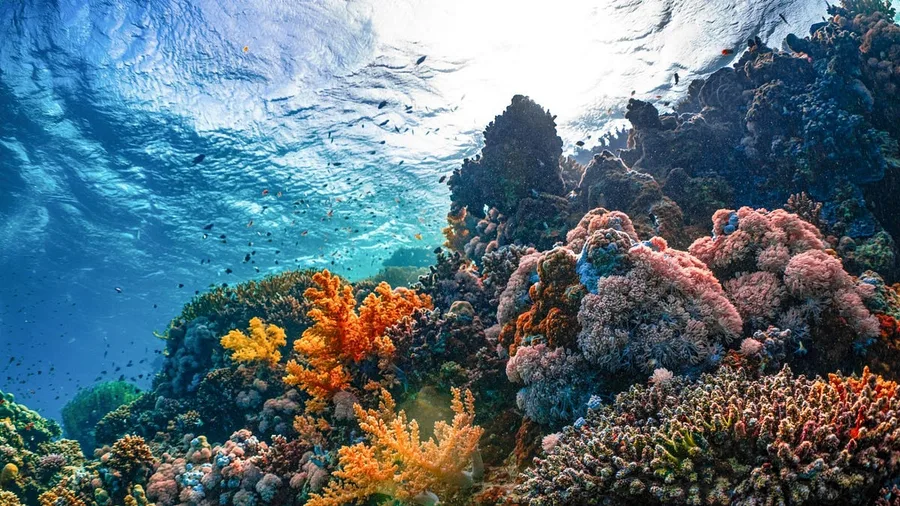
Tl;dr - A great science read for your TBR. Focused on corals, it covers their basic science, geology, fossilization, extinction, and adaptation. Well-written, interesting, and filled with stories of the author’s time in the field doing research. In 2020, I went snorkeling for the first time off the island of St. Thomas in the virgin islands. Growing up in Michigan, and having just moved to Salt Lake at the time, coral reefs weren’t really accessible. I remember being excited to see Finding Nemo coral reefs teeming with life. What I saw were corals, but they were really disappointing. They seemed to be deprived of life. I realize now what I saw was a graveyard of bleached, dead coral. Coral are living animals. We often don’t think of them as such, but they are alive and also provide an environment for other shallow water life to thrive. But as the oceans warm, corals are increasingly being bleached (from too warm of water), dying, and resulting in a something more like a graveyard than a thriving seaside community. In Reefs of Time: What Fossils Reveal about Coral Survival, Lisa S. Gardiner shows us what we can learn about the long-term survival of today’s corals by looking at the past and science of corals. Reefs of Time is one of those science books I just love, mixing science, history, and personal anecdotes from the field to give a fascinating look into what corals are, how they form, how they live, and how they die. Corals live in the shallows off islands and coastlines, right before the water depth drops off, and often where limestone mesas have built up on the ocean floor over long periods of time. Corals, if subject to hospitable water temperatures and the right amount of sunlight, can persist for hundreds or thousands of years. The reefs that form not only provide homes for other species, but also provide erosion buffers for the shoreline.
Review of REEFS OF TIME
Nicole Barbaro Simovski, Ph.D.
2 min read