


Nearly 30 years ago, a simple question sent University of Washington researchers into the Puget Sound lowlands to look for birds. With Seattle’s population swelling and housing developments pushing into once-forested suburbs, researchers wanted to know how land conversion was impacting birds, and whether the type of development mattered. The researchers returned to various development sites three to four times a year to log which birds they saw and heard. They found that when developments preserved native vegetation and tree cover between homes, a wider variety of bird species remained. The difference was most significant to sensitive species that tend to avoid humans — like the Wilson’s warbler and Swainson’s thrush — which fared better in conservation-minded developments. This study highlights a dynamic that is often overlooked un
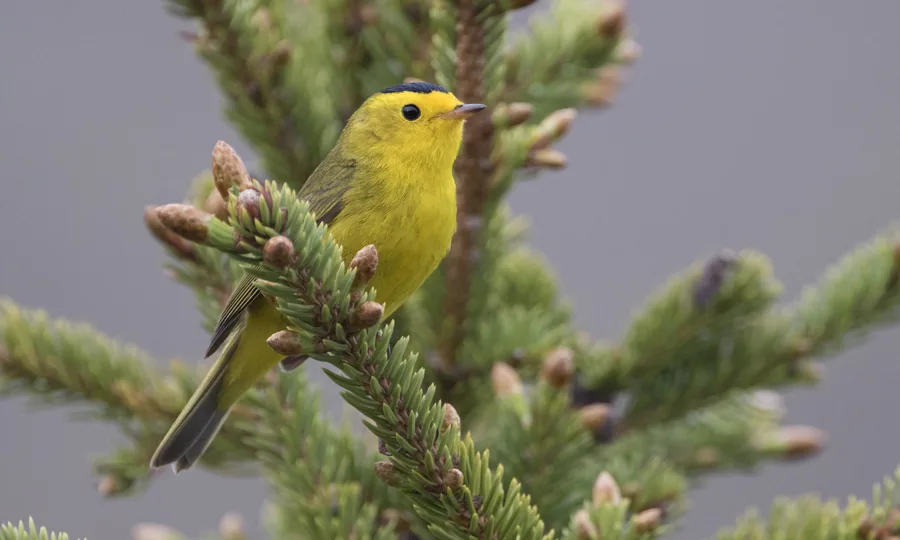
More than a decade of observation in Seattle suburbs shows where sensitive bird species won’t go
Janelle Raymundo
1 min read