College of the Environment

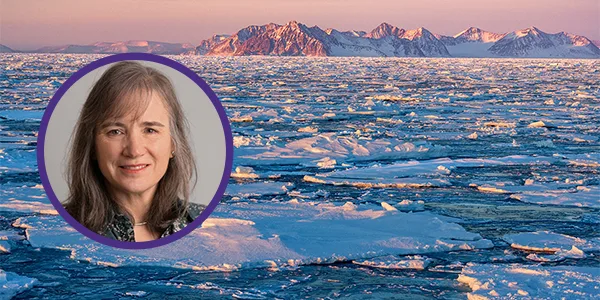
When the opportunity arose to work with 5 million-year-old ice from Antarctica, Hailey Smith jumped at the chance.  Smith, a fourth-year undergraduate student, had spent the past year working with graduate student mentor Liam Kirkpatrick on a research project to decipher the origins of layering in ice core segments from Antarctica. These ice cores give us insights into atmospheric conditions mill…

earth-scienceglaciologypaleontology

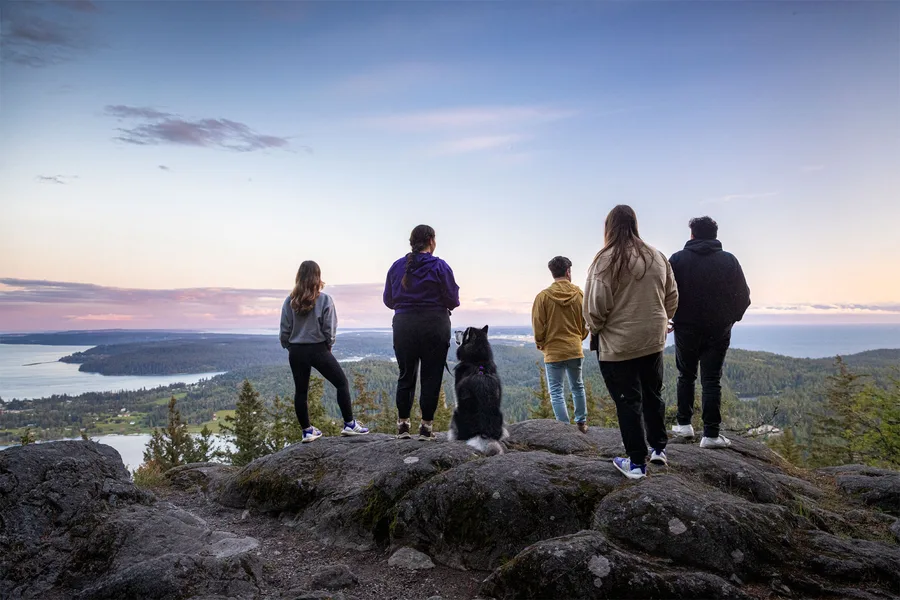
Gazing at an ice fjord on a study abroad trip to Greenland, Cillian Elise Mullen, ’26, felt like an astronaut staring at the Earth from space. “You see this huge, beautiful thing that’s constantly active,” he says, “and you feel so small compared to everything going on outside of you.” Mesmerized by “the wonder of the world,” Mullen believes we should interact with, adapt to and support the envir…

biodiversityenvironmentsustainability

David Catling, a UW professor of Earth and space sciences, has been elected as a fellow of the Royal Society. Founded in 1660, the Royal Society is the national academy of sciences of the United Kingdom and the world’s oldest continuous scientific academy. Fellows are elected from all over the world through a lengthy selection process based on scientific excellence. Catling’s contributions have i…

earth-scienceenvironmentenvironmental-chemistrygeochemistry

The UW College of the Environment’s Spring Celebration on May 26 will honor this year’s College award recipients. The 11 awardees, announced recently and selected through a College-wide nomination process, are recognized by their colleagues for making unique, inspiring and meaningful contributions to our community during the academic year.

The UW Department of Atmospheric and Climate Science has named undergraduate Zayna Haider as the inaugural recipient of the Steve Pool Memorial Fund for Students in Atmospheric and Climate Science, recognizing her academic excellence and interest in the field.

climate-scienceearth-science

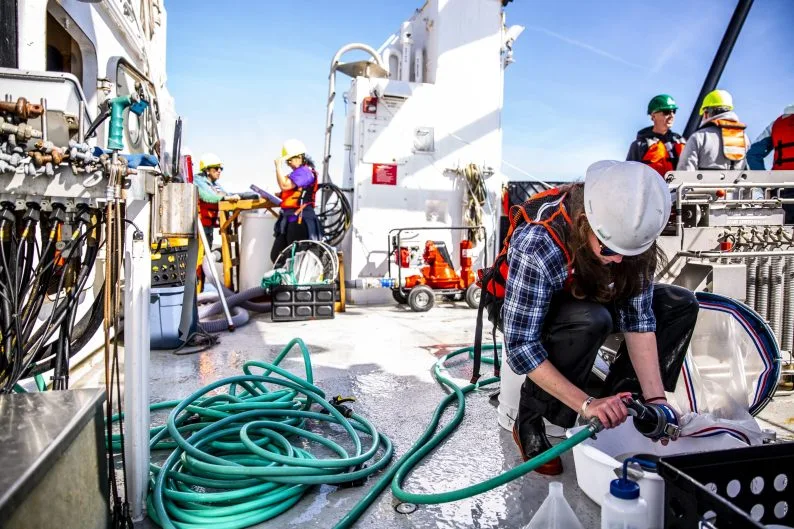
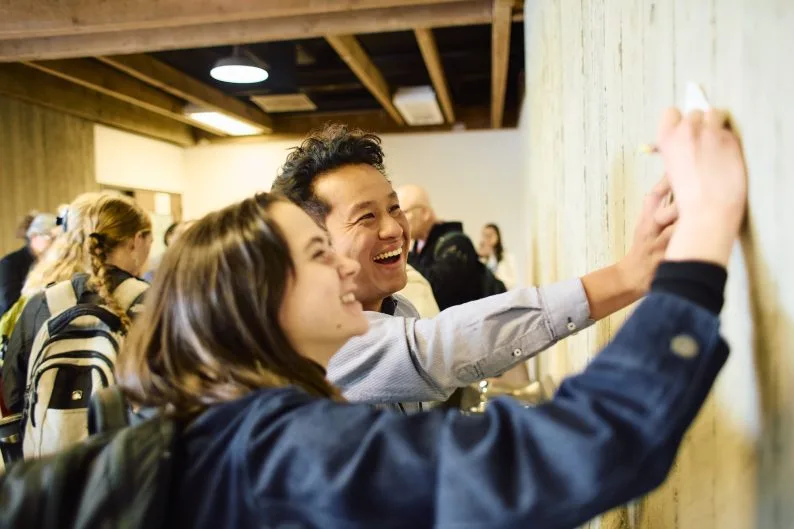
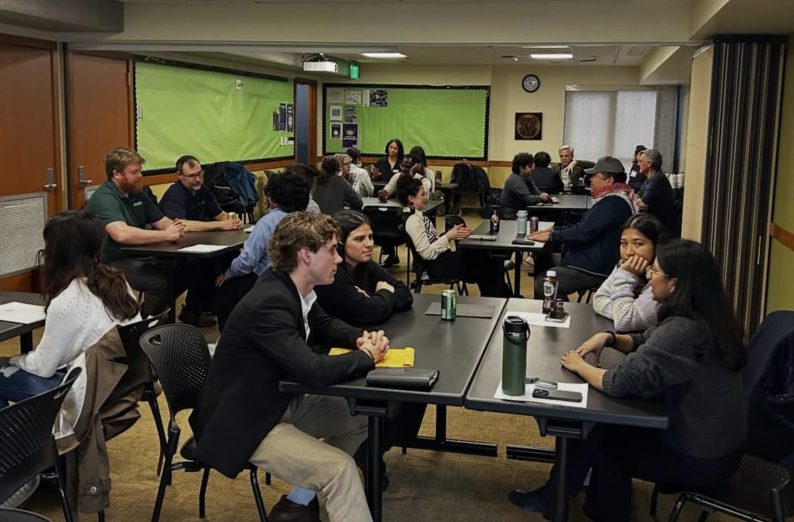
The “blue economy” is booming. From monitoring and mitigating climate change to bolstering coastal economies, there are more opportunities than ever for ocean science students to build meaningful careers in the field. That’s why on April 23, 138 students, industry professionals and researchers gathered at the University of Washington’s South Campus Center for the first-ever TIDES Conference, a fr…

biologyclimate-scienceenvironmentmarine-biologysustainability

Fourteen students from the College of the Environment were recognized in the 2026 Husky 100. This honor celebrates graduate and undergraduate students who are making the most of their time at the University of Washington.
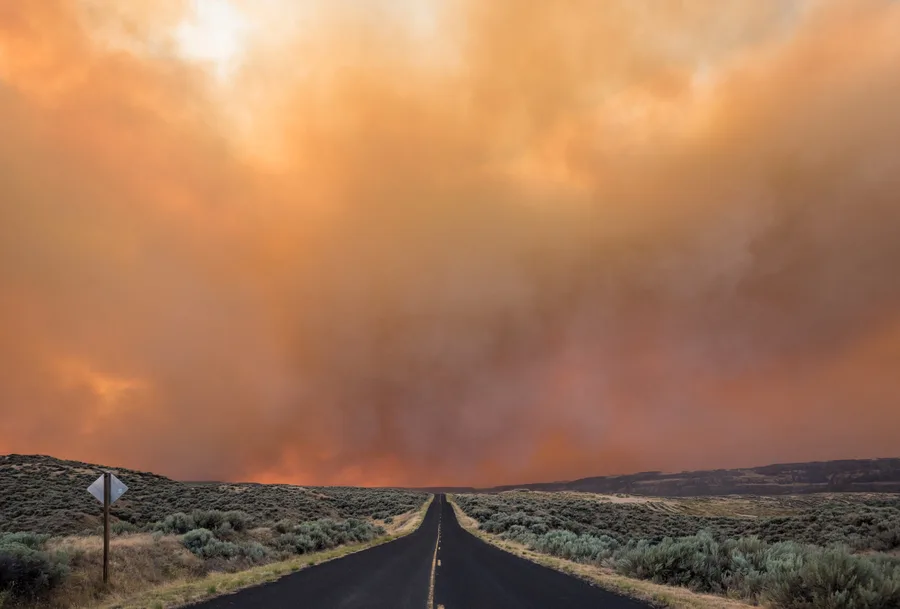
Moses Flores is a second-year student in marine biology and aquatic and fisheries sciences. Having grown up in Seattle, coming to the University of Washington for undergraduate studies was a lifelong dream.  But as one of the first people in his family to attend college, Flores found it difficult to navigate university life.  This year has been different. Flores is part of the inaugural cohort of…

educationhigher-educationlearning-science

In a new study, University of Washington researchers show that an Earth-sized planet likely needs at least 20 to 50% of the water in Earth’s oceans to maintain a critical natural cycle that keeps water on the surface. These new parameters could exclude many exoplanets in the so-called habitable zone.

astronomyastrophysicsexoplanets

The Ecological Society of America named the UW’s Claire Willing a 2026 Early Career Fellow. Willing, an assistant professor of environmental and forest science, studies fungal ecology, looking at how fungi are evolving and supporting plant communities as the climate changes.

biodiversitybiologyecologyenvironment

The Ecological Society of America named the UW’s Claire Willing a 2026 Early Career Fellow. Willing, an assistant professor of environmental and forest science, studies fungal ecology, looking at how fungi are evolving and supporting plant communities as the climate changes.

biologyecology

Anderson Hall, the longtime home of the UW School of Environmental and Forest Sciences, has reopened to students, faculty and staff after nearly two years of renovations. University, college and school leadership gathered April 10 to mark the official opening of the renovated building with a ribbon-cutting ceremony.

research.ioresearch.io

Sign up to keep scrolling

Create your feed subscriptions, save articles, keep scrolling.

Already have an account?