


People with paralysis affecting their speech and hands can struggle to communicate, and the loss is often cited as one of the most devastating symptoms of their condition. Existing devices to aid them, like technology that tracks eye movements to spell out words, can be slow and frustrating to use. Over the last several years, however, a different type of technology called implantable brain-computer interfaces, or BCIs, has been gaining momentum as a possible alternative. Now, a study published...
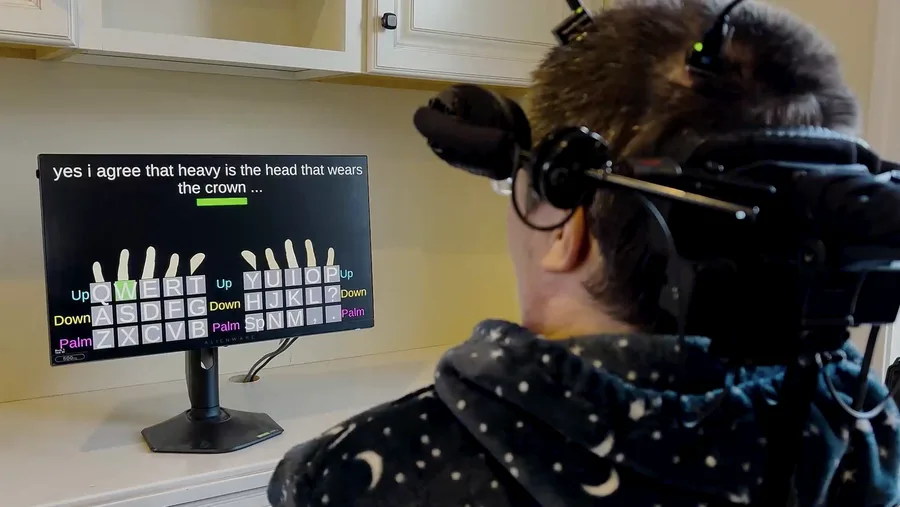
An Experimental Brain Implant Allows People With Paralysis to Type Their Thoughts With Their Minds
Sara Hashemi