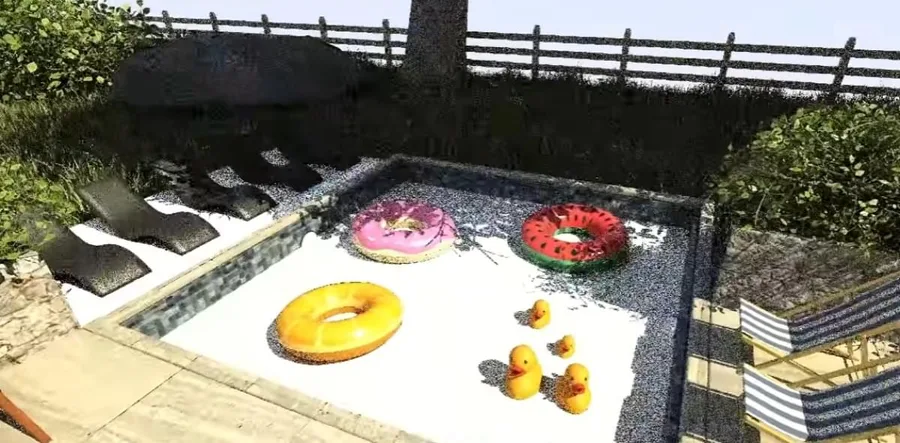
Path tracing can produce remarkably realistic lighting, reflections, and shadows, but that visual quality comes with a fundamental responsiveness problem. When an artist moves an object, changes a material, or adjusts a light, the renderer may effectively restart the entire image—even when only certain areas are meaningfully affected. For creators working in look development, virtual […]
The preview looked flawless. A soft vintage filter across a 6000px poster, edges clean, the gradient smooth all the way down. Then I exported, opened the PNG at 100%, and there were faint vertical seams running through the image — thin bands where the tone shifted by a hair. The preview had never shown them. That gap between what you see and what you get turns out to be a consequence of how a bro…
August 27, 2026
So you just downloaded an animated 3D character .glb file on a free assets website. You have a basic Bevy application running. Now you want to spawn your character in your Bevy app. Easy enough, there's probably a function for that. You look up the basic Animated Mesh example on Bevy's website... and it quickly becomes apparent that things are not as simple as you've hoped. There'…
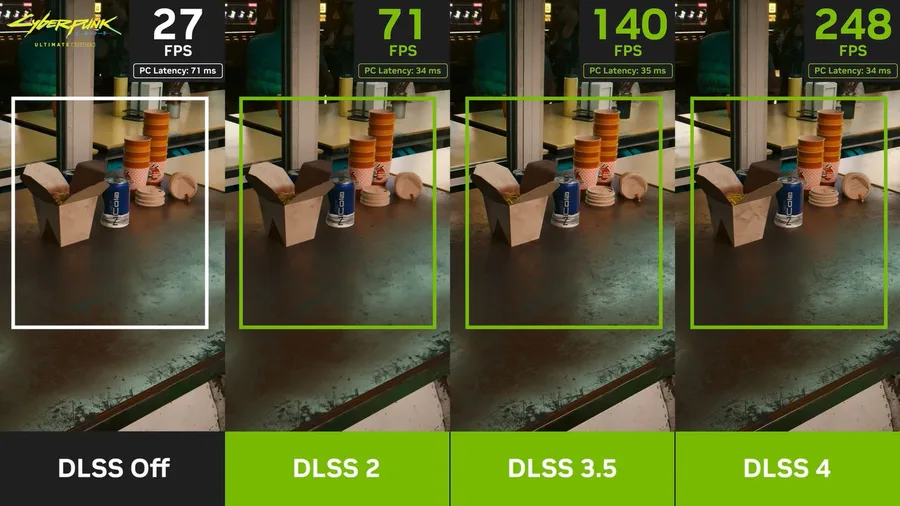
Performance for the mod remains untested but just the sheer utility of DLSS Unlocked easily puts it at the top of the RTX GPUs mod list. It combines OptiScaler_DLSSNR with DLSS Enabled to bring neural rendering and multi-frame gen to all RTX GPUs.
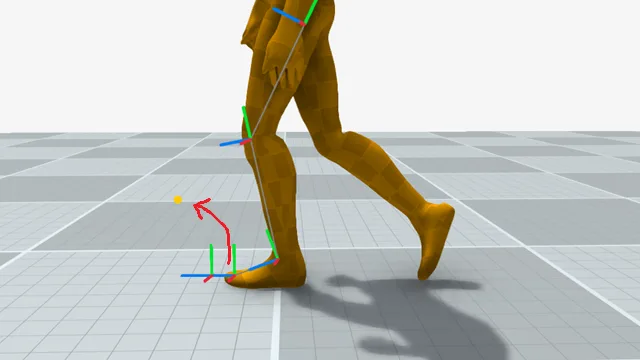
Inverse Kinematics and Foot Locking
30/07/2026
One of my most requested blog posts has always been something on inverse kinematics and foot locking. That isn't surprising - foot sliding is something that affects almost all animation systems, and proper foot locking and inverse kinematics is something that is tricky to get right, yet can have a huge positive impact on the visual quality of the res…
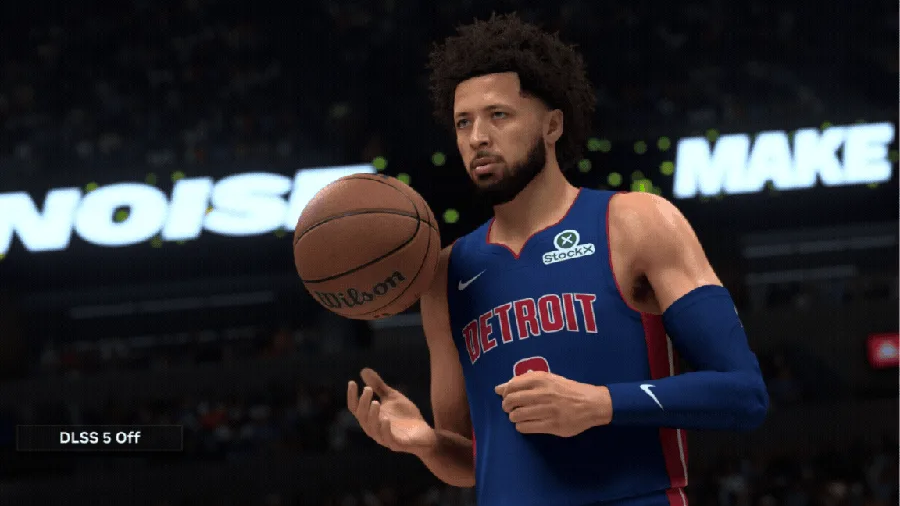
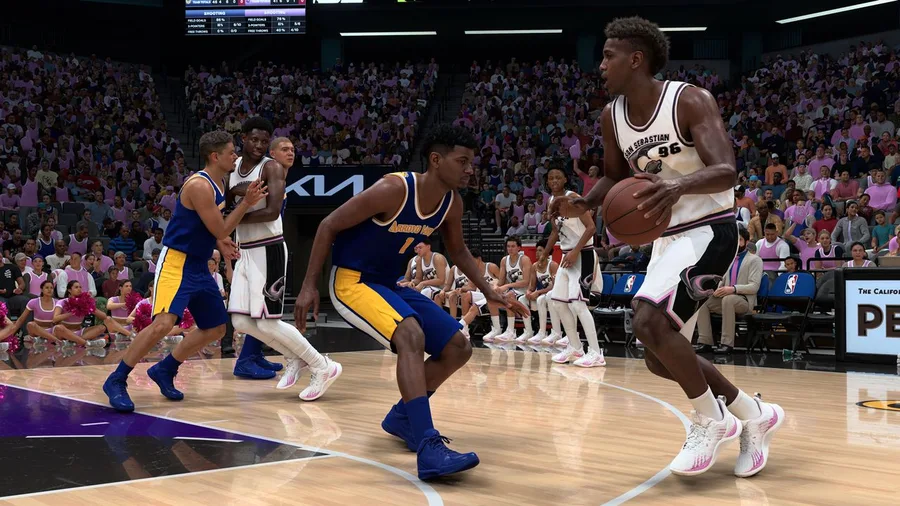
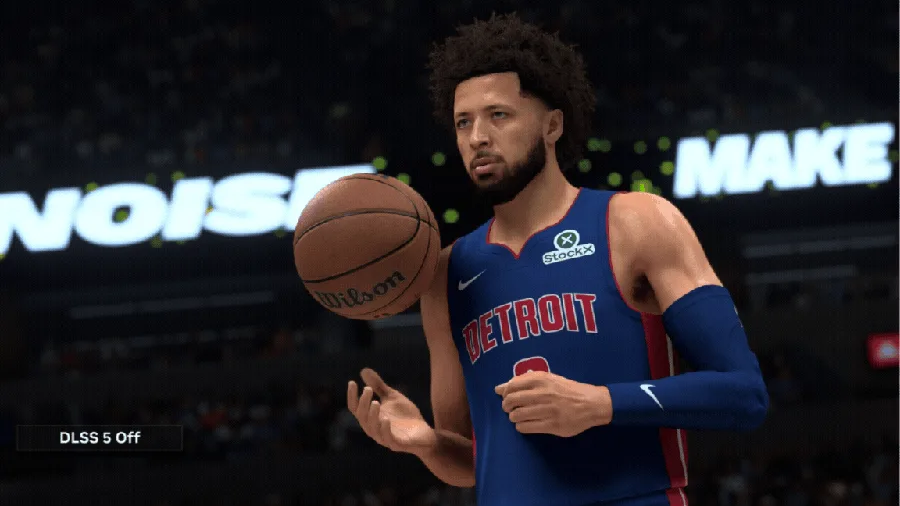
We tested Nvidia's DLSS 5 in NBA 2K27 across every RTX 50-series graphics card at 1080p, 1440p, and 4K to see just how much performance it costs to explore the frontiers of neural rendering.
I've built enough animated portfolio sites and agency landing pages at this point that I can usually tell within the first three seconds of scrolling whether a site was built by someone who actually understands scroll animation, or someone who just copied a GSAP tutorial and called it a day. And honestly, for a long time, I was the second guy. I remember the first time I tried to recreate one of …
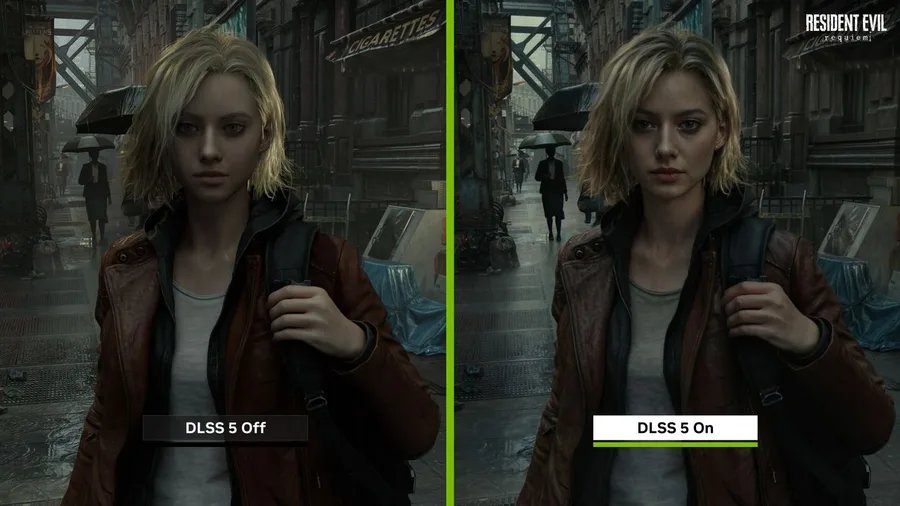
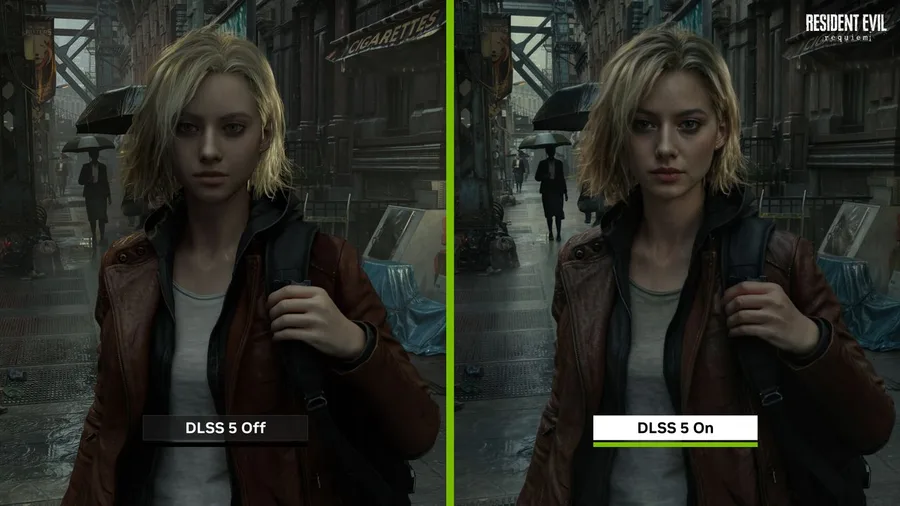
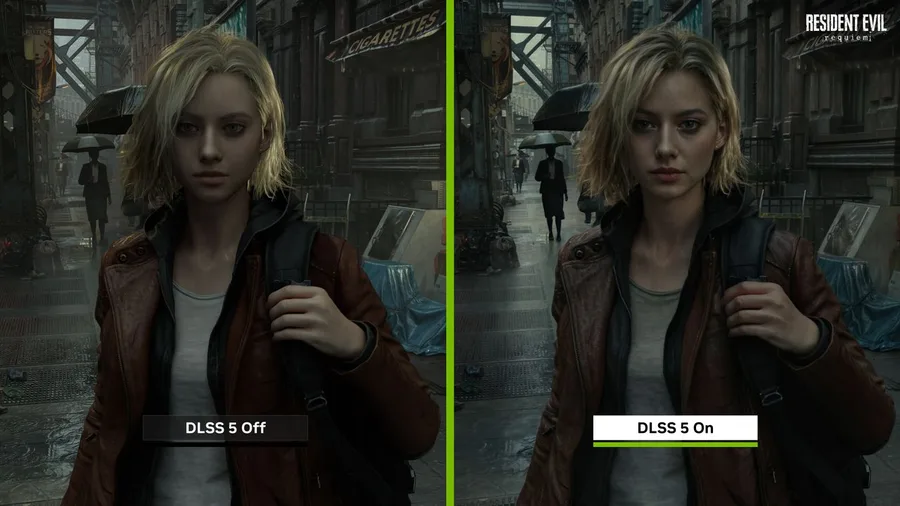
Nvidia's controversial neural-rendering tech, DLSS 5, is now officially available in NBA 2K27, marking the start of a new era for the company. DLSS 5 will also come to RTX 40-series soon after current work on optimizing it for the RTX 50-series has reached a satisfactory state.
When NVIDIA launched the GeForce RTX 50 series, a major part of the hype surrounding the new GPU family was its support for DLSS Multi-Frame Generation. This feature was officially locked to the new RTX 50 "Blackwell" GPUs, but modders have been working on unlocking it for RTX 40-series cards for a while now.
Flutter's Visual Magic: Unraveling the Skia and Impeller Rendering Engines Hey there, fellow code wranglers and mobile-app enthusiasts! Ever wondered how Flutter manages to whip up those buttery-smooth animations and pixel-perfect UIs across Android, iOS, web, and desktop? It's not magic, though it sure feels like it sometimes! The secret sauce lies within Flutter's powerful rendering engine, a s…
Maximize parallelism across 8x RTX PRO 6000’s: high-concurrency inference, model fleets, and 70B fine-tuning. Read in full here: gpupartner.com A practical guide to running 8x RTX PRO 6000's Maximize parallelism across 8x RTX PRO 6000's: high-concurrency inference, model fleets, and 70B fine-tuning.
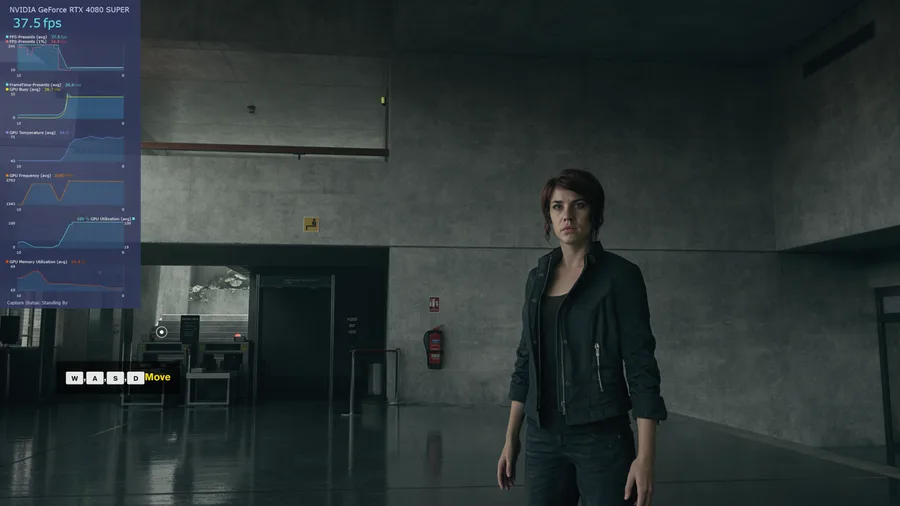
DLSS 5 now runs on Ampere GPUs thanks to a patched DLL, but performance is expectedly poor for the most part. You can get up to 30-40 FPS in edge cases with minimum in-game settings, but newer titles can tank FPS to single digits.
While walking to school as a child, Jernej Barbič would marvel at how beautiful his home was. He was born and raised in a picturesque village in northwestern Slovenia (formerly Yugoslavia), located in the European Alps. Surrounded by alpine and beech trees, Barbic dreamed of replicating their swaying in the wind for others to enjoy. At the time, he didn’t have the tools or the knowledge to create…
One modder has reverse-engineered DLSS 5 to function on RTX 4000 series Ada Lovelace-based GPUs, porting incompatible CUDA instructions within the Neural Rendering DLL, enabling them to be read on previous-gen hardware.
I recently built a browser tool that turns any photo into a paper cut-out that flutters and floats — Paper Animator . No upload, no server, no WebGL required to get the first frame on screen. The whole thing renders in the browser and exports the exact same animation to GIF/WebM/MP4. The interesting part isn't the paper aesthetic. It's a problem that comes up whenever you want to bend, ripple, or…
Explore the best 3D rendering solutions for media, film, and design. Compare Hivenet, cloud farms, and advanced GPU tools for high-quality, scalable graphics.
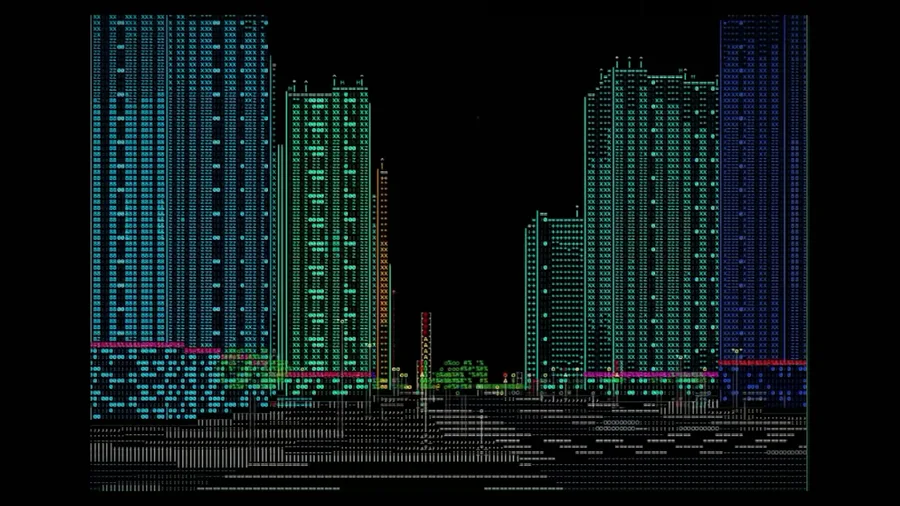
Solo developer Grow Now! Games has put a playable browser build of its walkable ASCII cyberpunk city online, powered by a 283KB Rust WebAssembly engine and rendered in WebGL.




 research.io