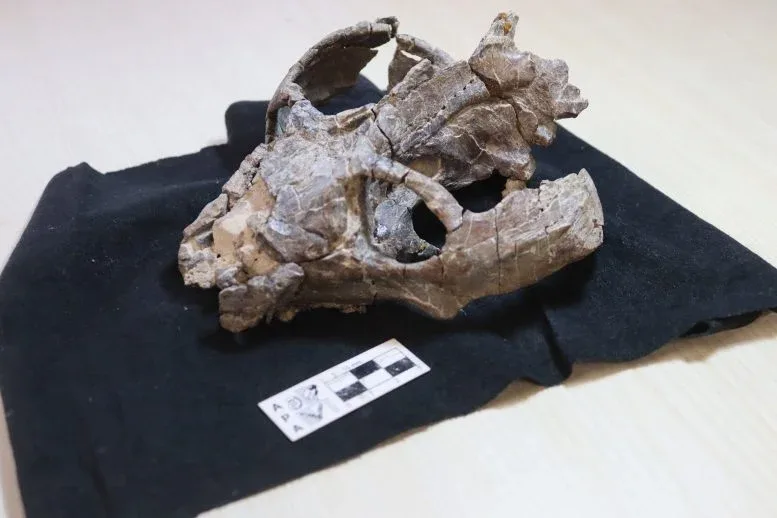
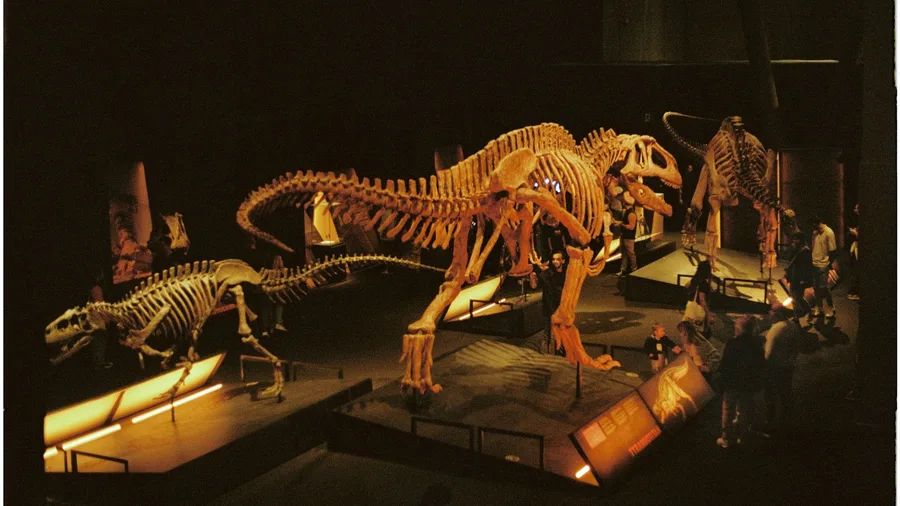
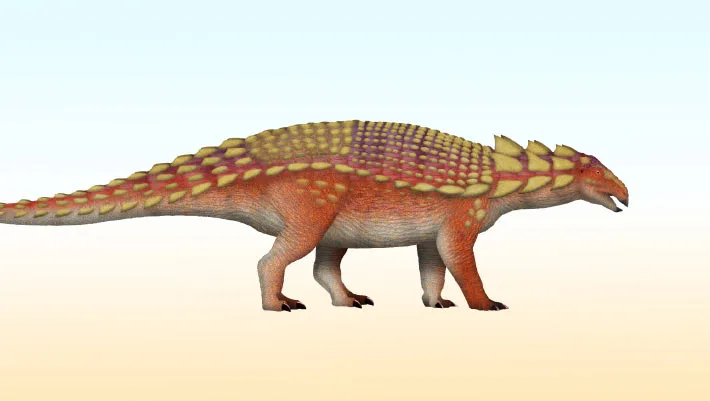
Cranial fossils of a nodosaurid ankylosaur unearthed more than two decades ago on the Japanese island of Hokkaido have been recognized as belonging to a new genus and species. The post New Species of Armored Dinosaur Identified in Japan appeared first on Sci.News: Breaking Science News .
Nature Communications, Published online: 24 August 2026; doi:10.1038/s41467-026-77026-w Fossils document the evolution of life on Earth but represent only a small fraction of the species that ever existed. This study illustrates how common fossil record biases can render a distorted picture of past communities’ composition and change.
Abstract The Sinemurian to Pliensbachian limestone–marlstone succession exposed in the Tatra Mountains (Western Carpathians) forms part of a widespread, rhythmically bedded hemipelagic carbonate facies that developed along the north-western Tethyan margin. Such deposits are typical of marginal basins and are of particular interest due to their complex origin and well-developed cyclicity. The bulk…
Abstract Significant lithium (Li) resources have been discovered in sedimentary basin brines across North America, including the Western Canada Sedimentary Basin. Although the basin’s geology is well characterized through decades of hydrocarbon development, the origin and distribution of Li remain understudied, complicating exploration efforts. The Triassic Montney Formation, a prolific unconvent…
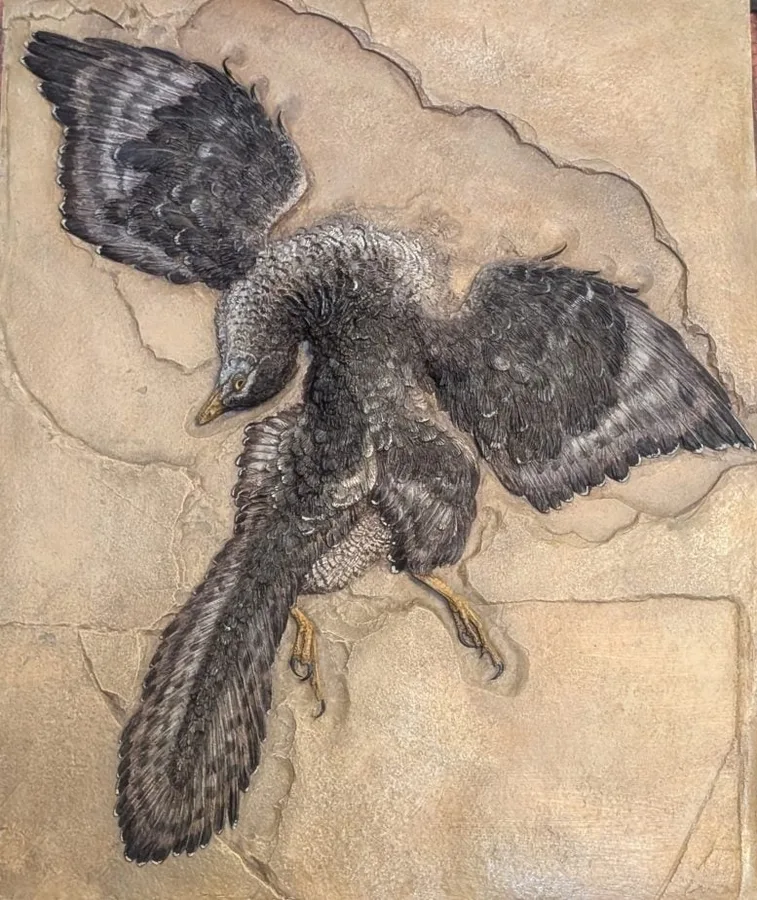
Archaeopteryx may have taken off by using two or three powerful leaps to reach the speed needed for sustained flight. With wings that could not lift high above its back and no keeled breastbone to power a modern-style launch, Archaeopteryx faced a basic problem: how did this early bird get off the ground? New research [...]
In southern China, researchers stumbled onto something that simply shouldn't have been there. Just a handful of bones, but enough to shake decades of certainty about how these ancient giants spread across the world.
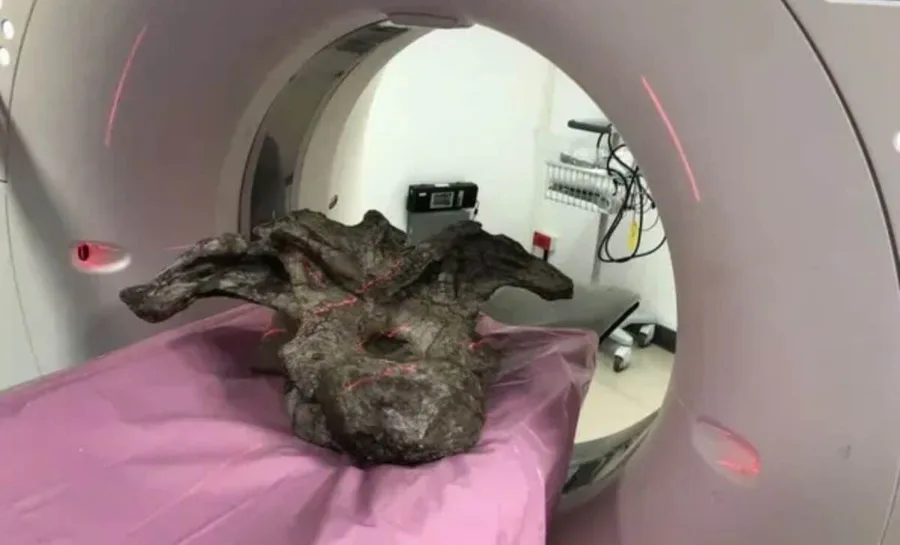
Deep in the rocks of northeastern Thailand, paleontologists uncovered a bone unlike any they'd seen before, one that belongs to a dinosaur family almost never found outside China. What they discovered inside it may finally explain how these creatures grew necks longer than anything else in natural history.
Climate change is threatening marine life, but there is light at the end of the tunnel. Danish palaeontologist Thomas Holm Scharling has analysed tooth fossils from Svalbard, Norway, which show that marine life has an astonishing ability to recover from even the worst imaginable disasters.
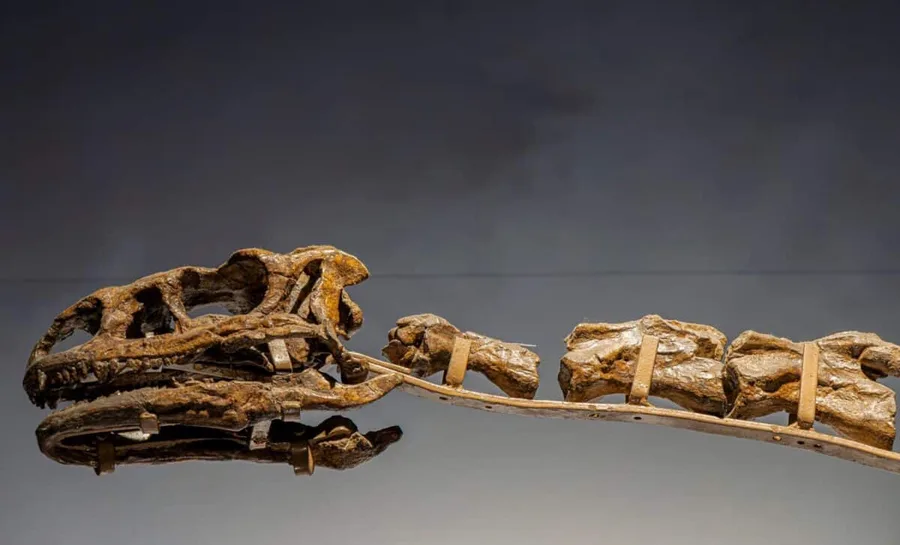
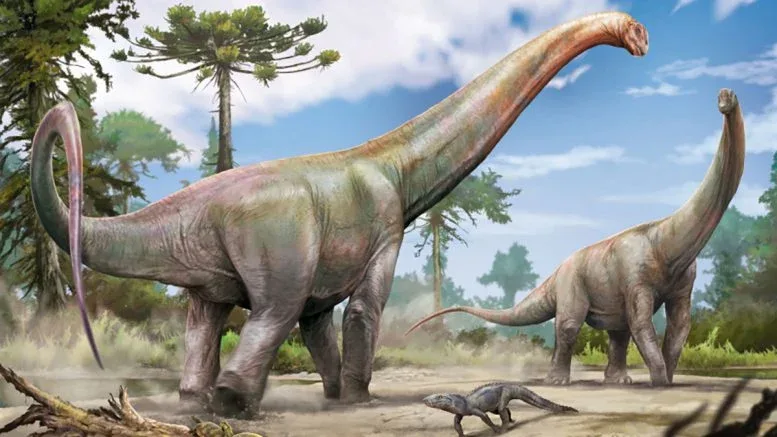
Dasosaurus tocantinensis was about 20 meters long and lived roughly 120 million years ago. Its closest known relative inhabited what is now Spain. About 120 million years ago, a 20-meter-long dinosaur roamed what is now northeastern Brazil, leaving behind fossils that would remain buried until modern construction exposed them. A new study in the Journal [...]
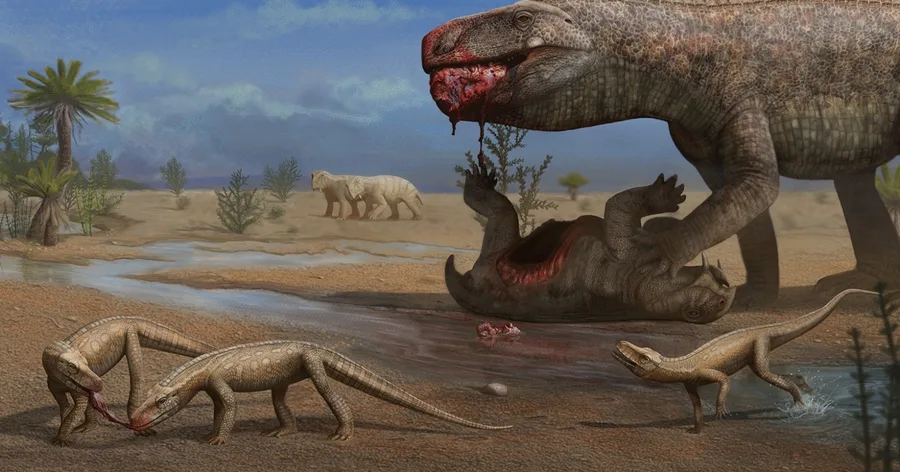
A misplaced fossil fragment hid a species' identity for two decades until a chance discovery revealed a previously unknown Triassic reptile hiding in plain sight.
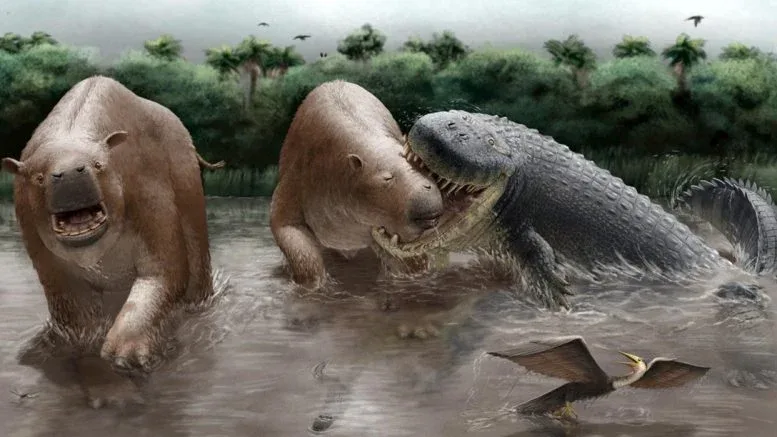
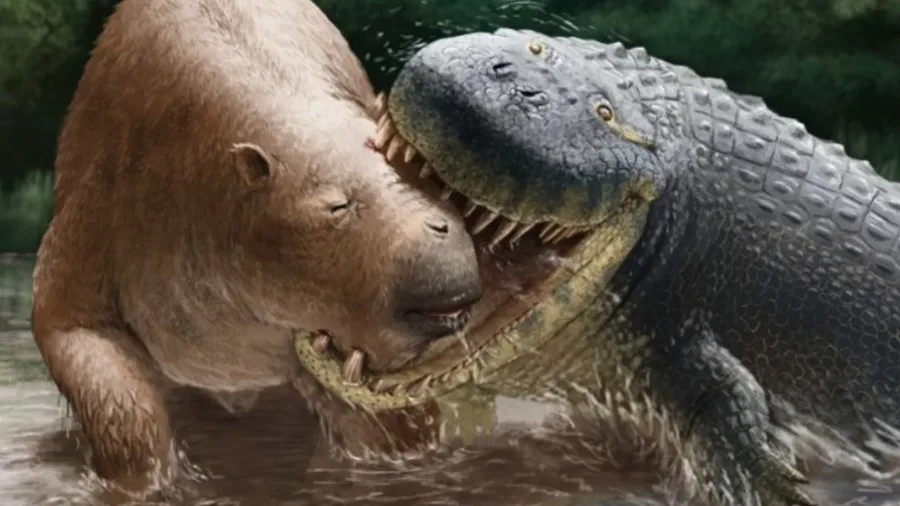
A long-forgotten crocodilian has emerged from the fossil record, revealing a prehistoric world unlike anything seen today. Researchers are uncovering how this ancient predator fit into one of Earth’s most unusual ecosystems.
A piece of amber bought at a Myanmar market was nearly turned into jewelry until scientists discovered a 99-million-year-old feathered dinosaur tail inside.
The end-Permian extinction devastated the oceans before dinosaurs existed. Its link to the Siberian Traps depends on not just immense lava volumes, but magma heating volatile-rich rock.
A colossal cliff system created as the supercontinent Rodinia broke apart may have exposed the heart of the Grand Canyon nearly a billion years before the Colorado River carved it. The ancient landscape could also help explain why enormous sections of North America’s geological record appear to be missing.



 research.io