UW News

World Cup: The Syllabus, developed by the Global Sport Lab in the University of Washington Jackson School of International Studies, puts the World Cup into larger historical, cultural and political contexts. Divided into seven section — including FIFA, migrations and human rights — the syllabus was curated by an editorial team of six leading experts in global football.

political-sciencesocial-sciencesociology
Lauren Zondag
4d ago

Come curious. Leave inspired. The UW offers an exciting lineup of in-person and online events. From thought-provoking art and music to conversations on culture, history, and science, the UW community invites you to explore, learn, and connect across disciplines throughout the University. And you don’t have to wait until June: Take a look at everything still happening in May. Sign up to rece…

Three University of Washington faculty members have been elected to the American Academy of Arts and Sciences. Their work spans environmental science, computing and engineering, addressing challenges ranging from climate resilience and ecosystem sustainability to artificial intelligence and accessible healthcare technologies.  Founded in 1780, the American Academy of Arts and Sciences recognizes …

aiclimate-sciencecomputingengineeringenvironment

Marina Alberti, a University of Washington professor of urban design and planning, studies how cities and natural ecosystems influence one another. UW News spoke to Alberti about how climate change is triggering evolutionary change within nature-based infrastructure projects — and what urban planners can do about it.

climate-scienceenvironmentsocial-sciencesustainabilityurban-studies

Burrowing shrimp, native to Washington, create problems for shellfish farmers. As their name suggests, these creatures burrow in marine sediments, and the excavated material piles up on the surface, which can smother oysters and clams growing there. State-funded research led by the University of Washington offers a new, non-chemical approach to controlling shrimp populations in shellfish-growing …

agriculturecrop-sciencesustainable-farming

The University of Washington today announced the selection of Studio Joseph as the exhibition and storytelling partner for the Ana Mari Cauce Welcome Center. Based in New York, Studio Joseph is known for its nuanced understanding of brand expression and its skill in co‑creating environments that are both inspiring and authentic to the institutions they represent.

In a new study, University of Washington scientists eavesdropped on Cook Inlet belugas to better understand the context of their calls and how human noise is impacting their ability to communicate with each other.

biologyconservationenvironmentmarine-biology

In early April, a powerful typhoon formed over the northwestern Pacific Ocean, growing stronger and stronger as it swirled toward the Mariana Islands, a 15-island archipelago east of the Philippines. By the time it reached the islands of Saipan and Tinian on April 14, the wind was gusting 130 miles per hour, rain fell in sheets and huge waves pounded the shores. This super typhoon, called Typhoon…

climate-scienceearth-scienceenvironmentmeteorologynatural-hazards

University of Washington Provost Tricia R. Serio announced that Joel Thornton will serve as the next Maggie Walker Dean of the College of the Environment. His appointment is effective June 1, pending approval from the UW Board of Regents.

Anita Ramasastry, a professor of law at the University of Washington, is an expert in the convergence of business and human rights. After the 2022 World Cup, FIFA made Ramasastry an independent advisor to its human rights subcommittee. Now, as the 2026 World Cup approaches, her involvement includes: chairing the human rights advisory group for FIFA 2026 and drafting the human rights action plan f…

human-rightslawpublic-policy

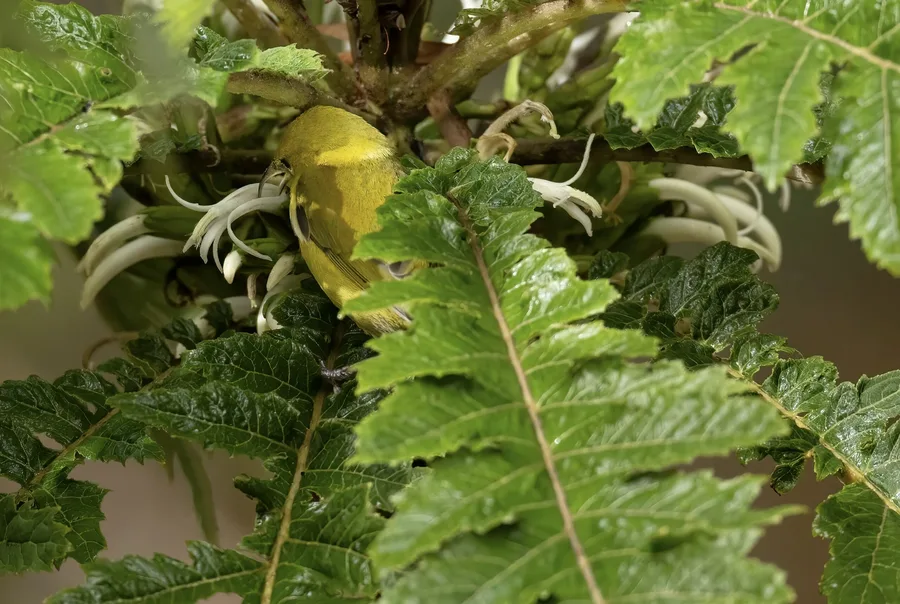
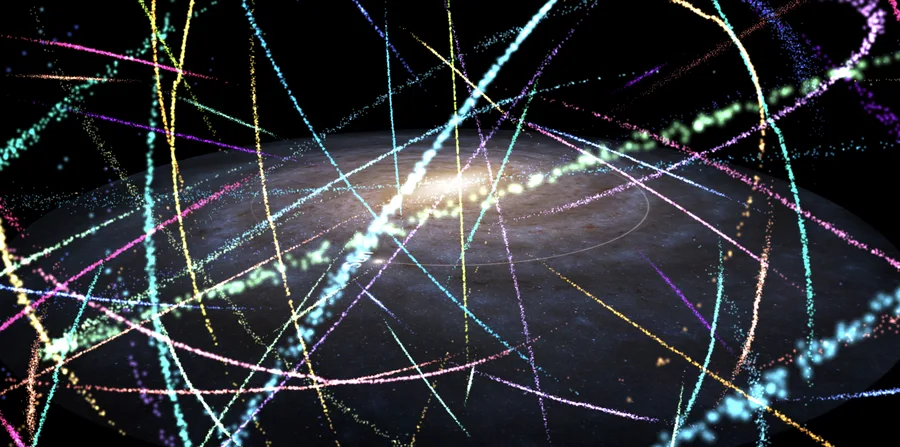
Explore recent research from the University of Washington: how sunbirds sip nectar through straw-like tongues, why the Seattle Fault might not pose as great a risk as previously thought, how to gauge landslide dam risk in the PNW, what marine microbes use for making meals and when the Simonyi Survey Telescope at the NSF-DOE Rubin Observatory will spot small inbound asteroids.

biologyearth-scienceecologygeology
research.ioresearch.io

Sign up to keep scrolling

Create your feed subscriptions, save articles, keep scrolling.

Already have an account?