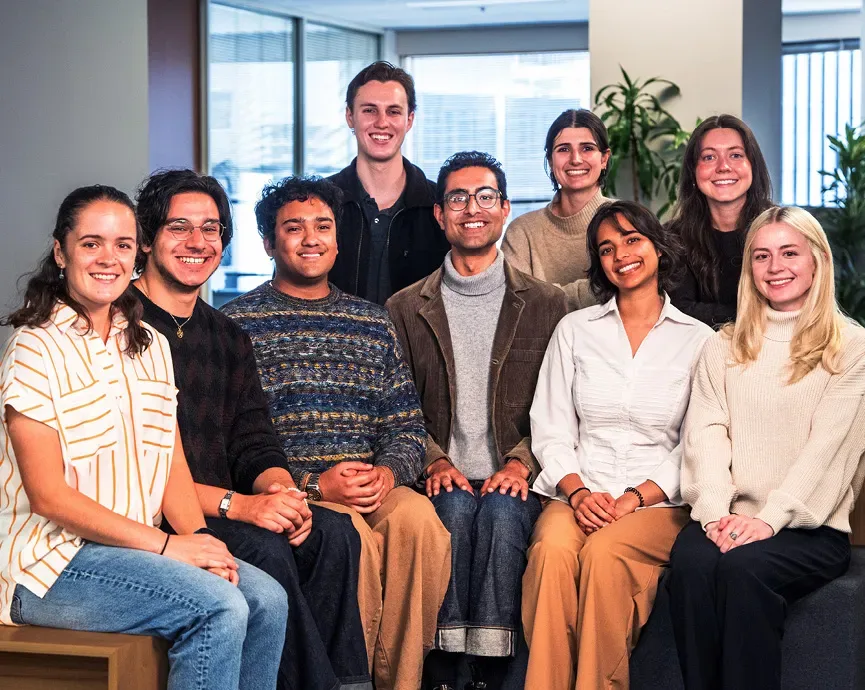
Our research associates who have been working with professional economists in Economic Research over the past two years are preparing to take their next steps, pursuing new paths and opportunities.
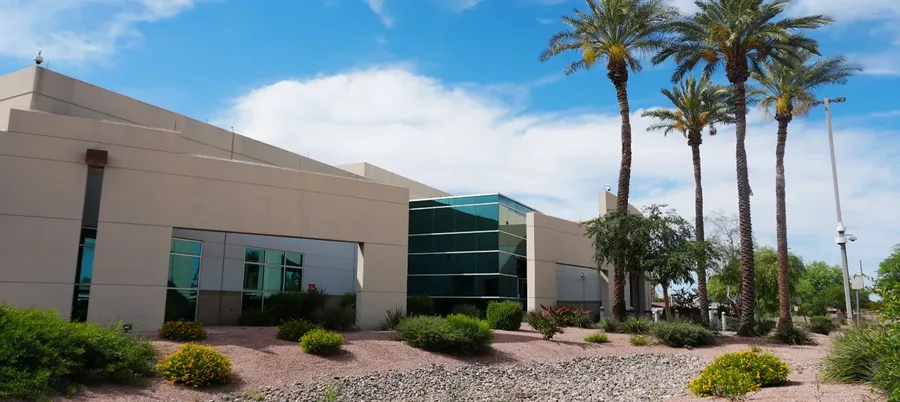
This September, the Federal Reserve Bank of San Francisco's Phoenix Processing Center (PPC) celebrates 25 years of serving Arizona's financial institutions and communities.
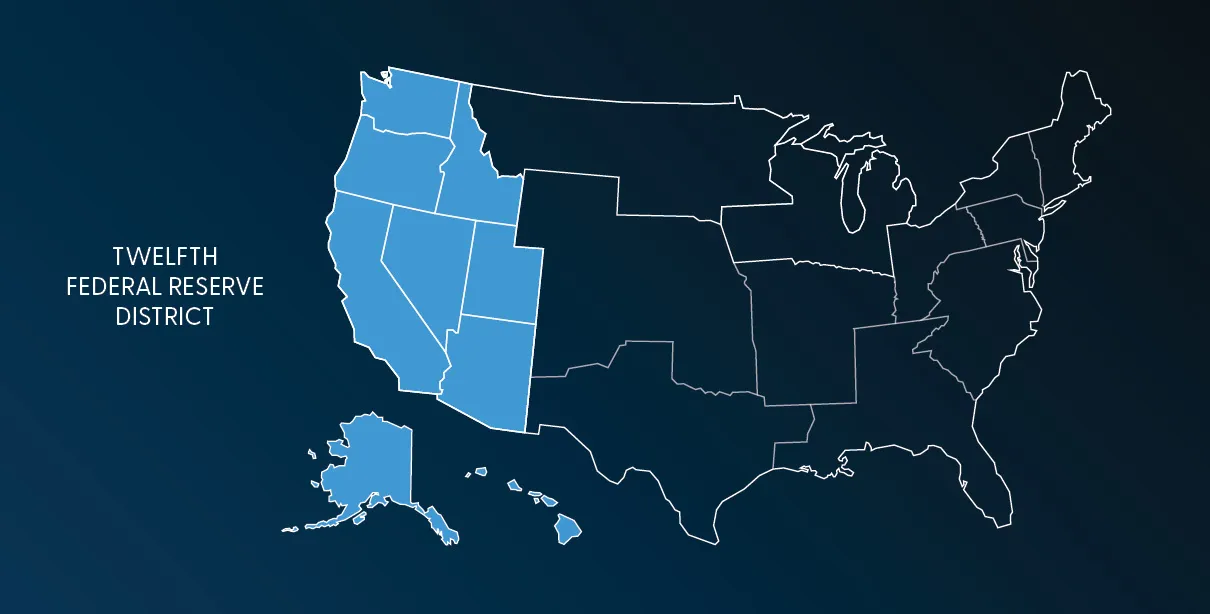
The San Francisco Fed’s latest Advisory Council Observations offer a real‑time look at how businesses, households, and financial institutions across the Twelfth District are navigating today’s economic environment.
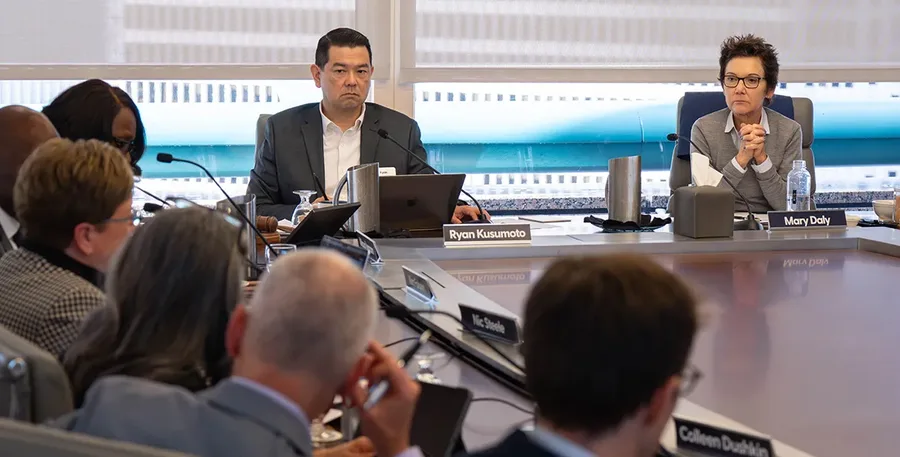
What does a slow growth labor market mean for monetary policy? For one, it means "traditional 'rules of thumb' for labor market health are changing," writes President Mary C. Daly. "Simply stated, slower labor force growth translates into lower benchmark job gains."
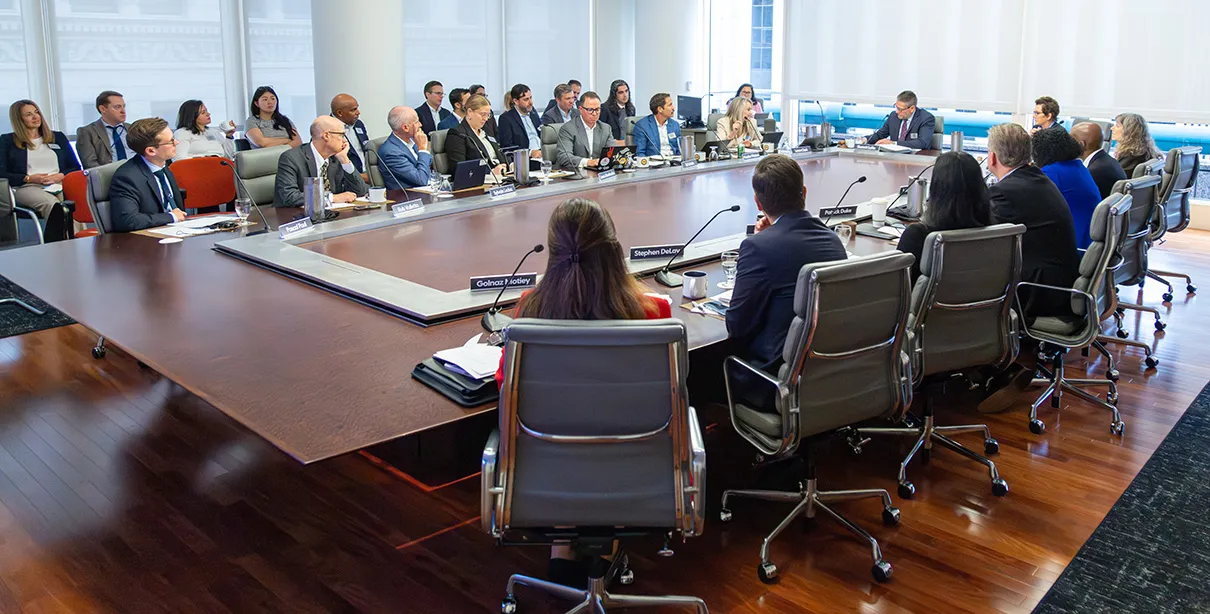
In 2024, the San Francisco Fed and the Federal Reserve System Innovation Office launched the EmergingTech Economic Research Network (EERN) to support a better understanding of how new technologies like GenAI are shaping the economies of today and the future. As part of the EERN initiative, we often hold roundtable discussions to hear from industries […]
As we approach the end of the year, here’s a top five list of our most widely read FRBSF Economic Letter topics in 2025, featuring research and insights from SF Fed economists and research staff.
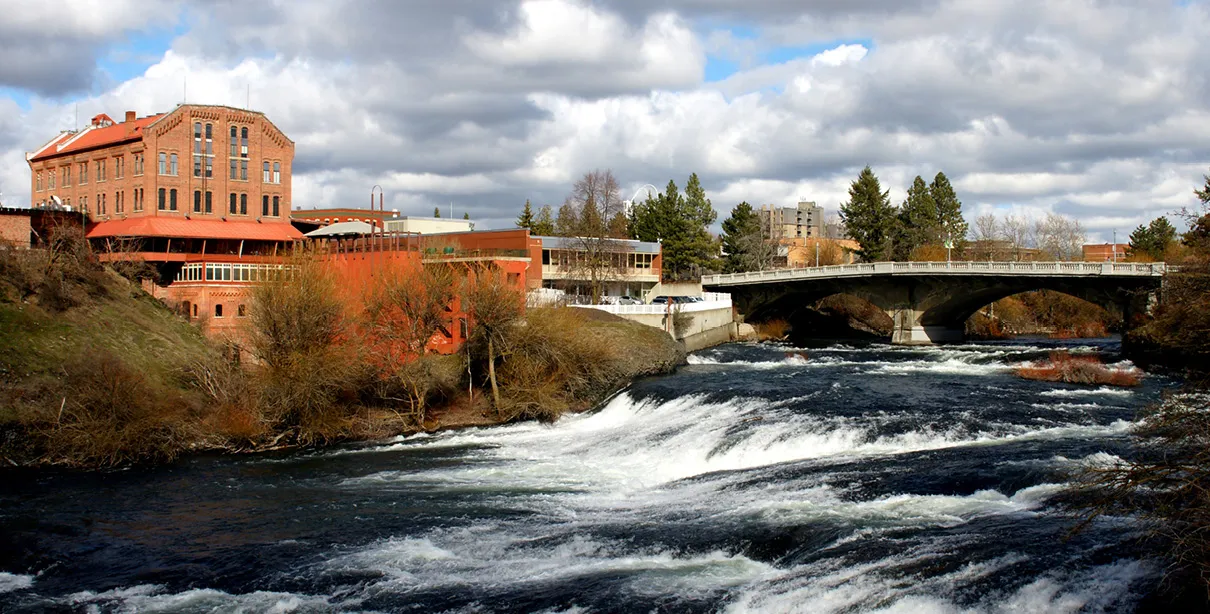
SF Fed Regional Executives explore Spokane's economic landscape, uncovering insights on the bioscience, aerospace, and timber industries in the Inland Northwest.
San Francisco Fed President Mary C. Daly explains why the FOMC’s latest policy decision leaves the central bank well positioned to achieve its goals of maximum employment and price stability.
Findings reveal that 28% of the U.S. workforce—48.9 million people—live in a lower-income household (households with earnings below 80% of the typical household income in their community). More than 10 million of those workers live in the Twelfth District.
The SF Fed engages with businesses and communities across the region to gather real-time information on local economic conditions. Here’s a snapshot of recent outreach in Arizona led by Shannon Smith, regional engagement officer at the Federal Reserve Bank of San Francisco.
In 2024, the San Francisco Fed and the Federal Reserve System Innovation Office launched the EmergingTech Economic Research Network (EERN) to support a better understanding of how new technologies like GenAI are shaping the economies of today and the future. As part of the EERN initiative, we often hold roundtable discussions to hear from industries […]
Getting monetary policy right requires looking at near- and medium-term economic impacts of cyclical and secular forces, writes SF Fed Pres. Mary C. Daly.
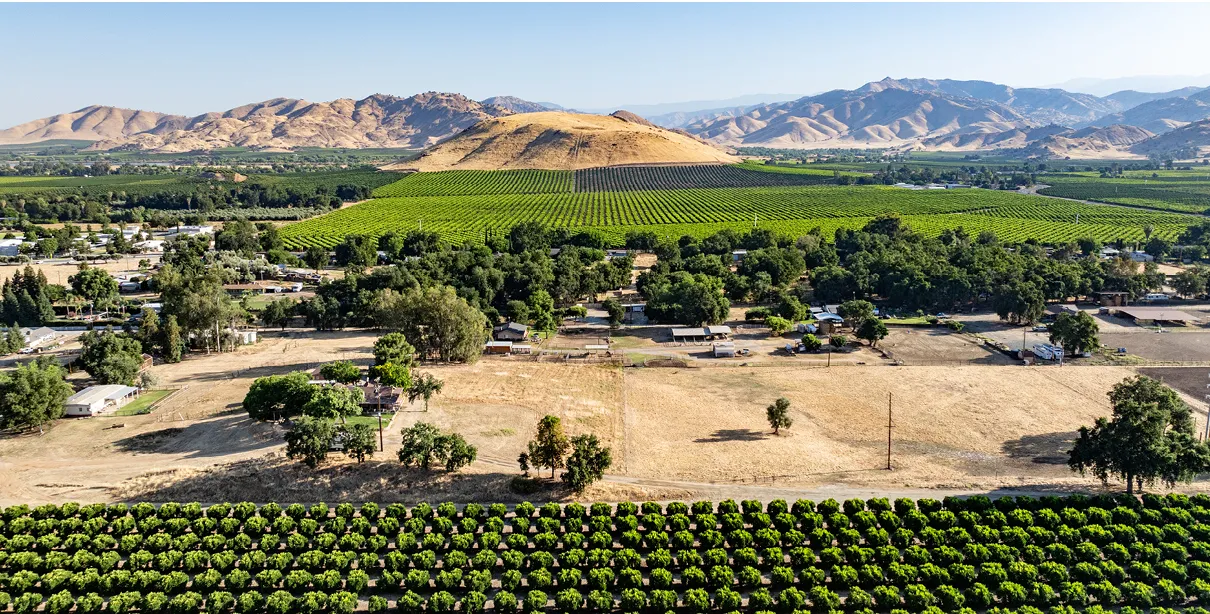
Regional engagement furthers the SF Fed’s mission of advancing the nation’s monetary, financial, and payment systems to build a stronger economy for all Americans. Here’s a snapshot of a recent outreach event in Central California from the Community Engagement and Analysis team.
The SF Fed maintains three advisory councils: the Economic Advisory Council, Community Advisory Council, and Community Depository Institutions Advisory Council. The members of these councils represent businesses, financial institutions, and community organizations across the Twelfth District. The councils regularly convene to discuss the District’s economy, bringing valuable perspectives from aro…
The Fed's SBCS captures how small businesses in the U.S. are doing and their experiences accessing financing. This important information is shared with lenders, policymakers, and those who support small businesses to help inform targeted solutions that build economic resilience.






 research.io