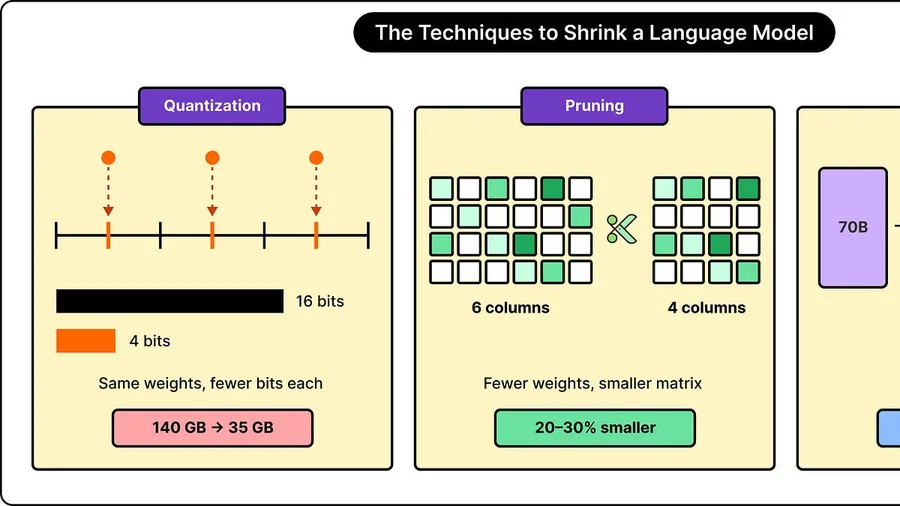
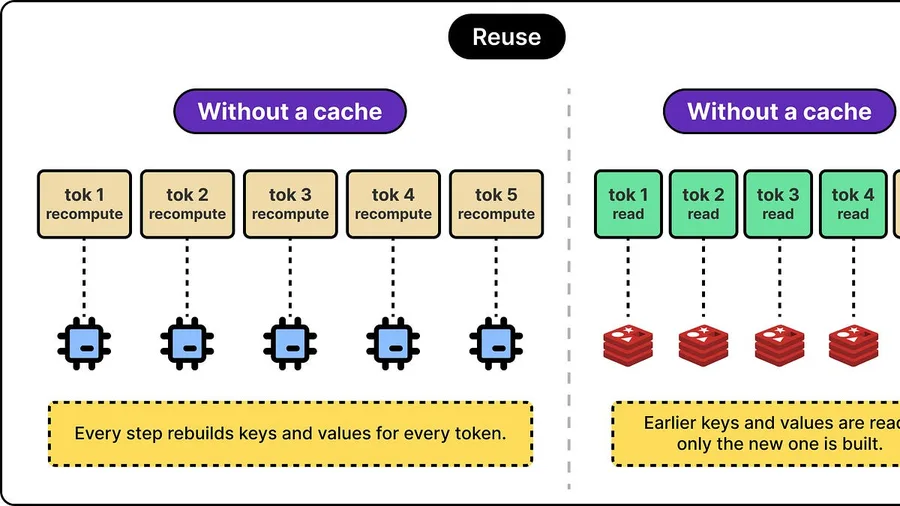
Models have grown roughly 100-fold in a few years, while consumer graphics memory has roughly doubled. It’s not just a matter of tightening things up to make them fit.
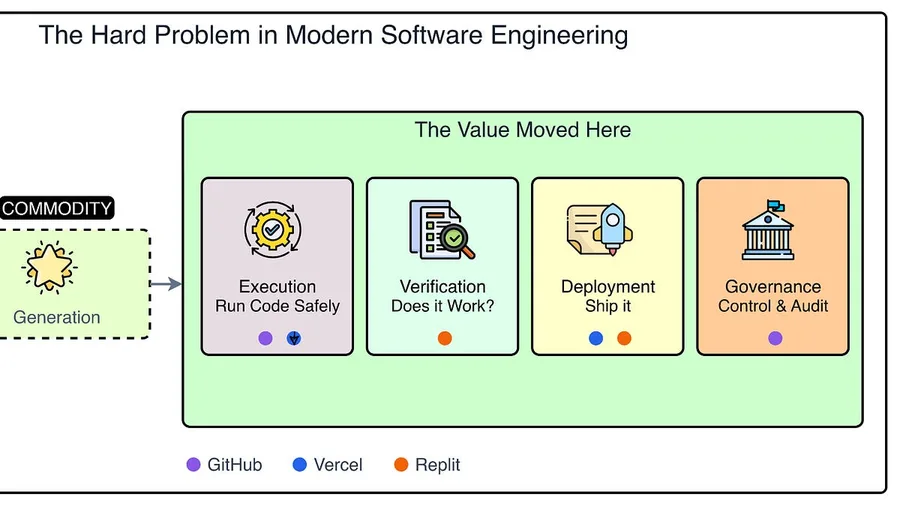
Agents can generate code. Getting it right for your system, team conventions, and past decisions is the hard part. You end up wasting time and tokens in the correction loops.
More MCPs, rules, and bigger context windows give agents access to information, but not understanding. The teams pulling ahead have a context layer to give agents exactly what they need for the task at hand.
Join us for a FR…
Every agent already runs a loop. Loop engineering adds a loop around the agent itself, enabling it to evaluate its output, try again when the work falls short, and refine its instructions when the same mistakes recur. Today, you perform that role: reviewing the work, diagnosing what went wrong, and prompting the agent again. This article shows how to automate that process with a working example, …
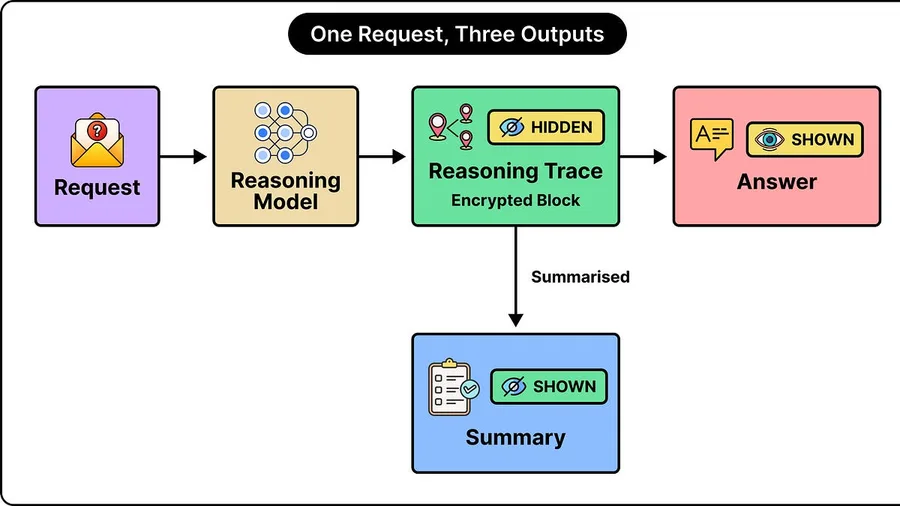
In August 2026, a team at MATS Research, the ELLIS Institute Tübingen, and the Max Planck Institute for Intelligent Systems wanted to test whether the encrypted reasoning blocks that Anthropic, OpenAI, and Google hand back to clients actually keep that reasoning private.
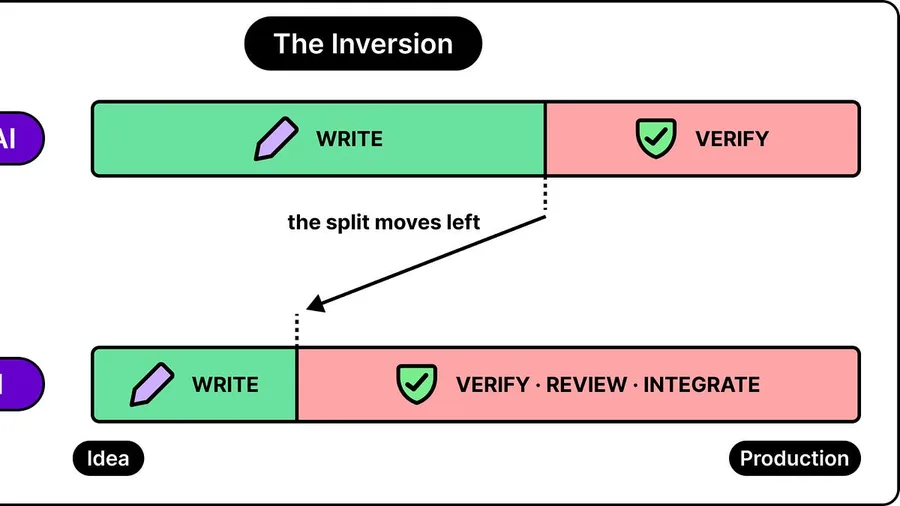
In this article, we will look at how code verification works, why the rise of AI-generated code puts more pressure on it, along with the extremely useful insights from Andrea on what the future may look like.
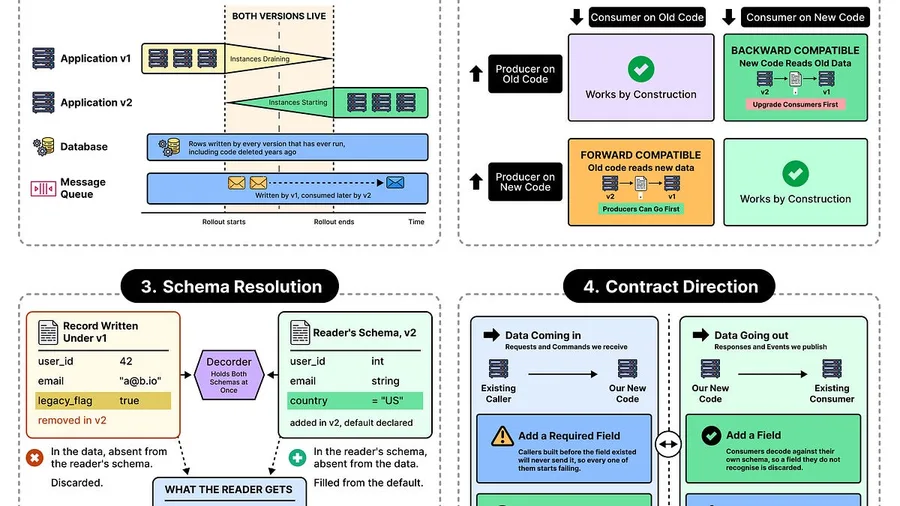
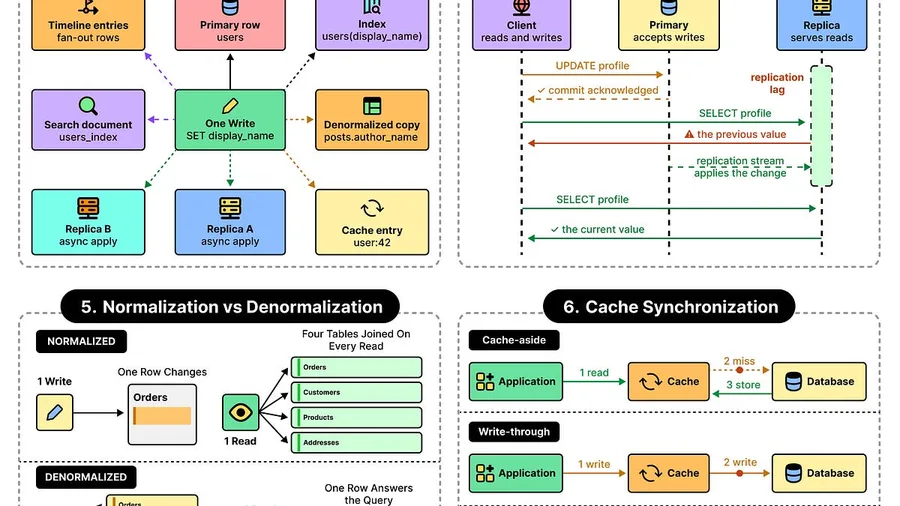
A schema change is usually one of the most difficult types of change for a software system. However, it might look quite small and simple in review. For example, it might be something as simple as a column being renamed, or a new field being added to a particular event, or a response payload dropping a field that was not being used.
To make matters more complicated, the migration goes smoothly an…
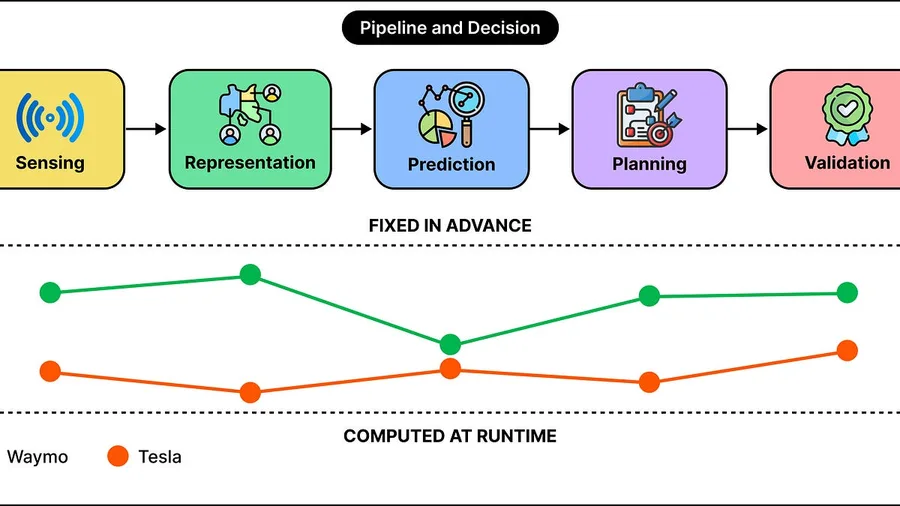
Waymo vs Tesla: Two Ways to Build Self-Driving Cars
Designed and assembled in America, Matic is the world’s first robot built to understand you. Its new feature, Matic Cues, lets you interact with it like you would anyone else.
- Point and speak. Say “Hey Matic, clean this” while pointing at a mess, and Matic knows exactly what to clean.
- Understands 70+ languages. Ask Matic to clean the kitchen…
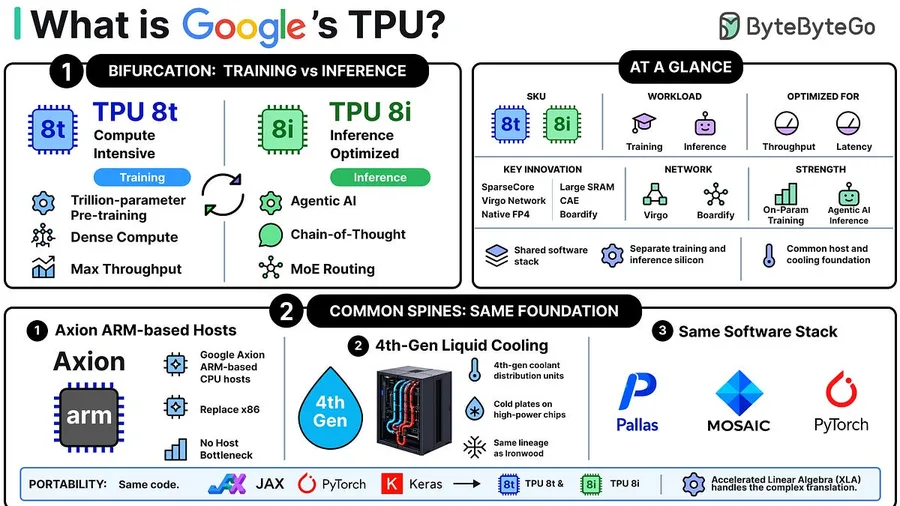
A TPU (Tensor Processing Unit) is Google’s custom AI chip, designed from scratch for the giant matrix multiplications that modern models live on. GPUs were built for graphics first.
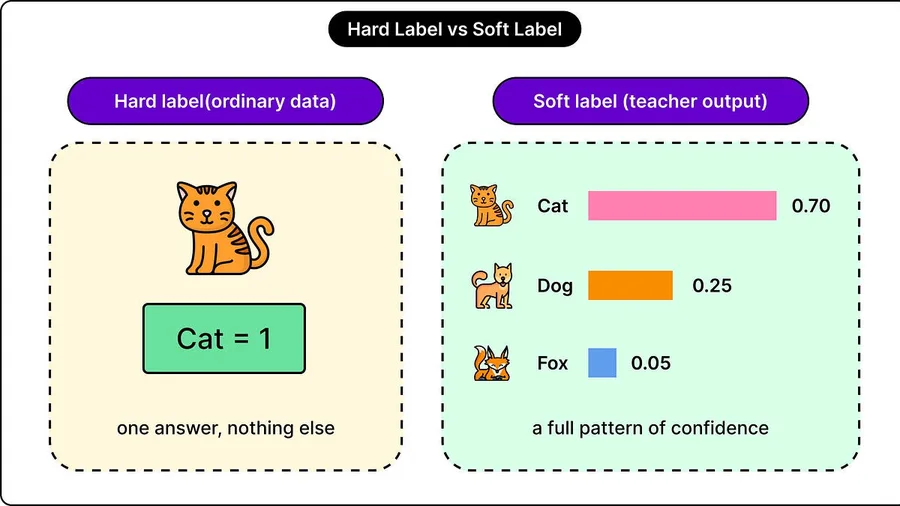
How Big Models Teach Small Models to Be Smart
AI is in your engineering workflow. While the token spend shows it, the throughput doesn’t. The human is very much still in the loop, and that’s a context problem.
Join live on Aug 19 (FREE) to learn:
- The 4 metrics to measure where AI gains leak out before production.
- The 8 stages of context maturity, the specific walls capping your metrics, and …

 research.io