Data InsightsThailand’s population may have already peaked
Today
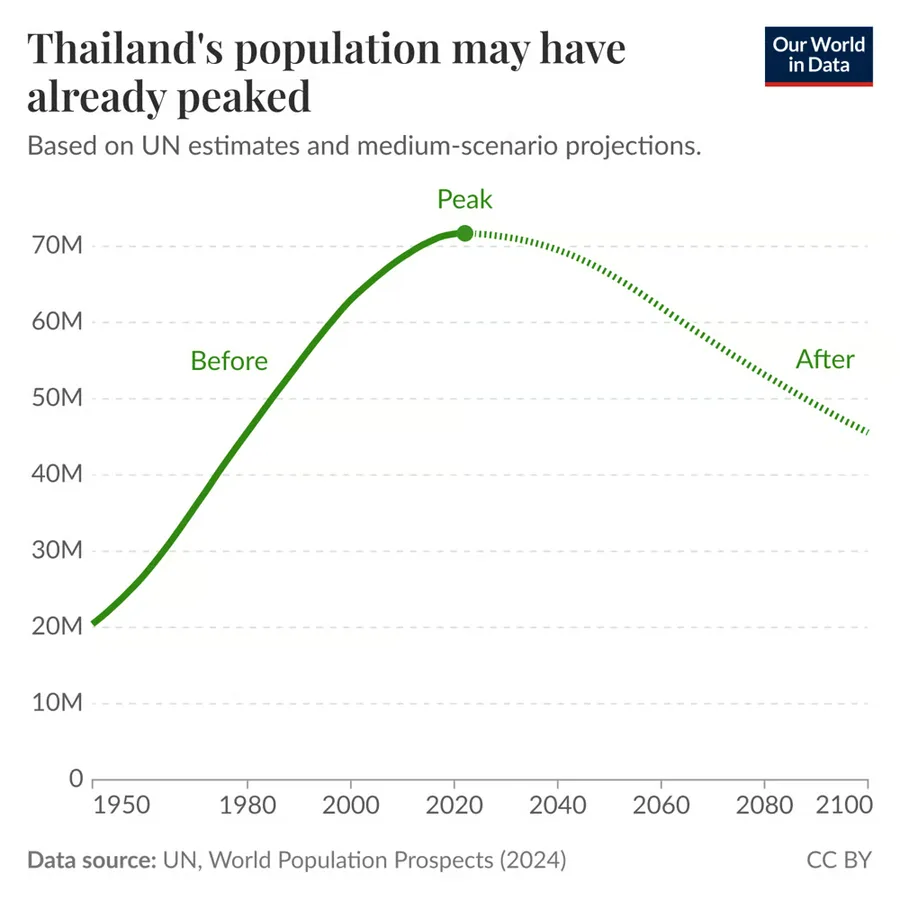
Thailand’s population may have already peaked
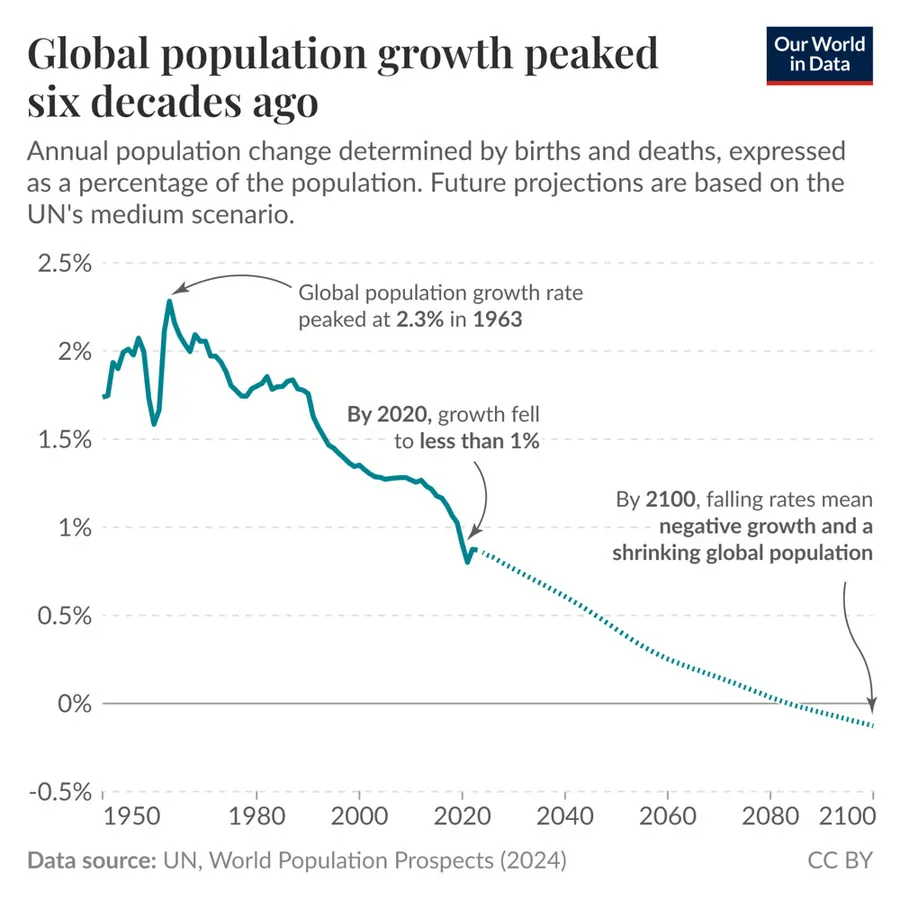
Many countries are in a fairly unique demographic position in history: their populations are shrinking not due to a temporary shock but to sustained structural decline.
If we look at the United Nations’ population estimates and medium
November 15, 2024
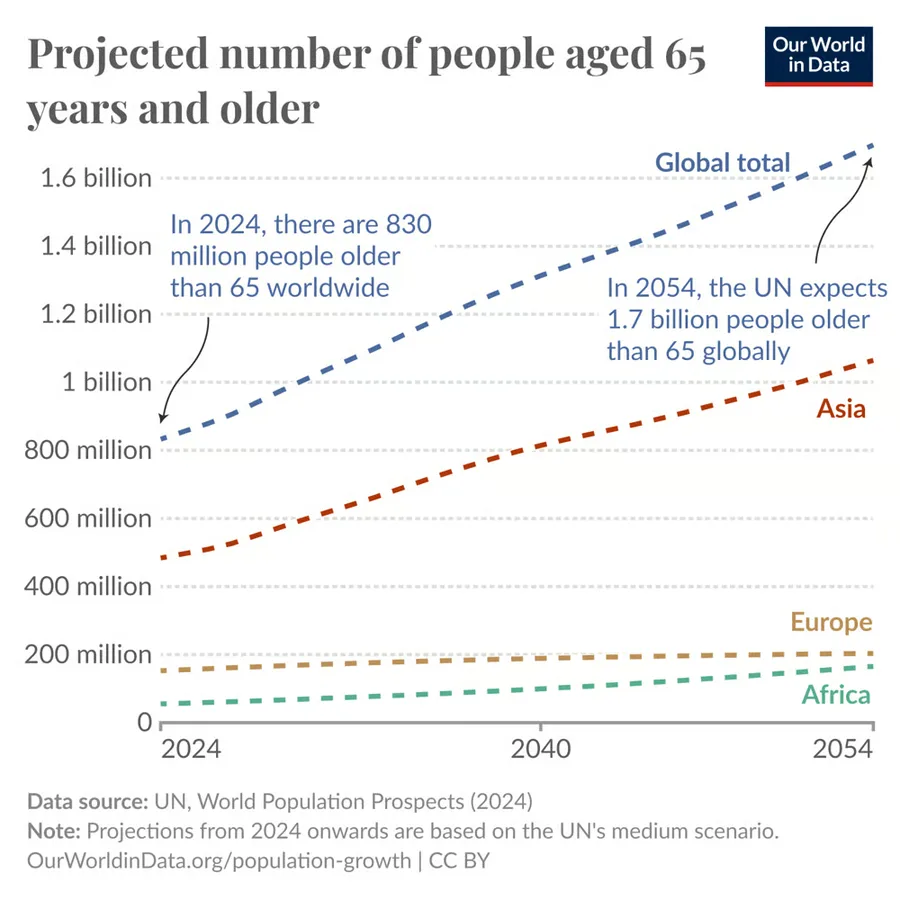
Today, there are around 830 million people aged 65 and older in the world. According to the latest UN data, it is projected to grow to 1.7 billion by 2054.
Asia, the world's most populous continent, is at the heart of this change, with its elderly population expected to more than double.
While rapid population growth has driven some of this increase, better healthcare and longer…
We can’t understand the world without understanding demographic change.
How many people are alive today? How many are born; how many die? What do we expect populations to look like in the future?
The United Nations updates its big dataset — the World Population Prospects — every two years to answer these questions. It just released its latest edition today.
We’ve updated all of our population-rel…
Cuts to US aid could end the Demographic and Health Surveys. This would leave a massive gap in our understanding of global health, mortality, and development.
April 23, 2024
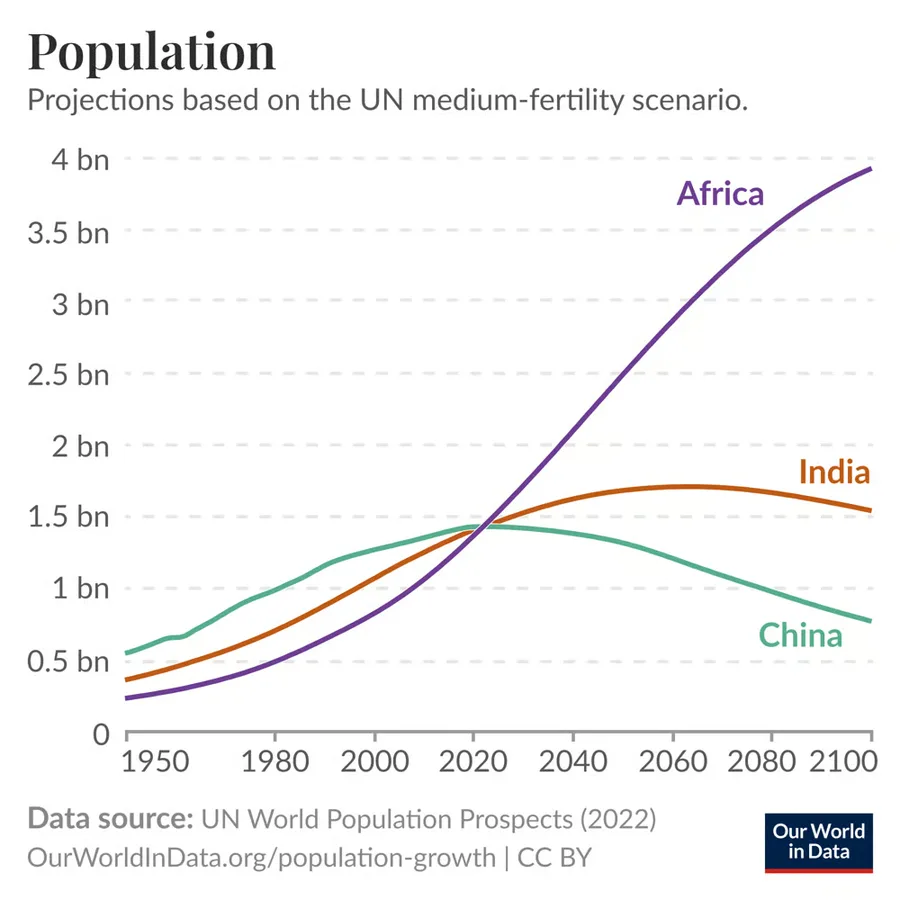
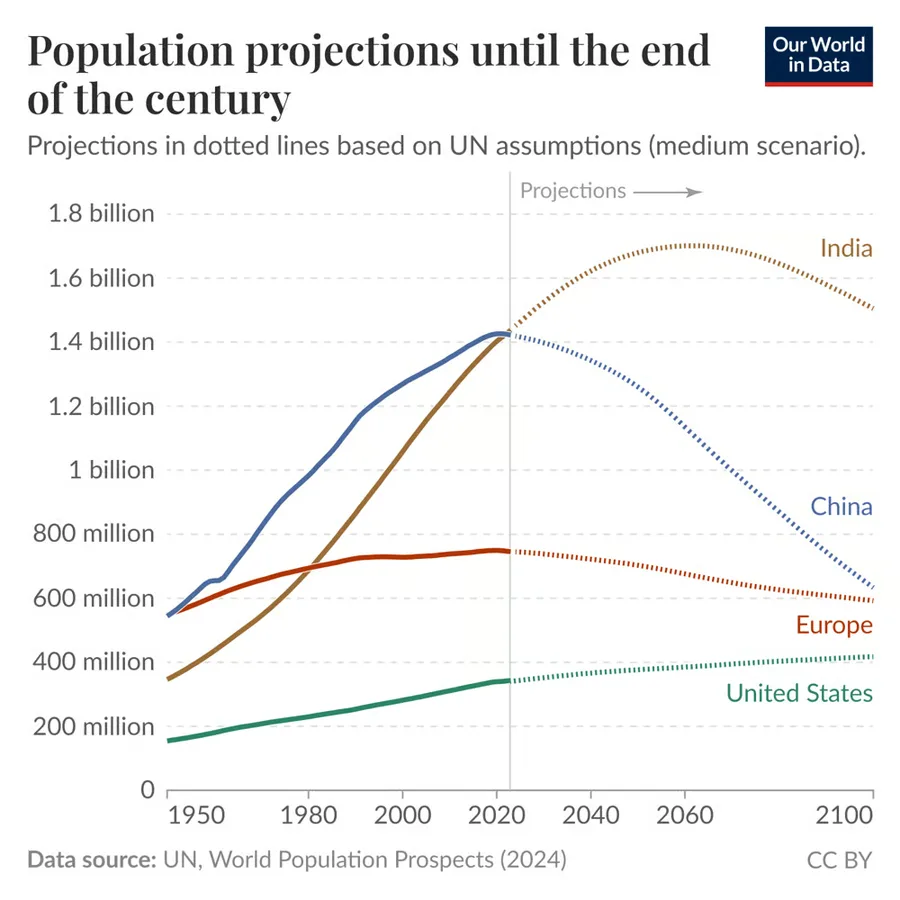
China is no longer the most populated country in the world. According to estimates by the UN World Population Prospects, India took over in 2023. That year, both countries had around 1.4 billion inhabitants — as many as the entire African continent.
However, as we can see in the chart, China’s population is expected to decline, and India’s growth is expected to slow down. Meanwhile…
June 09, 2026
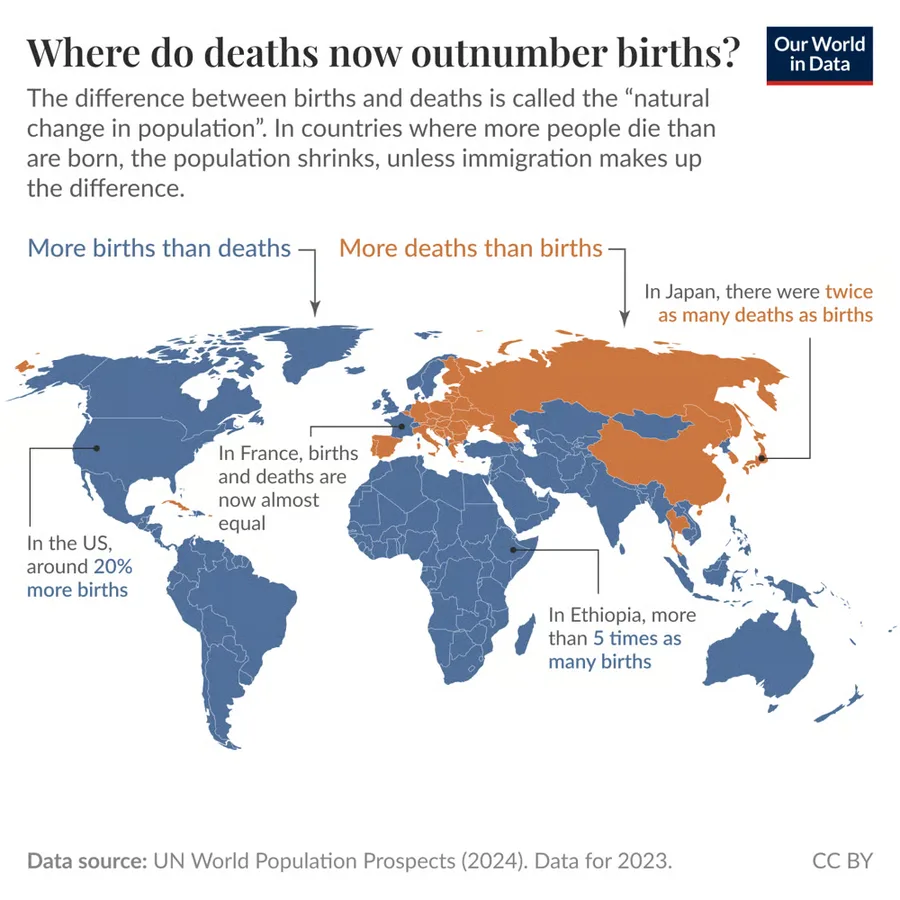
For most of human history, more people were born each year than died. Populations grew very slowly for most of this history, then rapidly in recent centuries, as child mortality plummeted and people lived longer.
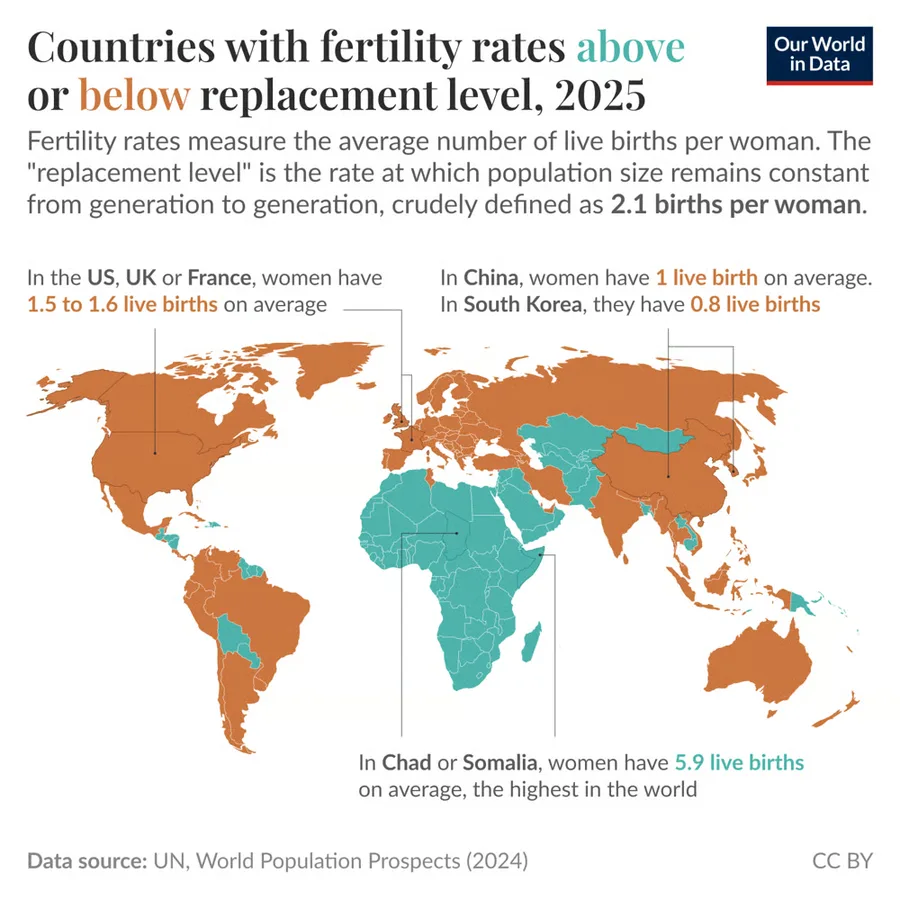
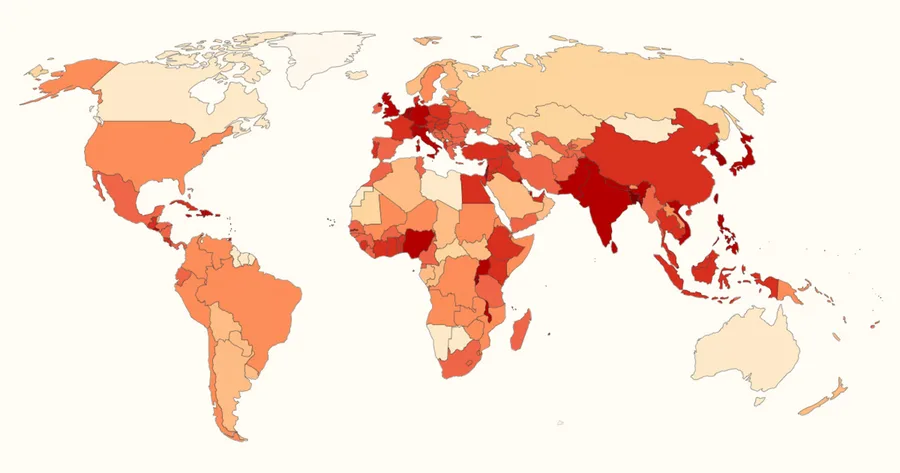
But this is changing. As the map shows, deaths now outnumber births in a growing number of countries across Europe and East Asia.
The balance of births and deaths tells us …
February 19, 2026
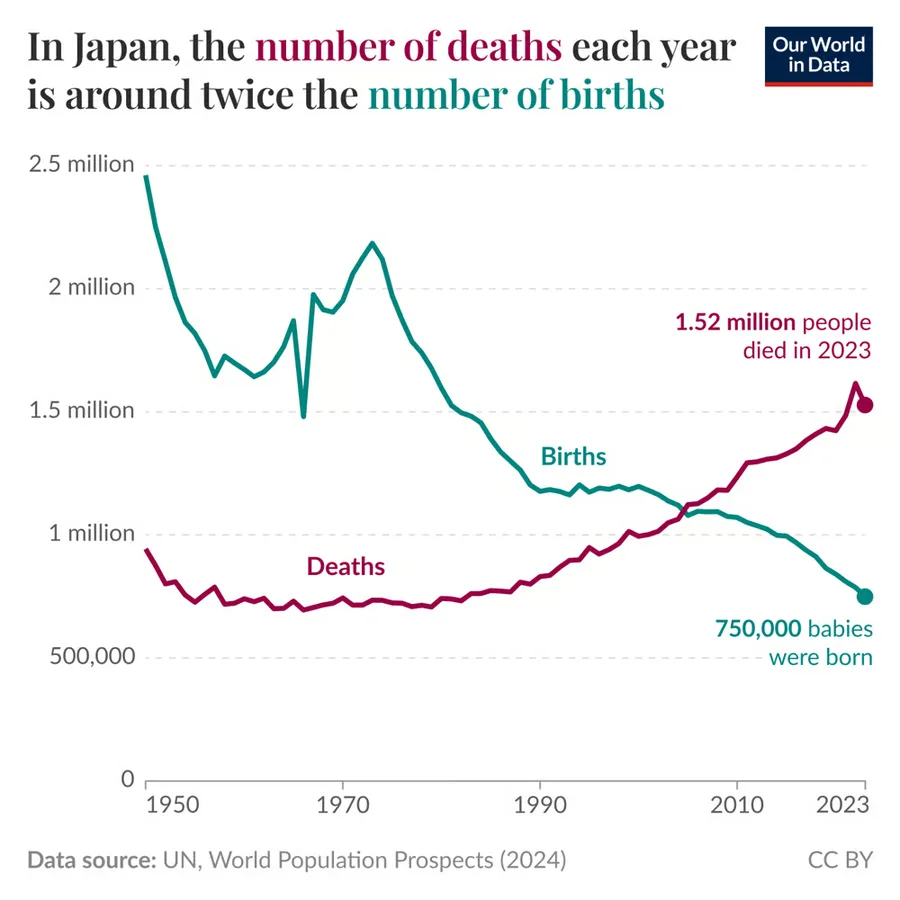
Forty years ago in Japan, two babies were born for every person who died. Twenty years ago, these numbers were equal. And today, the ratio has reversed: one baby is born for every two people who die.
In the chart, you can see this change in the number of births and deaths over time.
Since deaths now greatly outnumber births, and because immigration is low, Japan’s population has…



 research.io