Tetrapod Zoology

Darren Naish
14d ago

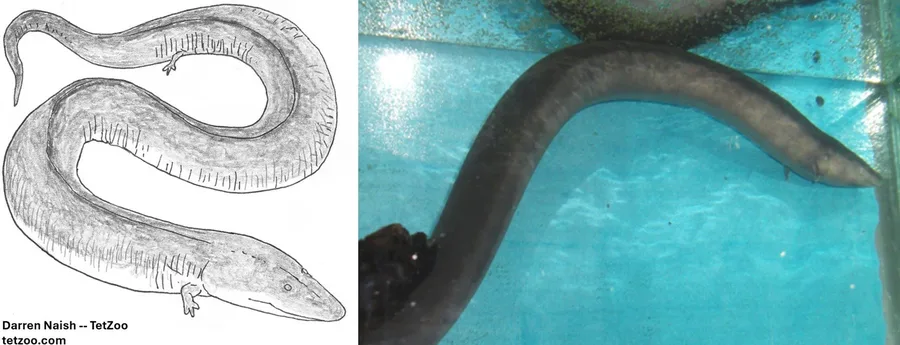
Salamanders have been covered at Tet Zoo on numerous occasions, there being articles on newts and other salamandrids, plethodontids (lungless salamanders) of numerous sorts, and also ambystomatids (the group that includes the Axolotl and other mole salamanders). It’s the very weird salamanders that bring in the most interest, however, and today we’re going to look briefly at them again….

biologyecologyzoology
Darren Naish
20d ago

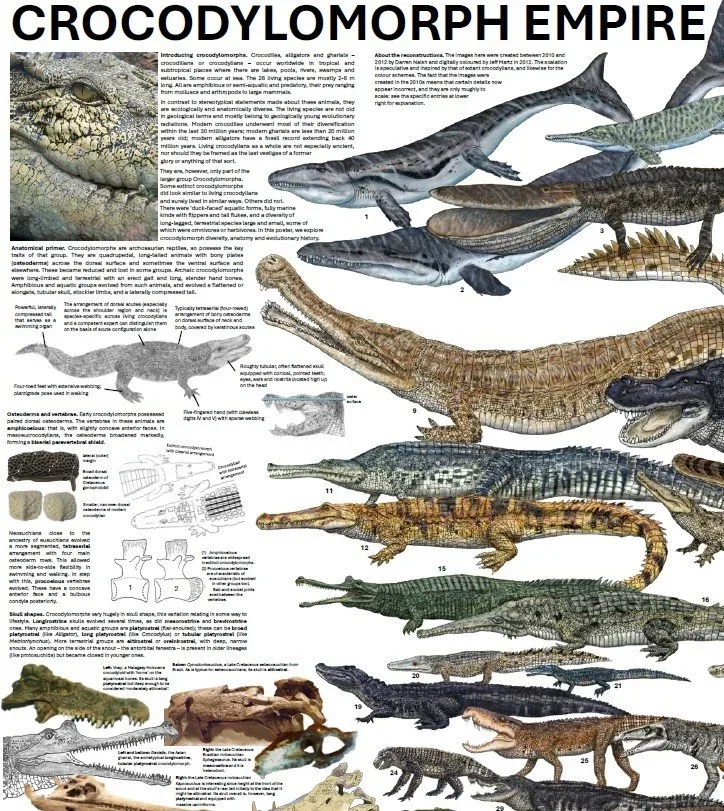
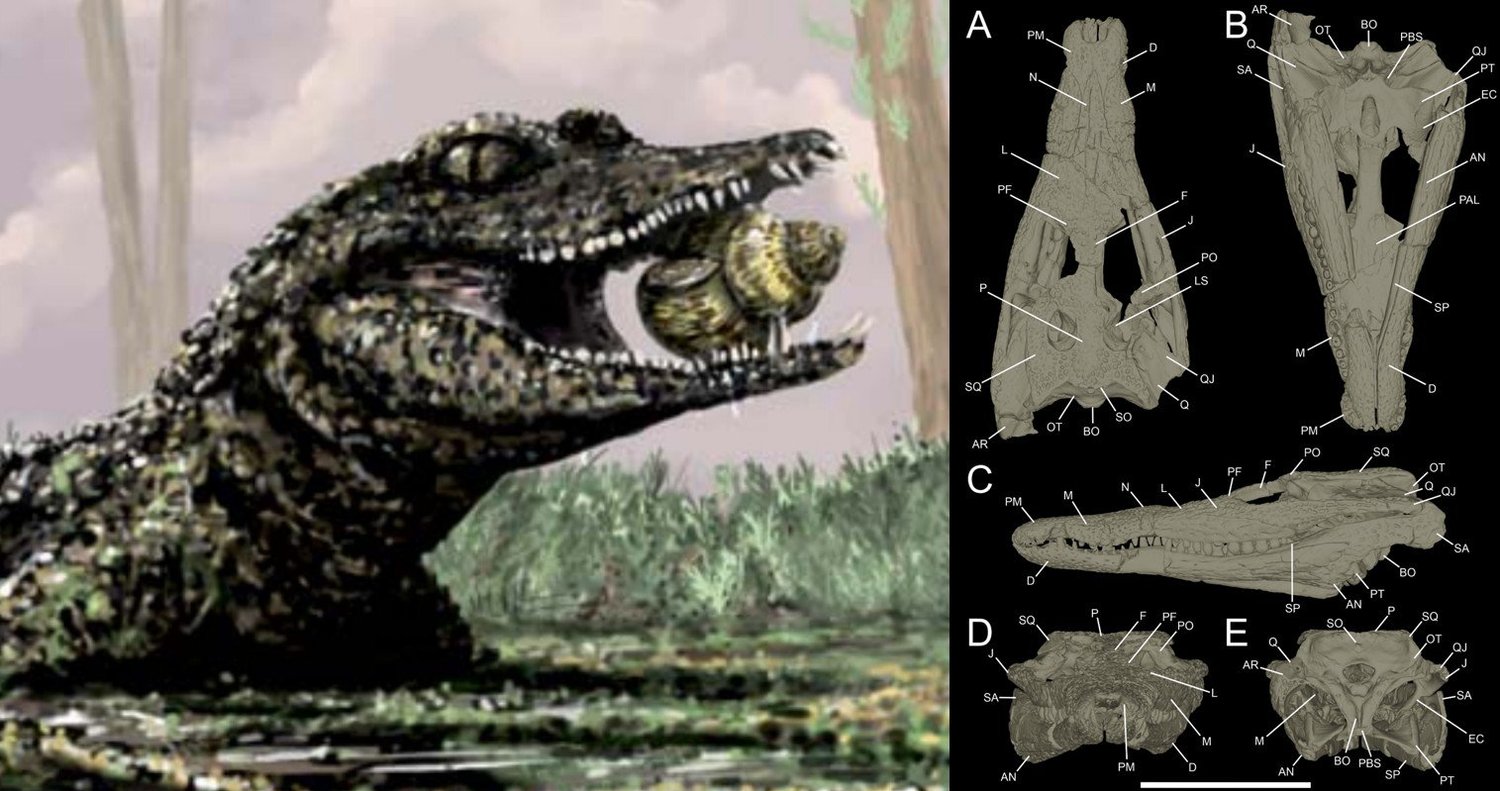
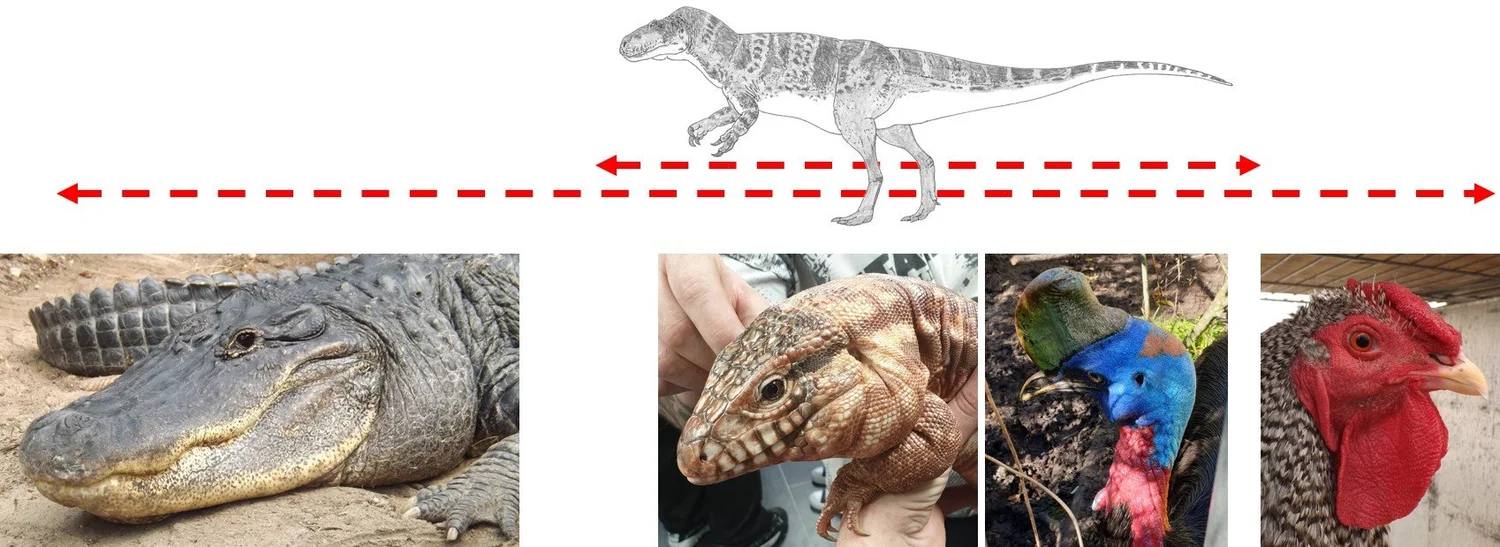
Long-time readers of Tet Zoo will perhaps be aware of my efforts, beginning in 2012 or something like that, to depict in a montage the diversity of crocodylomorphs extinct and extant….

biologyevolutionzoology
Darren Naish
26d ago

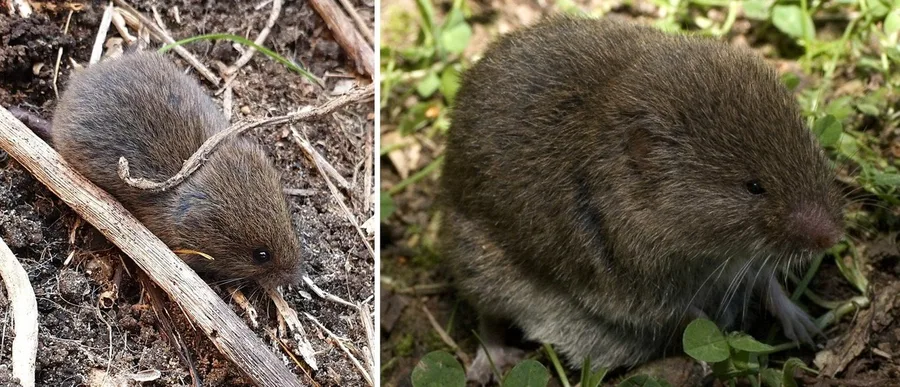
I feel the need to publish something new on rodents, and with no time to produce anything lengthy or new, here are brief thoughts on one of my favourite rodent groups: voles!

Darren Naish
5/12/2026

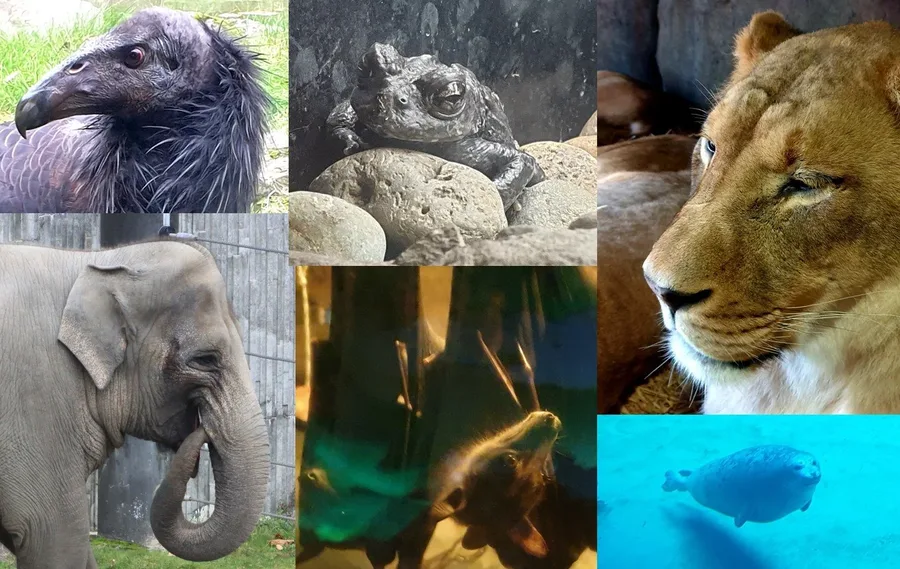
It’s time for another article in my Tet Zoo Reviews Zoos series, and this time we look at a zoo in that troubled and terrifying nation known as the USA, specifically in the north-western state of Oregon…

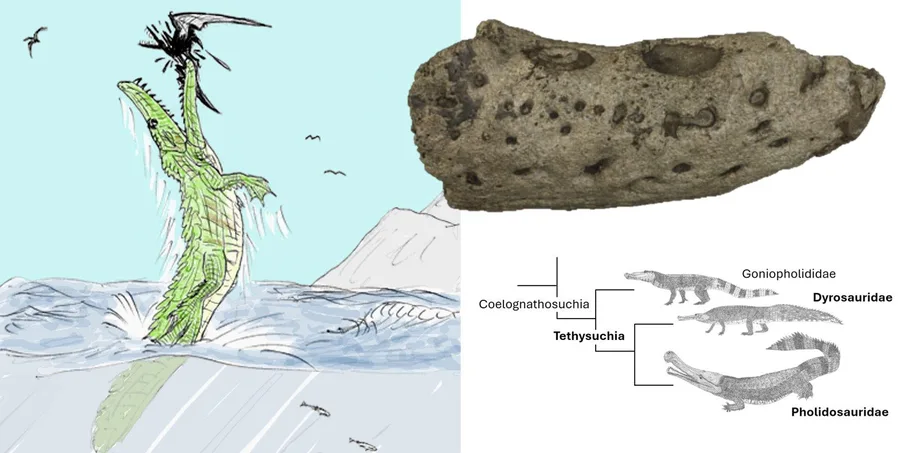
Inspired by the recent publication here of thoughts on the new Koumpiodontosuchus paper… and by other work, in prep… I felt it appropriate to rescue another article from the archives, specifically from ver 3. Here we go…

biologypaleontology

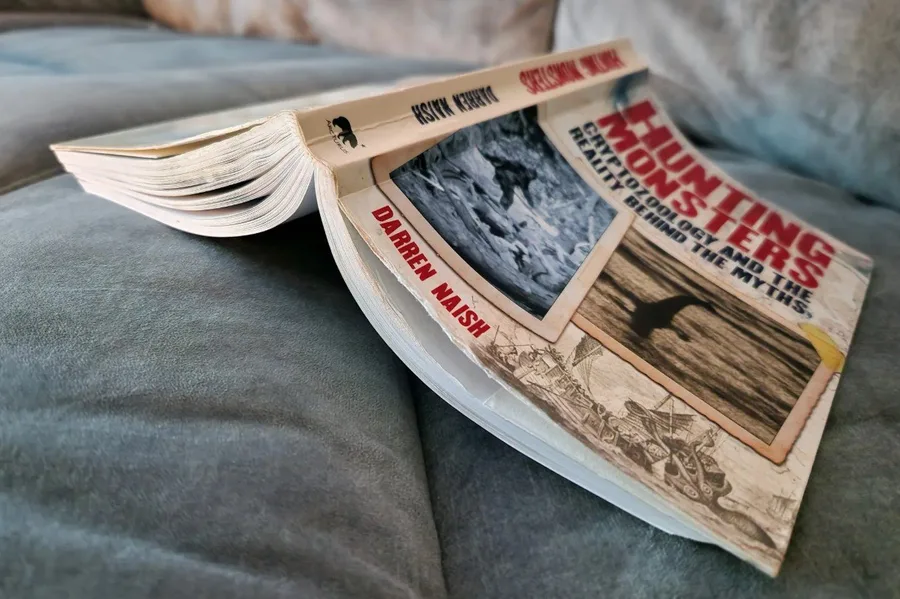
Yes, the time is right to discuss the possibility of an expanded, ten-year-anniversary edition of my 2016/2017 Arcturus book Hunting Monsters …

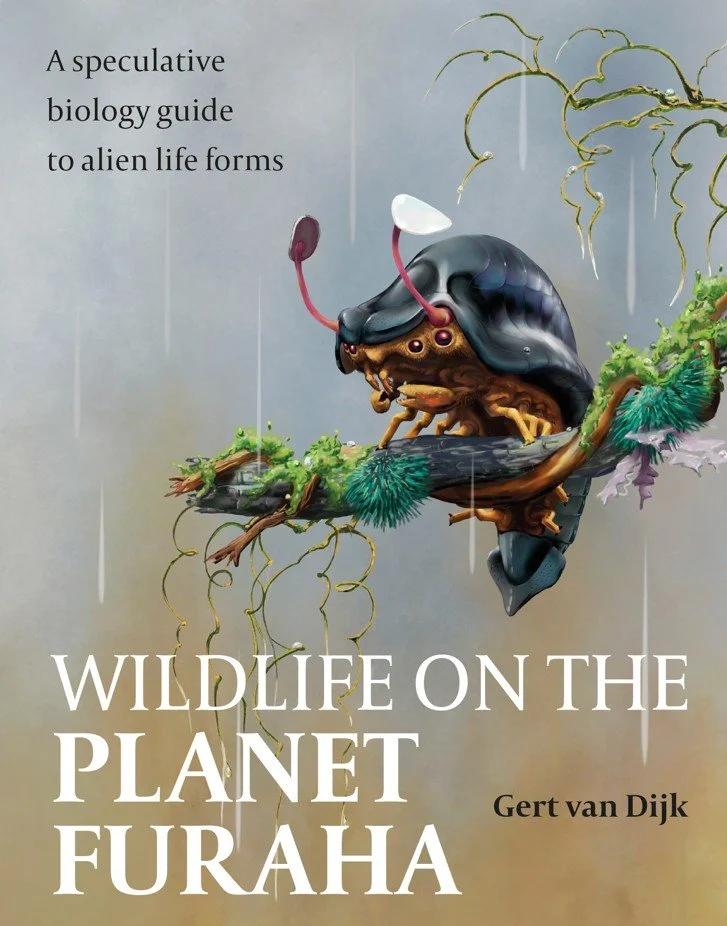
Alien animals of any sort, by definition, cannot (in the phylogenetic sense) be tetrapods. To be sure, they can’t really be animals either, given that they’re not part of the Terran clade Animalia. But details details. I will discuss books and projects relating to tetrapod-like aliens if I deem them sufficiently worthy, and such it is with the book I’m going to discuss here… For some years now, a…

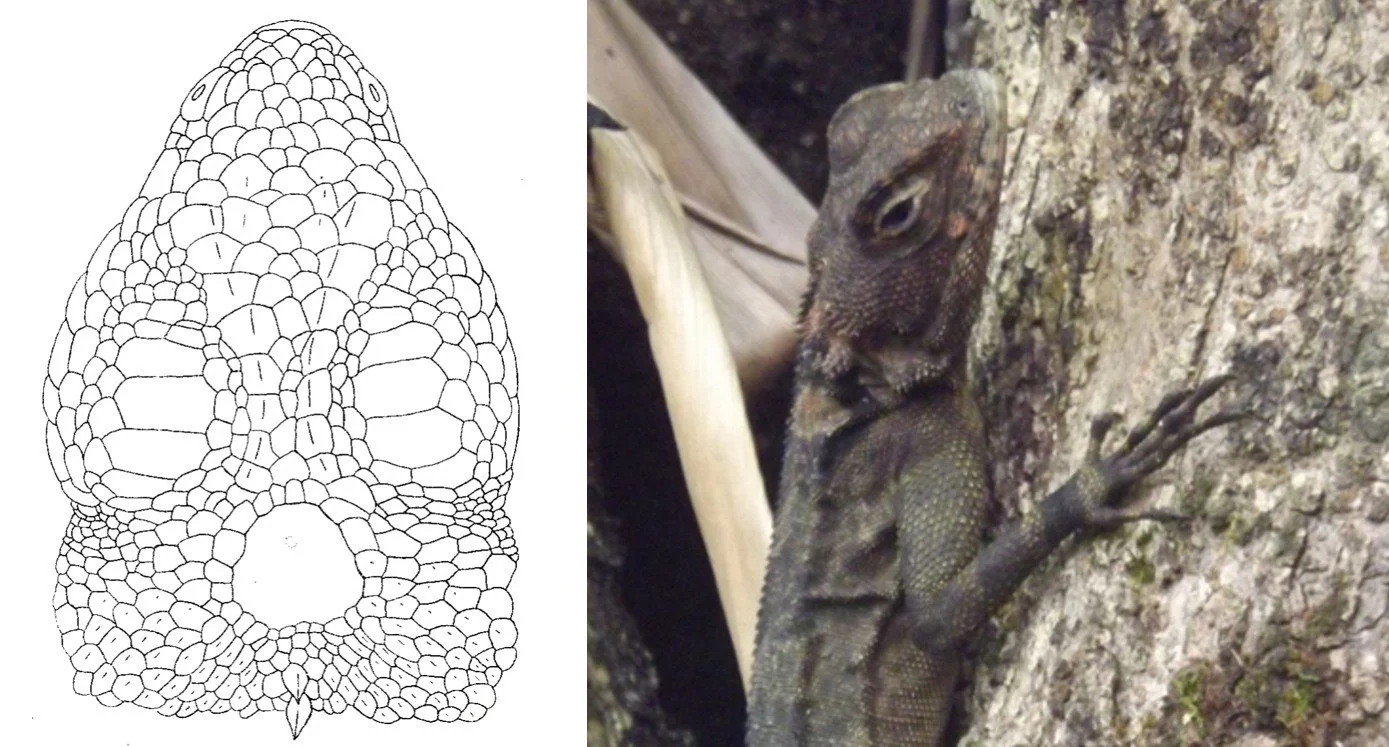
It’s time again to rescue another squamate-themed article from the Tet Zoo articles. This one – devoted to the treerunners, obviously – was first published at Tet Zoo ver 3 in December 2017 (the original Sci Am version is hosted here) and here it is again, with substantial updates… What is Plica plica? It’s a strikingly proportioned, diurnal, arboreal iguanian lizard that can exceed 17 cm in tota…

biologyzoology

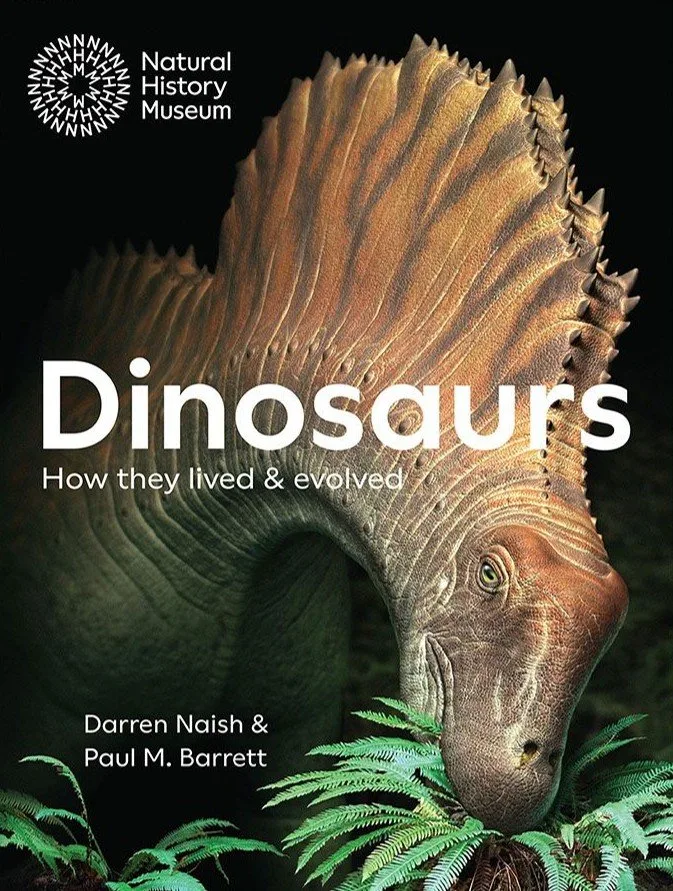
Last year saw the appearance of the long-awaited second edition of Dougal Dixon’s The New Dinosaurs (Dixon 2025). If you’re a fan of the original, published in 1988, now is the time to get a second edition. I attended the London launch event, got hold of a review copy, and have just published a reasonably long article on the book in Historical Biology (Naish 2026). There is, of course, a huge amo…

biologyevolution

It’s probably impossible to write about the history of fossil hominin discoveries in Africa and not discuss, or at least mention, the Leakeys… While Louis Leakey (1903-1972) is the most famous, if not notorious, member of this family, it’s the highly accomplished Mary (1913-1996), his wife, that we’ll be looking at here. In 1984, when she was in her early 70s, Mary penned Disclosing the Past: An …

archaeologyhistorypaleoanthropology

Welcome to the new home of Dr Darren Naish’s world-famous Tetrapod Zoology blog - Tet Zoo for short - now in its fourth iteration. Tet Zoo is devoted to discussion, research, discovery and speculation regarding THE TETRAPODS: the amphibians, reptiles, birds and mammals, and all of their extinct relatives. No fish, never fish. Ok, I also do fish now. Follow me on Twitter and Bluesky and please hel…

biologyevolutionzoology

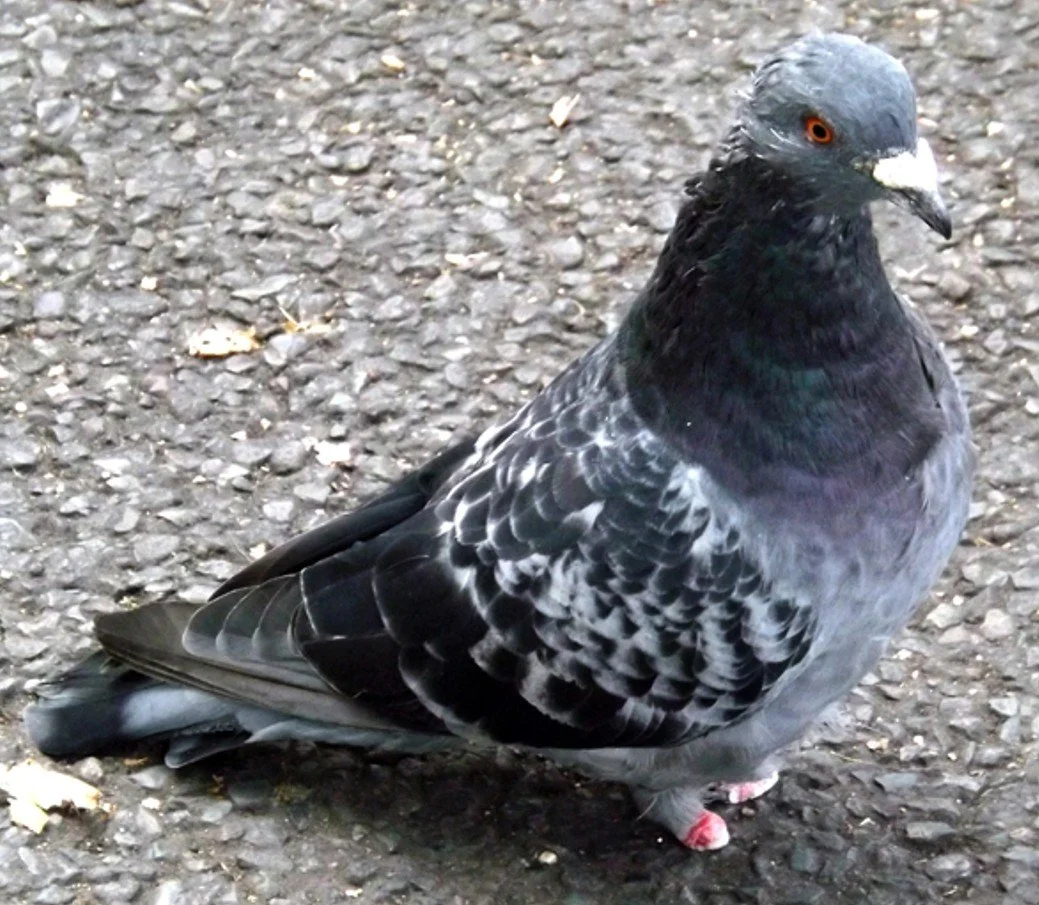
Foot deformities are ubiquitous in urban pigeons. Why? Here’s a republished version of an article that originally appeared (here, at ver 3) back in 2022. As you’ll know if you’ve spent any time watching the pigeons of towns and cities, something like one in every ten has missing or partial toes, or swollen toes, or other pedal deformities of some sort. And then there are really extreme individual…

biologyecologyzoology
Darren Naish
2/17/2026

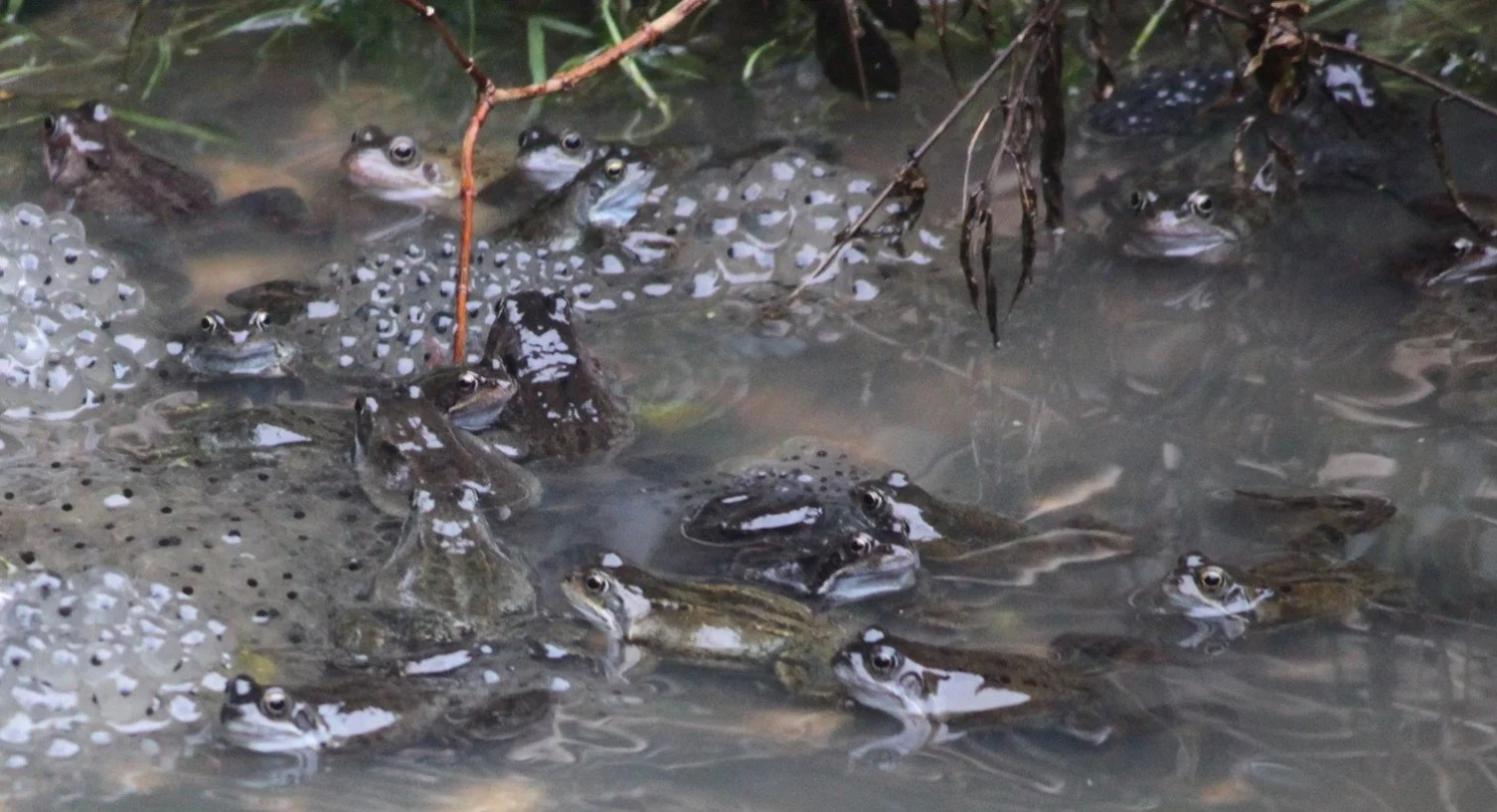
Once again it’s that time of year, by which I mean… spawnwatch season, of course. Yes, early February here in far southern England means that it’s once again that time when the lone amphibian species living in the grounds of Tet Zoo Towers – the Common frog Rana temporaria – gathers to breed. As ever, I’ve been keeping close tabs on things, so let’s see what happened this time round. There’s good…

biologyecology

Today is the day…. The blog Tetrapod Zoology – connected in some way to just about everything that’s happened in my professional life since the mid-2000s – has now been in operation for an absurd twenty years. Two. Decades. At the risk of lapsing into grotesque melodrama, I have the same feeling I get when attending a funeral… albeit without the melancholy… how did we get here already; how did so…

biologyzoology

Those of you specially interested in the behaviour and biology of Mesozoic dinosaurs will be well aware of the dinosaur cognition debate that’s been going on in the animal cognition literature… As discussed at Tet Zoo back in 2024 (go here), things started when neuroscientist Suzana Herculano-Houzel argued that such extinct dinosaurs as Tyrannosaurus might have had primate-like numbers of neurons…

biologyevolutionzoology

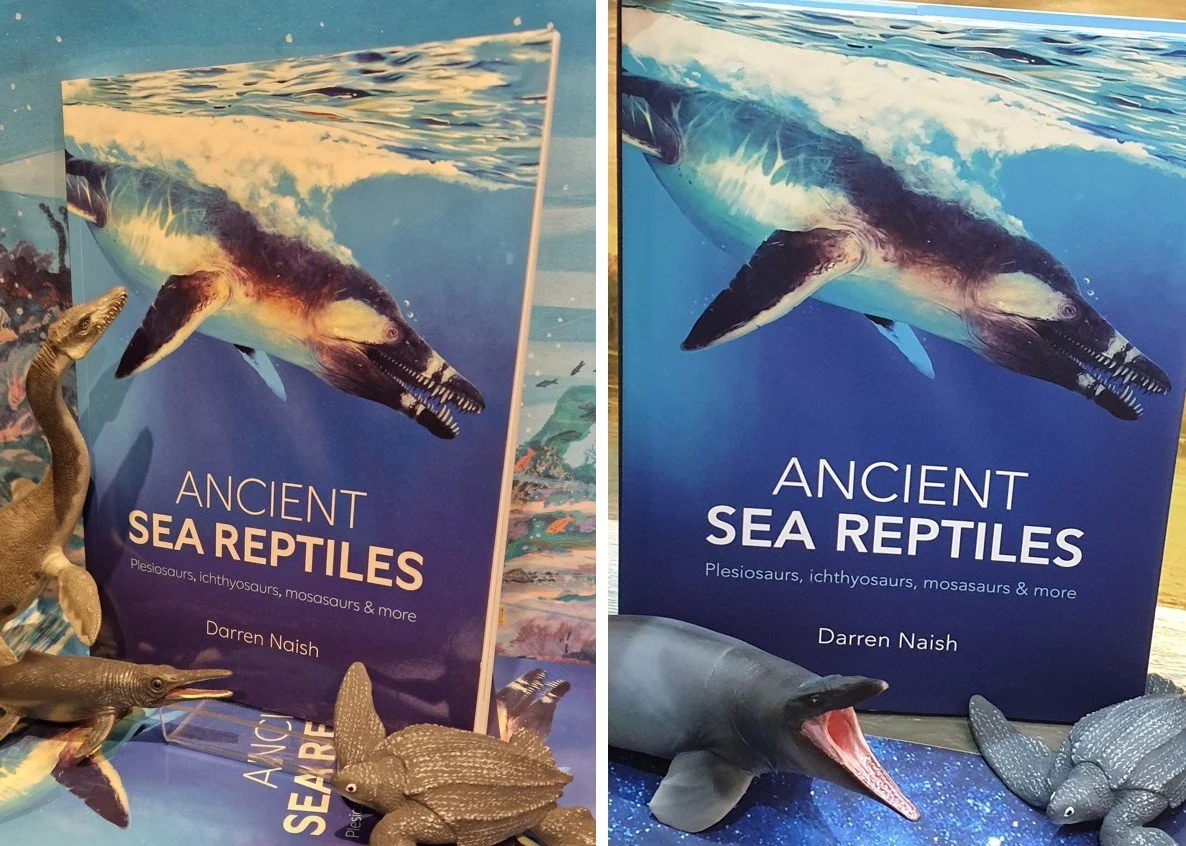
Among my several recently published books is Ancient Sea Reptiles: Plesiosaurs, Ichthyosaurs, Mosasaurs & More, first released by the Natural History Museum in 2022… A slightly modified second edition appeared in 2023, this one including tweaks to the section on pachyophiid (or simoliophiid) snakes and thalattosuchian sea crocs. But the big news is that a third edition – the first softback – came…

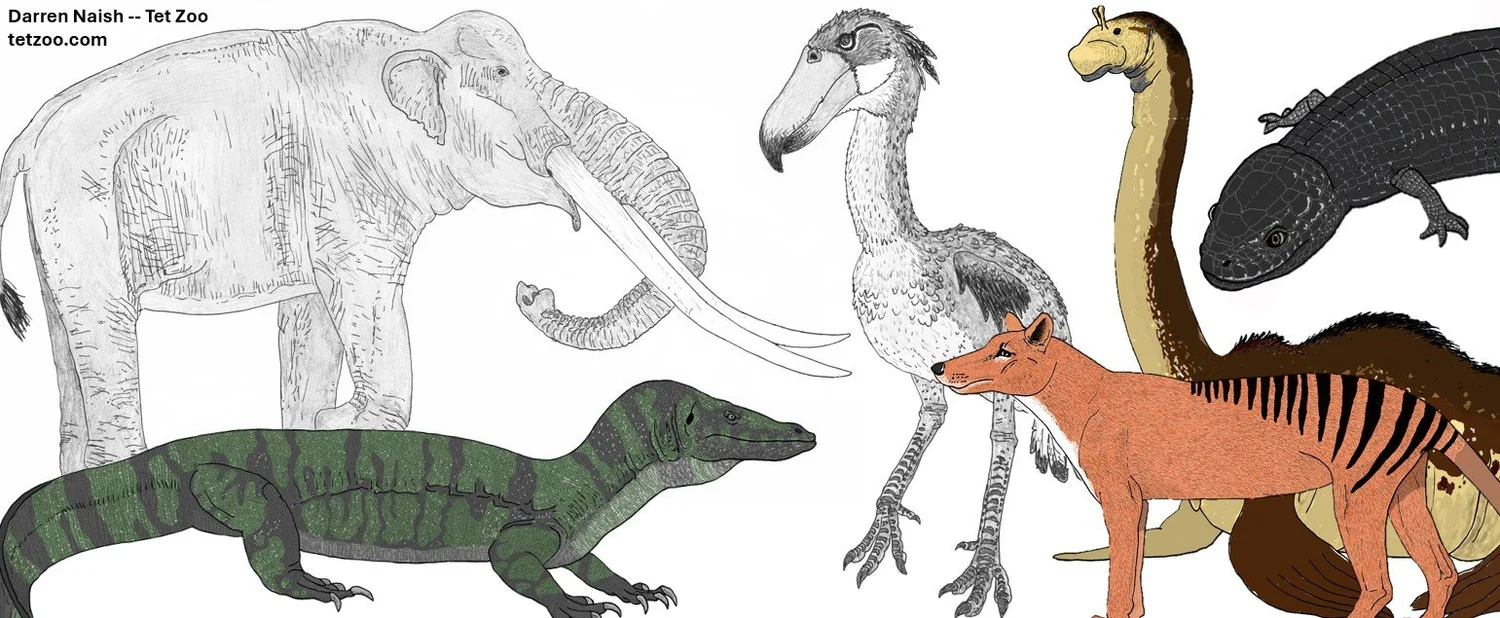
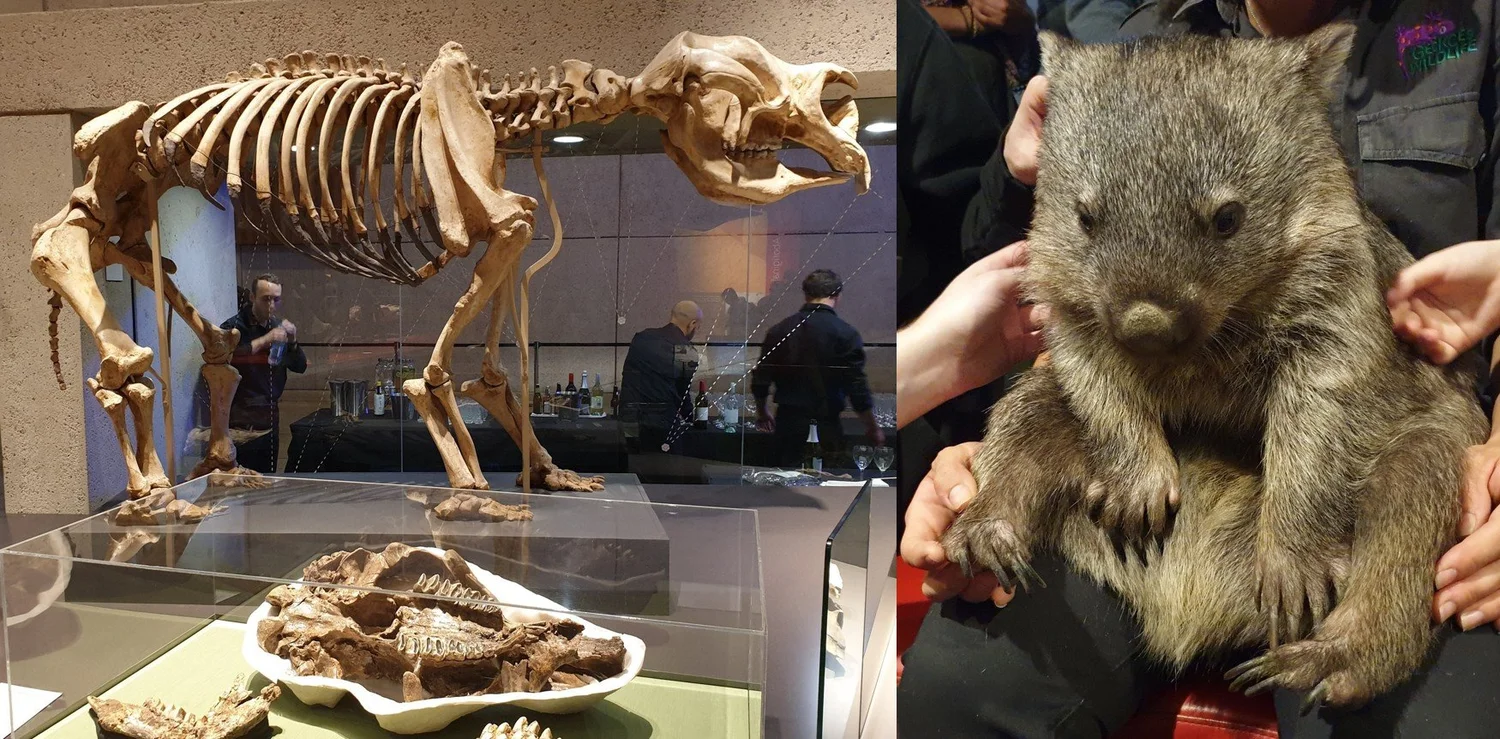
I have published a fair bit on marsupials in the past, the big problem being that the articles concerned (published during the ScienceBlogs and Scientific American years of Tet Zoo history) have been paywalled, ruined, or made very very hard to find in online archives. In particular, the Thylacoleo article reminded me that I published two articles on the diversity and phylogeny of diprotodontians…

biologyevolutionzoology

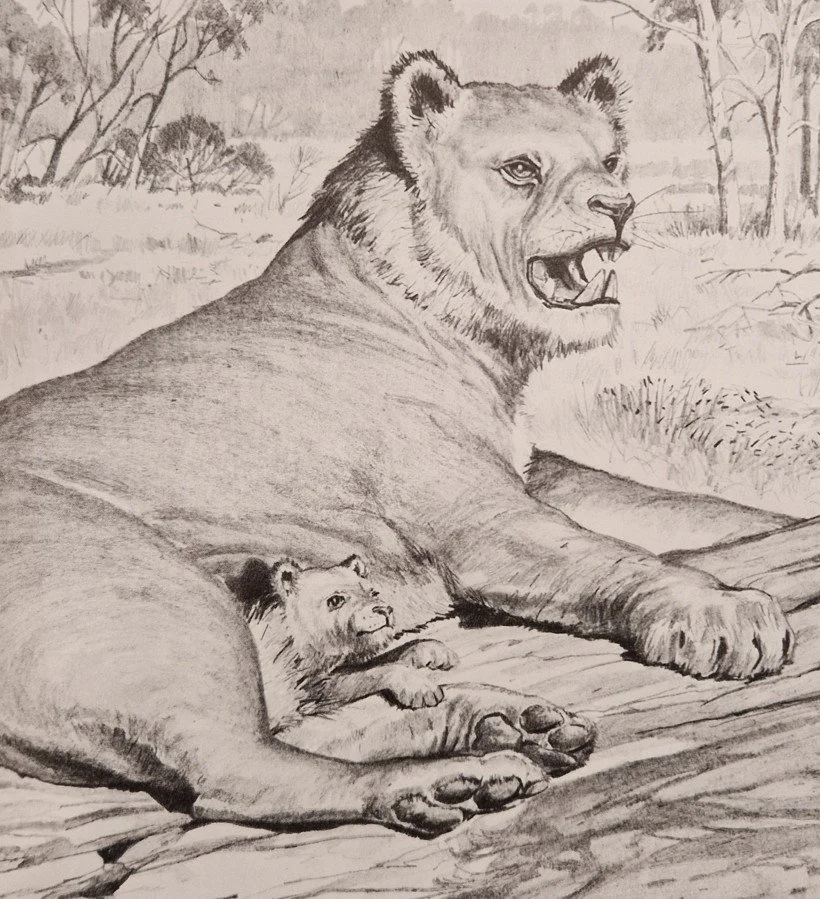
Among the most striking and interesting of extinct mammals is the so-called marsupial lion of Australia, or Thylacoleo carnifex… A lion-sized predator whose fossils are known from Western Australia, Northern Territory, South Australia, Queensland, New South Wales and Victoria – that is, from right across the country – Thylacoleo had a remarkably powerful skull and very strong bite (Wroe et al. 20…

biologypaleontologyzoology
research.ioresearch.io

Sign up to keep scrolling

Create your feed subscriptions, save articles, keep scrolling.

Already have an account?