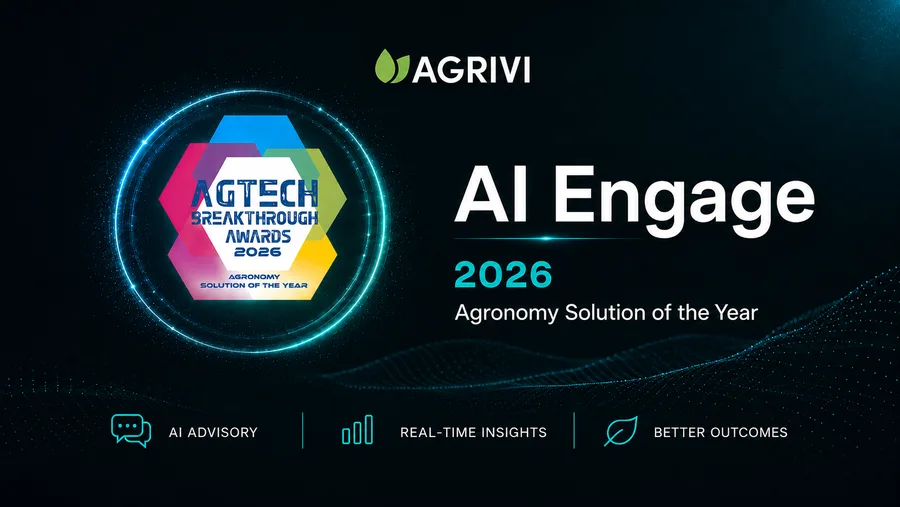
AGRIVI AI Engage Award 2026 marks the recognition of AGRIVI AI Engage as the 2026 “Agronomy Solution of the Year” by AgTech Breakthrough. The award recognises an AI Workforce business model that gives agricultural organisations more capacity for advisory, farmer engagement, data collection and commercial follow-up. Key Takeaways – AI Engage AGRIVI AI Engage received Read more The post AGRIVI AI E…
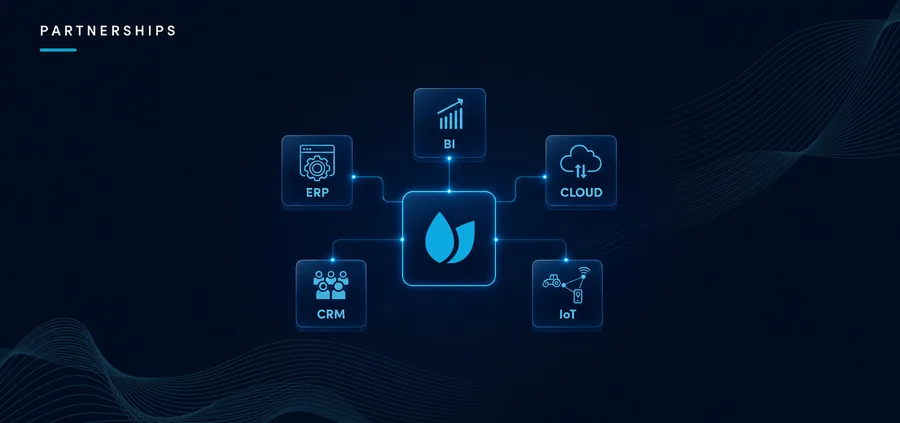
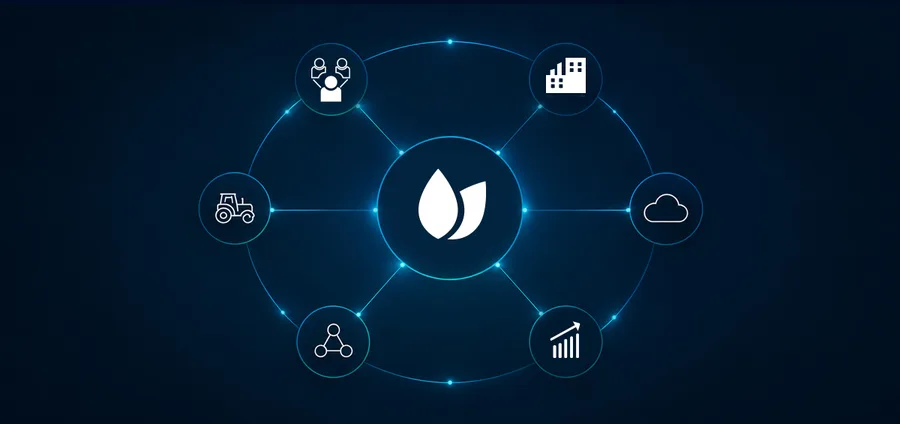
Key Takeaways – Agriculture Systems Integration Enterprise agriculture needs agriculture-specific data infrastructure because generic enterprise systems rarely represent fields, crops, agronomic plans, work, and production economics together. Integration quality depends on ownership, update rules, business context, monitoring, and exception handling, not only on available interfaces. AGRIVI 360 F…
Key Takeaways – Agri-food Technology Portfolio • Portfolio expansion should begin with existing customer relationships where agriculture-specific work remains outside current enterprise systems. • A company name or industry label is not enough. Strong opportunities combine agriculture exposure, a visible workflow gap, access to decision-makers, and delivery fit. • Relevant signals include enterpr…
Key Takeaways – Farm Management Software Evaluation • Enterprise evaluation should begin with operating requirements, not a feature checklist copied from vendor websites. • The system must represent agriculture at the level where work, agronomy, resources, and costs are actually managed. • Reliable evaluation tests whether different roles work from one current record and whether Read more The pos…
Key Takeaways – Brand Architecture Agricultural AI Brand architecture agricultural AI advisory comes down to three structural choices made before launch: knowledge base ownership, recommendation boundary, and channel identity. These are architectural choices, not editorial ones. They shape the deployment from the first farmer conversation and cannot be retrofitted without a redeployment. A third-…
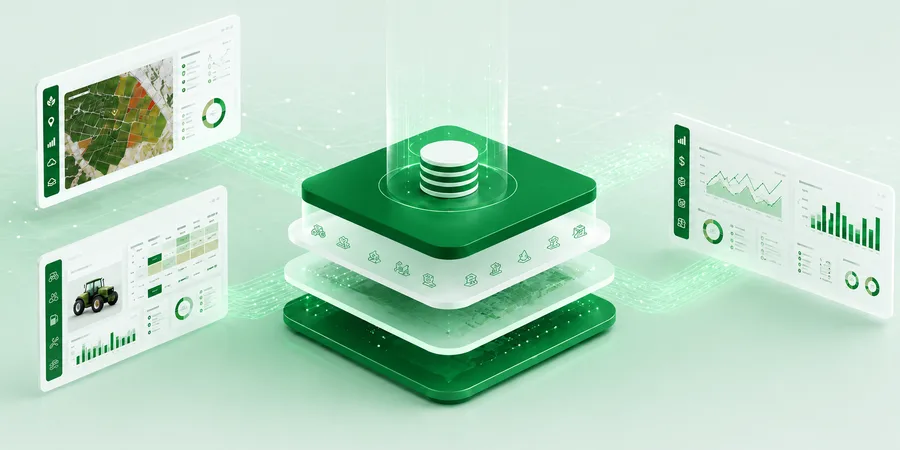
Key Takeaways – Shared Operating Record Farm Management FMS A shared operating record farm management platform holds field, agronomy, and cost data in one record, with a dedicated view for agronomy, one for operations, and one for finance. Each pillar sees the same data the moment it changes. When agronomy logs an activity, operations sees Read more The post One Shared Operating Record, Three Vie…
Key Takeaways – AI Agents Farmer Questions Agricultural AI agents farmer questions fall into four categories in order of volume: timing questions, local context questions, decision pressure questions, and product questions. Product questions are the commercial priority but account for the smallest share of question volume. Agents built around product catalogs hit a ceiling by Read more The post A…
Key Takeaways – Knowledge Architecture Agricultural AI Knowledge architecture agricultural AI deployments depend on has overtaken model selection as the primary performance differentiator in 2026. Foundation models have converged. What sits behind them has not. Four layers decide deployment success: the curated knowledge base, regional context, the field signal layer, and brand alignment. All fou…
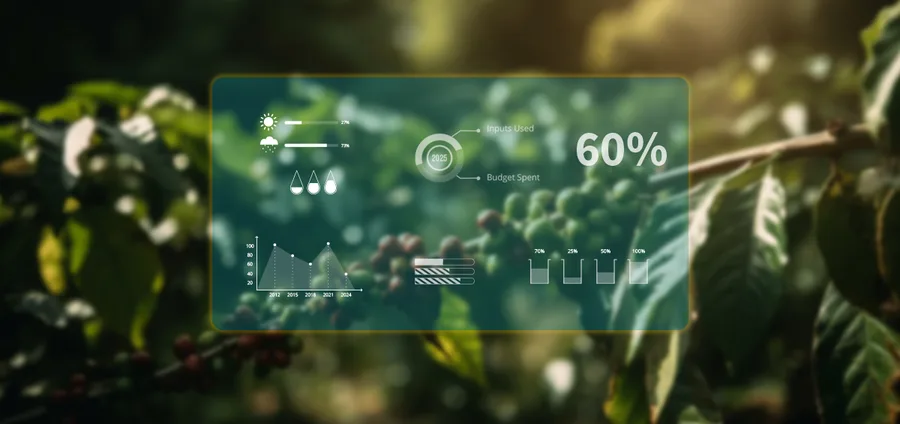
Key Takeaways – Mid-Season Input Reallocation Mid-season input reallocation becomes unavoidable on most enterprise specialty crop farms well before the season ends, once the field has diverged from the seasonal plan in at least one material dimension. Three signals trigger the shift: cost variance beyond threshold, agronomic divergence from expected growth curve, and input price Read more The pos…
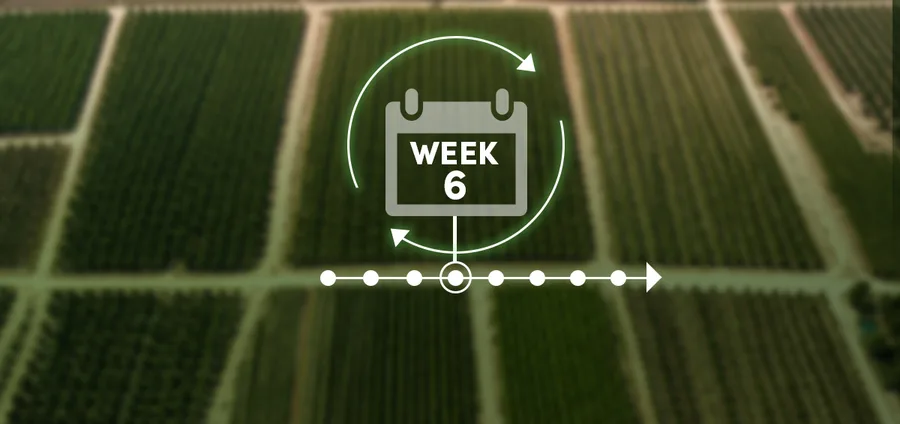
Key Takeaways – Operating Cadence Specialty Crop The operating cadence specialty crop farms actually run on is weekly, not the monthly cycle most farm management reporting is designed for. The decisions that protect in-season margin (spray timing, labor reallocation, input ordering) move on a 48-hour window, not a 30-day one. When agronomy, operations, and finance Read more The post Operating Cad…
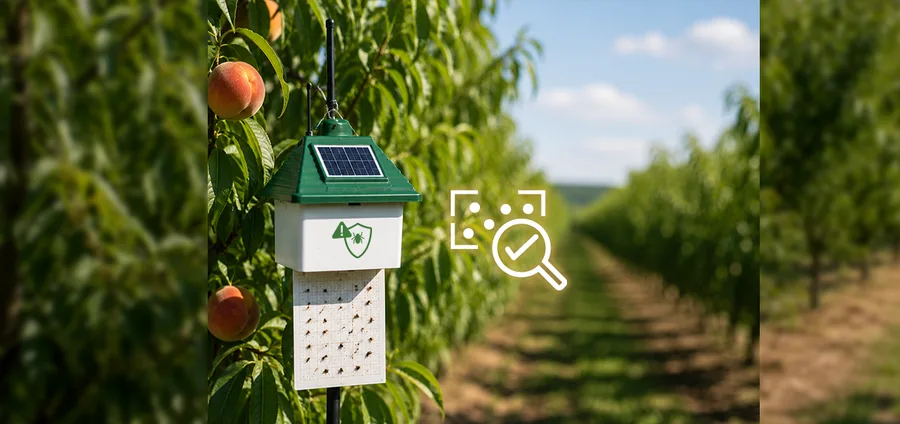
Key Takeaways – Pest Trap Detection Timing Pest trap detection timing in Mediterranean specialty crops decides whether a pest pressure event requires one spray or three. Pest populations in medfly, codling moth, and oriental fruit moth follow a 3 to 7 day exponential growth curve under warm conditions. Detection on day 3 allows precise, narrow-spectrum Read more The post Pest Trap Detection Timin…
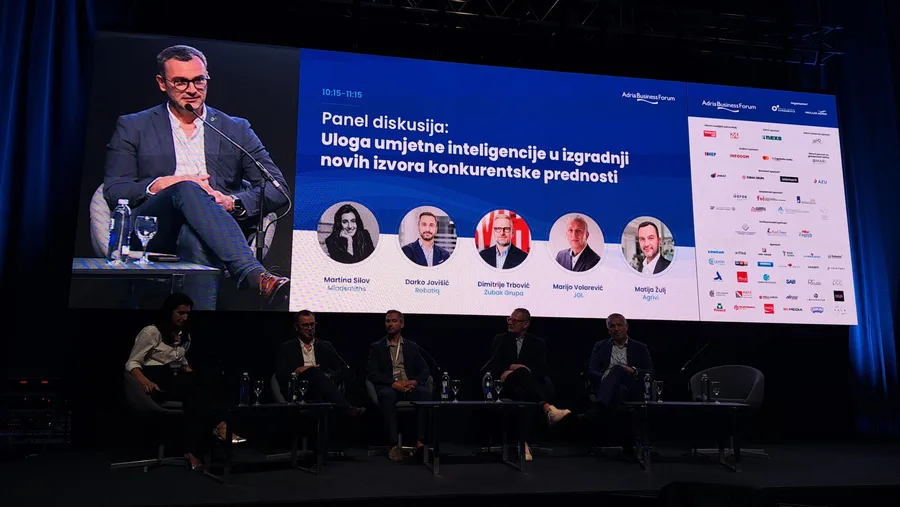
Key Takeaways – AI Competitive Advantage At Adria Business Forum 2026 in Zagreb, AGRIVI CEO Matija Zulj represented the agri-food technology sector in a panel on artificial intelligence and competitive advantage alongside leaders from pharma, automotive, AI platforms, and industrial robotics. Later that day, 2024 Nobel laureate James A. Robinson spoke on why nations fail Read more The post Why AI…
Key Takeaways – Coffee Value Chain Data Coffee value chain data infrastructure is consolidating around verified agronomic knowledge, not around AI model quality.Input companies that build local-language content with structured knowledge bases reach more coffee farmers than those using general models. Three shifts in the last 18 months: local-language AI advisory scaling in Colombia and Read more …
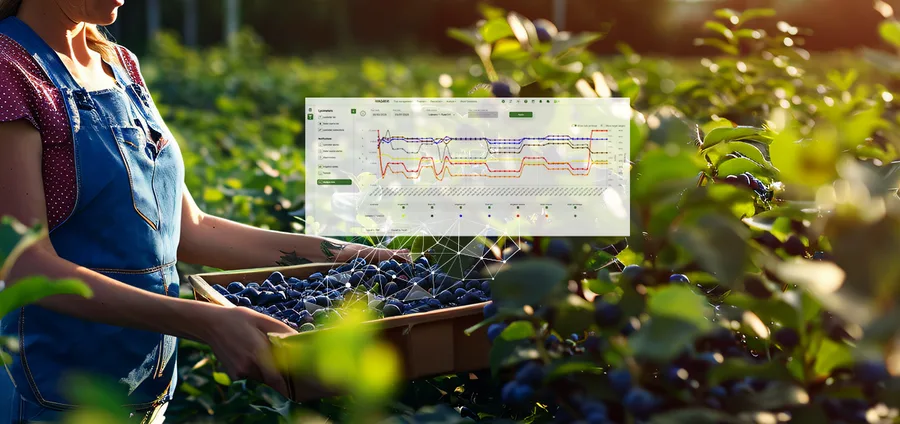
Key Takeaways – Specialty Crop Farm Management Specialty crop farm management requires block-level data visibility to handle the complexity of multi-variety operations across hundreds of blocks. The shift from farm-level to block-level data visibility is the single most impactful operational change a large specialty crop operation can make. Block-level data changes four areas: planning by Read mo…
Key Takeaways – an AI Advisory Program for Agriculture An AI advisory program for agriculture gives agri-input companies a scalable way to reach every farmer with personalized agronomic advice. A well-built program combines five components: agronomic knowledge base, personalization engine, brand alignment, lead detection, and engagement analytics. The first year follows four phases: setup (months…
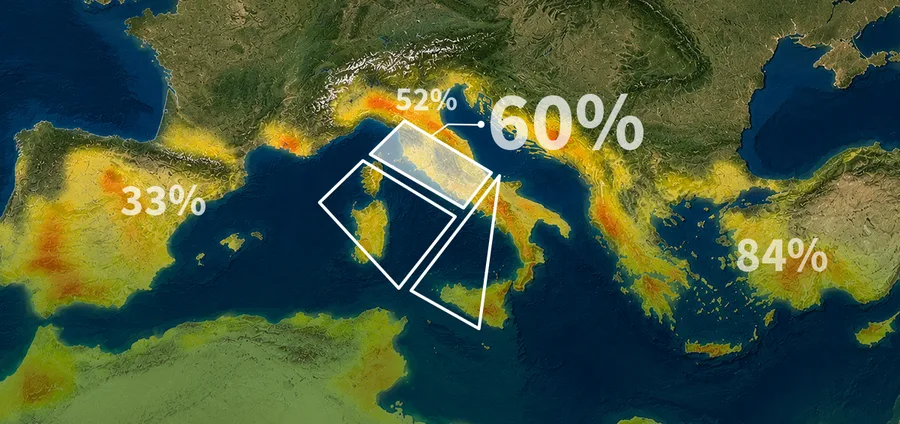
Key Takeaways Specialty crop water management in Mediterranean climates is shifting under 2026 drought pressure from scheduled irrigation to data-driven block-level decisions. Farm managers who see water status per block daily are making mid-season adjustments. Those relying on weekly manual checks cannot. The European Drought Observatory reported below-average soil moisture across Southern Europ…
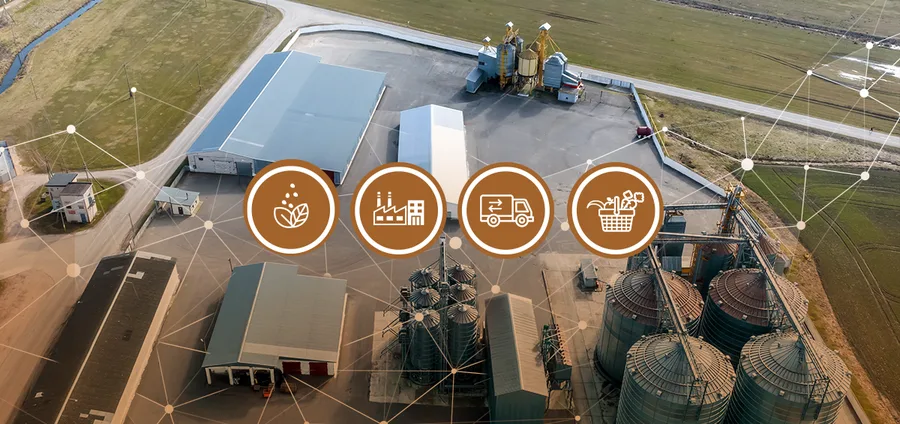
CSRD compliance food companies must collect a type of data that most organisations have never systematically tracked: farm-level environmental and operational information from their agricultural supply chain. The EU Corporate Sustainability Reporting Directive does not just ask what happens inside your facilities. It also asks what happens at the farms you source from. For CSRD Read more The post…
Farm financial management on large specialty crop operations typically involves two systems that never fully agree with each other: the agronomic platform, where field activities are planned and tracked, and the accounting software, where costs are allocated and reported. The farm manager works in one. The CFO works in the other. At the end of Read more The post Farm Financial Management: Why Ope…
The conversation at EIC Summit 2026 in Brussels delivered a sharper message than many expected about scaling innovation globally. European innovators do not lack ambition. Furthermore, they do not lack technology. What many lack is the operational discipline to convert funding and breakthrough ideas into international commercial outcomes. Indeed, going global requires more than capital, Read more…
research.io
Sign up to keep scrolling
Create your feed subscriptions, save articles, keep scrolling.









 research.io