If you’ve spent any time in the world of qualitative research, you know it
is gloriously, wonderfully messy. You’re usually swimming in a sea of
interview transcripts, half-annotated PDFs, and those "aha!" moments
scribbled on sticky notes that inevitably fall behind your desk. For a long
time, it felt like our quantitative colleagues had all the flashy tools
while we were left with highligh…
Research methods and skills can make all the difference to student success,
yet they are not always taught explicitly in the classroom. Sage Campus
helps close that gap with scaffolded learning that builds confidence step
by step, equipping learners with the practical skills they need to thrive
in their studies and beyond.
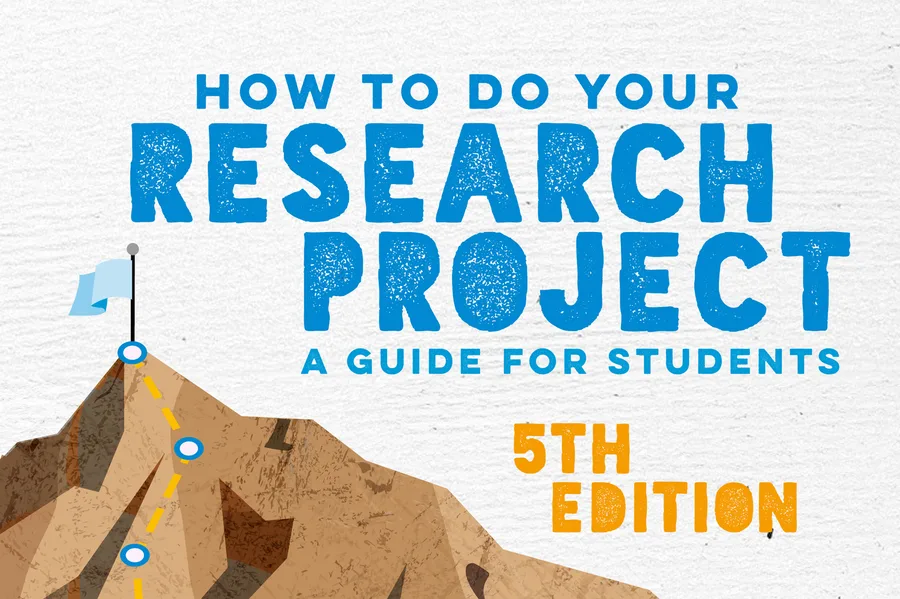
In this engaging guest post, Gary Thomas, author of the How to do Your
Research Project (5th edition) provides students with accessible guidance
on key points to consider when starting a dissertation.
Following up from the launch of Inclusive Research Methodologies, this week
Sage Research Methods expands its resources with another timely launch -
Sage Research Methods Video: Doing Survey Research, a new video collection
supporting learners through every stage of one of the most widely used
research methods.
As research methods continue to evolve, one thing is clear: researchers and
students need practical support they can trust to conduct research
responsibly. This month, Sage Research Methods expands its collection
with two closely timed launches, each addressing a different but equally
important aspect of the research process
As the world of academic publishing continues to expand, authors must be
savvy about where they submit their work. With bad actors attempting to
leverage systemic vulnerabilities, special care must be taken to identify
high-quality publishing outlets.
Beatriz Figueroa, author of Avoiding Plagiarism, explores how plagiarism
has evolved - from copy-and-paste to misrepresentation across text and
GenAI. The new edition reflects this shift, with a modern rethink focused
on ownership, attribution and trust.
A persistent challenge in qualitative research is synthesis. When you are
working with large volumes of text (interviews, field reports, narrative
accounts) across multiple countries and time periods, how do you move
systematically from individual accounts to broader patterns? And how do you
do so without flattening the complexity that makes qualitative data
valuable in the first place?
Thi…
Two defining directions shaping emerging trends in research methods are the
rapid incorporation of digital research methods and the growing emphasis on
inclusive research methodologies. The first accelerated during the COVID-19
pandemic, and the second reflects a longstanding effort to diversify
perspectives, challenge dominant paradigms, and enable participation from
marginalised communitie…
The Sage Research Methods editorial team is pleased to announce that we are
now accepting proposals for our next collection, Using AI for Research.
This collection will provide social and behavioural science researchers and
students with urgently needed clear, critical, practical guidance for using
AI across the research lifecycle.
In the next few weeks and months, students will be completing final year
research projects as part of their degree programme. For many, this is a
highly weighted assessment and the longest piece of academic writing they
have undertaken to date. These projects are not only substantial in length;
they are also deeply personal. As a result, the final stages of the
research process are often acc…
We are proud to announce that the Research Integrity Collection is now
complete! In our recent webinar, we explored the value, purpose practical
implementation of the collection to serve your entire research community.
Sage Research Methods continues to evolve to meet the changing needs of
researchers, educators, and students worldwide. We’re pleased to share that
our latest updates are now live, bringing fresh resources, new
perspectives, and expanded methodological coverage across the resource.
Sage Research Methods continues to evolve to meet the changing needs of
researchers, educators, and students worldwide. We’re pleased to share that
our latest updates are now live, bringing fresh resources, new
perspectives, and expanded methodological coverage across the resource.
These updates are designed to help users stay current, work more
inclusively and ethically, and confidently nav…
You are teaching a methods course in Politics and International Relations.
Perhaps it is a course that has ‘research methods’ in the title. Perhaps
the final assignment for your course is a research project. Perhaps you are
convening a dissertation module. What challenges do you expect?
Looking for fresh ways to enrich your methods curriculum? Dive into Sage’s
new Research Methods Resources Hub for free resources that harness insights
from our leading authors, and introduce strategies to improve research
teaching, learning and practice.
Professor Matthew Campbell explores how research integrity is shaped
through everyday leadership decisions and highlights three key leadership
levers that strengthen and influence research culture.
To mark International Mentorship Month, Audrey J. Murrell, Ph.D. — lead
advisor of the Epigeum’s upcoming ‘Mastering Mentoring’ program — explores
the impact of mentoring and how intentional, well‑supported approaches can
be beneficial for learning.
In this guest post, Kyra van Weenen, Commissioning Editor for Sage Research
Methods explores the unique concept behind Sage’s flagship Research Methods
Case Studies, and how they support researchers and students in conducting
their own research.
You’ve probably heard it before: “Never cite Wikipedia in your research
paper.” And it’s good advice. But maybe you haven’t heard about how using
Wikipedia (especially its citations) actually strengthens your work and
even helps others discover it later. And this post is all about that!
research.io
Sign up to keep scrolling
Create your feed subscriptions, save articles, keep scrolling.













 research.io