Polymer Innovation Blog
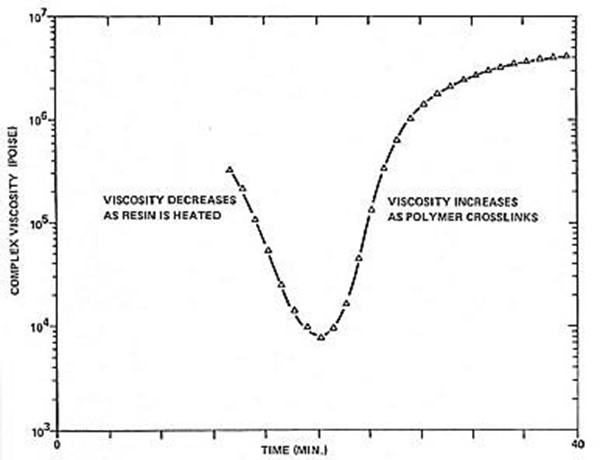
Non-Isothermal Curing During many thermoset processing steps (and in this example, lamination of a B-staged (partially cured) prepreg, a non-isothermal temperature ramp is used in the process. The viscosity profile for the B-staged prepreg at a heating rate of 10°C/minute to a cure temperature of 175°C is shown in Figure 1. Figure 1. Viscosity as a function of time for a non-isothermal heating ra…
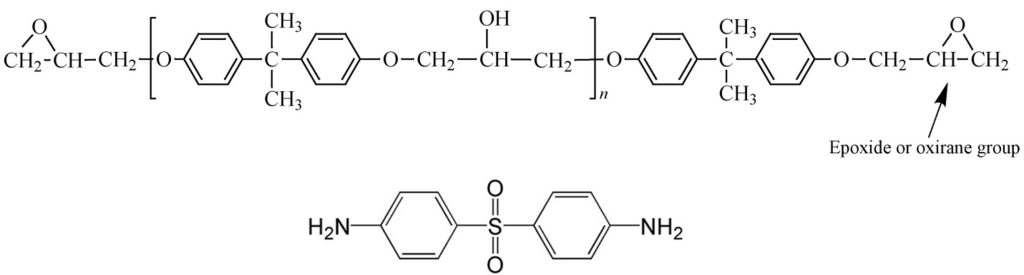
In the previous posts, the basics of dielectric analysis was presented. Part Three of this series will demonstrate the relationships between dielectric data during isothermal curing. First, let’s examine the isothermal during process. A nice example is the work of Bidstrup, Sheppard and Senturia at MIT in 1989 [1]. They examined the isothermal curing of DGEBA and DDS: - DGEBA (diglycidyl ether of…
Part two of this series will cover the basics of curing monitoring using dielectric spectroscopy. For cure monitoring, we are going to focus on the dielectric loss factor. The dielectric loss factor is given by: From the above relationship, one observes the dielectric loss factor is comprised of two components: one from ionic conductivity and one from the contributions from the dipoles. The main …
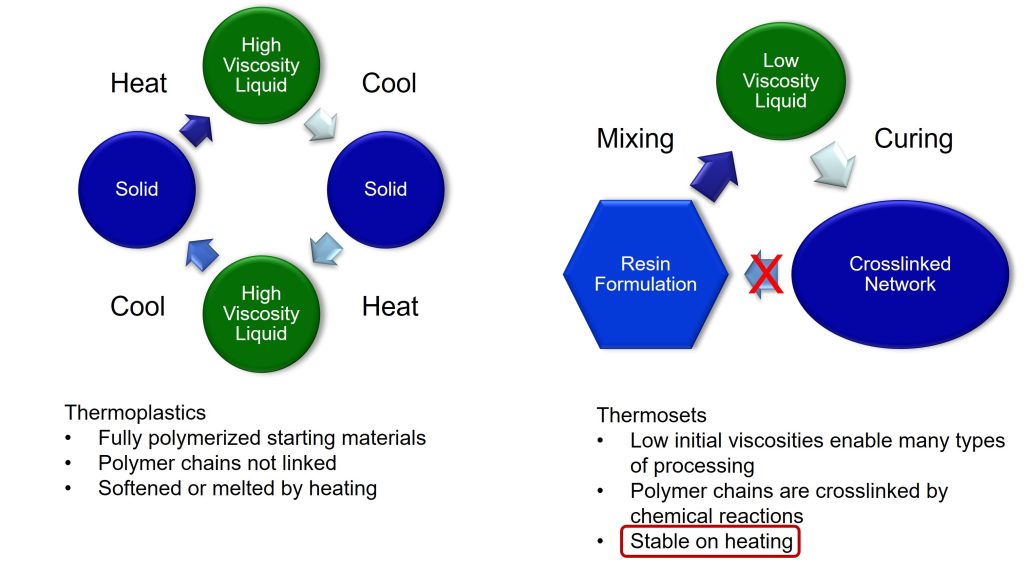
Thermosets derive their usefulness from the ability to start as a low viscosity resin formulation and through a curing process via well-defined chemical pathways transform into a highly crosslinked network. The final properties of the crosslinked networks such as the glass transition temperature (Tg) and the moduli can be tailored via the choice of monomers and curing agents (i.e., the resin form…
Webinar Date: Tuesday December 16, 2025 Webinar Time: 1:00 PM EST Registration Link: https://ctherm.com/resources/webinars/advanced-polymer-composites-electronics-packaging/ Abstract: Composites using advanced polymers and reinforcements are a key enabler in the field of electronics packaging. Specifically, thermoset polymers are used extensively to “package” electronic components. An electronic …
On Veterans Day Tuesday November 11, 2025 , we honor all those who served our country past and present. I’d like to take this moment to honor my late father, Captain Douglas E. Gotro, US Army, Korean War veteran. My mother was presented the flag at my dad’s military funeral. When she passed, as is tradition, the eldest child receives the flag. Being the oldest of his four children, after her fune…
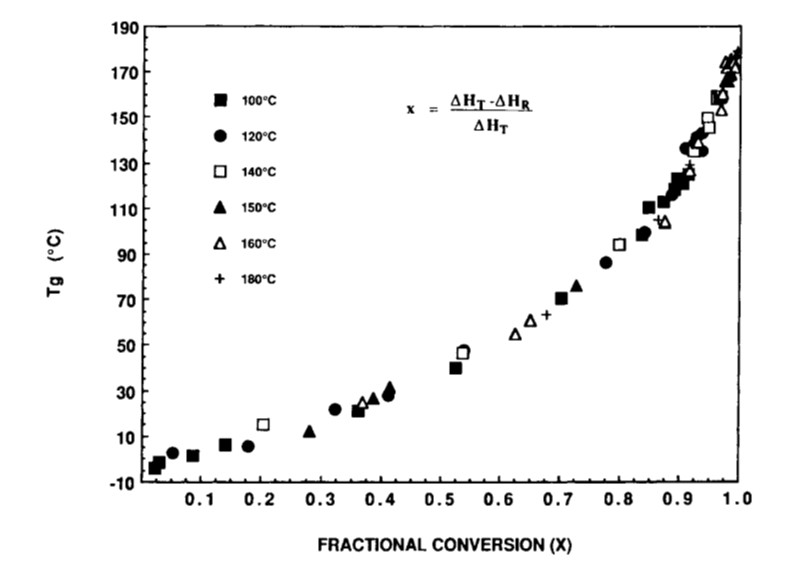
This post will further explore multiple studies that have demonstrated the universal nature of the Tg-conversion relationship. The seminal paper by Professor John Gillham and his Ph.D. students was published in 1990 that very clearly articulated the concept of how the fractional conversion impacts the glass transition temperature during curing as shown in Figure 1. Figure 1. Tg is plotted as a fu…
While working on these posts and my book on “Thermosets,” I was going back through the literature related to the relationship of Tg and conversion and found a couple of book chapters I wrote back in 1990 [1 ,2]. As discussed in the previous two posts, in the late 1980’s there was considerable research in […] The post The Impact of Conversion on the Glass Transition Temperature – Part Three: Mo…
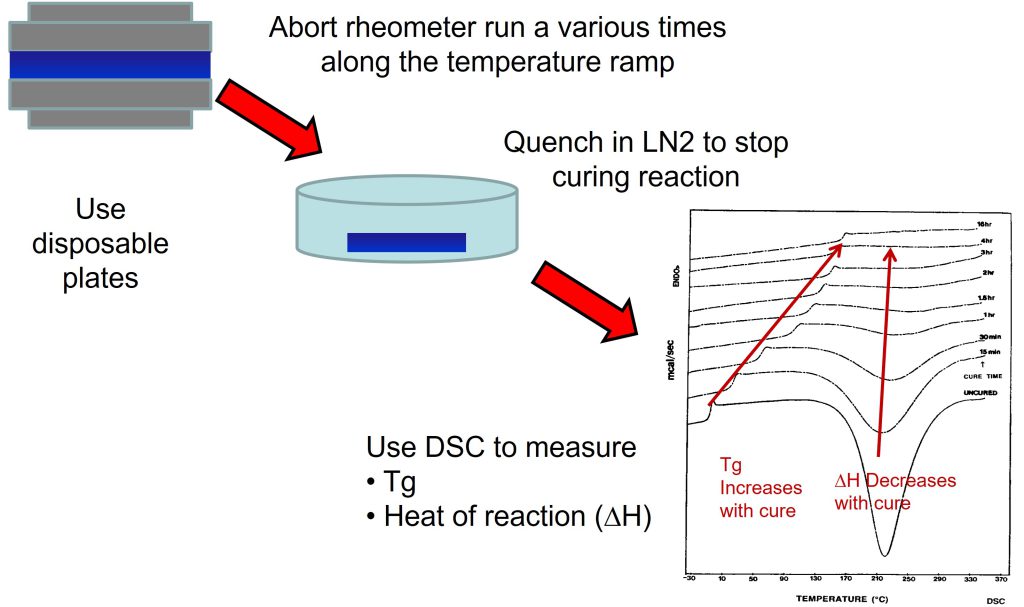
The first post in this series showed the importance of the glass transition temperature (Tg) versus fractional conversion to correlate the development of Tg as a function of thermoset curing. One relatively easy and straightforward method to build the Tg-conversion plot is to use differential scanning calorimetry (DSC). The first task is to determine the […] The post The Impact of Conversion on …
Over the years it has become apparent that an often mis-understood concept is how the fractional conversion (or percent conversion) plays a large role in the development of the glass transition temperature (Tg) during curing. The question is why? For many reasons it is important to keep current on scientific literature in your field. But […] The post The Impact of Conversion on the Glass Trans…
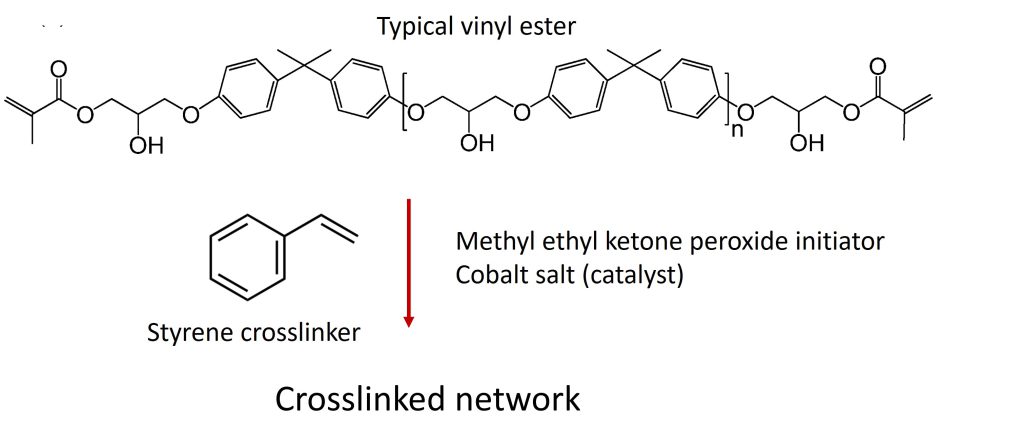
The next few posts will discuss other types of thermosetting polymers including vinyl esters, unsaturated polyesters, and polyurethanes. Vinyl esters are a class of thermosetting polymers that have properties intermediate between unsaturated polyester and epoxy. Vinyl esters are cured in a similar manner to unsaturated polyester in that the vinyl esters are combined with styrenic […] The post The…
Seasons Greetings and Best Wishes for a Prosperous New Year! Thank you to all my regular blog readers. In the coming year we will have some additional posts on polymer coatings, low Df dielectrics, and cover some new polymer developments in advanced packaging of electronics. Have a safe and relaxing holiday season. The post Seasons Greetings and Happy Holidays appeared first on Polymer Innovati…
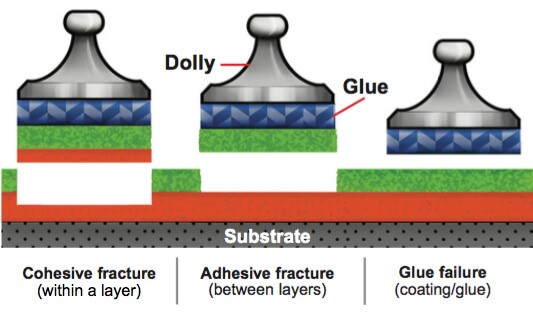
Guest blog post by Jeremy Pasatta, Advanced Polymer Coatings Adhesion testing is a critical process in evaluating the performance of coatings, ensuring that they can withstand both environmental and mechanical stress. Poor adhesion can lead to premature coating failure, reducing the lifespan of a product or structure. To prevent such issues, various methods are used […] The post Organic Coatings …
To all of my readers have a safe and relaxing Thanksgiving Holiday with friends and family. The post Happy Thanksgiving appeared first on Polymer Innovation Blog .
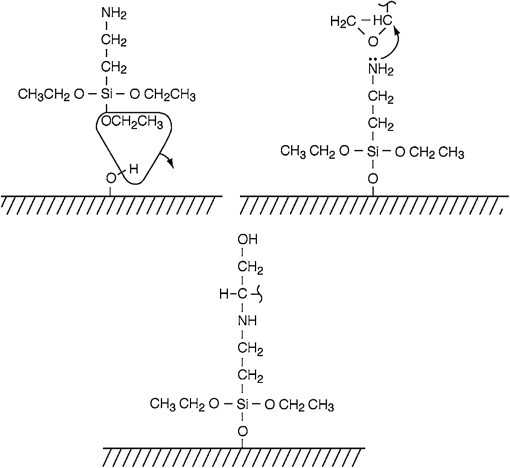
Guest blog post by Jeremy Pasatta, Advanced Polymer Coatings High performance thermoset coatings are used in a variety of applications, from marine to protective and industrial applications. One of the key components for success of these coatings is adhesion to a variety of substrates, which is facilitated using adhesion promoters. These specialized chemicals play a […] The post Organic Coatings …
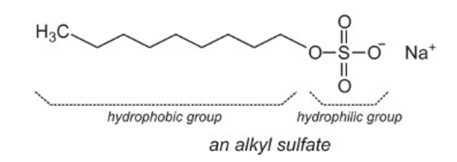
Guest blog post by Jeremy Pasatta, Advanced Polymer Coatings In industrial protective and marine coatings, having a smooth uniform finish is critical to performance attributes such as corrosion protection, discharge of viscous cargoes and cleanability for internal coatings. One crucial component in ensuring this is the use of wetting agents. These additives play a vital […] The post Organic Coati…
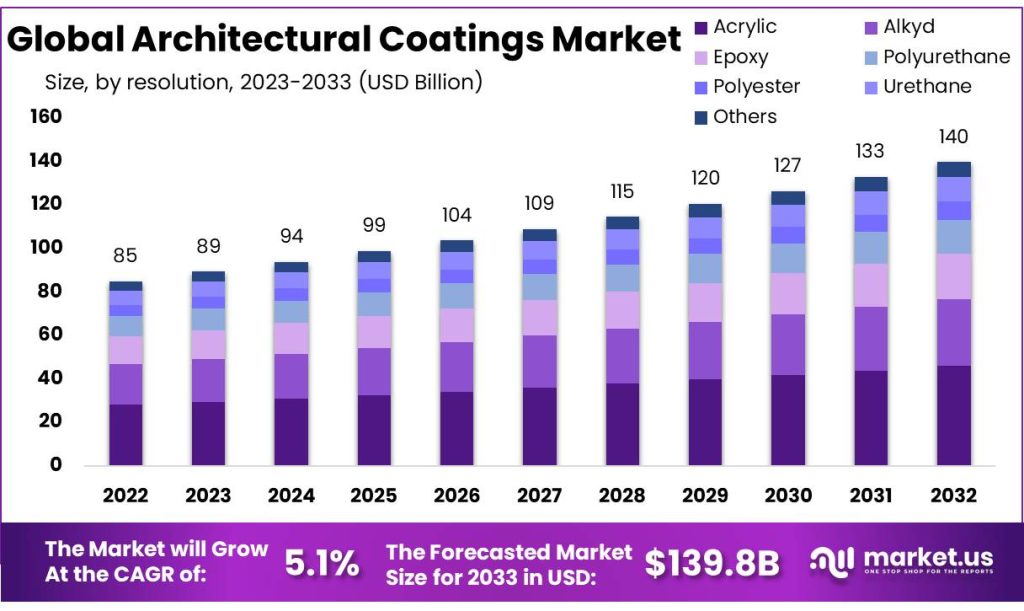
Guest post by Jeremy Pasatta, Advanced Polymer Coatings When it comes to high-quality coatings, whether they’re for industrial applications, consumer products, or architectural finishes, one issue that can significantly impact performance and appearance is foam. Foaming in coatings can lead to defects like poor surface finish, inconsistent application, and compromised durability. The foam can be …
research.ioSign up to keep scrolling
Create your feed subscriptions, save articles, keep scrolling.