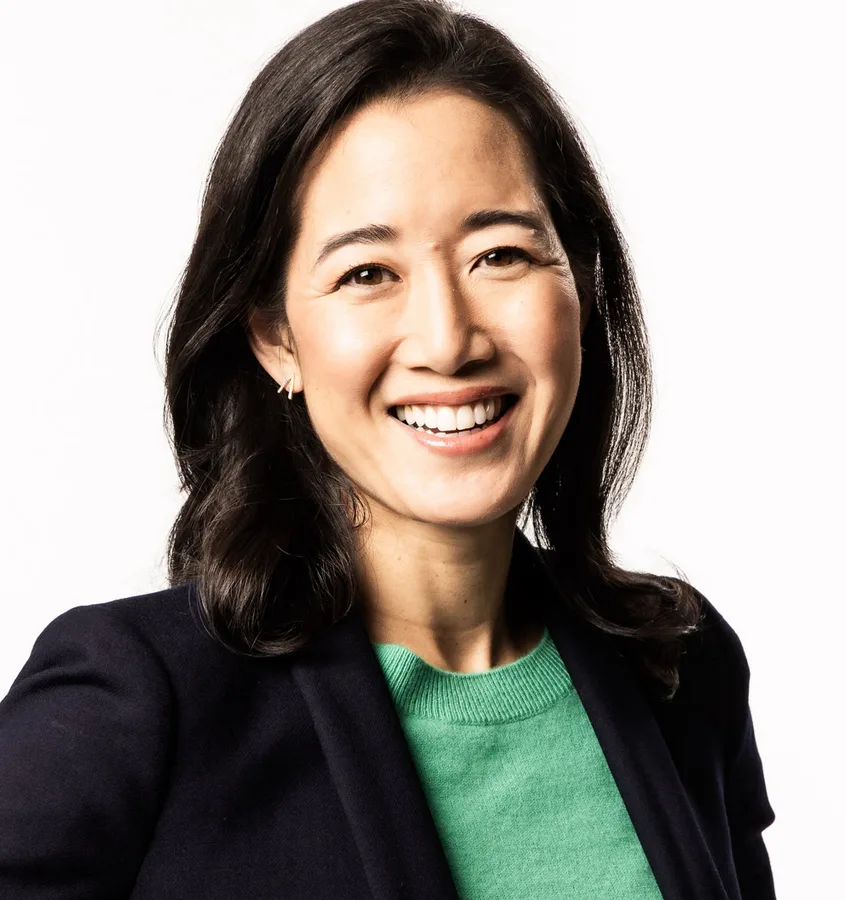
Columbia Climate School is thrilled to announce that Melanie Nakagawa, Chief Sustainability Officer at Microsoft, will deliver the keynote address at the Climate School’s Class Day ceremony.
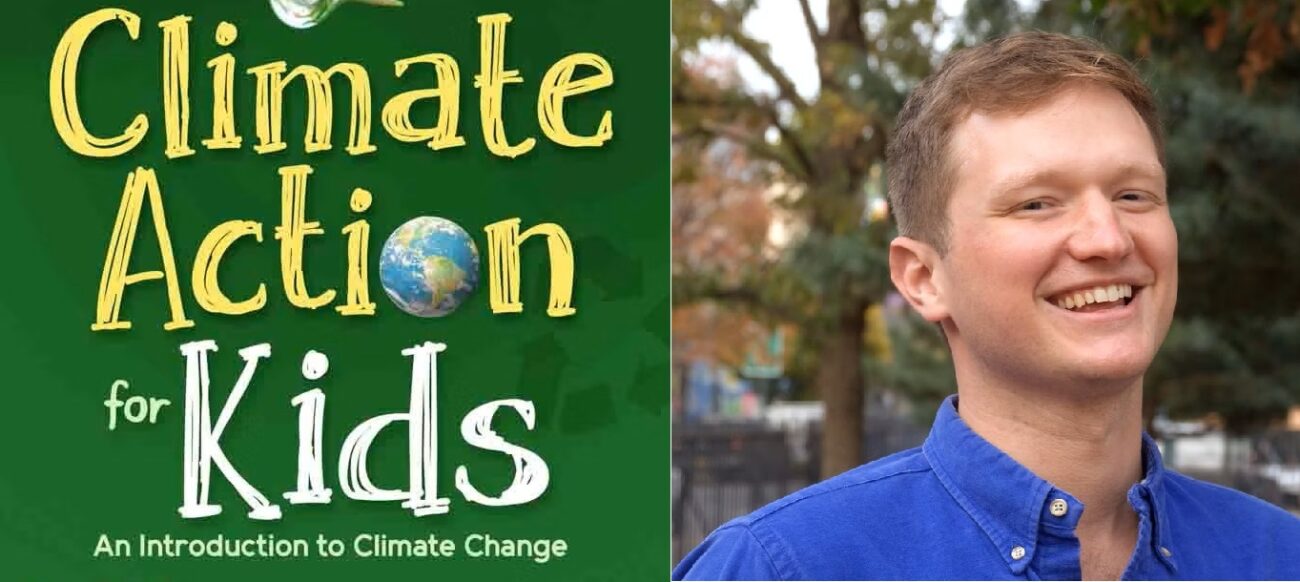
Ian Hunt first heard about climate change when he was in sixth grade. Sitting in science class, learning about melting sea ice, he asked his teacher what was being done to stop it. “Scientists are working on it,” she replied, a response that felt insufficient, like too few people were taking responsibility for something so big. “It felt like a loss,” Hunt said.
That unease stayed with Hunt, who g…
Federal agencies took a major step on microplastics this week. The U.S. Environmental Protection Agency designated them as an emerging priority for future drinking water oversight, and the Department of Health and Human Services launched a nationwide research initiative to detect and remove microplastics from the human body.
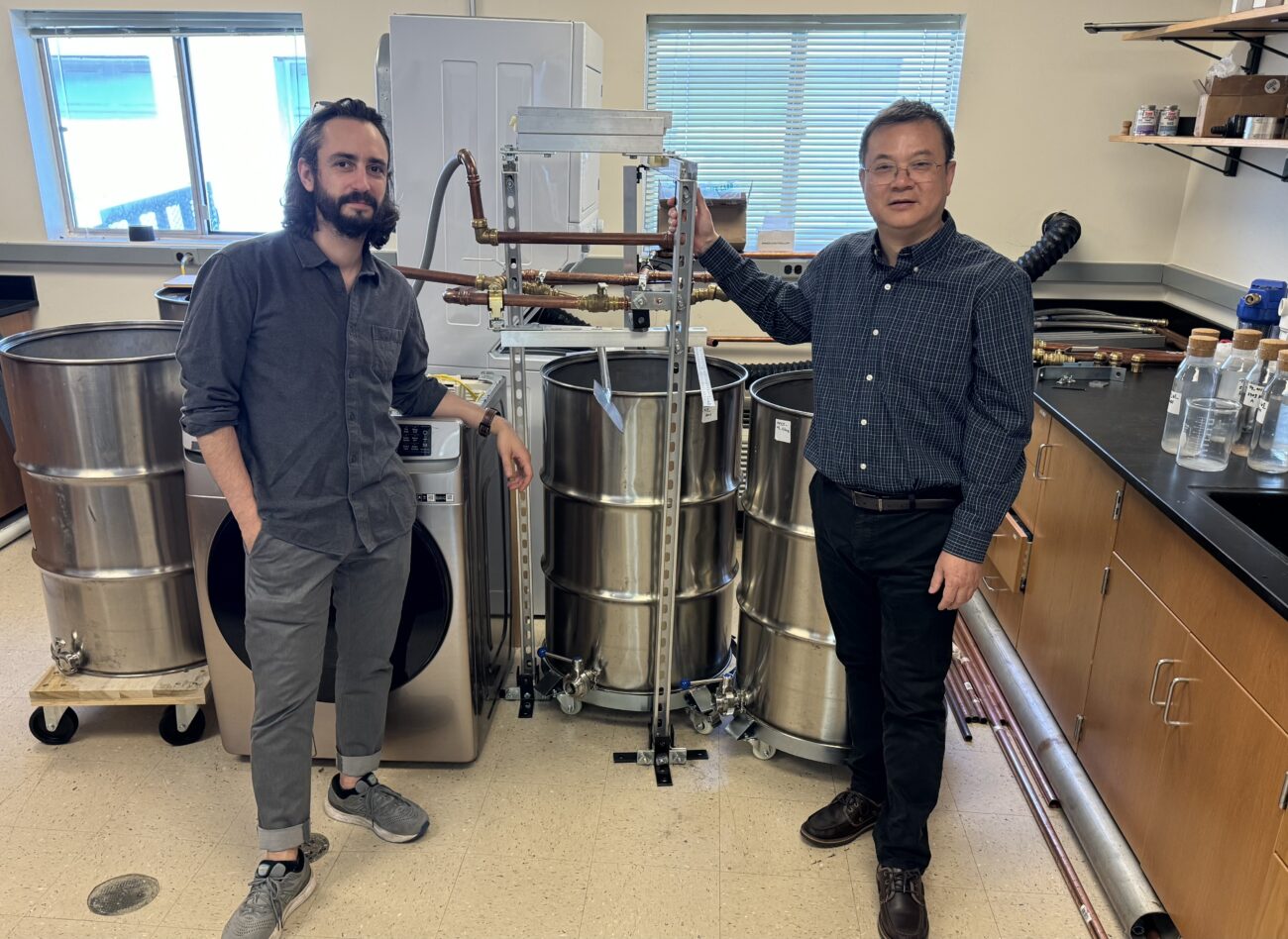
One major source of that pollution is easy to overlook: on any given day…
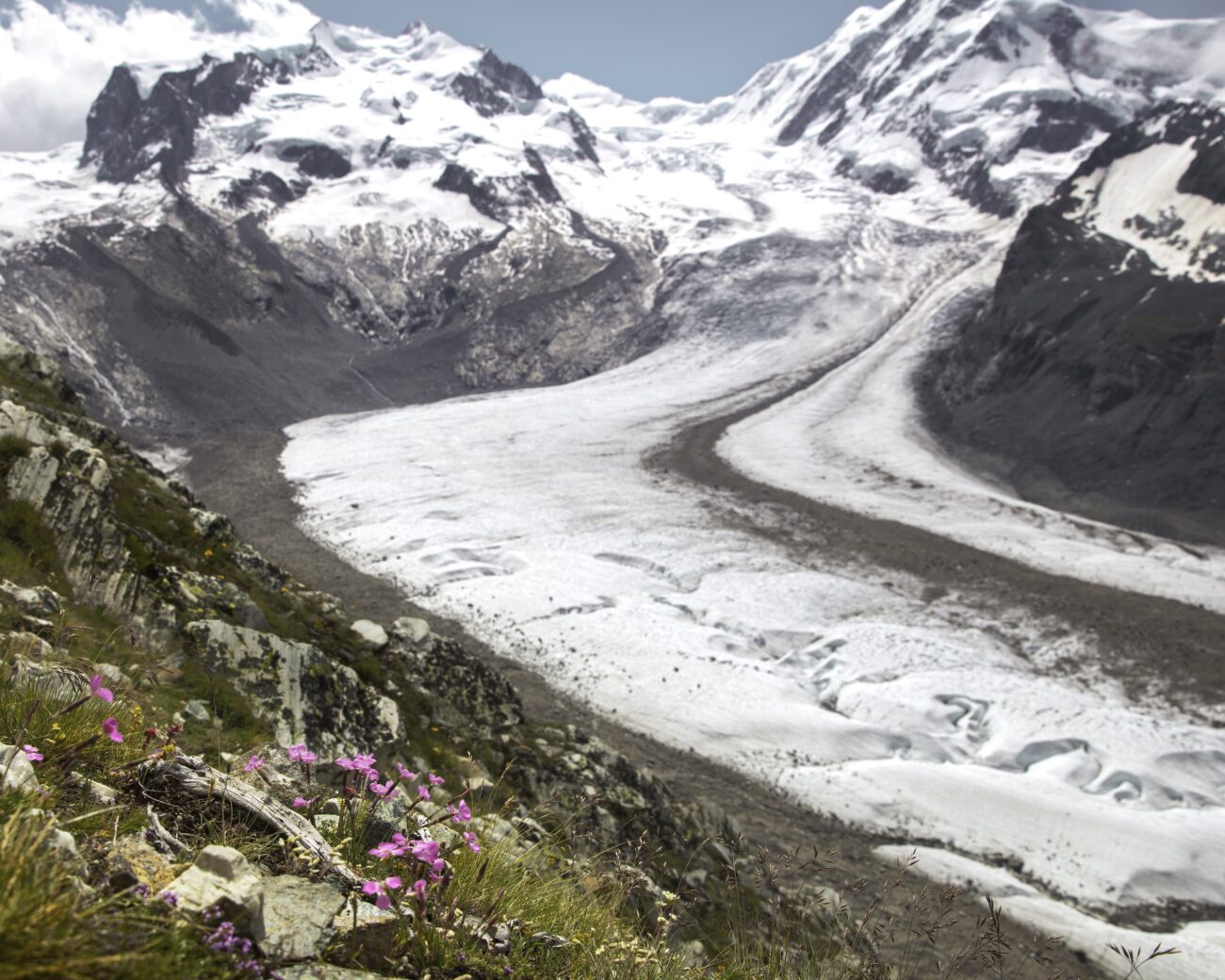
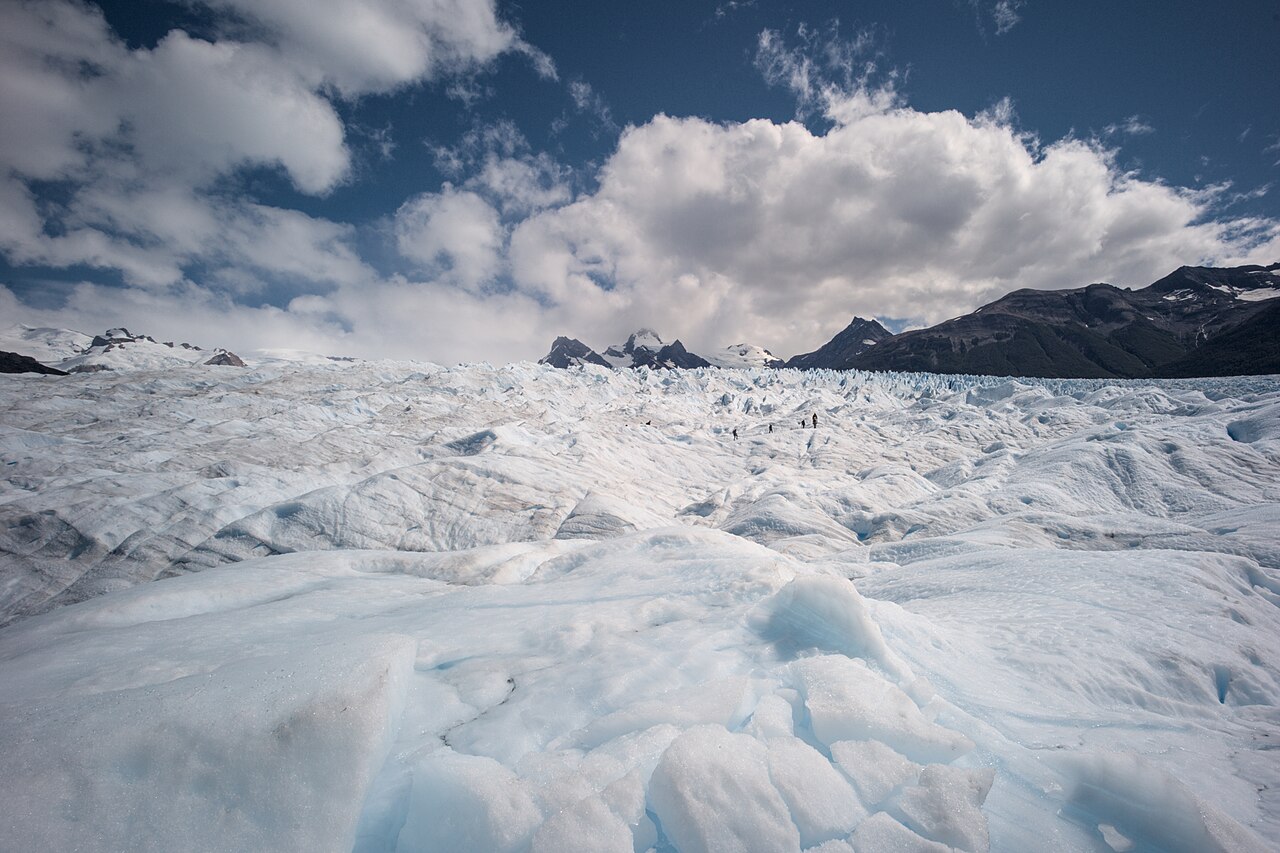
Argentina’s President Javier Milei has taken steps to reform the country’s existing glacier protection law. In December, he sent a bill to the National Congress of Argentina that loosens environmental protections and opens the door for further mining and industrial activity in glacial and periglacial landscapes. On February 26, 2026, the Argentine Senate approved the bill, with 40 votes in favor,…
Highlights
- Lamont-Doherty and MIT researchers found that warming could slightly increase the atmosphere’s supply of hydroxyl radicals, key molecules that help break down methane.
- While higher water vapor boosts these radicals, rising emissions from trees and other plants work in the opposite direction, making the overall effect more complex.
- Hydroxyl radicals also help remove ozone and othe…
Since 1970, April 22 has served as a global call for climate action and an annual reminder of the urgency of protecting our planet. This Earth Day’s theme is “Our Power, Our Planet,” which underscores the role we all have to play as climate advocates and stewards of our environment, despite changing political administrations and institutional limitations. It also denotes the many powerful, and re…
It took Singapore less than 60 years to transform from a colonial port into one of the world’s fastest growing and most technologically advanced city-states, a feat with few parallels in modern history. But sitting at the southern tip of the Malay Peninsula, Singapore also finds itself in the middle of rising seas, intensifying heat and erratic rainfall. As a regional hub for finance, technology …
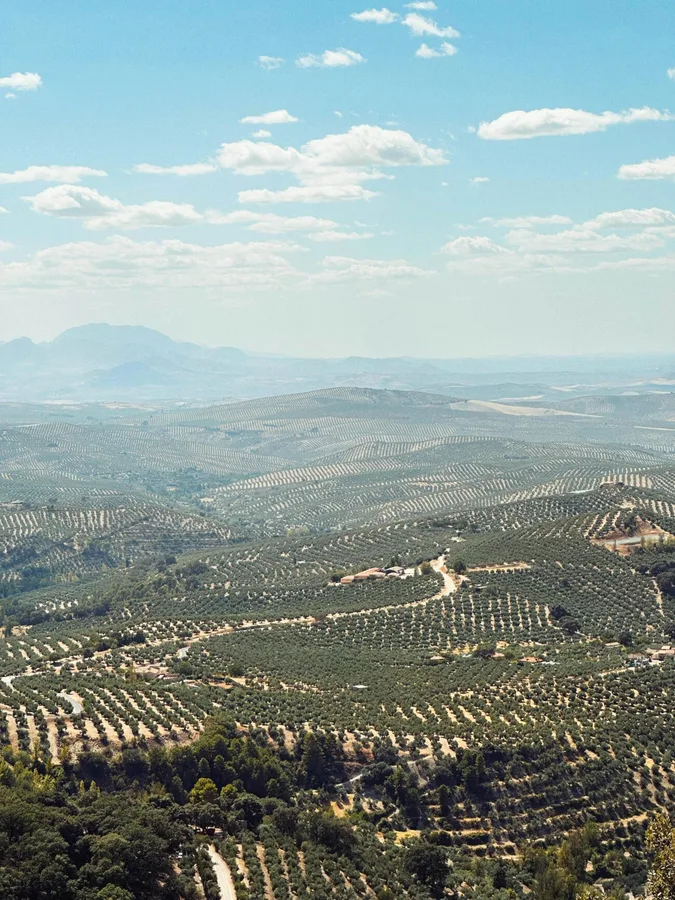
The last four years have been challenging for Daniel Danés and his family’s 100-year-old olive groves in Jaén, Spain. Between prolonged droughts, extreme heat and unpredictable rainfall, Danés has watched prices fluctuate dramatically as weather whiplash impacts olive yields.
“Olive oil depends a lot on weather,” said Danés, who is the founder of Titin, a U.S.-based company that imports and sells…
Growing up across six different countries, Allison Karabu learned early what it means to show up for others. “I don’t recall ever going to somebody’s house without bringing groceries,” Karabu, a student in the M.S. in Climate program at the Columbia Climate School, told State of the Planet. For her, lessons about community resilience began with her mom. “I watched my mom and the attitude she take…
Highlights
A new study, led by researchers at Columbia University and Woods Hole Oceanographic Institution (WHOI), identifies a diverse set of molecules released by marine phytoplankton that fuel microbial life and help drive Earth’s carbon cycle. While scientists know that carbon is moved through an invisible network of phytoplankton and other microbes in the surface ocean, the specific compound…
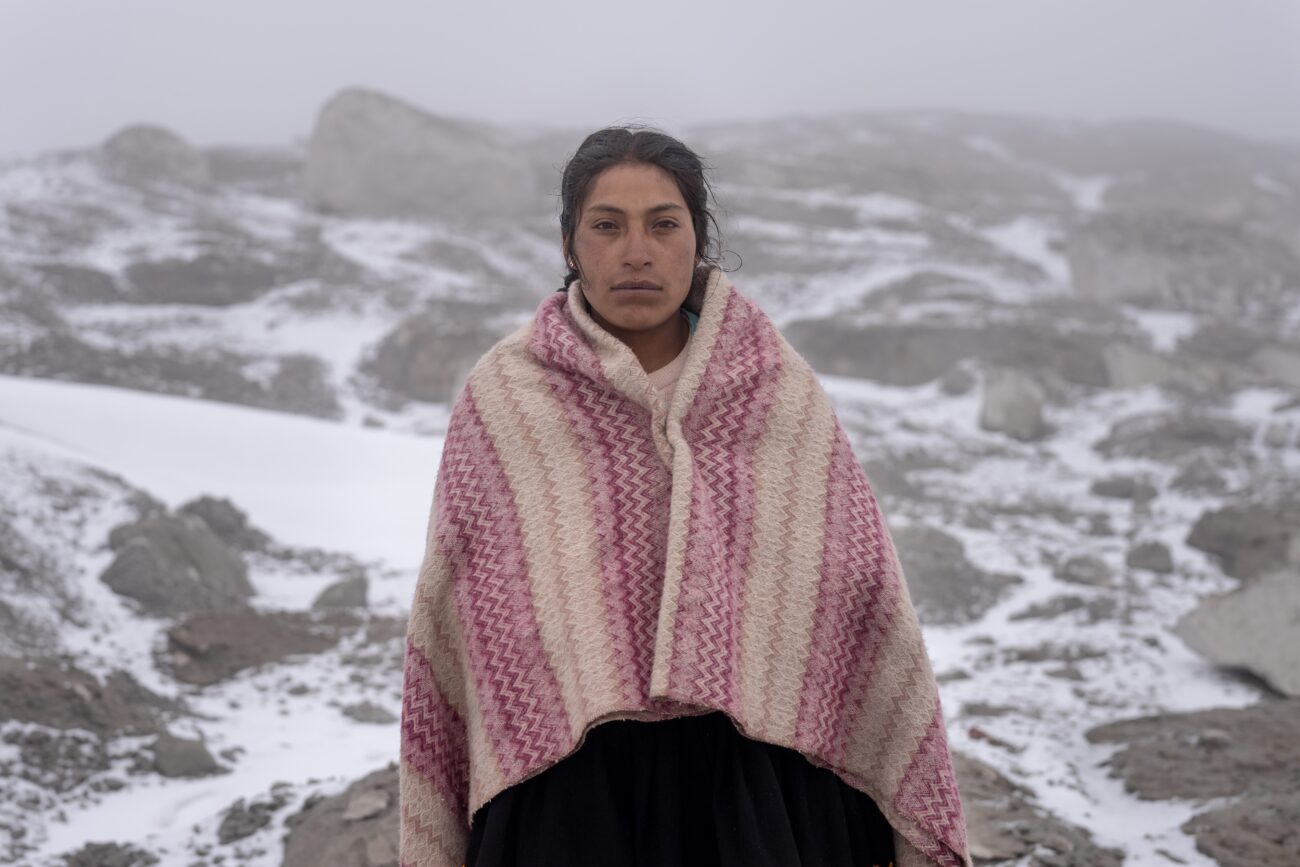
Nestled at the foot of the largest tropical glacier in the world, the high-mountain community of Phinaya in the Peruvian Andes depends on the glacier’s flow for its residents’ livelihoods. The water from that glacier, the Quelccaya ice cap, sustains the alpaca herders, their families and the herds. But in the last 40 years, the Quelccaya ice cap has lost 37 percent of its total area. A study sugg…
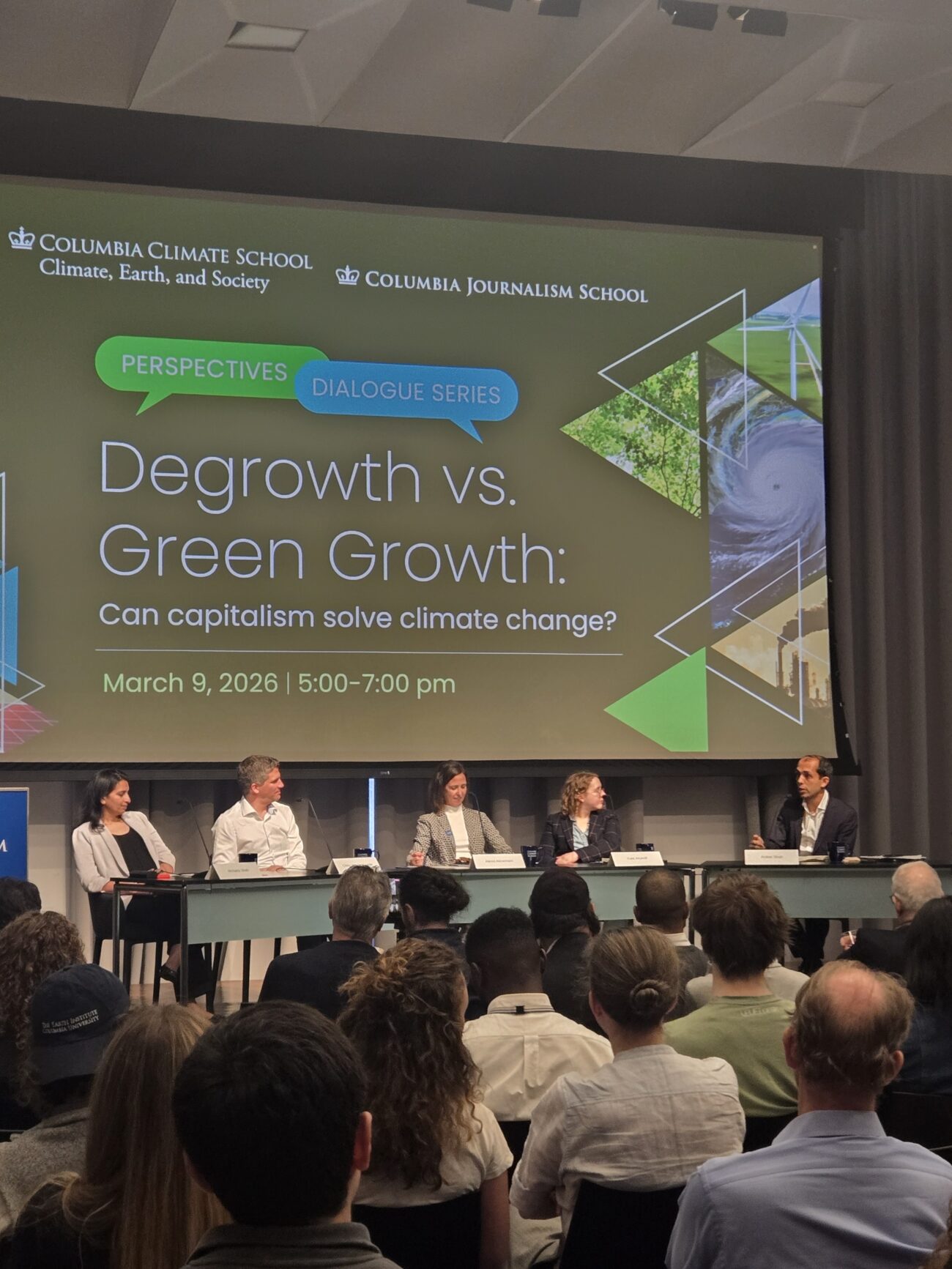
The inaugural Perspectives Dialogue Series event brought together prominent thinkers with diverse perspectives on capitalism and the role it could play in solving climate change.
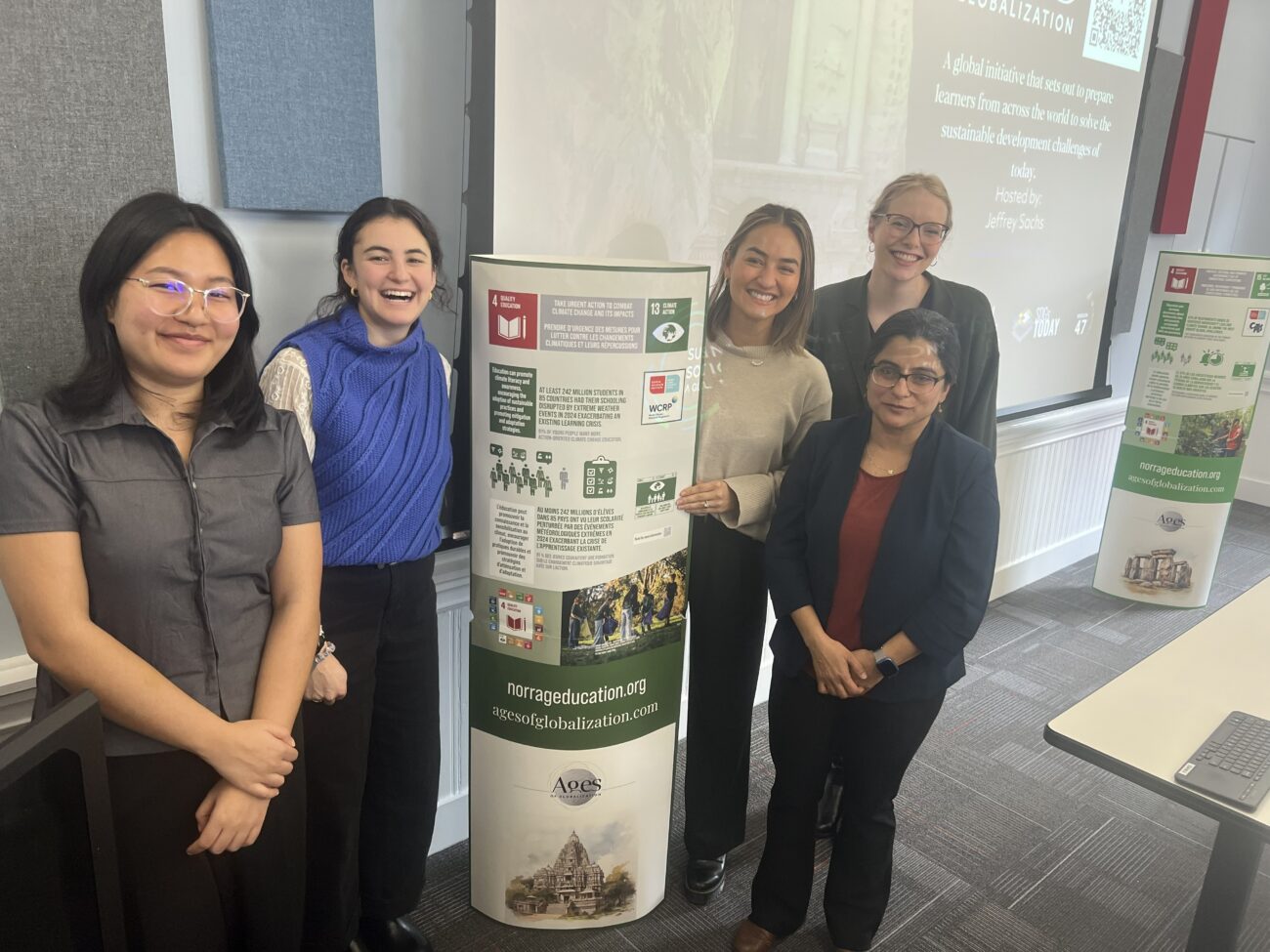
The NYC Mid-Winter Climate Institute brought together K-12 educators to identify meaningful entry points for climate education lessons in their classrooms and beyond.

 research.io