


On July 9, 2026, a spectator examined TuringQ’s Gen2 large-scale hybrid integrated photonic quantum computer at the HIECO 2026 Intelligent Computing Application Conference in Zhengzhou, Henan Province; now, the Shanghai-based firm is seeking to become China’s first publicly listed quantum computing company. TuringQ entered IPO tutoring with the Shanghai branch of the China Securities Regulatory Commission on Wednesday, with Guotai Haitong Securities sponsoring the offering. An industry expert stated that the company’s move “reflects the quantum computing sector’s growing interest in capital markets and a gradual shift from research and early-stage financing toward commercialization,” despite the industry remaining in its early stages. TuringQ’s IPO Filing Signals Quantum Sector Commercialization This move signals a significant shift within the sector, moving beyond foundational research and early-stage funding toward demonstrable commercial viability, even as the industry remains in its nascent stages. The company’s filing reveals registered capital of 1.92 million yuan ($282,000), with Jin Xianmin designated as its legal representative and Shanghai Siliang Quantum Technology Co holding a 34.10 percent stake. Guotai Haitong Securities is serving as TuringQ’s IPO sponsor, indicating a degree of confidence from financial institutions in the company’s prospects. Founded on February 19, 2021, TuringQ distinguishes itself as one of the first Chinese companies to successfully commercialize both photonic quantum chips and complete quantum computers; its business encompasses the design and manufacture of photonic chips alongside the integration of full quantum computing systems. This focus on photonics represents a divergence from more common approaches like superconducting or trapped-ion systems, offering advantages such as room-temperature operation, scalability, and compatibility with existing optical communication networks, according to multiple media reports. TuringQ...
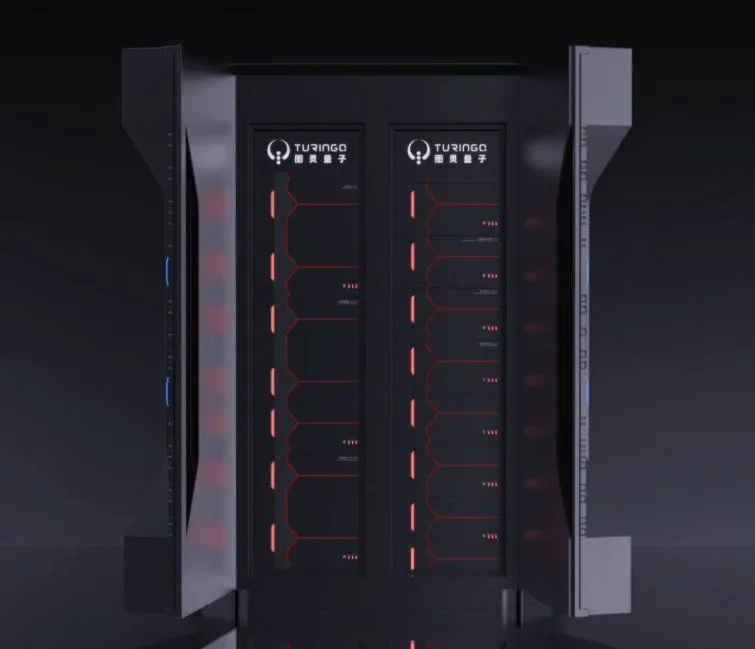
TuringQ files for IPO, a first for Chinese Quantum Computing
Quantum Zeitgeist
3 min read