


Before we dive in, if you're preparing for Java interviews, you may also want to check out my books, Grokking the Java Interview and Grokking the Spring Boot Interview. They cover hundreds of frequently asked interview questions, detailed explanations, interview tips, and practical examples to help you prepare with confidence. As a reader of this blog, you can use the coupon code FRIENDS20 to get 20% off your purchase. And, if you love kindle edition check it here Hello guys, Method overloading and method overriding are two of the most fundamental concepts in Java, yet they are also among the most commonly confused topics for beginners. Both allow you to define methods with the same name, but they serve very different purposes and are resolved at different stages of program execution. Simply put, method overloading lets you create multiple methods with the same name in the same class, provided they have different parameter lists. Method overriding, on the other hand, allows a subclass to provide its own implementation of a method already defined in its parent class. Together, these two features are powerful examples of polymorphism, one of the core principles of object-oriented programming. The biggest difference between them is when Java decides which method to call. Overloaded methods are resolved at compile time using static binding, whereas overridden methods are resolved at runtime using dynamic binding. This distinction has a significant impact on how Java applications behave and is a favorite topic in technical interviews. There are also several important rules to remember. For example, private, static, and final methods cannot be overridden, although they can still be overloaded. Likewise, an overridden method must keep the same method signature as the parent method, while an overloaded method must have a different parameter list. Because of their importance in object-oriented programming, understanding the differences between method overloading and method...
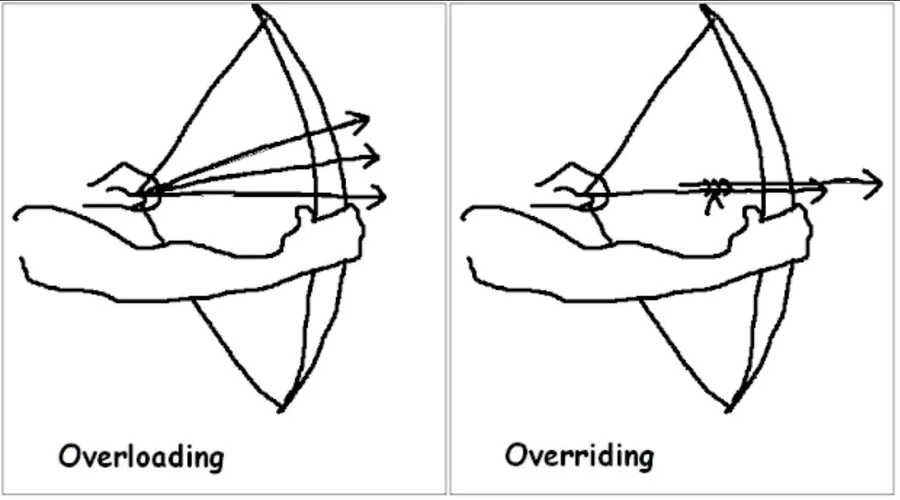
Master Java Polymorphism: Method Overloading vs Overriding Explained
javinpaul
5 min readPaywalled