


Here's this week’s round up of the most shared items on Bluesky. I've had a screaming alert though my phone from the government telling me not to have any barbecues because of the fire risk, so the most shared paper this week is unfortunately timely. The slightly late publication this week is also connected to the heat. I'm not coping well with it, but that's going to be a common experience for many people in the coming years. Papers behind a paywall are marked 💰otherwise they're free to access at time of checking. How this works We scan posts by people on the Botany Auto list and pull out the entries with links to papers. Every time a paper gets a post written about it it gets 4 points. It gets 3 points for a repost and 1 point for a like. We try to add people to the Botany Auto post, if they post about Botany (doesn't have to be links to papers) around 20% of the time or more. The belief is that because the list as a whole shares an interest in plants, it's this material that tends to rise to the top. If you think you should be on the Botany Auto list, but aren't, please drop a message to @botany.one on Bluesky.
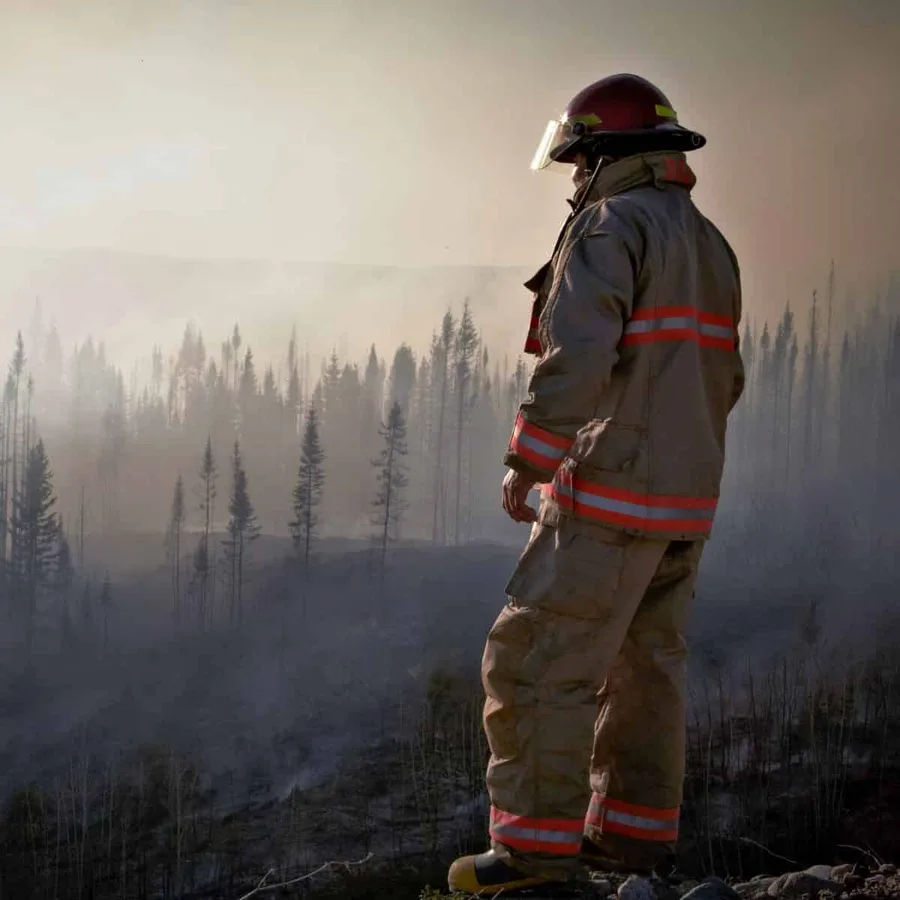
- Faster, bigger, more severe: Extreme wildfire spread sets the stage for forest ecosystem change in western and boreal North America Coop, J. D. et al. · Science Advances · 1 post · 99 likes · 49 reposts on Bluesky Here, we measure daily linear fire growth rates and assess relationships between fire spread, burn severity, and metrics of postfire landscape resilience from 3499 fires occurring between 2012 and 2023 in conifer-dominated forests of Canada and the western US. We find that as linear spread rate increases, so too does fire severity, proportion of area burned at high severity, and distance to surviving live tree seed sources.
- Tangerine: A new family of Starships from lichen-forming fungi Tagirdzhanova, G. et al. · Proceedings of the National Academy of Sciences · 1 post · 66 likes · 44 reposts on Bluesky Recent evidence suggests that lichens...